
 Illustration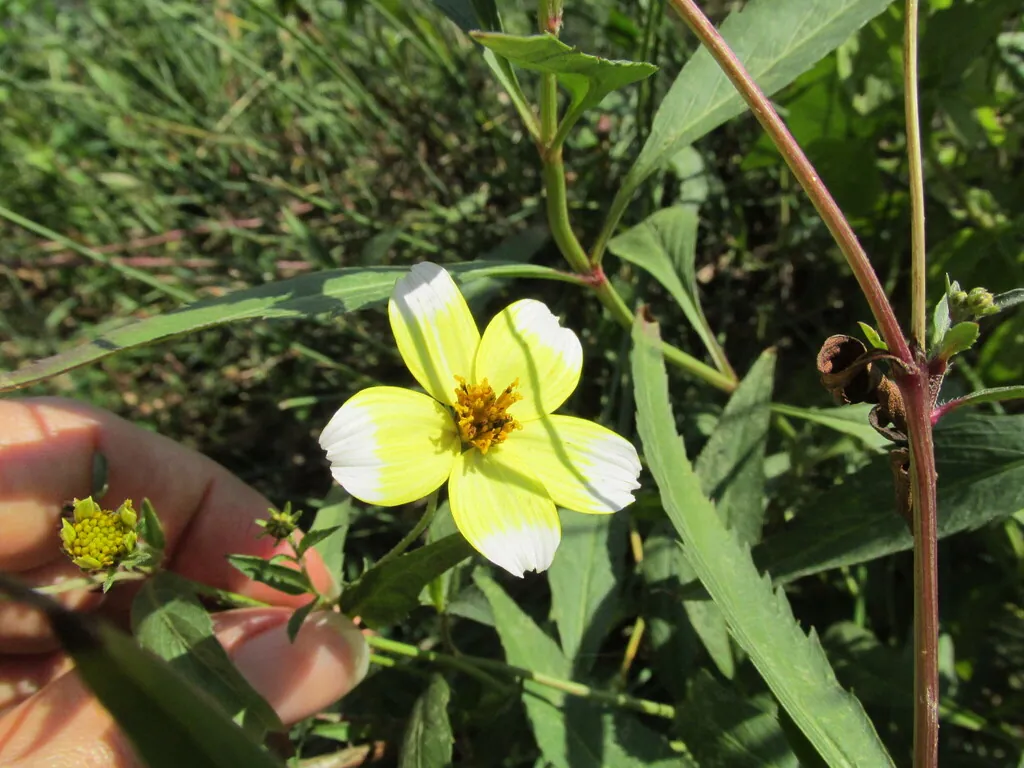
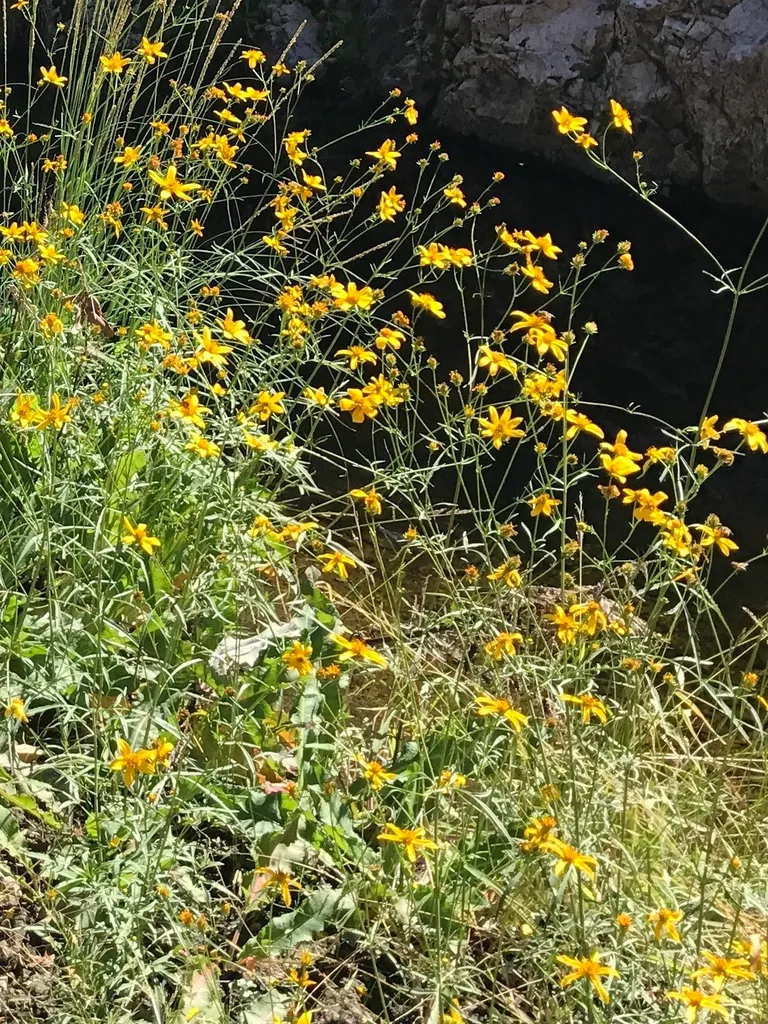
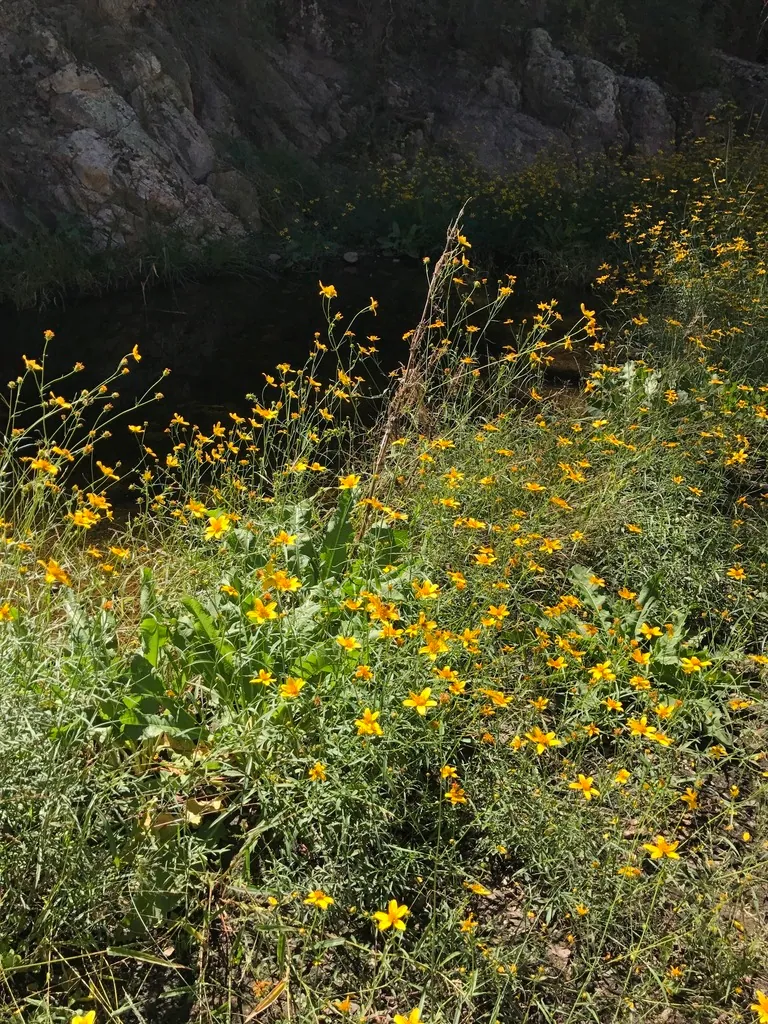

Photo credits and licenses
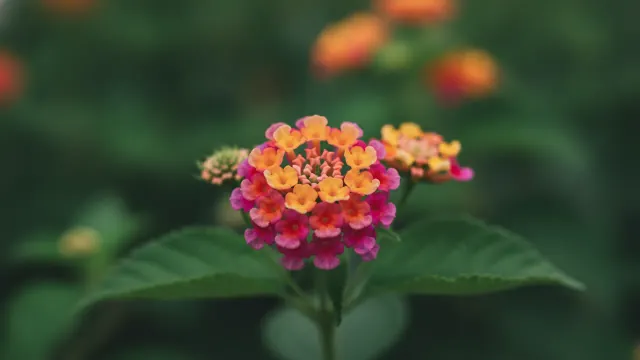
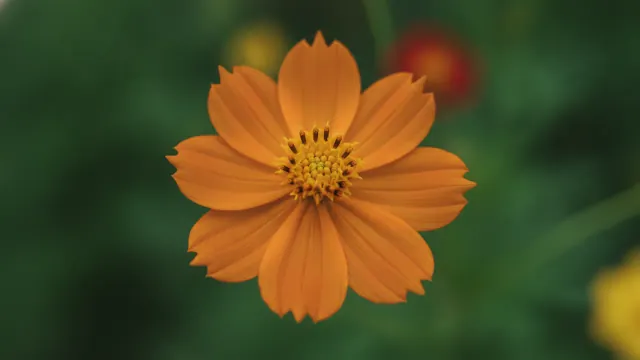
Real photographs from naturalists and photographers worldwide, each used under its own license. Credit: Photo by zebedeugalinha / iNaturalist (CC BY), Photo by Sue Carnahan / iNaturalist (CC BY) and Photo by Sue Carnahan / iNaturalist (CC BY). How photos are sourced →

Bidens
Bidens ferulifolia
Bidens blooms from May through October.
Months here are Northern Hemisphere months; in the Southern Hemisphere, shift them by six months.
Growing Bidens
Plant it in full sun. It prefers low water. It is hardy in USDA zones 8–11. Expect it to reach about 12 in tall and 16 in wide at maturity, in roughly 1 year (not yet checked).
What was checked
Mature height and spread, hardiness zones, sun and the trait tags were checked against named botanical sources for this plant. The bloom months and water need on this page were not, and each fact above says which. The planting, spacing and size sections are derived from these checked facts by a fixed rule, not checked separately, and the plant type is the library's own classification.
When to plant Bidens
Wait until all danger of frost has passed, then plant out Bidens into warm soil; in most zones that means late spring. Planted then, it flowers from May to October.
Month-by-month timing for your zone is on the planting calendar; if you garden near zone 9, the middle of this plant's hardy range, start with zone 9 in February. Derived from the plant's category, zones and bloom months plus typical zone frost dates, not checked separately.
How big does Bidens get?
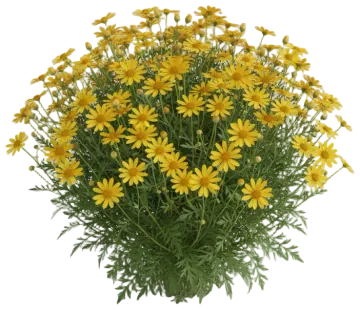 12 intall5 ft 7 inan adult16 inwide
See Bidens in a garden plan: the planner shows it in 3D beside everything else you add, growing toward this size over the years.
How far apart to plant Bidens
Derived from the mature spread above by a fixed rule, not checked separately: spacing is the spread, center to center.
Space Bidens about 16 in apart, center to center, so each plant has room to reach its full width.
Add Bidens to a garden plan and the planner draws it at its full width, so you see the spacing before you buy.
Where these facts come from
Bidens' height, spread, hardiness zones, sun and trait tags were checked against 10 published sources on July 29, 2026. Each one is linked below with every fact it carried, which can include a fact this page still marks as not yet checked, because a source carrying a value is not the same as the value being held to the standard. Facts not in that list, and the planting, spacing and size sections, are not covered by these sources.
- lucasgreenhouses.comLucas Greenhousesheight, spread, hardiness zones, sun and trait tags
- plants.chaletnursery.comChalet Nursery (NetPS Plant Finder feed)height, spread, hardiness zones, sun and trait tags
- Proven Winners(introducer), Goldilocks Rocks IIheight, spread, hardiness zones, sun and trait tags
- RHSRoyal Horticultural Societyheight, spread, hardiness zones, sun and trait tags
- BBC Gardeners' WorldMagazineheight, spread, sun and trait tags
- po.flowerscanadagrowers.comPick Ontario, Flowers Canada Growersheight, hardiness zones and sun
- US plant patent (Google Patents)breederheight, spread and trait tags
- Penn State ExtensionCumberland County Master Gardener Trial and Idea Garden 2024 Annual Re...height and spread
- University of Illinois ExtensionHortAnswersheight and hardiness zones
- University of Illinois ExtensionFlowersheight
How the checking works, and what each standard covers, is on the verified plants page.
Comes in 4 colors
Same genus, similar care - pick the color you are growing.
Compare every color in the Bidens group
Every figure is the color's own page fact. Tap a name to open it.
| Name | Color | Blooms | Hardiness | Sun | Size (H × W) |
|---|---|---|---|---|---|
| Bidensthis page | Yellow | May–Oct | Zones 8–11 | Full sun | 12 in × 16 in |
| Campfire Marshmallow | White | May–Oct | Zones 8–11 | Full sun | 14 in × 20 in |
| Painted Orange | Orange | May–Oct | Zones 8–11 | Full sun | 12 in × 20 in |
| Painted Red | Red | May–Oct | Zones 8–11 | Full sun | 12 in × 20 in |
| Pink | Pink | May–Oct | Zones 8–11 | Full sun | 12 in × 16 in |
Good to know about Bidens
Curated from university extensions, botanic gardens and other primary sources, with the source named on every note. A note reports what its source says; where that differs from a fact above, the fact above is this entry's stored value, and its mark says whether it has been checked.
Worth knowing
The 'beggarticks' name comes from the wild relatives' barbed seeds that cling to fur and clothing; this ornamental shares the name but is a well-behaved garden plant. per NC State
Ignore its wetland cousins
Wild beggarticks grow in ditches, marshes and wet meadows, but this ornamental descends from an arid Arizona species. Give it well-drained soil and only moderate water, never soggy. per NC State and Wildflower Center
How tall it gets
Illinois Extension lists 0.25 to 0.38 m for the bedding annual; the Wildflower Center gives 0.46 to 0.91 m for fuller wild forms. As a garden plant it stays low. per University of Illinois and Wildflower Center
Not toxic to pets
Not classified as toxic. No Bidens appears on the ASPCA plant lists, and the related B. pilosa is recognized as safe and eaten as food. per ASPCA and PubMed Central
Feeds bees and butterflies
The open daisies draw bees and butterflies all season, and the genus supports a specialist bee, Dieunomia heteropoda; the seed also feeds songbirds. per NC State and Iowa State
Grow it as an annual
Grow it as a tender annual: frost kills it, so set plants out only after the last spring frost. It returns as a perennial only where winters are nearly frost-free. per University of Illinois and Wildflower Center
What pairs well with Bidens
Good companions share its growing conditions and add something it lacks: an earlier or later bloom, a lower carpet in front, or structure through winter.
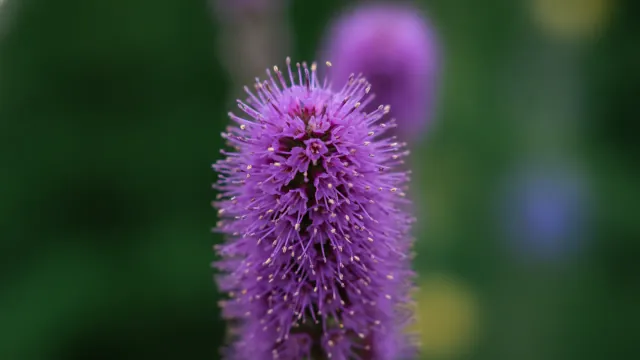
Blazing Star
Shares full sun and low water; both are strong pollinator plants; its seed heads stand through winter, for structure and the birds; both are North American natives.
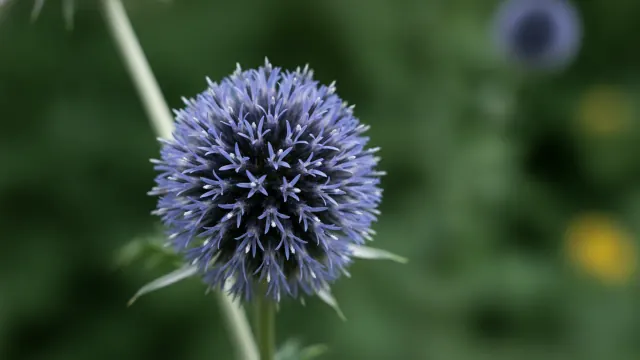
Globe Thistle
Shares full sun and low water; both are strong pollinator plants; its seed heads stand through winter, for structure and the birds; taller at 3.5 ft, for the layer behind it.
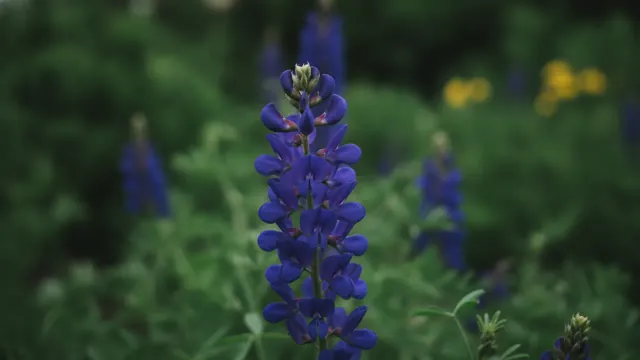
False Indigo
Shares full sun and low water; both are strong pollinator plants; its seed heads stand through winter, for structure and the birds; taller at 3.5 ft, for the layer behind it.
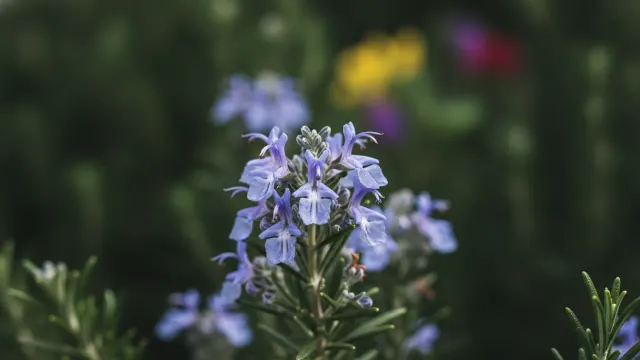
Rosemary
Shares full sun and low water; opens in early spring and overlaps into this one's season; both are strong pollinator plants; evergreen, so the bed keeps its shape through winter.
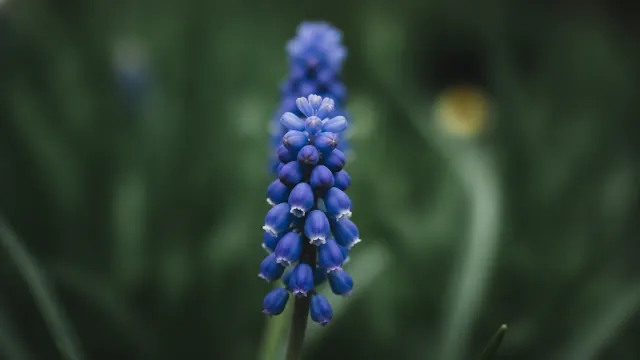
Grape Hyacinth
Shares full sun and low water; blooms in early spring, before this one opens; both offer pollinator forage, in different months; lower at 8 in, for the front of the border.
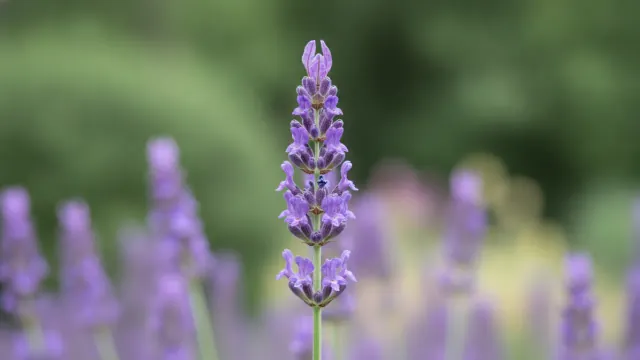
Lavender
Shares full sun and low water; both are strong pollinator plants; evergreen, so the bed keeps its shape through winter; purple against yellow, for contrast.
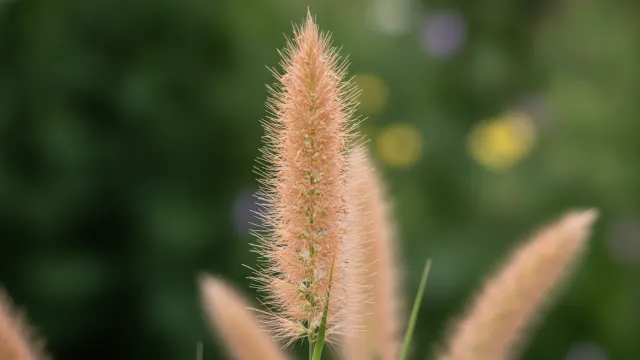
Switchgrass
Shares full sun and low water; both are strong pollinator plants; its seed heads stand through winter, for structure and the birds; taller at 5 ft, for the layer behind it.
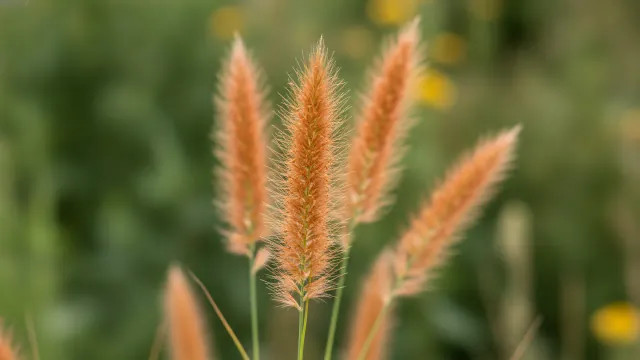
Little Bluestem
Shares full sun and low water; its seed heads stand through winter, for structure and the birds; taller at 3.5 ft, for the layer behind it; both are North American natives.
Explore similar plants
You might also like
Design a garden with this
Drop this plant onto a 3D plan, see how it fills in, and watch your whole garden bloom across the year.