
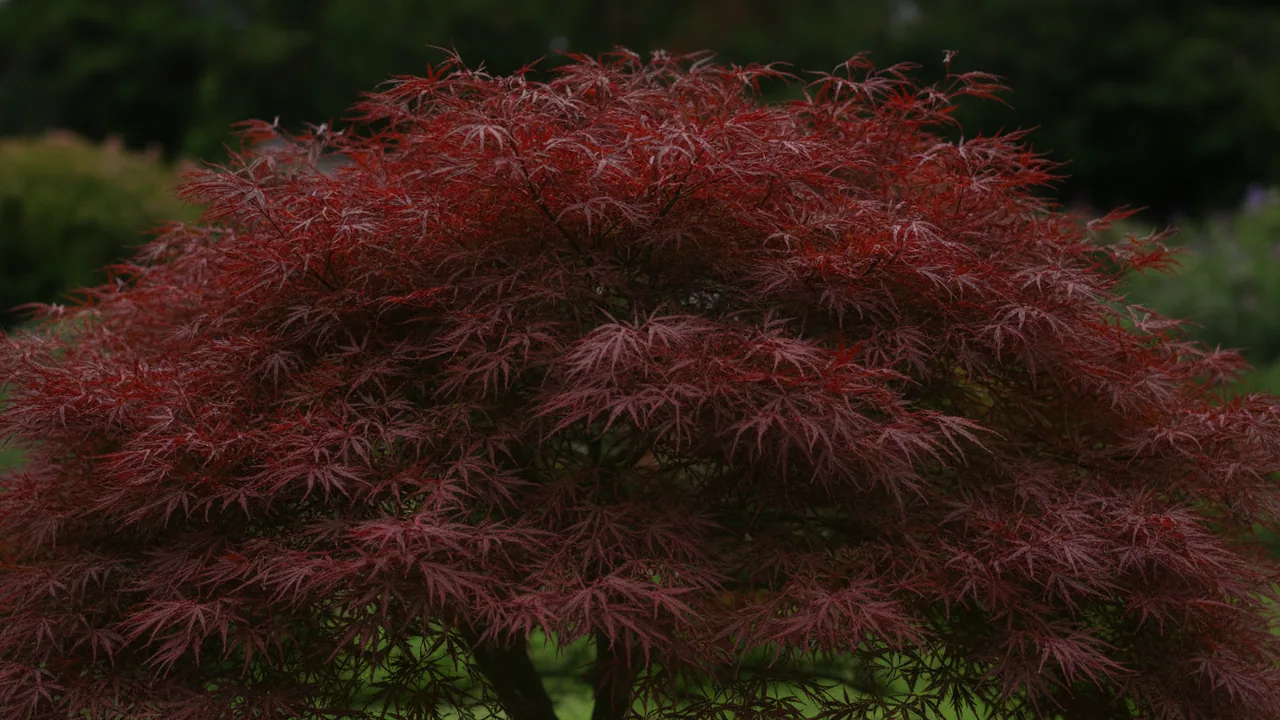
 Illustration

Japanese Maple
Acer palmatum
Japanese Maple is grown for its foliage rather than flowers, giving the garden structure and color all season long.
Months here are Northern Hemisphere months; in the Southern Hemisphere, shift them by six months.
Growing Japanese Maple
Plant it in part shade. It prefers moderate water. It is hardy in USDA zones 5–8. Expect it to reach about 16 ft tall and 15 ft wide at maturity, in roughly 15 years (not yet checked).
No toxicity note is on file for Japanese Maple. That is not a clearance: check its safety for people and pets before planting.
What was checked
Mature height and spread, hardiness zones, sun and the trait tags were checked against named botanical sources for this plant. The bloom months and water need on this page were not, and each fact above says which. The planting, spacing and size sections are derived from these checked facts by a fixed rule, not checked separately, and the plant type is the library's own classification.
When to plant Japanese Maple
Plant Japanese Maple in early spring as soon as the soil is workable, or in early fall at least six weeks before your first frost, so roots establish in cool weather. In zone 6, the middle of its hardy zones 5 to 8, spring means March to May and fall means August or September.
Month-by-month timing for your zone is on the planting calendar; if you garden near zone 6, the middle of this plant's hardy range, start with zone 6 in March. Derived from the plant's category, zones and bloom months plus typical zone frost dates, not checked separately.
How big does Japanese Maple get?
 16 fttall5 ft 7 inan adult15 ftwide
See Japanese Maple in a garden plan: the planner shows it in 3D beside everything else you add, growing toward this size over the years.
How far apart to plant Japanese Maple
Derived from the mature spread above by a fixed rule, not checked separately: spacing is the spread, center to center.
Give Japanese Maple about 15 ft of clear ground in every direction, measured from its center. It is one plant with room around it, not a row, and a raised bed is too small for it.
Add Japanese Maple to a garden plan and the planner draws it at its full width, so you see the spacing before you buy.
Where these facts come from
Japanese Maple's height, spread, hardiness zones, sun and trait tags were checked against 8 published sources on July 30, 2026. Each one is linked below with every fact it carried, which can include a fact this page still marks as not yet checked, because a source carrying a value is not the same as the value being held to the standard. Facts not in that list, and the planting, spacing and size sections, are not covered by these sources.
- NC State ExtensionAcer palmatumheight, spread, hardiness zones, sun and trait tags
- The Morton ArboretumJapanese maple, Acer palmatumheight, spread, hardiness zones, sun and trait tags
- Missouri Botanical GardenAcer palmatumheight, spread, hardiness zones and sun
- Chicago Botanic GardenAcer palmatumheight, hardiness zones and sun
- Clemson Home and Garden Information CenterMaple, Acer species, in its Japanese maple sectionheight, sun and trait tags
- Oregon State UniversityAcer palmatumheight, hardiness zones and sun
- RHSRoyal Horticultural Society (Acer palmatum)height, spread and sun
- University of Illinois ExtensionAcer palmatumhardiness zones and sun
How the checking works, and what each standard covers, is on the verified plants page.
Comes in 11 varieties
Same genus, similar care - pick the variety you are growing.
- Bloodgood
- Butterfly
- Coral Bark
- Crimson Queen
- Emperor I
- Fireglow
- Orange Dream
- Osakazuki
- Tamukeyama
- Viridis
- Waterfall
Compare every variety in the Japanese Maple group
Every figure is the variety's own page fact. Tap a name to open it.
| Variety | Color | Blooms | Hardiness | Sun | Size (H × W) |
|---|---|---|---|---|---|
| Bloodgood | Foliage | Foliage plant | Zones 5–8 | Part shade | 20 ft × 16 ft |
| Butterfly | Foliage | Foliage plant | Zones 5–8 | Part shade | 13 ft × 8 ft |
| Coral Bark | Foliage | Foliage plant | Zones 5–8 | Part shade | 16 ft × 13 ft |
| Crimson Queen | Foliage | Foliage plant | Zones 5–8 | Part shade | 10 ft × 13 ft |
| Emperor I | Foliage | Foliage plant | Zones 5–8 | Part shade | 16 ft × 15 ft |
| Fireglow | Foliage | Foliage plant | Zones 5–8 | Part sun | 15 ft × 13 ft |
| Japanesethis page | Foliage | Foliage plant | Zones 5–8 | Part shade | 16 ft × 15 ft |
| Orange Dream | Foliage | Foliage plant | Zones 5–8 | Part shade | 13 ft × 10 ft |
| Osakazuki | Foliage | Foliage plant | Zones 5–8 | Part shade | 20 ft × 16 ft |
| Tamukeyama | Foliage | Foliage plant | Zones 5–9 | Part shade | 8 ft × 11 ft |
| Viridis | Foliage | Foliage plant | Zones 5–8 | Part shade | 10 ft × 13 ft |
| Waterfall | Foliage | Foliage plant | Zones 5–8 | Part shade | 10 ft × 13 ft |
Good to know about Japanese Maple
Curated from university extensions, botanic gardens and other primary sources, with the source named on every note. A note reports what its source says; where that differs from a fact above, the fact above is this entry's stored value, and its mark says whether it has been checked.
Worth knowing
Brown leaves have three causes: crispy margins after heat is leaf scorch, dark blotches along veins in wet spring is anthracnose, one-sided wilting is fatal Verticillium wilt. per Clemson and CAES
How much sun
Red and purple cultivars want some morning sun to hold their color; green, variegated and laceleaf types scorch in it. In hot regions, give afternoon shade. per NC State and Clemson
Shallow roots need mulch
Its feeder roots sit shallow, so a 3 to 4 in (7 to 10 cm) mulch layer, kept off the trunk, conserves moisture and steadies soil temperature. per NC State and Clemson
Sensitive to common sprays
Unlike most plants, Japanese maple can be burned by horticultural oil, neem, insecticidal soap and spinosad, so spot-test before treating pests and never spray by reflex. per Clemson
Verticillium wilt is incurable
Verticillium wilt is soilborne and incurable: no fungicide cures it and it survives in soil for years, so never replant a maple where one has died. per Wisconsin and Iowa State
Over 200 cultivars
More than 200 cultivars range across green, red and purple foliage, finely cut laceleaf and threadleaf forms, weeping and upright habits, and dwarf to large sizes. per NC State
What pairs well with Japanese Maple
Good companions share its growing conditions and add something it lacks: an earlier or later bloom, a lower carpet in front, or structure through winter.
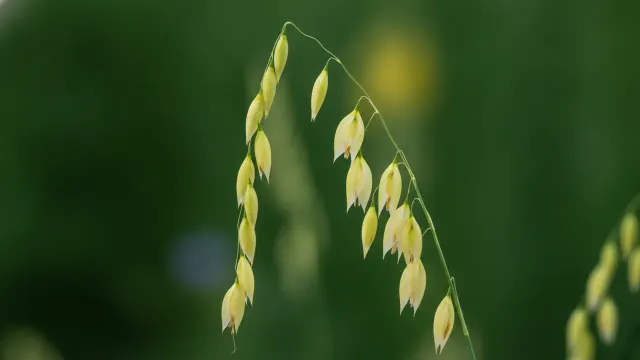
Northern Sea Oats
Shares part shade and moderate water; its seed heads stand through winter, for structure and the birds; shorter at 3.5 ft, an understory layer.
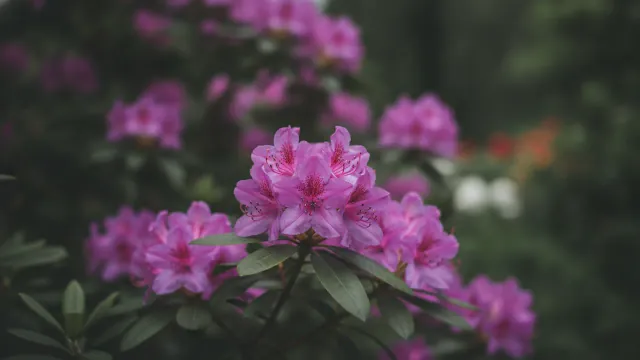
Rhododendron
Shares part shade and moderate water; evergreen, so the bed keeps its shape through winter; shorter at 6 ft, an understory layer.
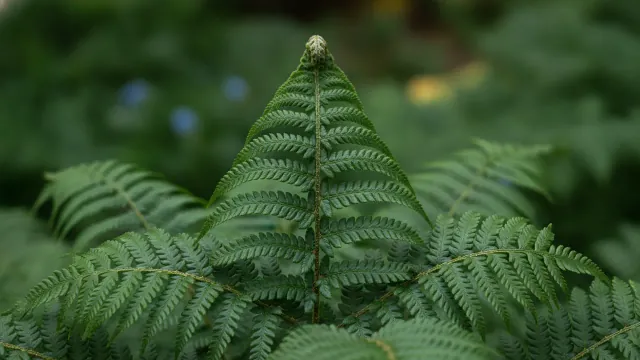
Christmas Fern
Takes part shade to full shade and moderate water; evergreen, so the bed keeps its shape through winter.
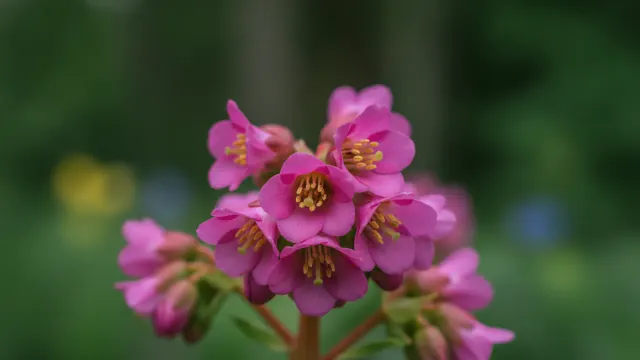
Bergenia
Takes part sun to part shade and moderate water; evergreen, so the bed keeps its shape through winter.
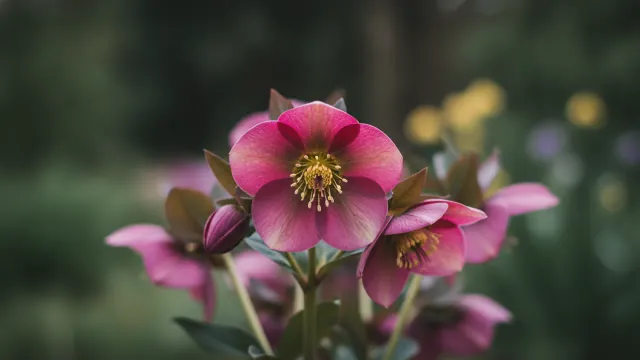
Hellebore
Shares part shade and moderate water; evergreen, so the bed keeps its shape through winter.
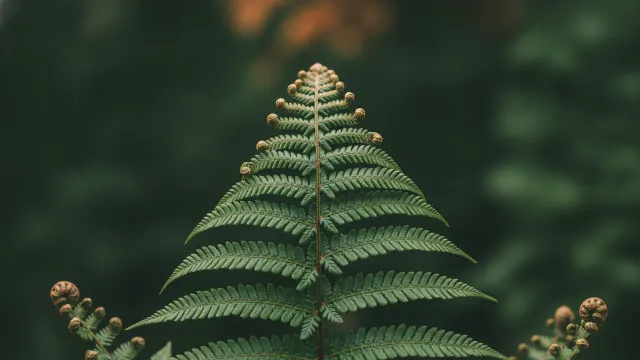
Autumn Fern
Shares part shade and moderate water; evergreen, so the bed keeps its shape through winter.
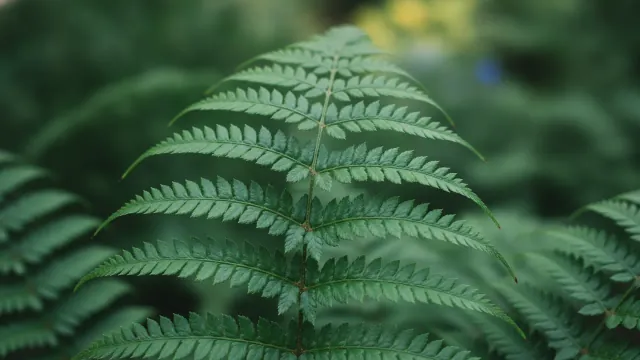
Holly Fern
Takes part shade to full shade and moderate water; evergreen, so the bed keeps its shape through winter.
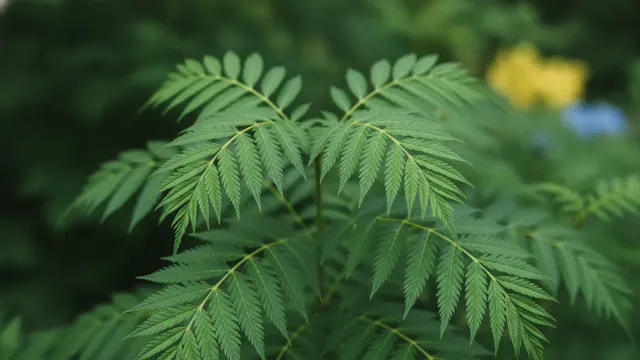
Eastern Hemlock
Shares part shade and moderate water; evergreen, so the bed keeps its shape through winter.
Featured in these guides
Explore similar plants
You might also like
 Foliage
 Foliage
 Foliage
 Foliage
Design a garden with this
Drop this plant onto a 3D plan, see how it fills in, and watch your whole garden bloom across the year.