
Companion plants for Jasmine
Jasmine blooms from June through August. It wants full sun and moderate water. The 8 companion pairings below each state why the pairing works.
Blooming before Jasmine opens
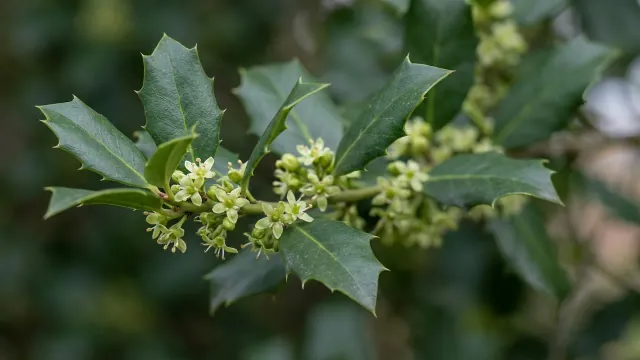
American Holly
Shares full sun and moderate water; blooms in late spring, before this one opens; both are strong pollinator plants, and they feed in different months; evergreen, so the bed keeps its shape through winter.
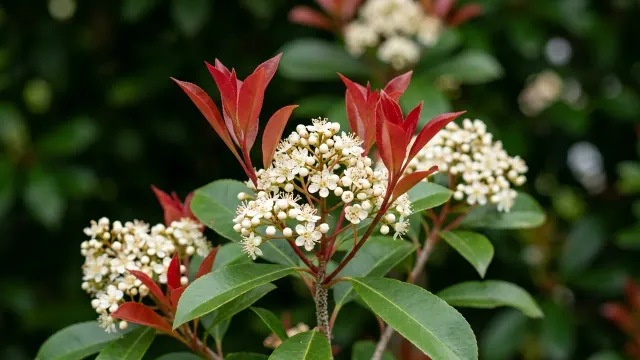
Red Robin Photinia
Shares full sun and moderate water; blooms in mid spring, before this one opens; both are strong pollinator plants, and they feed in different months; evergreen, so the bed keeps its shape through winter.
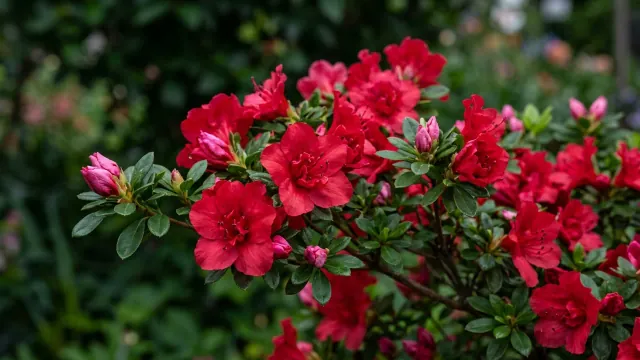
Ever After Ruby Reblooming Azalea
Takes full sun to part sun and moderate water; blooms in mid spring, before this one opens; both are strong pollinator plants, and they feed in different months; evergreen, so the bed keeps its shape through winter.
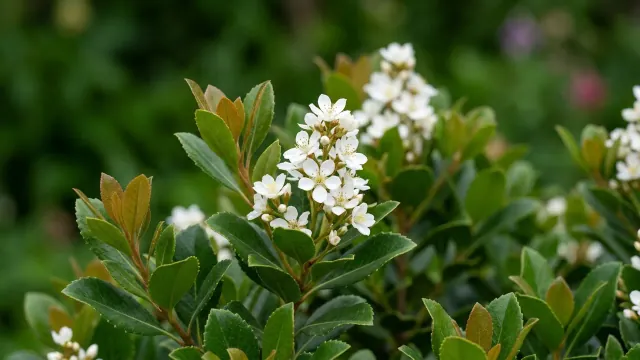
Indian Hawthorn
Shares full sun and moderate water; blooms in mid spring, before this one opens; both are strong pollinator plants, and they feed in different months; evergreen, so the bed keeps its shape through winter.
Taking over as Jasmine finishes
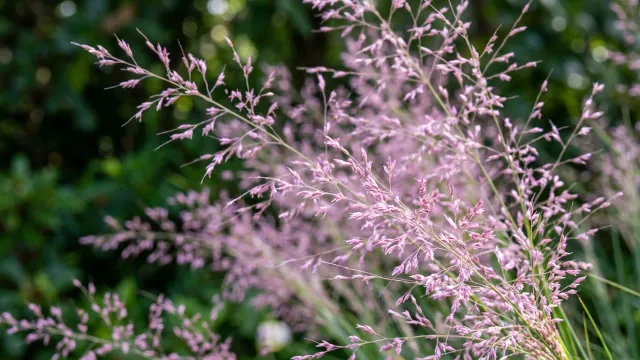
Pink Muhly Grass
Shares full sun and low to moderate water; blooms in early fall as this one finishes; both are strong pollinator plants, and they feed in different months; its seed heads stand through winter, for structure and the birds.
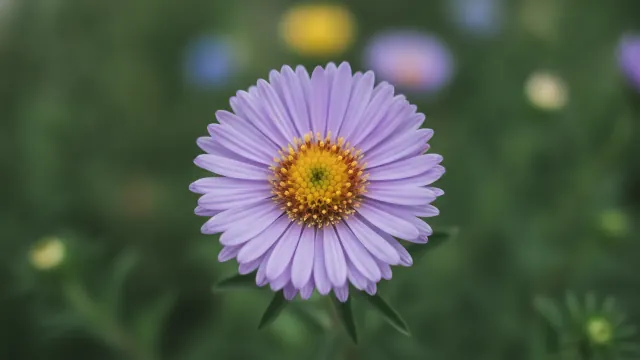
Aster
Shares full sun and moderate water; blooms in early fall as this one finishes; both are strong pollinator plants, and they feed in different months; its seed heads stand through winter, for structure and the birds; they only overlap in zones 7 to 8.
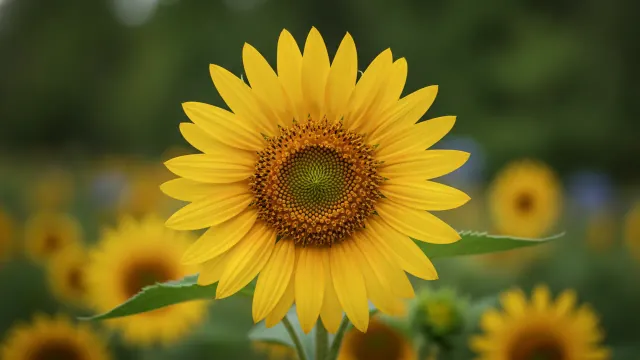
Perennial Sunflower
Shares full sun and moderate water; overlaps, then carries the display into mid fall; both are strong pollinator plants; its seed heads stand through winter, for structure and the birds.
Blooming alongside
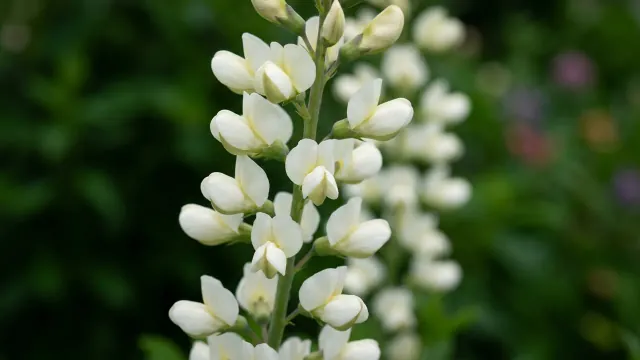
Decadence Vanilla Cream False Indigo
Shares full sun and moderate water; opens in late spring and overlaps into this one's season; both are strong pollinator plants; its seed heads stand through winter, for structure and the birds.