
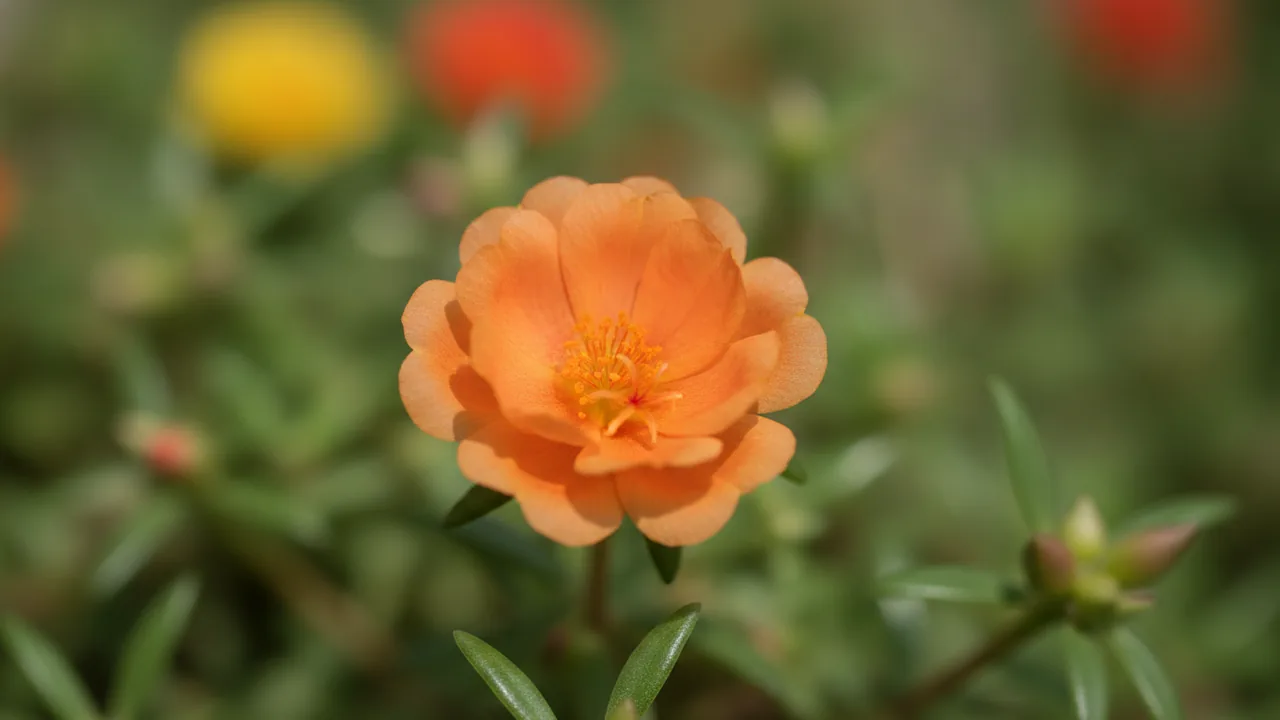
 Illustration

Portulaca
Portulaca grandiflora
Portulaca blooms from June through September.
Months here are Northern Hemisphere months; in the Southern Hemisphere, shift them by six months.
Growing Portulaca
Plant it in full sun. It prefers low water. It is hardy in USDA zones 10–11. Expect it to reach about 6 in tall and 12 in wide at maturity, in roughly 1 year (not yet checked).
What was checked
Mature height and spread, hardiness zones, sun and the trait tags were checked against named botanical sources for this plant. The bloom months and water need on this page were not, and each fact above says which. The planting, spacing and size sections are derived from these checked facts by a fixed rule, not checked separately, and the plant type is the library's own classification.
When to plant Portulaca
Wait until all danger of frost has passed, then plant out Portulaca into warm soil; in most zones that means late spring. Planted then, it flowers from June to September.
Month-by-month timing for your zone is on the planting calendar; if you garden near zone 10, the middle of this plant's hardy range, start with zone 10 in January. Derived from the plant's category, zones and bloom months plus typical zone frost dates, not checked separately.
How big does Portulaca get?
 6 intall5 ft 7 inan adult12 inwide
See Portulaca in a garden plan: the planner shows it in 3D beside everything else you add, growing toward this size over the years.
How far apart to plant Portulaca
Derived from the mature spread above by a fixed rule, not checked separately: spacing is the spread, center to center.
Space Portulaca about 12 in apart, center to center, so each plant has room to reach its full width.
Add Portulaca to a garden plan and the planner draws it at its full width, so you see the spacing before you buy.
Where these facts come from
Portulaca's height, spread, hardiness zones, sun and trait tags were checked against 8 published sources on July 30, 2026. Each one is linked below with every fact it carried, which can include a fact this page still marks as not yet checked, because a source carrying a value is not the same as the value being held to the standard. Facts not in that list, and the planting, spacing and size sections, are not covered by these sources.
- Missouri Botanical GardenPortulaca grandiflora, rose mossheight, spread, hardiness zones, sun and trait tags
- NC State ExtensionPortulaca grandifloraheight, spread, sun and trait tags
- University of Wisconsin HorticultureWisconsin Horticulture, Division of Extension (Portulaca grandiflora)height, spread, sun and trait tags
- University of Arkansas Extensionmoss rose, Portulaca grandifloraheight, spread and sun
- botanicalinterests.comBotanical Interests (Double Blend Portulaca, moss rose, seed)sun and trait tags
- NC State ExtensionPortulaca, the genussun and trait tags
- Swallowtail Garden SeedsPortulacasun and trait tags
- University of Georgia Extensionportulacaheight and sun
How the checking works, and what each standard covers, is on the verified plants page.
Comes in 5 colors
Same plant, same care - pick the color you are growing.
Compare every color in the Portulaca group
Every figure is the color's own page fact. Tap a name to open it.
| Name | Color | Blooms | Hardiness | Sun | Size (H × W) |
|---|---|---|---|---|---|
| Magenta | Purple | Jun–Sep | Zones 10–11 | Full sun | 6 in × 12 in |
| Pink | Pink | Jun–Sep | Zones 10–11 | Full sun | 6 in × 12 in |
| Portulacathis page | Orange | Jun–Sep | Zones 10–11 | Full sun | 6 in × 12 in |
| Red | Red | Jun–Sep | Zones 10–11 | Full sun | 6 in × 12 in |
| White | White | Jun–Sep | Zones 10–11 | Full sun | 6 in × 12 in |
| Yellow | Yellow | Jun–Sep | Zones 10–11 | Full sun | 6 in × 12 in |
Good to know about Portulaca
Curated from university extensions, botanic gardens and other primary sources, with the source named on every note. A note reports what its source says; where that differs from a fact above, the fact above is this entry's stored value, and its mark says whether it has been checked.
Safety
ASPCA rates moss rose toxic to dogs, cats and horses; it holds soluble calcium oxalates, so a large amount eaten can upset the gut or, rarely, harm the kidneys. per ASPCA
Worth knowing
Its fleshy leaves and stems store water, so it thrives on heat and drought once established; the flip side is that wet or poorly drained soil rots it fast. per NC State
Flowers that close at night
Classic strains open only in bright sun and shut at night and on cloudy days; newer hybrids stay open all day, so pick those for a longer show. per Wisconsin
First-choice hot-spot annual
A top pick for hot, dry, exposed places where bedding plants scorch: rock and crevice gardens, border fronts, edging, paving edges, and hot containers or baskets. per NC State
No deadheading needed
It is effectively self-cleaning and blooms all summer to frost without deadheading, dropping old flowers as new ones open; deadhead only to curb self-seeding. per NC State
Draws bees and hoverflies
It attracts butterflies plus wild bees, hoverflies and honey bees; a peer-reviewed study found visits swing up to 7-fold by cultivar, tracking nectar and sugar. per NC State and Journal of Economic Entomology
Deer resistant
NC State rates it deer-resistant, though no plant is deer-proof and hungry deer may still browse it. per NC State
What pairs well with Portulaca
Good companions share its growing conditions and add something it lacks: an earlier or later bloom, a lower carpet in front, or structure through winter.
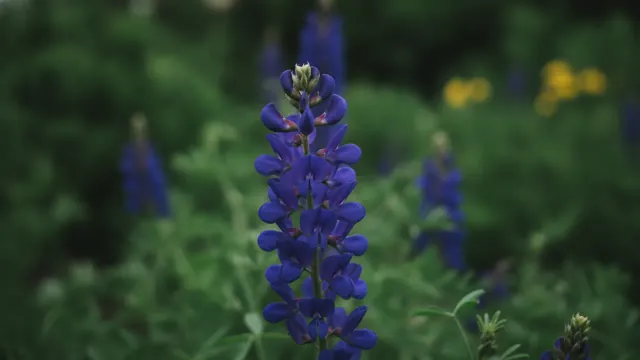
False Indigo
Shares full sun and low water; opens in late spring and overlaps into this one's season; stands well above at 3.5 ft, a canopy to plant beneath; its seed heads stand through winter, for structure and the birds.
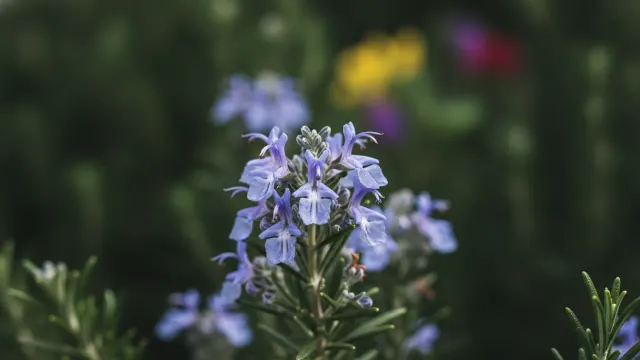
Rosemary
Shares full sun and low water; blooms in early spring, before this one opens; stands well above at 3.5 ft, a canopy to plant beneath; evergreen, so the bed keeps its shape through winter.

Fountain Grass
Shares full sun and low water; stands well above at 3.5 ft, a canopy to plant beneath; overlaps, then carries the display into mid fall; its seed heads stand through winter, for structure and the birds.
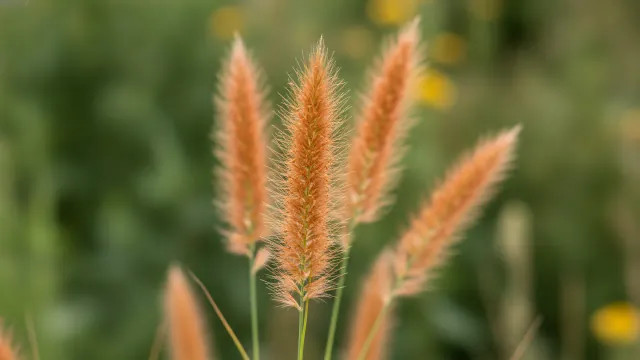
Little Bluestem
Shares full sun and low water; stands well above at 3.5 ft, a canopy to plant beneath; its seed heads stand through winter, for structure and the birds; blue against orange, for contrast.

Globe Thistle
Shares full sun and low water; stands well above at 3.5 ft, a canopy to plant beneath; its seed heads stand through winter, for structure and the birds; blue against orange, for contrast.
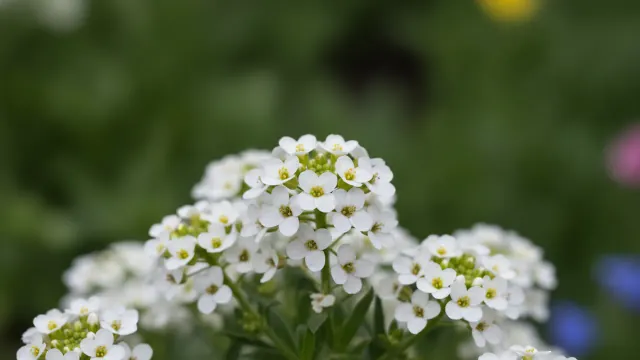
Candytuft
Shares full sun and low water; blooms in mid spring, before this one opens; evergreen, so the bed keeps its shape through winter; its white flowers settle the orange.
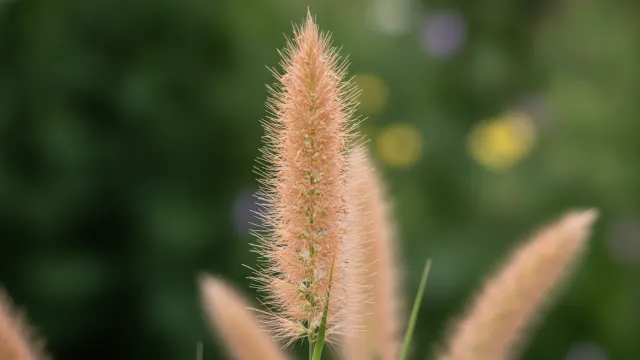
Switchgrass
Shares full sun and low water; stands well above at 5 ft, a canopy to plant beneath; overlaps, then carries the display into mid fall; its seed heads stand through winter, for structure and the birds.
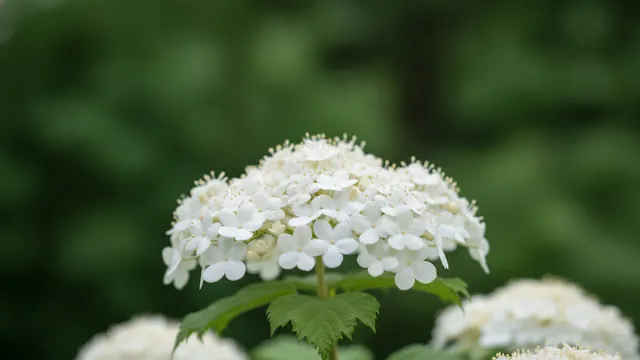
Viburnum
Shares full sun and low to moderate water; blooms in mid spring, before this one opens; stands well above at 6.5 ft, a canopy to plant beneath; its white flowers settle the orange.
Explore similar plants
You might also like
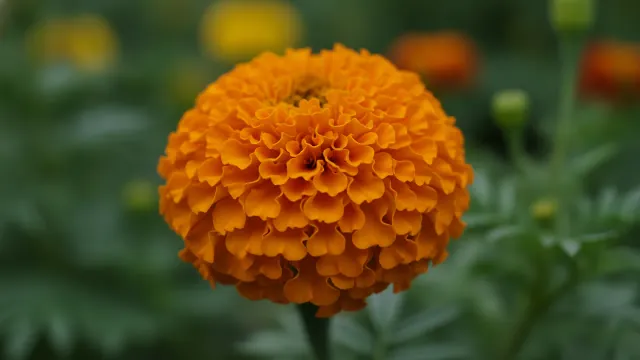



Design a garden with this
Drop this plant onto a 3D plan, see how it fills in, and watch your whole garden bloom across the year.