
Companion plants for Shasta Daisy
Shasta Daisy blooms from June through August. It wants full sun and moderate water. The 8 companion pairings below each state why the pairing works.
Blooming before Shasta Daisy opens
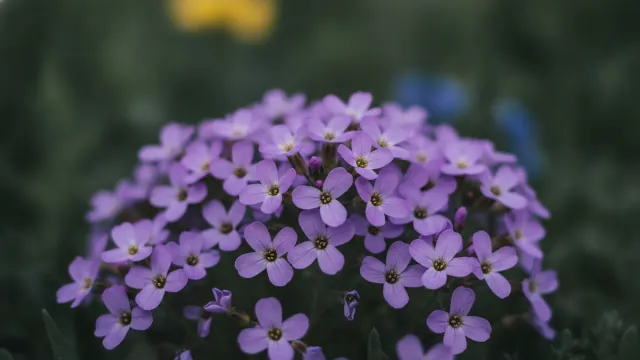
Rock Cress
Shares full sun and low to moderate water; blooms in mid spring, before this one opens; evergreen, so the bed keeps its shape through winter; lower at 4 in, for the front of the border.
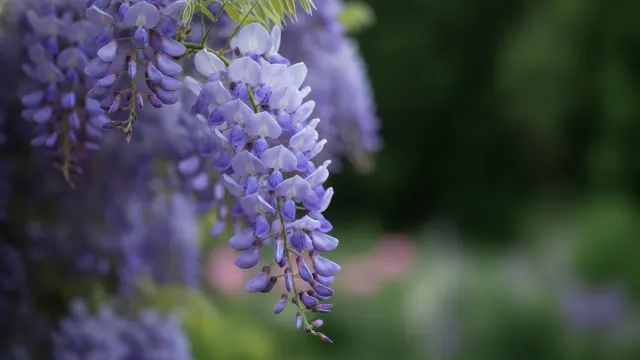
Wisteria
Shares full sun and moderate water; blooms in mid spring, before this one opens; both offer pollinator forage, in different months; a soft color beside the white.
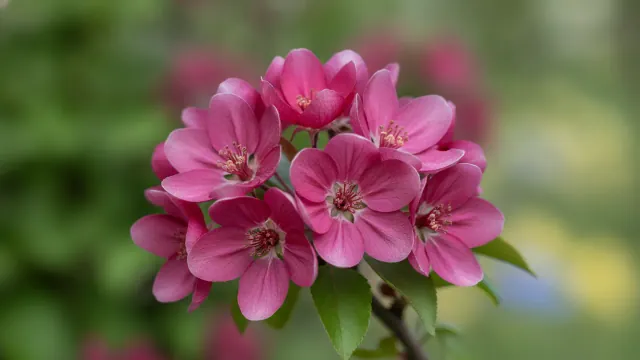
Flowering Crabapple
Shares full sun and moderate water; blooms in mid spring, before this one opens; both offer pollinator forage, in different months; stands well above at 20 ft, a canopy to plant beneath.
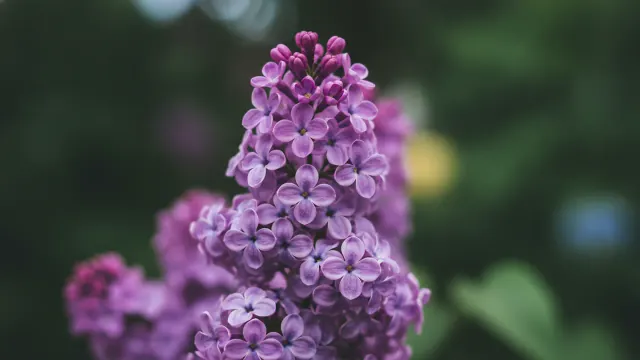
Lilac
Shares full sun and moderate water; blooms in mid spring, before this one opens; taller at 10 ft, for the layer behind it; both offer pollinator forage, in different months.
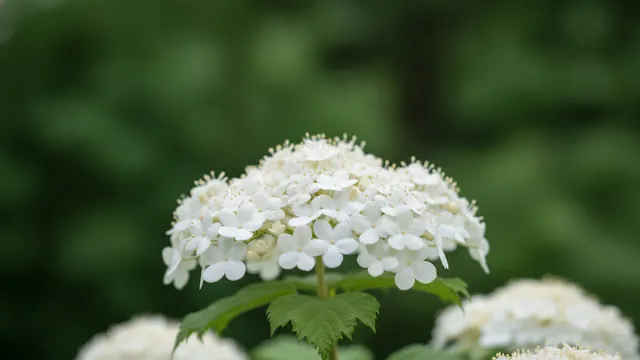
Viburnum
Shares full sun and moderate water; blooms in mid spring, before this one opens; taller at 6.5 ft, for the layer behind it; both offer pollinator forage, in different months.
Taking over as Shasta Daisy finishes
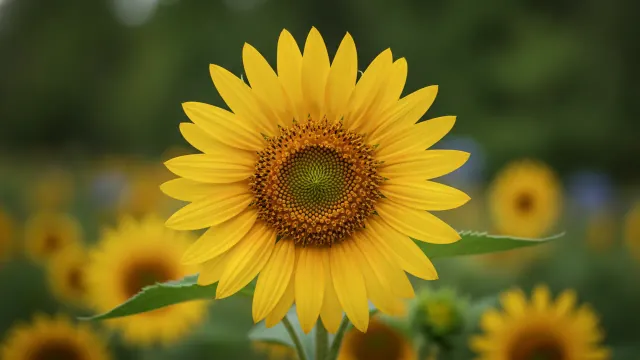
Perennial Sunflower
Shares full sun and moderate water; overlaps, then carries the display into mid fall; its seed heads stand through winter, for structure and the birds; both offer pollinator forage.
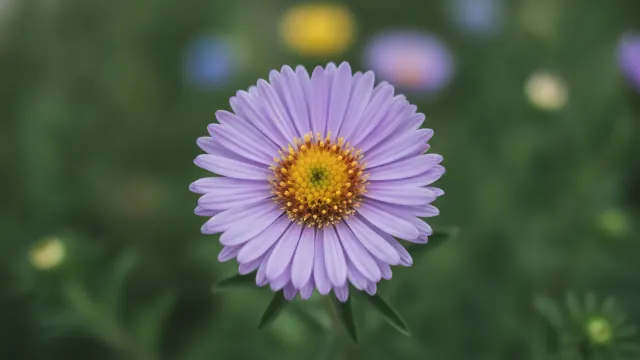
Aster
Shares full sun and moderate water; blooms in early fall as this one finishes; both offer pollinator forage, in different months; its seed heads stand through winter, for structure and the birds.
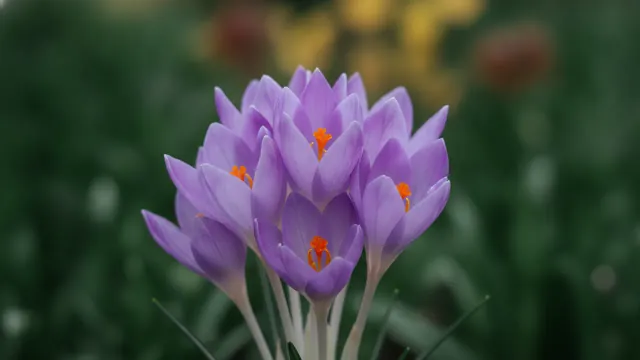
Autumn Crocus
Shares full sun and moderate water; blooms in early fall as this one finishes; lower at 6 in, for the front of the border; both offer pollinator forage, in different months.