
 Illustration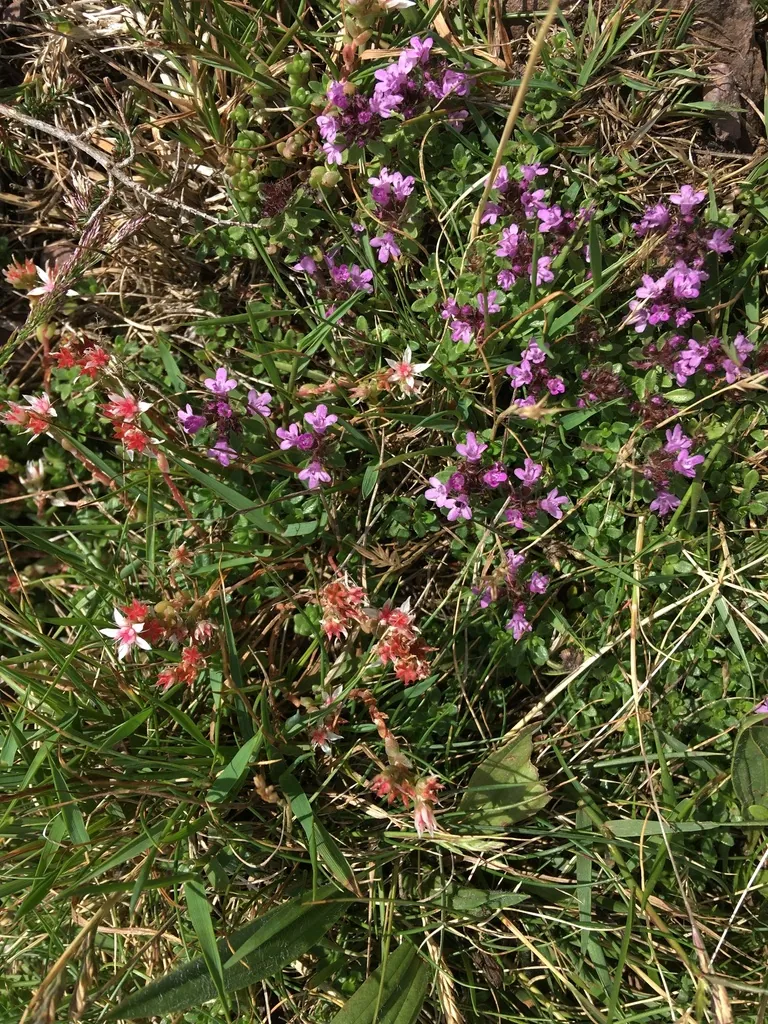
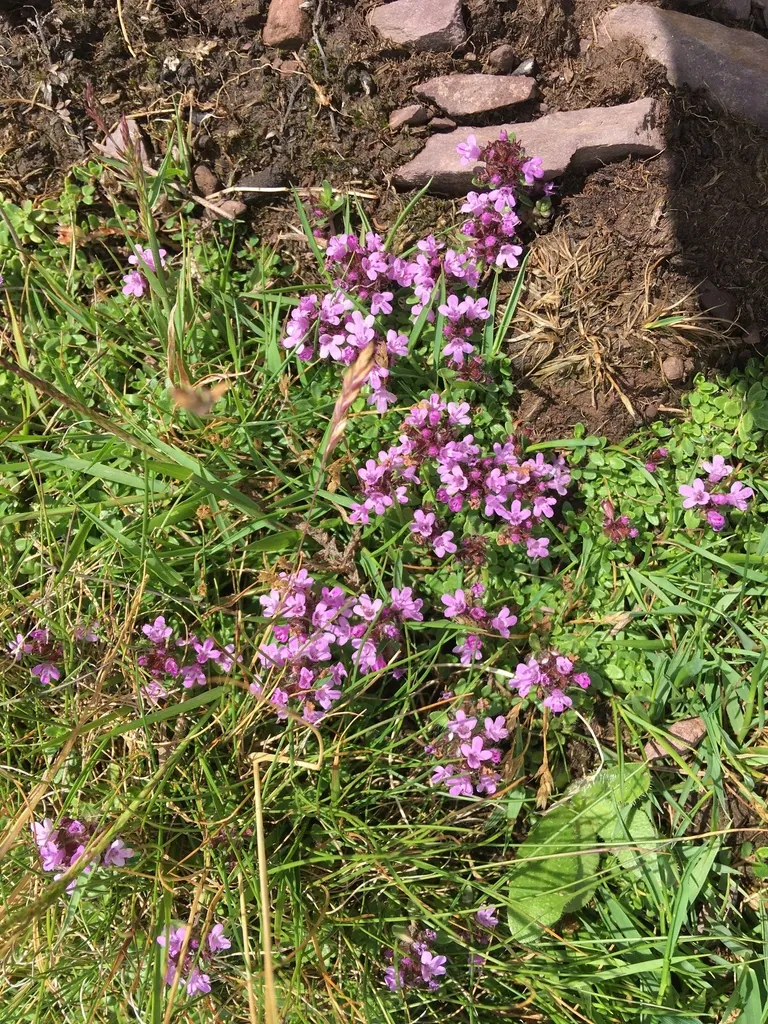
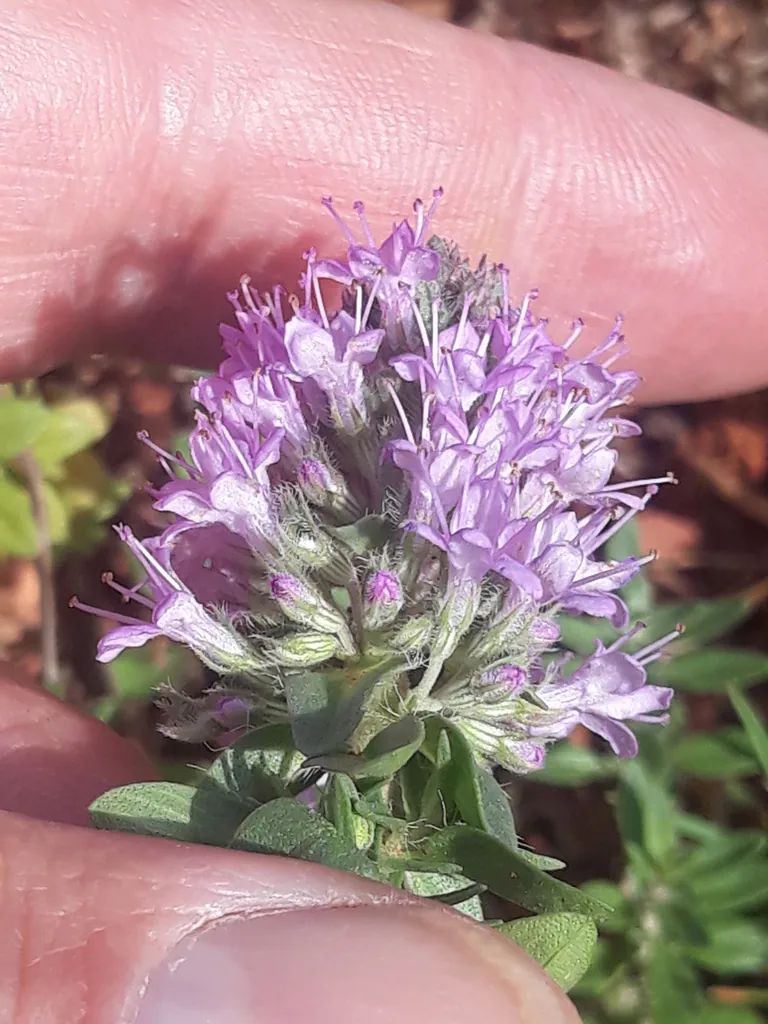

Photo credits and licenses
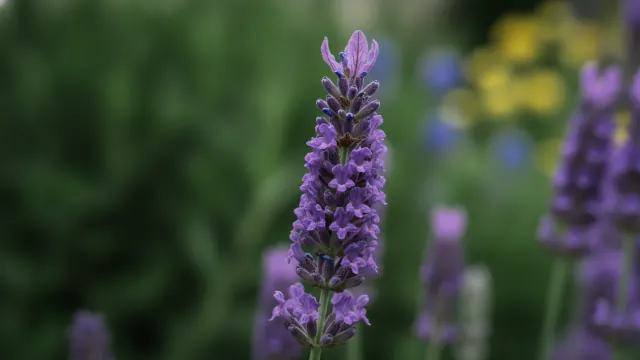
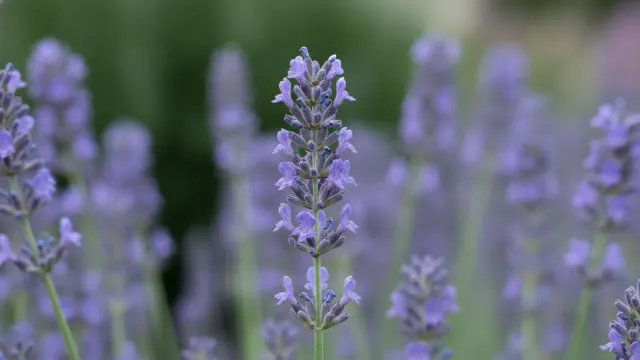
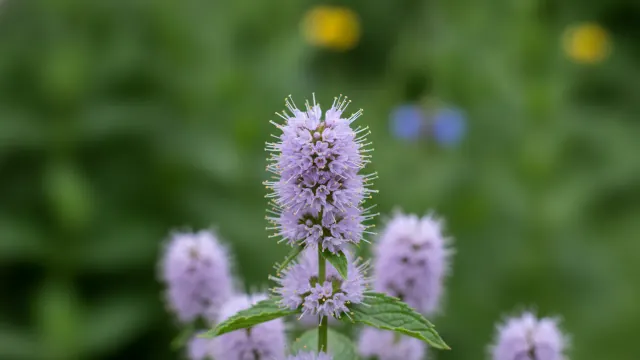
Real photographs from naturalists and photographers worldwide, each used under its own license. Credit: Photo by Kian Hayles-Cotton / iNaturalist (CC0), Photo by Kian Hayles-Cotton / iNaturalist (CC0) and Photo by Karim Haddad / iNaturalist (CC BY). How photos are sourced →

Thyme
Thymus
Thyme blooms from May through July.
Months here are Northern Hemisphere months; in the Southern Hemisphere, shift them by six months.
Growing Thyme
Plant it in full sun. It prefers low water. It is hardy in USDA zones 4–9. Expect it to reach about 6 in tall and 12 in wide at maturity, in roughly 2 years (not yet checked).
What was checked
Mature height and spread, hardiness zones, sun and the trait tags were checked against named botanical sources for this plant. The bloom months and water need on this page were not, and each fact above says which. The planting, spacing and size sections are derived from these checked facts by a fixed rule, not checked separately, and the plant type is the library's own classification.
When to plant Thyme
Plant Thyme in early spring as soon as the soil is workable, or in early fall at least six weeks before your first frost, so roots establish in cool weather. Once settled, it blooms from May to July.
Month-by-month timing for your zone is on the planting calendar; if you garden near zone 6, the middle of this plant's hardy range, start with zone 6 in April. Derived from the plant's category, zones and bloom months plus typical zone frost dates, not checked separately.
How big does Thyme get?
 6 intall5 ft 7 inan adult12 inwide
See Thyme in a garden plan: the planner shows it in 3D beside everything else you add, growing toward this size over the years.
How far apart to plant Thyme
Derived from the mature spread above by a fixed rule, not checked separately: spacing is the spread, center to center.
Space Thyme about 12 in apart, center to center, so each plant has room to reach its full width.
Add Thyme to a garden plan and the planner draws it at its full width, so you see the spacing before you buy.
Where these facts come from
Thyme's height, spread, hardiness zones, sun and trait tags were checked against 10 published sources on July 29, 2026. Each one is linked below with every fact it carried, which can include a fact this page still marks as not yet checked, because a source carrying a value is not the same as the value being held to the standard. Facts not in that list, and the planting, spacing and size sections, are not covered by these sources.
- Missouri Botanical GardenThymus vulgarisheight, spread, hardiness zones, sun and trait tags
- NC State ExtensionThymus vulgarisheight, spread, hardiness zones, sun and trait tags
- Penn State ExtensionHerb Garden Plants: Thyme, Thymus vulgarisheight, spread, hardiness zones, sun and trait tags
- Missouri Botanical GardenThymus serpyllum, creeping thymehardiness zones, sun and trait tags
- NC State Extensiongenus Thymushardiness zones, sun and trait tags
- NC State ExtensionThymus serpyllum, creeping thymehardiness zones, sun and trait tags
- RHSRoyal Horticultural Society (thyme growing guide)height, sun and trait tags
- University of Illinois ExtensionHerb Gardening: Thyme, Thymus vulgarisheight, sun and trait tags
- University of Maryland ExtensionThyme, Thymus vulgarisheight and trait tags
- Clemson Home and Garden Information CenterHerbs, Thymus speciessun
How the checking works, and what each standard covers, is on the verified plants page.
Good to know about Thyme
Curated from university extensions, botanic gardens and other primary sources, with the source named on every note. A note reports what its source says; where that differs from a fact above, the fact above is this entry's stored value, and its mark says whether it has been checked.
Worth knowing
Counterintuitively, feeding thyme makes it worse. Rich soil pushes tall, spindly, weak growth and dilutes the flavor; lean, gritty, unfed soil concentrates the aromatic oils. per NC State and Iowa State
Cold hardiness splits by species
Sources split the cold floor: creeping thyme (T. serpyllum) is hardy to zone 4, common thyme (T. vulgaris) usually only zone 5. Pick the species to match your winter. per NC State
Edible and pet-safe
The whole plant is edible for people and non-toxic to dogs, cats, and horses, so a pet nibbling the foliage is no cause for worry. per ASPCA and NC State
Bee and butterfly magnet
The tiny nectar-rich flowers strongly draw bees and butterflies; creeping thyme is even a larval host for common and large blue butterflies. Leave some to bloom. per NC State
Deer and rabbit resistant
Its pungent, oily foliage deters browsing, so deer and rabbits usually leave it alone. Very hungry wildlife may still sample it, so resistance is not immunity. per NC State and UGA
Walkable fragrant groundcover
Creeping types (mother-of-thyme) knit into a low mat between stepping stones, take occasional foot traffic, and release their scent when you step on them. per NC State
What pairs well with Thyme
Good companions share its growing conditions and add something it lacks: an earlier or later bloom, a lower carpet in front, or structure through winter.
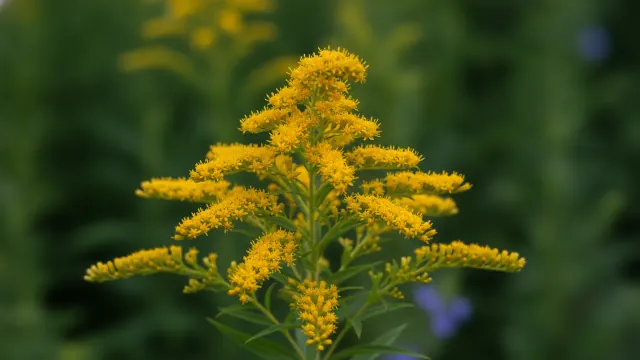
Goldenrod
Shares full sun and low water; blooms in late summer as this one finishes; both are strong pollinator plants, and they feed in different months; its seed heads stand through winter, for structure and the birds.

Perennial Sunflower
Shares full sun and low to moderate water; blooms in late summer as this one finishes; stands well above at 5 ft, a canopy to plant beneath; both are strong pollinator plants, and they feed in different months.
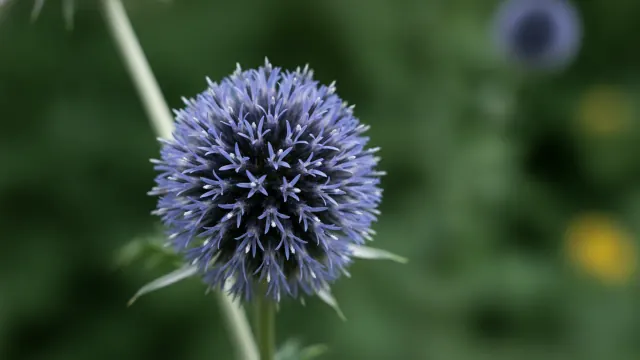
Globe Thistle
Shares full sun and low water; overlaps, then carries the display into late summer; stands well above at 3.5 ft, a canopy to plant beneath; both are strong pollinator plants.
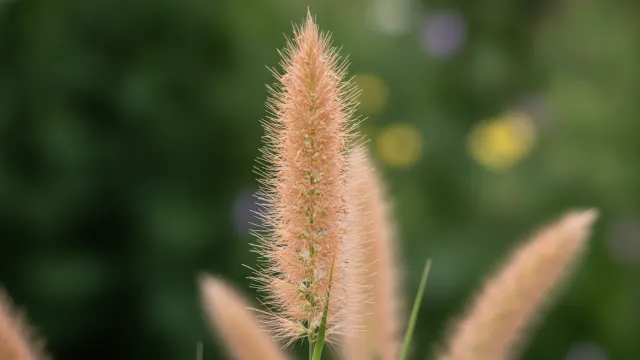
Switchgrass
Shares full sun and low water; blooms in late summer as this one finishes; stands well above at 5 ft, a canopy to plant beneath; both are strong pollinator plants, and they feed in different months.
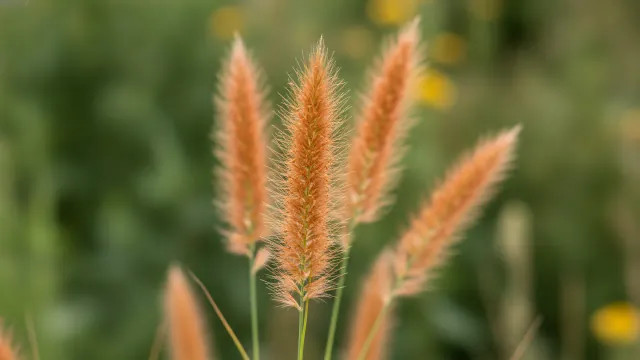
Little Bluestem
Shares full sun and low water; blooms in late summer as this one finishes; stands well above at 3.5 ft, a canopy to plant beneath; its seed heads stand through winter, for structure and the birds.
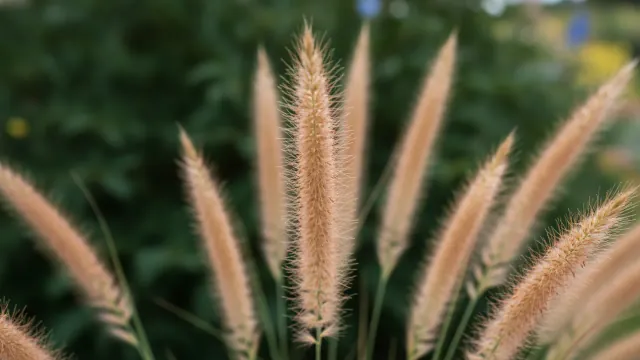
Fountain Grass
Shares full sun and low water; blooms in late summer as this one finishes; stands well above at 3.5 ft, a canopy to plant beneath; its seed heads stand through winter, for structure and the birds.
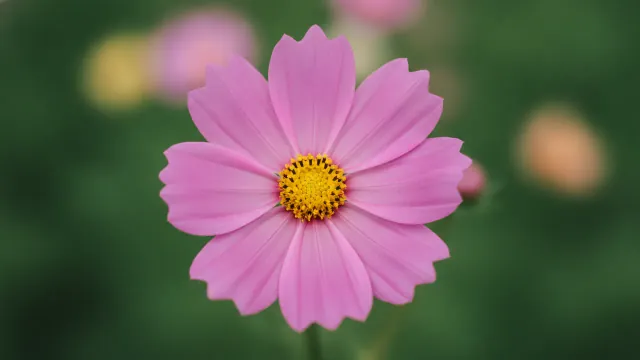
Cosmos
Shares full sun and low water; overlaps, then carries the display into mid fall; stands well above at 3.5 ft, a canopy to plant beneath; both are strong pollinator plants.
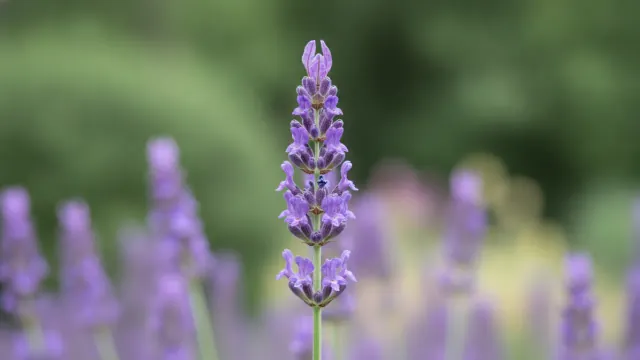
Lavender
Shares full sun and low water; overlaps, then carries the display into late summer; both are strong pollinator plants; evergreen, so the bed keeps its shape through winter.
Featured in these guides
Explore similar plants
You might also like
Design a garden with this
Drop this plant onto a 3D plan, see how it fills in, and watch your whole garden bloom across the year.