
 Illustration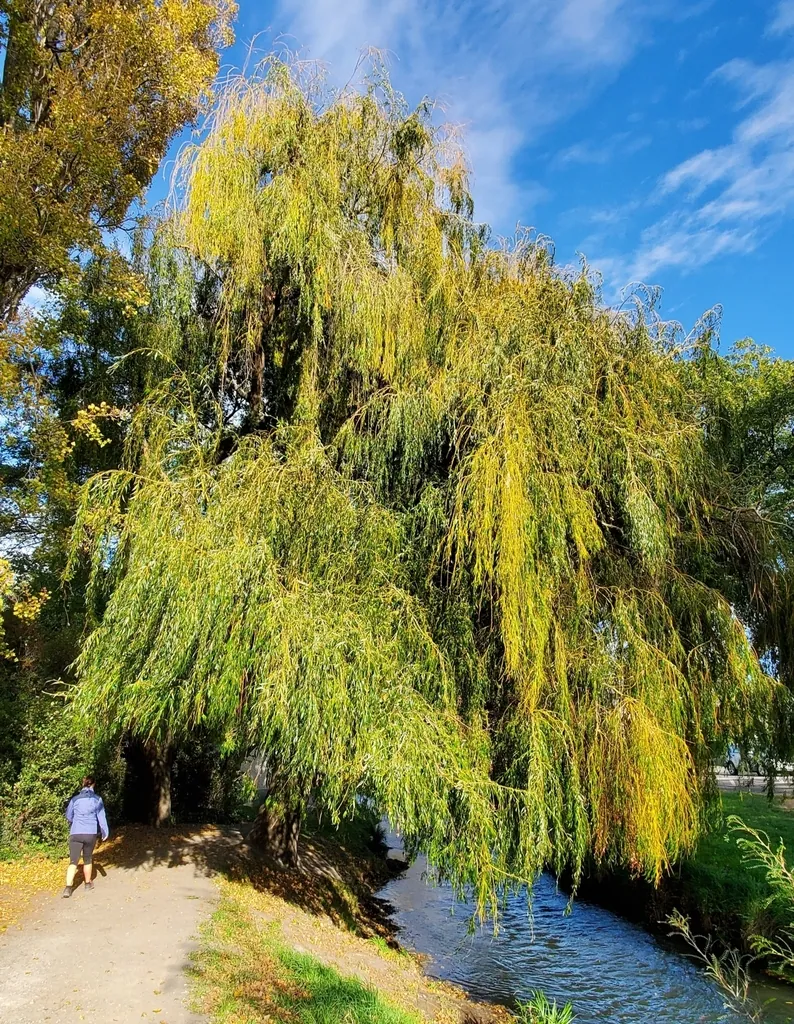
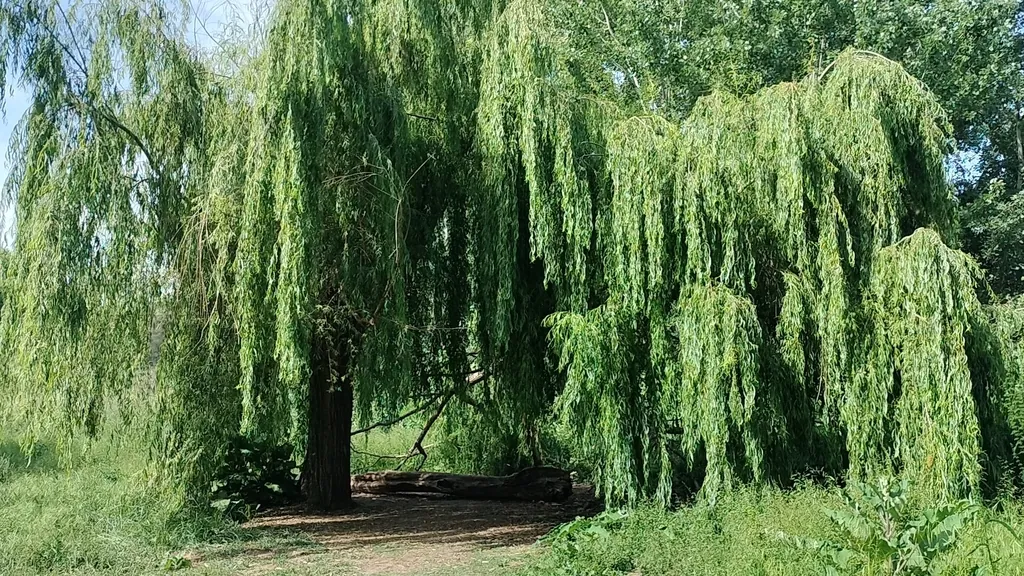
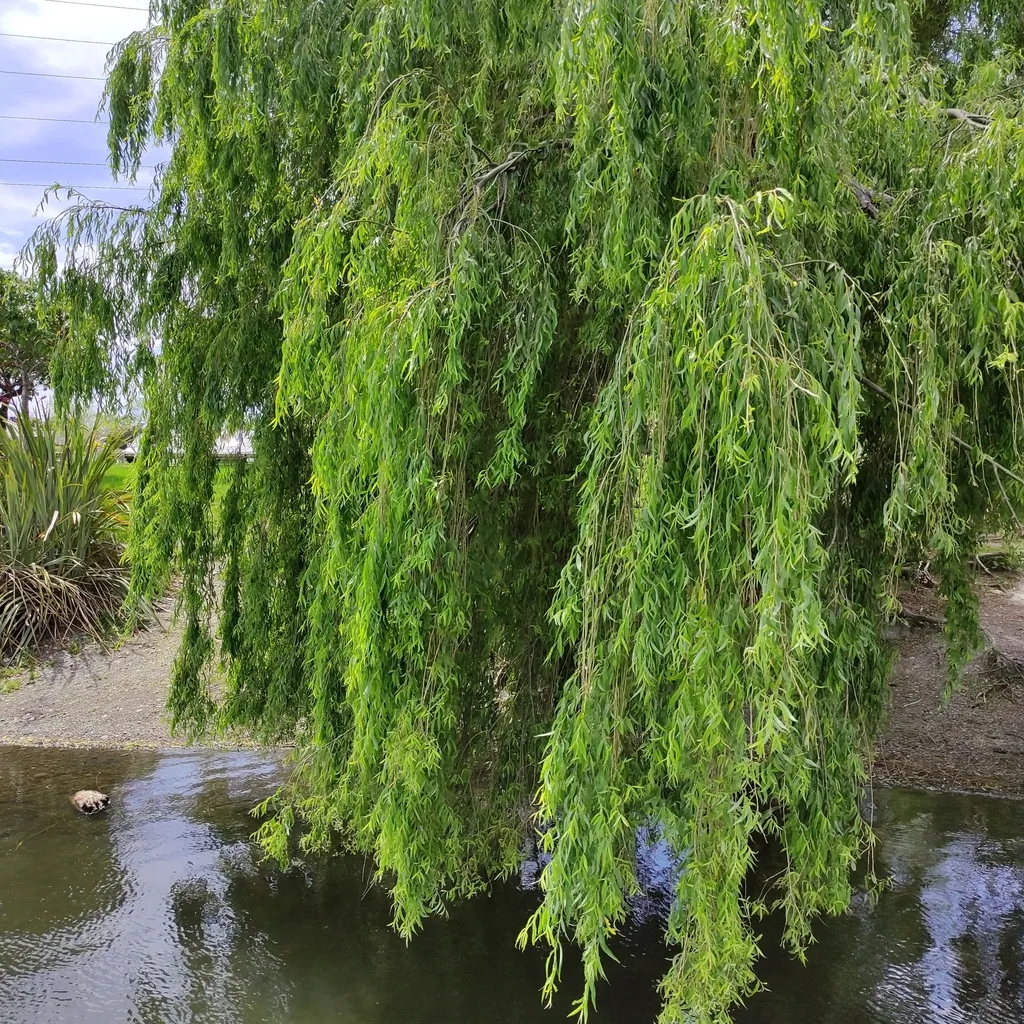

Photo credits and licenses
Real photographs from naturalists and photographers worldwide, each used under its own license. Credit: Photo by Wesley Webb / iNaturalist (CC BY), Photo by Nico Hernandez / iNaturalist (CC BY) and Photo by Jenny Saito / iNaturalist (CC BY). How photos are sourced →

Weeping Willow
Salix babylonica
Weeping Willow is grown for its foliage rather than flowers, giving the garden structure and color all season long.
Months here are Northern Hemisphere months; in the Southern Hemisphere, shift them by six months.
Growing Weeping Willow
Plant it in full sun. It prefers high water. It is hardy in USDA zones 4–9. Expect it to reach about 39 ft tall and 39 ft wide at maturity, in roughly 15 years (not yet checked).
No toxicity note is on file for Weeping Willow. That is not a clearance: check its safety for people and pets before planting.
What this means
Written with AI assistance and not yet checked plant by plant against recorded sources, so treat every fact above as a starting point. Its scientific name was checked against botanical registries, an audit keeps its values consistent with the rest of the library, and a July 2026 review re-read the main facts of every plant then in the library against horticultural authorities without recording a source for each, which is why none of that counts as checked here. The source-by-source check is working through the whole library in the open, and a checked plant says so in this row.
When to plant Weeping Willow
Plant Weeping Willow in early spring as soon as the soil is workable, or in early fall at least six weeks before your first frost, so roots establish in cool weather. In zone 6, the middle of its hardy zones 4 to 9, spring means March to May and fall means August or September.
Month-by-month timing for your zone is on the planting calendar; if you garden near zone 6, the middle of this plant's hardy range, start with zone 6 in March. Derived from the plant's category, zones and bloom months plus typical zone frost dates, not checked separately.
How big does Weeping Willow get?
 39 fttall5 ft 7 inan adult39 ftwide
See Weeping Willow in a garden plan: the planner shows it in 3D beside everything else you add, growing toward this size over the years.
How far apart to plant Weeping Willow
Derived from the mature spread above by a fixed rule, not checked separately: spacing is the spread, center to center.
Give Weeping Willow about 39 ft of clear ground in every direction, measured from its center. It is one plant with room around it, not a row, and a raised bed is too small for it.
Add Weeping Willow to a garden plan and the planner draws it at its full width, so you see the spacing before you buy.
Good to know about Weeping Willow
Curated from university extensions, botanic gardens and other primary sources, with the source named on every note. A note reports what its source says; where that differs from a fact above, the fact above is this entry's stored value, and its mark says whether it has been checked.
Worth knowing
Willow bark contains salicin, which the body turns into salicylic acid, the aspirin precursor. That anti-inflammatory chemistry is why willow bark has such a long medicinal history. per PubMed Central
Sources split on cold-hardiness
Sources split hard: NC State lists zones 6a to 8b, Florida IFAS lists 2 through 9A. The true species is frost-sensitive, so in cold regions plant a hardy hybrid. per NC State and Florida IFAS
Aggressive, pipe-seeking roots
Shallow roots spread about three times the trunk-to-canopy distance, lift sidewalks, and invade water and sewer pipes. Never plant near a house, drive, or utilities. per NC State and Florida IFAS
Weak, storm-prone wood
Fast growth makes weak, brittle wood that cracks at the crotch or in the limb. It sheds and splits under wind, snow, and ice. Prune young for structure. per NC State and Florida IFAS
Willow blight can kill
Willow blight (scab plus black canker) is the headline disease: it defoliates the tree, kills twigs, and can be fatal. The fungi overwinter in wood, so control is hard. per Illinois and Cornell
Site it by water
Its love of wet ground turns liabilities into assets: plant it beside a pond, in a low wet spot, or a rain garden, not on a tidy lawn. per NC State and Florida IFAS
What pairs well with Weeping Willow
Good companions share its growing conditions and add something it lacks: an earlier or later bloom, a lower carpet in front, or structure through winter.
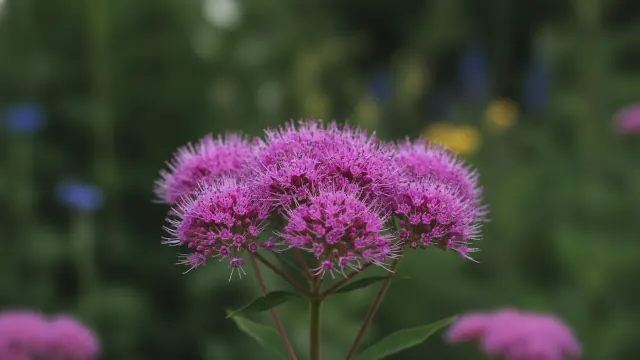
Joe Pye Weed
Shares full sun and high water; its seed heads stand through winter, for structure and the birds; low at 6 ft, to carpet the ground beneath it.

Perennial Sunflower
Shares full sun and moderate to high water; its seed heads stand through winter, for structure and the birds; low at 5 ft, to carpet the ground beneath it.
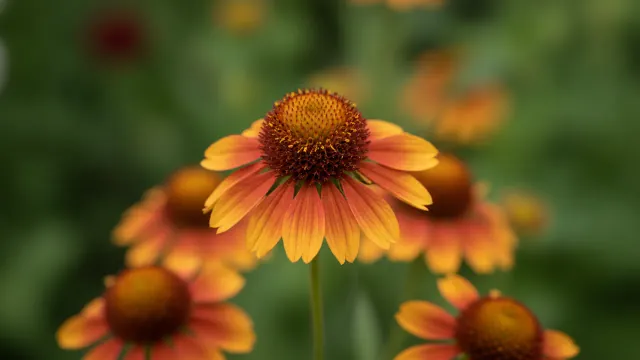
Sneezeweed
Shares full sun and moderate to high water; its seed heads stand through winter, for structure and the birds.
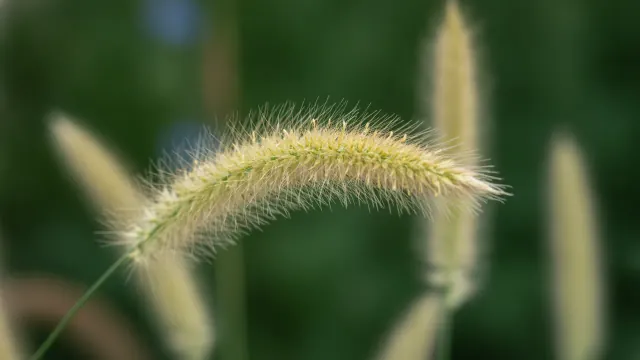
Feather Reed Grass
Shares full sun and moderate to high water; its seed heads stand through winter, for structure and the birds; low at 5 ft, to carpet the ground beneath it.
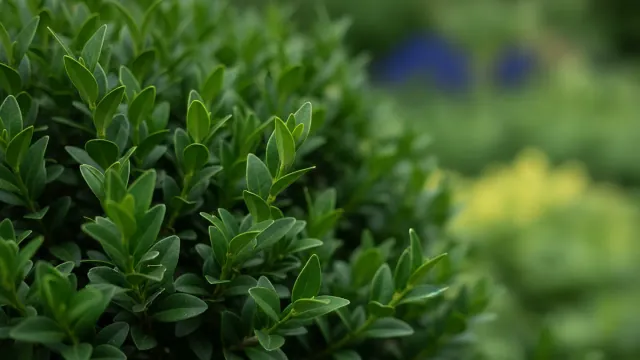
Boxwood
Shares full sun and moderate to high water; evergreen, so the bed keeps its shape through winter.
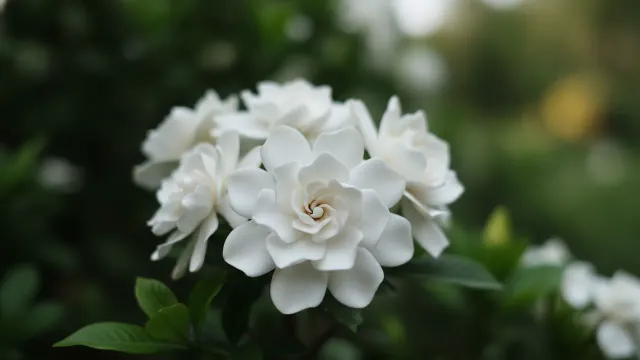
Gardenia
Takes full sun to part sun and high water; evergreen, so the bed keeps its shape through winter; they only overlap in zones 8 to 9.
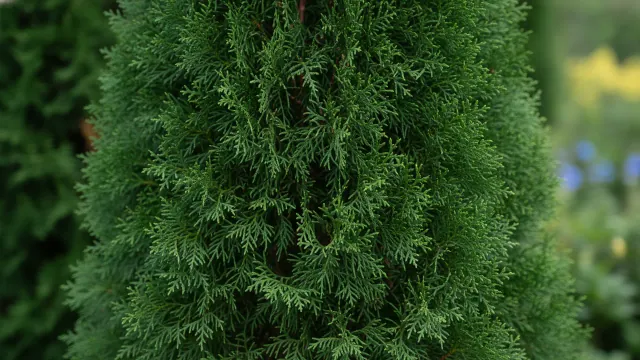
Arborvitae
Shares full sun and moderate to high water; evergreen, so the bed keeps its shape through winter.
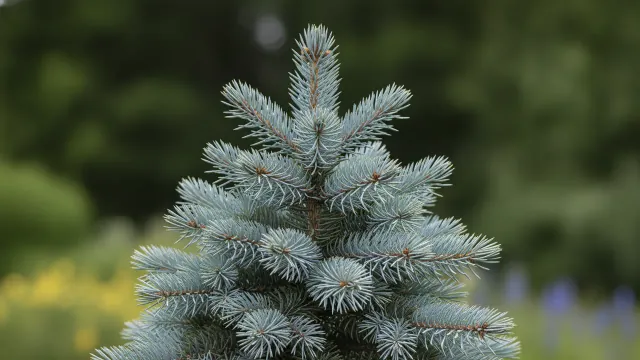
Colorado Blue Spruce
Shares full sun and moderate to high water; evergreen, so the bed keeps its shape through winter.
Explore similar plants
You might also like
Design a garden with this
Drop this plant onto a 3D plan, see how it fills in, and watch your whole garden bloom across the year.