
 Illustration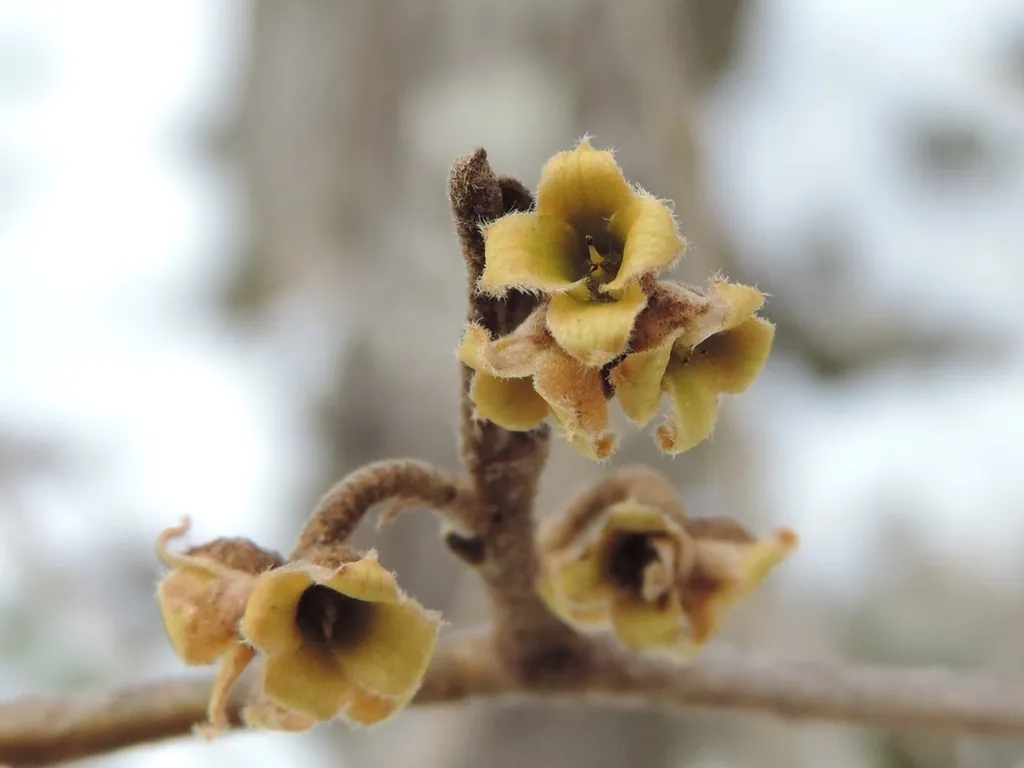
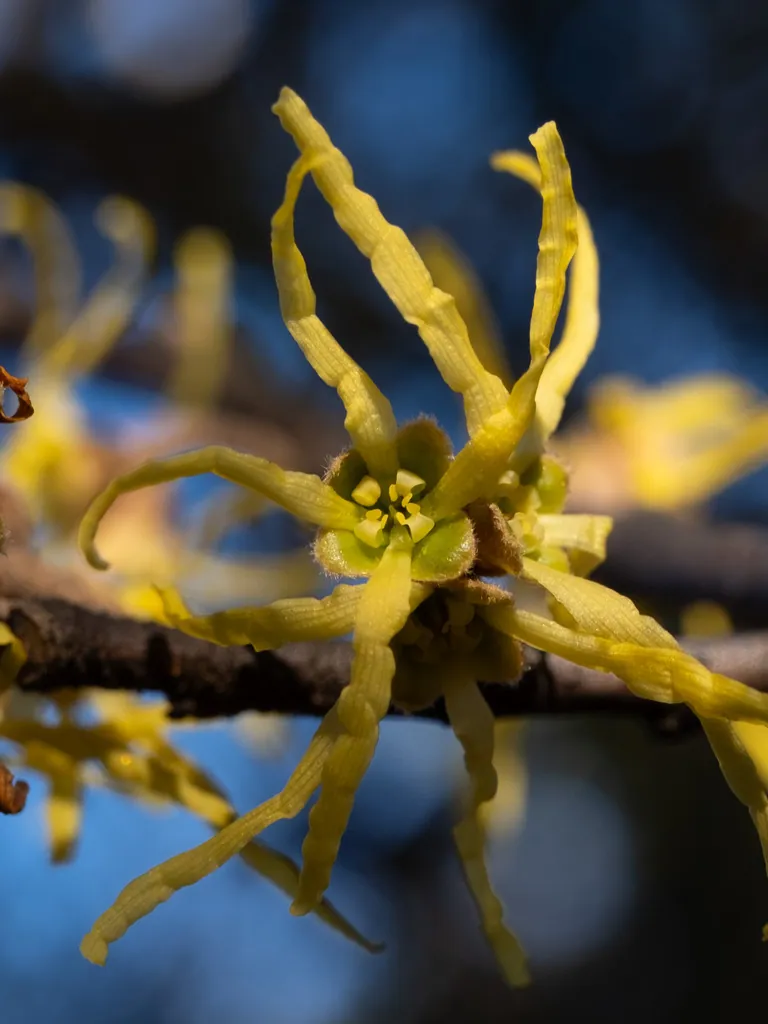
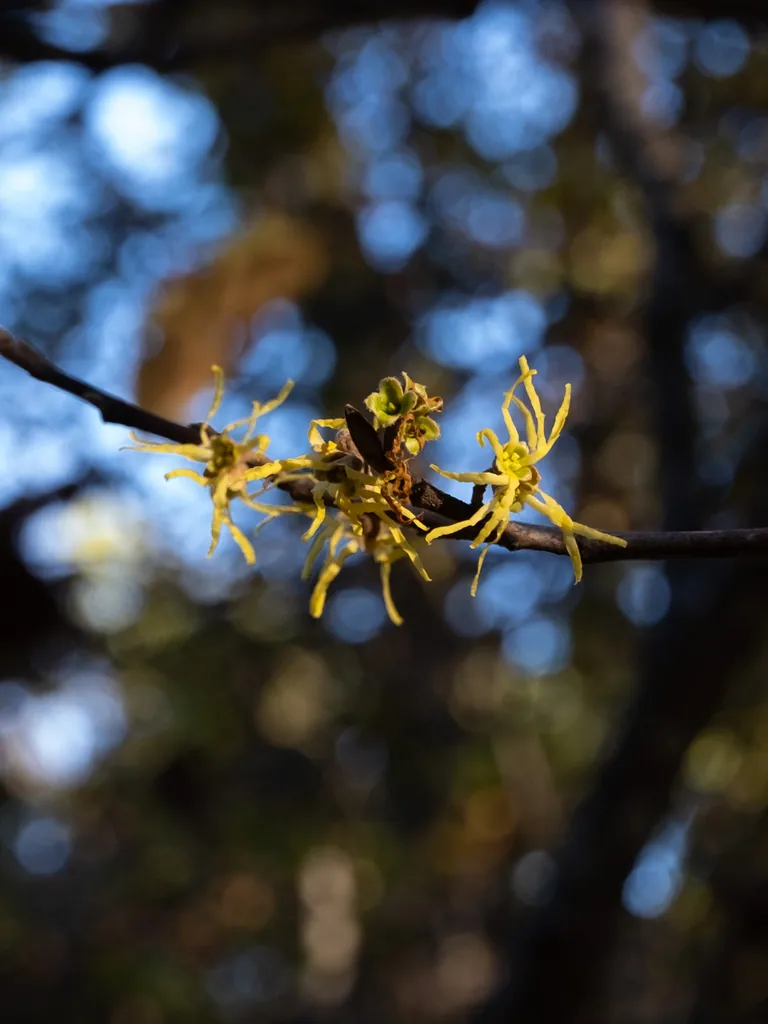

Photo credits and licenses
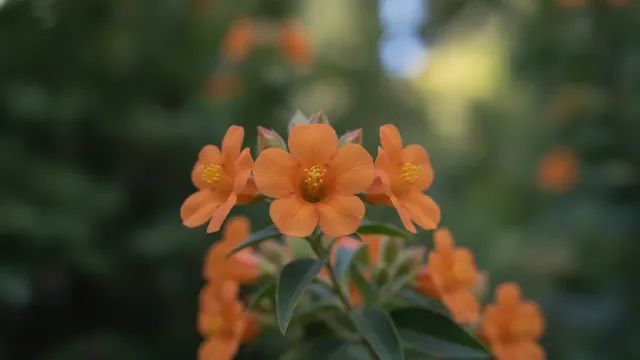
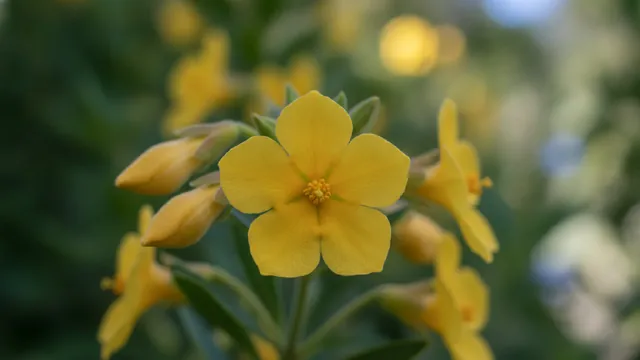
Real photographs from naturalists and photographers worldwide, each used under its own license. Credit: Photo by brownwaspmantidfly / iNaturalist (CC BY), Photo by Alex Abair / iNaturalist (CC BY) and Photo by Alex Abair / iNaturalist (CC BY). How photos are sourced →

Witch Hazel
Hamamelis
Witch Hazel blooms from February through March.
Months here are Northern Hemisphere months; in the Southern Hemisphere, shift them by six months.
Growing Witch Hazel
Plant it in part sun. It prefers moderate water. It is hardy in USDA zones 3–8. Expect it to reach about 10 ft tall and 10 ft wide at maturity, in roughly 6 years (not yet checked).
No toxicity note is on file for Witch Hazel. That is not a clearance: check its safety for people and pets before planting.
What was checked
Mature height and spread, hardiness zones, sun and the trait tags were checked against named botanical sources for this plant. The bloom months and water need on this page were not, and each fact above says which. The planting, spacing and size sections are derived from these checked facts by a fixed rule, not checked separately, and the plant type is the library's own classification.
When to plant Witch Hazel
Plant Witch Hazel in early spring as soon as the soil is workable, or in early fall at least six weeks before your first frost, so roots establish in cool weather. In zone 5, the middle of its hardy zones 3 to 8, spring means April to June and fall means August or September. Once settled, it blooms from February to March.
Month-by-month timing for your zone is on the planting calendar; if you garden near zone 5, the middle of this plant's hardy range, start with zone 5 in April. Derived from the plant's category, zones and bloom months plus typical zone frost dates, not checked separately.
How big does Witch Hazel get?
 10 fttall5 ft 7 inan adult10 ftwide
See Witch Hazel in a garden plan: the planner shows it in 3D beside everything else you add, growing toward this size over the years.
How far apart to plant Witch Hazel
Derived from the mature spread above by a fixed rule, not checked separately: spacing is the spread, center to center.
Give Witch Hazel about 10 ft of clear ground in every direction, measured from its center. It is one plant with room around it, not a row, and a raised bed is too small for it.
Add Witch Hazel to a garden plan and the planner draws it at its full width, so you see the spacing before you buy.
Where these facts come from
Witch Hazel's height, spread, hardiness zones, sun and trait tags were checked against 13 published sources on July 30, 2026. Each one is linked below with every fact it carried, which can include a fact this page still marks as not yet checked, because a source carrying a value is not the same as the value being held to the standard. Facts not in that list, and the planting, spacing and size sections, are not covered by these sources.
- NC State ExtensionHamamelis virginianaheight, spread, hardiness zones, sun, years to mature size and trait tags
- NC State ExtensionHamamelis vernalisheight, spread, hardiness zones, sun, years to mature size and trait tags
- NC State ExtensionHamamelis mollisheight, spread, hardiness zones, sun, years to mature size and trait tags
- NC State ExtensionHamamelis x intermediaheight, spread, hardiness zones, sun, years to mature size and trait tags
- Missouri Botanical GardenHamamelis virginianaheight, spread, hardiness zones, sun and trait tags
- Missouri Botanical GardenHamamelis vernalisheight, spread, hardiness zones, sun and trait tags
- Missouri Botanical GardenHamamelis mollisheight, spread, hardiness zones, sun and trait tags
- Missouri Botanical GardenHamamelis japonicaheight, spread, hardiness zones, sun and trait tags
- trees.umn.eduUniversity of Minnesota UFOR Nursery & Lab, Witch Hazel - Hamamelis vi...height, spread, hardiness zones, sun and trait tags
- Iowa State University Extensionand Outreach Yard and Garden, All About Witch Hazelsheight, spread, sun and trait tags
- Clemson Home and Garden Information CenterHGIC 1091sun, years to mature size and trait tags
- Penn State ExtensionMaster Gardeners of Adams County, Witch Hazel - A Bright Spot in the W...height, sun and trait tags
- Chicago Botanic GardenSmart Gardener, Which witch hazel should be in your yard?height and sun
How the checking works, and what each standard covers, is on the verified plants page.
Comes in 5 varieties across 3 colors
Same genus, similar care - pick the color you are growing.
Compare every variety in the Witch Hazel group
Every figure is the variety's own page fact. Tap a name to open it.
| Variety | Color | Blooms | Hardiness | Sun | Size (H × W) |
|---|---|---|---|---|---|
| Arnold Promise | Yellow | Feb–Mar | Zones 5–8 | Part sun | 11 ft × 10 ft |
| Diane | Red | Jan–Mar | Zones 5–8 | Part sun | 10 ft × 10 ft |
| Jelena | Orange | Jan–Mar | Zones 5–8 | Part sun | 10 ft × 10 ft |
| Ozark | Yellow | Jan–Mar | Zones 4–8 | Part sun | 8 ft × 8 ft |
| Pallida | Yellow | Jan–Mar | Zones 5–8 | Part sun | 10 ft × 10 ft |
| Witchthis page | Yellow | Feb–Mar | Zones 3–8 | Part sun | 10 ft × 10 ft |
Good to know about Witch Hazel
Curated from university extensions, botanic gardens and other primary sources, with the source named on every note. A note reports what its source says; where that differs from a fact above, the fact above is this entry's stored value, and its mark says whether it has been checked.
Worth knowing
This is the source of the drugstore astringent: distillate from the bark, leaves and twigs of H. virginiana, an FDA-regulated over-the-counter product for external use. per Clemson and USDA
Bloom time splits by species
The native H. virginiana blooms in late fall (October to December); the vernal and Asian hybrids bloom in late winter (January to March). Pick for the season you want. per NC State and Clemson
Soil pH is flexible
NC State and Minnesota call for acidic soil, but Iowa State finds it tolerates slightly alkaline ground. Treat pH as a preference, not a hard requirement. per NC State and Iowa State
Cosmetic gall aphids
Cone and spiny leaf galls from gall aphids look odd but do no real harm, and need no spraying. The aphids alternate between witch hazel and birch. per NC State and University of Maryland
Pollinated by cold-active moths
The native's late-fall flowers open when almost no insects fly, and are pollinated by owlet moths that stay active in the cold, an off-season resource. per NC State
Deer-resistant, but fruit is eaten
Rated deer-resistant: browsers largely avoid the foliage. USDA notes, though, that white-tailed deer and other wildlife do eat the fruit and seed. per NC State and USDA
Ribbon petals, bright fall color
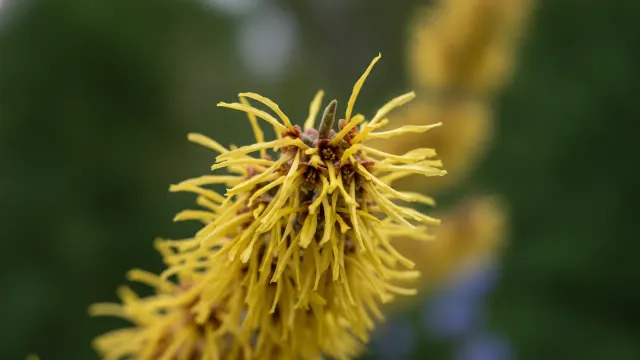
Flowers have four narrow, crinkled ribbon-shaped petals, lightly fragrant, in yellow, cream, copper or red by cultivar. The foliage turns a clear bright yellow in fall. per NC State
What pairs well with Witch Hazel
Good companions share its growing conditions and add something it lacks: an earlier or later bloom, a lower carpet in front, or structure through winter.
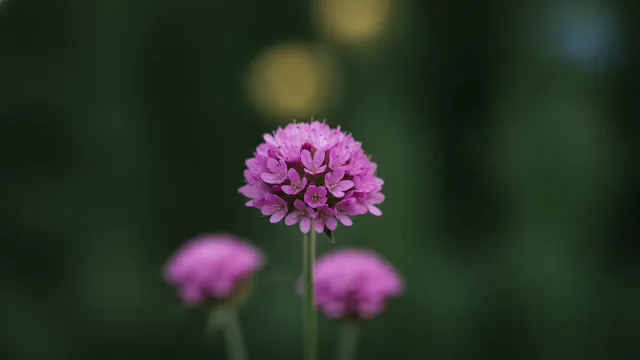
Sea Thrift
Takes full sun to part sun and low to moderate water; blooms in mid spring as this one finishes; low at 8 in, to carpet the ground beneath; evergreen, so the bed keeps its shape through winter.

Aster
Takes full sun to part sun and moderate water; blooms in early fall, before this one opens; both offer pollinator forage, in different months; its seed heads stand through winter, for structure and the birds.
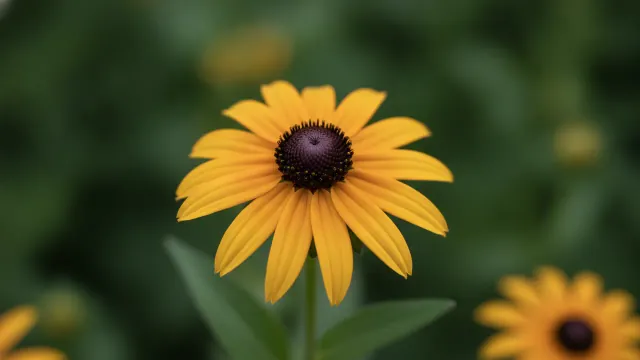
Black-Eyed Susan
Takes full sun to part sun and low to moderate water; blooms in midsummer, extending the bed's season; both offer pollinator forage, in different months; its seed heads stand through winter, for structure and the birds.
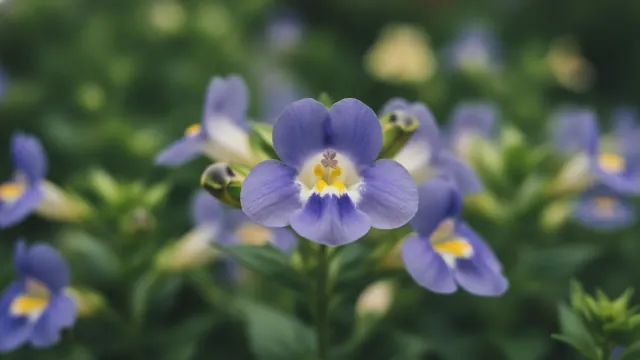
Wishbone Flower
Takes part sun to part shade and moderate water; blooms in early summer, extending the bed's season; low at 10 in, to carpet the ground beneath; both offer pollinator forage, in different months.
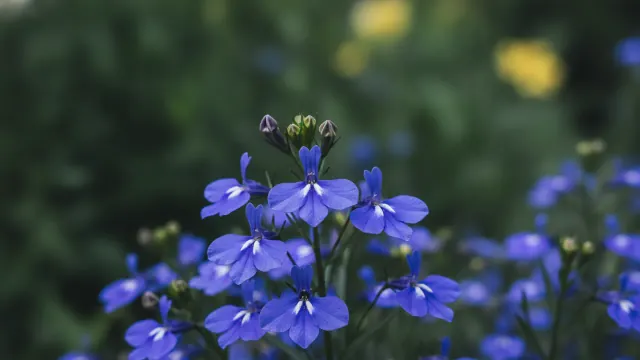
Lobelia
Shares part sun and moderate water; blooms in late spring, extending the bed's season; low at 8 in, to carpet the ground beneath; both offer pollinator forage, in different months.
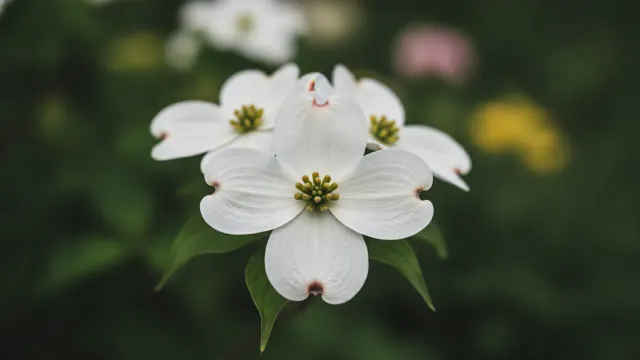
Flowering Dogwood
Takes part sun to part shade and moderate water; blooms in mid spring as this one finishes; both offer pollinator forage, in different months; taller at 23 ft, for the layer behind it.
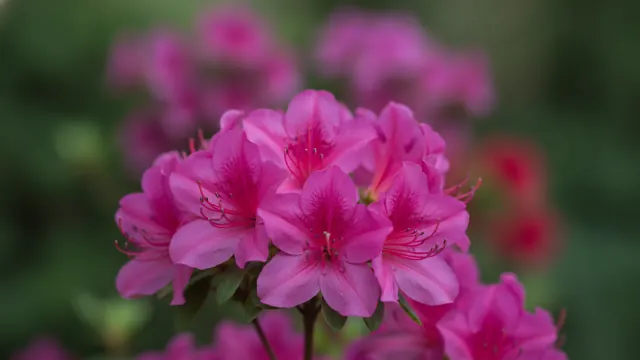
Azalea
Takes part sun to part shade and moderate water; blooms in mid spring as this one finishes; both offer pollinator forage, in different months; evergreen, so the bed keeps its shape through winter.
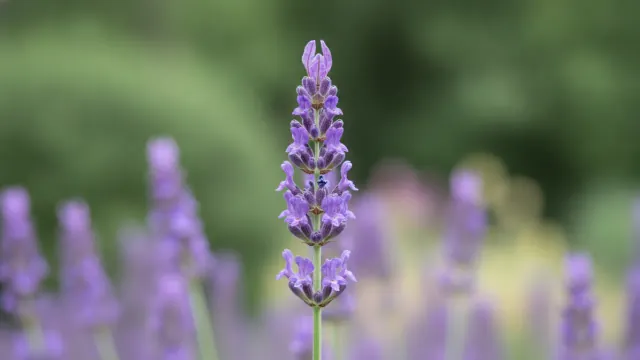
Lavender
Takes full sun to part sun and low to moderate water; blooms in early summer, extending the bed's season; both offer pollinator forage, in different months; evergreen, so the bed keeps its shape through winter.
Explore similar plants
You might also like
Design a garden with this
Drop this plant onto a 3D plan, see how it fills in, and watch your whole garden bloom across the year.