
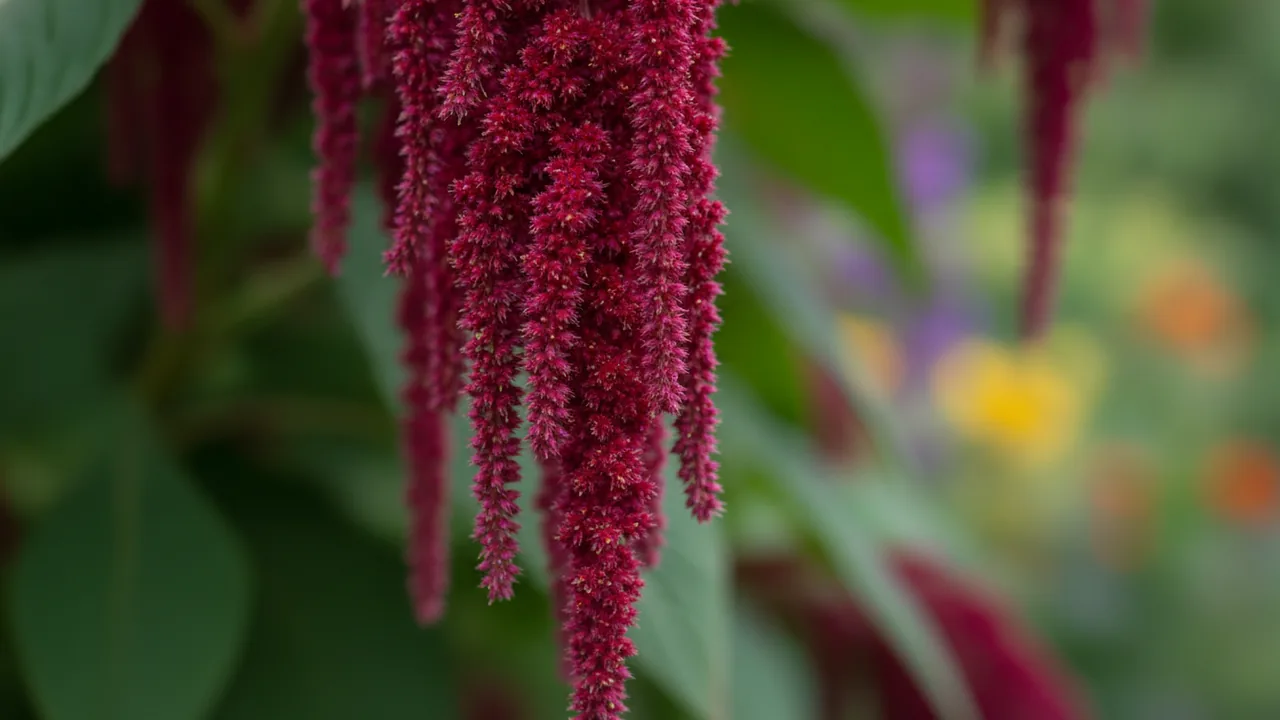
 Illustration

Love-Lies-Bleeding
Amaranthus caudatus
Love-Lies-Bleeding blooms from July through October.
Months here are Northern Hemisphere months; in the Southern Hemisphere, shift them by six months.
Growing Love-Lies-Bleeding
Plant it in full sun. It prefers moderate water. It is hardy in USDA zones 9–11. Expect it to reach about 3.5 ft tall and 1.5 ft wide at maturity, in roughly 1 year (a house reading).
What was checked
Fifteen fields were checked against named botanical sources, each recorded beside the sources that carried it, with every unsettled point written down and decided: mature height and spread, hardiness zones, sun, water, bloom months and color, the trait tags, soil, diseases, pests, toxicity, the plant's own names, and years to mature size, which rests on a recorded house rule where no publisher states one and is marked so. Each fact above carries its own mark. The planting, spacing and size sections are derived from these checked facts by a fixed rule, not checked separately, and the plant type is the library's own classification.
When to plant Love-Lies-Bleeding
Wait until all danger of frost has passed, then plant out Love-Lies-Bleeding into warm soil; in most zones that means late spring. Planted then, it flowers from July to October.
Month-by-month timing for your zone is on the planting calendar; if you garden near zone 9, the middle of this plant's hardy range, start with zone 9 in February. Derived from the plant's category, zones and bloom months plus typical zone frost dates, not checked separately.
How big does Love-Lies-Bleeding get?
 3.5 fttall5 ft 7 inan adult1.5 ftwide
See Love-Lies-Bleeding in a garden plan: the planner shows it in 3D beside everything else you add, growing toward this size over the years.
How far apart to plant Love-Lies-Bleeding
Derived from the mature spread above by a fixed rule, not checked separately: spacing is the spread, center to center.
Space Love-Lies-Bleeding about 1.5 ft apart, center to center, so each plant has room to reach its full width.
Add Love-Lies-Bleeding to a garden plan and the planner draws it at its full width, so you see the spacing before you buy.
Where these facts come from
Love-Lies-Bleeding's height, spread, hardiness zones, sun, water, bloom months and color, trait tags, soil, diseases, pests and toxicity were checked against 15 published sources on August 23, 2026. Each one is linked below with every fact it carried, which can include a fact this page still marks as not yet checked, because a source carrying a value is not the same as the value being held to the standard. Facts not in that list, and the planting, spacing and size sections, are not covered by these sources.
- Missouri Botanical GardenPlant Finderheight, spread, hardiness zones, sun, water, bloom months and color, trait tags, soil, diseases, pests and toxicity
- NC State ExtensionPlant Toolboxheight, spread, hardiness zones, sun, water, bloom months and color, trait tags, soil, diseases, pests and toxicity
- Plants For A Futureheight, spread, hardiness zones, sun, water, bloom months and color, trait tags, soil and toxicity
- RHSRoyal Horticultural Societyheight, spread, sun, water, bloom months and color, trait tags, soil, diseases and pests
- Johnny's Selected Seedsheight, hardiness zones, sun, bloom months and color, trait tags and soil
- Swallowtail Garden Seedsheight, sun, water, bloom months and color, trait tags and soil
- Chicago Botanic GardenPlant Finderhardiness zones, sun, water, bloom months and color and trait tags
- Missouri Botanical Gardenheight, spread, hardiness zones, sun and trait tags
- edenbrothers.comEden Brothersheight, hardiness zones, sun and trait tags
- botanicalinterests.comBotanical Interestsheight, sun and trait tags
- Chicago Botanic GardenPlant Finderhardiness zones, sun and trait tags
- territorialseed.comTerritorial Seed Companyheight, sun and trait tags
- University of Illinois Extensiontrait tags and soil
- ASPCAAnimal Poison Control, Toxic and Non-Toxic Plantstoxicity
- trueleafmarket.comTrue Leaf Markettrait tags
How the checking works, and what each standard covers, is on the verified plants page.
4 more colors in the Amaranth group
Same genus, similar care - pick the one you are growing.
Compare every variety in the Amaranth group
Every figure is the variety's own page fact. Tap a name to open it.
| Variety | Color | Blooms | Hardiness | Sun | Size (H × W) |
|---|---|---|---|---|---|
| Coral Fountain | Pink | Jul–Oct | Zones 9–11 | Full sun | 3.5 ft × 1.5 ft |
| Dreadlocks | Red | Jul–Sep | Zones 9–11 | Full sun | 3.5 ft × 1.5 ft |
| Emerald Tassels | - | Jul–Oct | Zones 9–11 | Full sun | 3.5 ft × 1.5 ft |
| Hot Biscuits | Orange | Jul–Sep | Zones 9–11 | Full sun | 4 ft × 1.5 ft |
| Love-Lies-Bleedingthis page | Red | Jul–Oct | Zones 9–11 | Full sun | 3.5 ft × 1.5 ft |
Good to know about Love-Lies-Bleeding
Curated from university extensions, botanic gardens and other primary sources, with the source named on every note. A note reports what its source says; where that differs from a fact above, the fact above is this entry's stored value, and its mark says whether it has been checked.
Safety
Non-toxic to pets, but grazing livestock is the exception: heavy eating of the leaves accumulates nitrate and can cause kidney failure in cattle, sheep, and pigs. per ASPCA and University of Arizona
Worth knowing
It's a genuine grain crop, not just an ornamental: the seeds run about 12 to 17 percent protein and are rich in lysine, which cereal grains lack. per NC State
Lean soil beats rich
Go easy on nitrogen: rich soil pushes leaves over tassels and raises nitrate, so lean, well-drained soil both improves the display and lowers the nitrate risk. per NC State
Drought-tough but hates wet soil
Drought- and heat-tolerant once established, but its main diseases (root rot, Phytophthora) are all wet-soil problems, so sharp drainage is the single best cultural lever. per NC State
Self-sows freely
It reseeds prolifically and will self-sow where happy; collect seed to resow deliberately. Hard winters limit how many volunteers survive. per University of Illinois
Birds eat the seed
Mostly wind-pollinated with little nectar for bees, though it draws some beetles and butterflies; the abundant seed is real forage for birds. per NC State and Missouri Botanical
What pairs well with Love-Lies-Bleeding
Good companions share its growing conditions and add something it lacks: an earlier or later bloom, a lower carpet in front, or structure through winter.
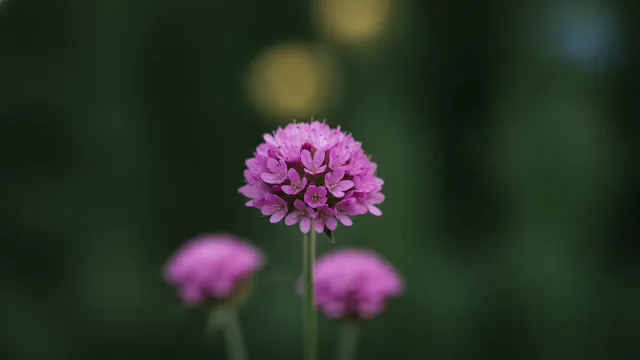
Sea Thrift
Shares full sun and low to moderate water; blooms in mid spring, before this one opens; lower at 8 in, for the front of the border; both offer pollinator forage, in different months.
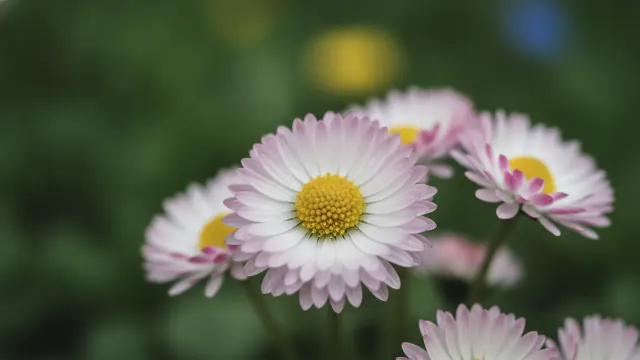
English Daisy
Shares full sun and moderate water; blooms in mid spring, before this one opens; low at 6 in, to carpet the ground beneath; both offer pollinator forage, in different months.
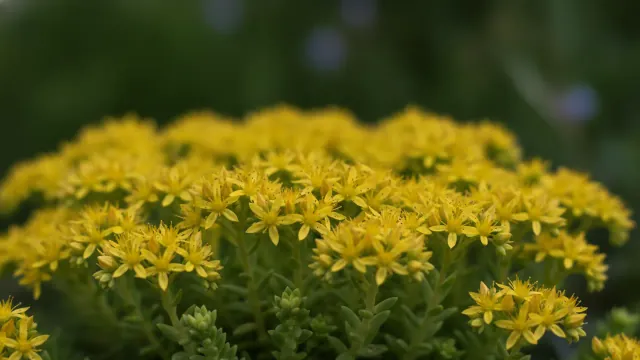
Creeping Sedum
Shares full sun and low to moderate water; low at 4 in, to carpet the ground beneath; opens in early summer and overlaps into this one's season; both are strong pollinator plants.
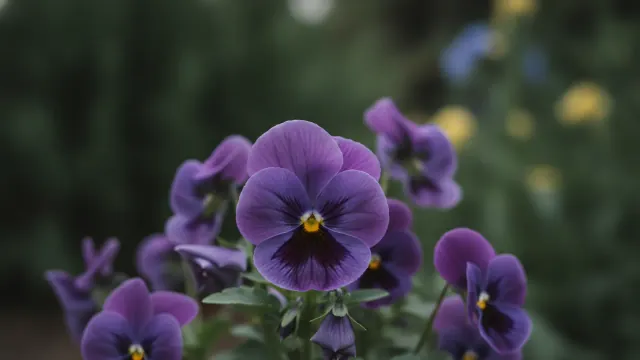
Pansy
Takes full sun to part sun and moderate water; blooms in early spring, before this one opens; lower at 8 in, for the front of the border; both offer pollinator forage, in different months.
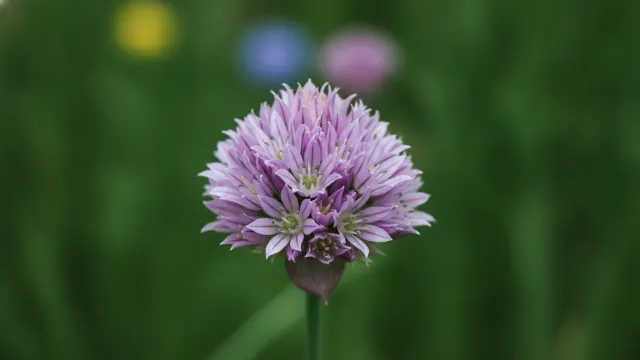
Chives
Shares full sun and moderate water; blooms in late spring, before this one opens; both are strong pollinator plants, and they feed in different months; lower at 12 in, for the front of the border.
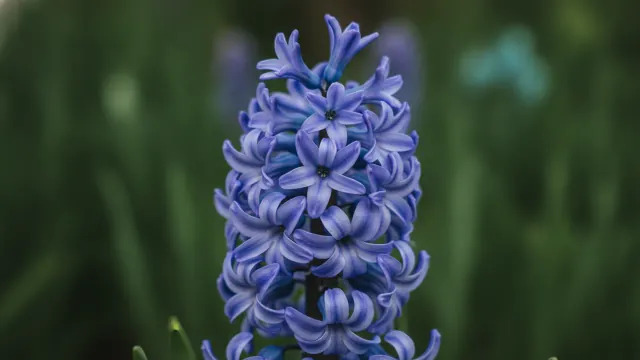
Hyacinth
Shares full sun and moderate water; blooms in early spring, before this one opens; lower at 10 in, for the front of the border; both offer pollinator forage, in different months.
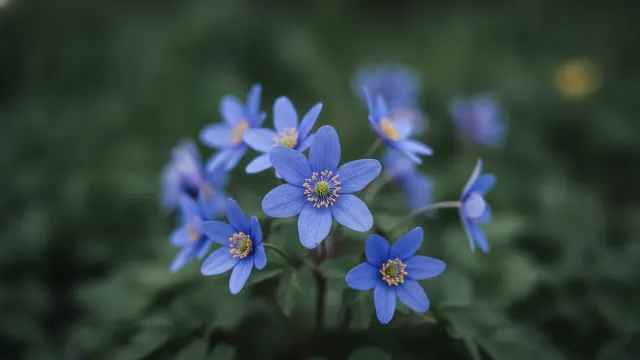
Windflower
Takes full sun to part sun and moderate water; blooms in early spring, before this one opens; low at 6 in, to carpet the ground beneath; both are strong pollinator plants, and they feed in different months.
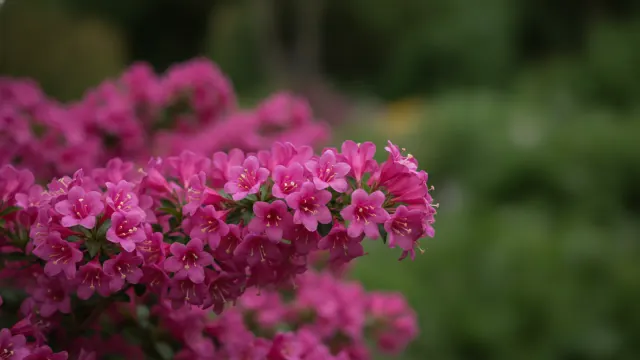
Weigela
Shares full sun and moderate water; blooms in late spring, before this one opens; both are strong pollinator plants, and they feed in different months; pink sits close to red on the wheel.
All 8 companion pairings for Love-Lies-Bleeding →
Try Love-Lies-Bleeding with its top companions in a garden →
Explore similar plants
You might also like

Design a garden with this
Drop this plant onto a 3D plan, see how it fills in, and watch your whole garden bloom across the year.