
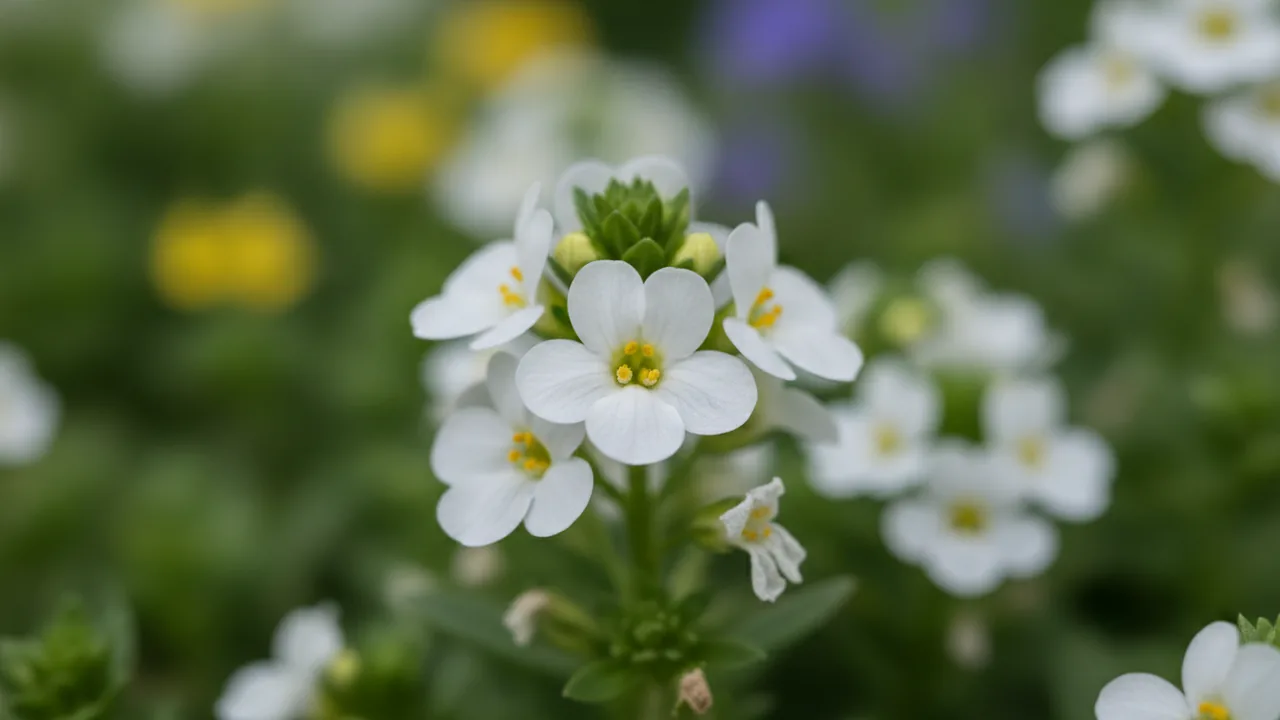
 Illustration

Bacopa
Chaenostoma cordatum
Bacopa blooms from May through October.
Months here are Northern Hemisphere months; in the Southern Hemisphere, shift them by six months.
Growing Bacopa
Plant it in part sun. It prefers moderate water. It is hardy in USDA zones 9–11. Expect it to reach about 6 in tall and 20 in wide at maturity, in roughly 1 year (not yet checked).
No toxicity note is on file for Bacopa. That is not a clearance: check its safety for people and pets before planting.
What was checked
Fifteen fields were checked against named botanical sources, each recorded beside the sources that carried it, with every unsettled point written down and decided: mature height and spread, hardiness zones, sun, water, bloom months and color, the trait tags, soil, diseases, pests, toxicity, the plant's own names, and years to mature size, which rests on a recorded house rule where no publisher states one and is marked so. Each fact above carries its own mark. The planting, spacing and size sections are derived from these checked facts by a fixed rule, not checked separately, and the plant type is the library's own classification.
When to plant Bacopa
Wait until all danger of frost has passed, then plant out Bacopa into warm soil; in most zones that means late spring. Planted then, it flowers from May to October.
Month-by-month timing for your zone is on the planting calendar; if you garden near zone 9, the middle of this plant's hardy range, start with zone 9 in February. Derived from the plant's category, zones and bloom months plus typical zone frost dates, not checked separately.
How big does Bacopa get?
 6 intall5 ft 7 inan adult20 inwide
See Bacopa in a garden plan: the planner shows it in 3D beside everything else you add, growing toward this size over the years.
How far apart to plant Bacopa
Derived from the mature spread above by a fixed rule, not checked separately: spacing is the spread, center to center.
Space Bacopa about 20 in apart, center to center, so each plant has room to reach its full width.
Add Bacopa to a garden plan and the planner draws it at its full width, so you see the spacing before you buy.
Where these facts come from
Bacopa's height, spread, hardiness zones, sun, water, bloom months and color, trait tags, soil, diseases, pests and toxicity were checked against 17 published sources on September 13, 2026. Each one is linked below with every fact it carried, which can include a fact this page still marks as not yet checked, because a source carrying a value is not the same as the value being held to the standard. Facts not in that list, and the planting, spacing and size sections, are not covered by these sources.
- NC State ExtensionPlant Toolboxheight, spread, hardiness zones, sun, water, bloom months and color, trait tags, soil, diseases, pests and toxicity
- SANBI PlantZAfricaheight, spread, sun, water, bloom months and color, trait tags, soil, pests and toxicity
- Proven WinnersSnowstorm Giant Snowflake bacopaheight, spread, hardiness zones, sun, water, bloom months and color and trait tags
- University of Illinois ExtensionFlowersheight, sun, water, bloom months and color, trait tags and soil
- asu.eduArizona State University, Virtual Library of Phoenix Landscape Plantssun, water, bloom months and color, soil and diseases
- University of Illinois ExtensionHort Answersheight, sun, bloom months and color, diseases and pests
- Proven WinnersSnowstorm Blue bacopaheight, spread, hardiness zones, sun and trait tags
- pubs.ext.vt.eduVirginia Cooperative Extension, publication 426-211height, spread, sun and water
- Chicago Botanic GardenSutera cordata 'Balmecoblu'hardiness zones, sun and trait tags
- costafarms.comCosta Farms (grower)sun, water and toxicity
- danzigeronline.comDanziger (Scopia Gulliver series)height, spread and trait tags
- randomharvest.co.zaRandom Harvest Indigenous Nurseryheight, sun and trait tags
- RHSRoyal Horticultural Society (Chaenostoma cordatum 'Snowflake')height, spread and sun
- agsci.psu.eduPenn State Flower Trials 2017 (Sutera MegaCopa 'White')height and spread
- agsci.psu.eduPenn State Flower Trials 2019 (Sutera Snowstorm 'Blue')height and spread
- lucasgreenhouses.comLucas Greenhouses, Bacopa sutera cordata 'Snowstorm Giant Snowflake' (...bloom months and color
- ASPCAAnimal Poison Control, Toxic and Non-Toxic Plants List, looked up as '...toxicity
How the checking works, and what each standard covers, is on the verified plants page.
Comes in 3 colors
Same plant, same care - pick the color you are growing.
Compare every color in the Bacopa group
Every figure is the color's own page fact. Tap a name to open it.
| Name | Color | Blooms | Hardiness | Sun | Size (H × W) |
|---|---|---|---|---|---|
| Bacopathis page | White | May–Oct | Zones 9–11 | Part sun | 6 in × 20 in |
| Blue | Blue | May–Oct | Zones 9–11 | Part sun | 6 in × 20 in |
| Lavender | Purple | May–Oct | Zones 9–11 | Part sun | 6 in × 20 in |
| Pink | Pink | May–Oct | Zones 9–11 | Part sun | 6 in × 20 in |
Good to know about Bacopa
Curated from university extensions, botanic gardens and other primary sources, with the source named on every note. A note reports what its source says; where that differs from a fact above, the fact above is this entry's stored value, and its mark says whether it has been checked.
Worth knowing
Unlike most annuals, it won't wilt to warn you. Let the soil dry once and the flower buds dry up and drop, costing weeks of bloom. per Illinois
Best light varies by climate
Sources disagree: full sun gives the most bloom where summers are mild, but hot-summer regions do better with afternoon or part shade. Part sun is the safe middle. per NC State and Illinois
Not the same as brahmi
Ornamental bacopa is Chaenostoma cordatum, a South African trailing annual. It is completely unrelated to Bacopa monnieri (water hyssop, brahmi), the edible aquatic herb sharing the name. per NC State and SANBI
No deadheading needed
It is self-cleaning: a non-stop bloomer that sheds spent flowers on its own, so you never need to deadhead. An optional light shear mid-season refreshes a leggy plant. per NC State and Chicago Botanic
Keep tobacco away from it
It is susceptible to Tobacco Mosaic Virus, which spreads on contaminated hands, tools, and clothing (notably from tobacco users) rather than by insects. Buy healthy plants. per NC State and Penn State
Some value to pollinators
A nectar source over its long bloom season: SANBI reports bees pollinate it in its native range, and Chicago Botanic lists it as attracting birds and butterflies. per Chicago Botanic and SANBI
What pairs well with Bacopa
Good companions share its growing conditions and add something it lacks: an earlier or later bloom, a lower carpet in front, or structure through winter.
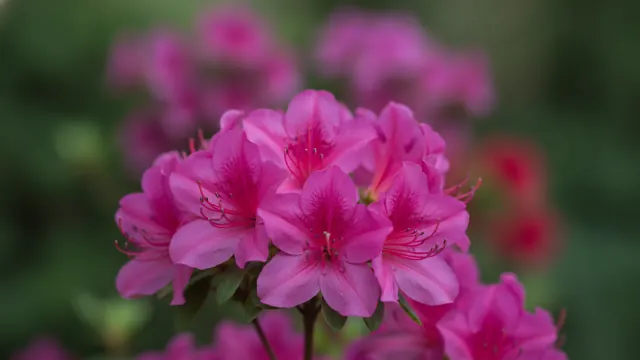
Azalea
Takes part sun to part shade and moderate water; opens in mid spring and overlaps into this one's season; stands well above at 4 ft, a canopy to plant beneath; evergreen, so the bed keeps its shape through winter.
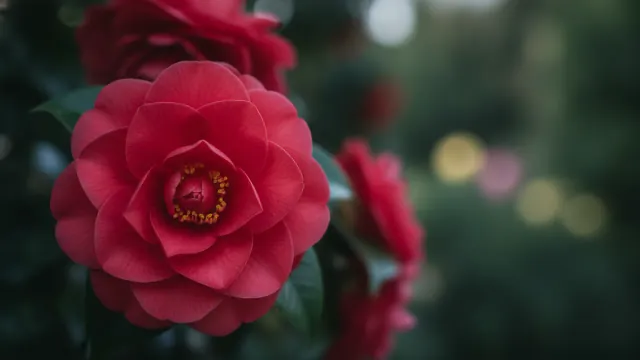
Camellia
Takes part sun to part shade and moderate water; blooms in midwinter, before this one opens; stands well above at 6.5 ft, a canopy to plant beneath; evergreen, so the bed keeps its shape through winter.
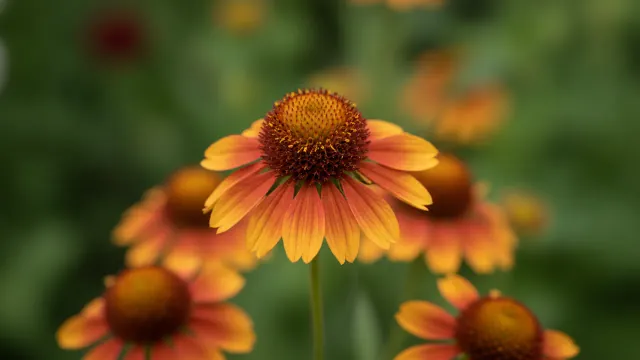
Sneezeweed
Takes full sun to part sun and moderate water; stands well above at 3.5 ft, a canopy to plant beneath; its seed heads stand through winter, for structure and the birds; a soft color beside the white.

Perennial Sunflower
Takes full sun to part sun and moderate water; stands well above at 5 ft, a canopy to plant beneath; its seed heads stand through winter, for structure and the birds; a soft color beside the white.
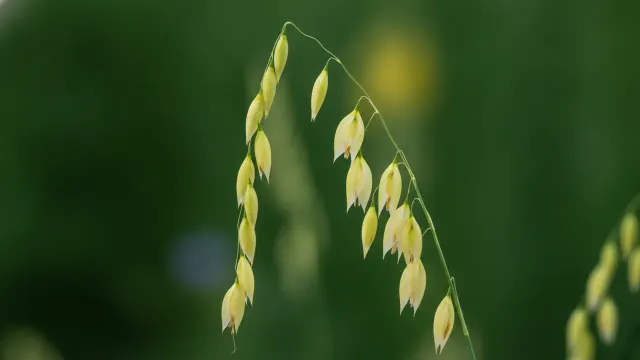
Northern Sea Oats
Takes part sun to part shade and moderate water; stands well above at 3.5 ft, a canopy to plant beneath; its seed heads stand through winter, for structure and the birds; a soft color beside the white.
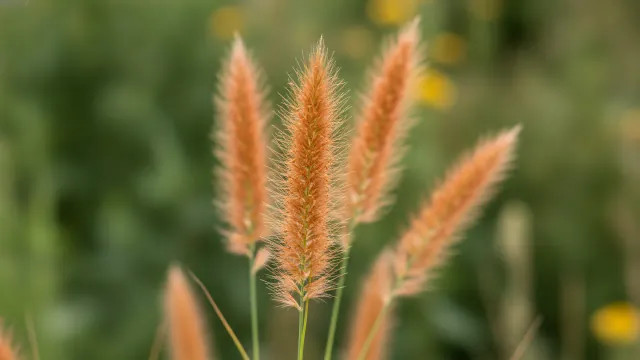
Little Bluestem
Takes full sun to part sun and low to moderate water; stands well above at 3.5 ft, a canopy to plant beneath; its seed heads stand through winter, for structure and the birds; a soft color beside the white.
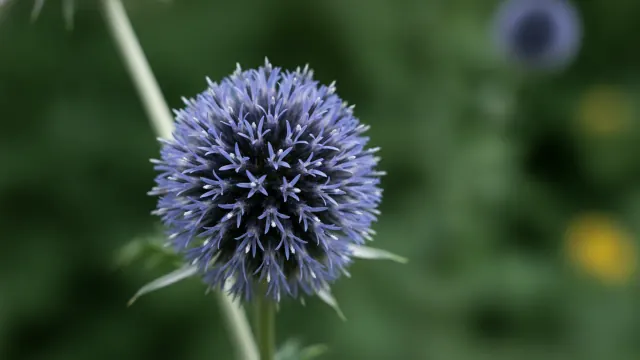
Globe Thistle
Takes full sun to part sun and low to moderate water; stands well above at 3.5 ft, a canopy to plant beneath; its seed heads stand through winter, for structure and the birds; a soft color beside the white.
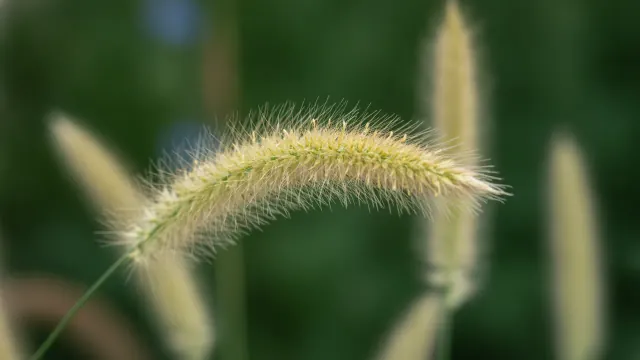
Feather Reed Grass
Takes full sun to part sun and moderate water; stands well above at 5 ft, a canopy to plant beneath; its seed heads stand through winter, for structure and the birds; a soft color beside the white.
Featured in these guides
Explore similar plants
You might also like


Design a garden with this
Drop this plant onto a 3D plan, see how it fills in, and watch your whole garden bloom across the year.