
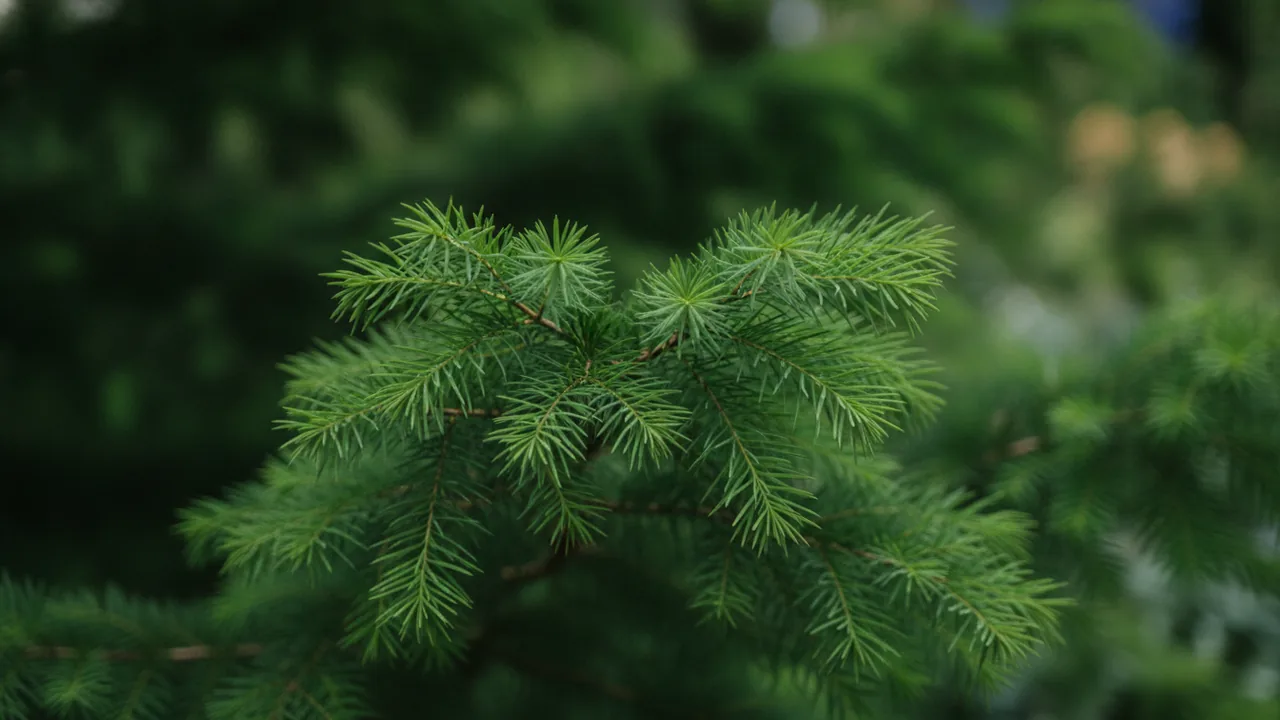
 Illustration

Bald Cypress
Taxodium distichum
Bald Cypress is grown for its foliage rather than flowers, giving the garden structure and color all season long.
Months here are Northern Hemisphere months; in the Southern Hemisphere, shift them by six months.
Growing Bald Cypress
Plant it in full sun. It prefers high water. It is hardy in USDA zones 4–9. Expect it to reach about 59 ft tall and 26 ft wide at maturity, in roughly 20 years (not yet checked).
No toxicity note is on file for Bald Cypress. That is not a clearance: check its safety for people and pets before planting.
What was checked
Mature height and spread, hardiness zones, sun and the trait tags were checked against named botanical sources for this plant. The bloom months and water need on this page were not, and each fact above says which. The planting, spacing and size sections are derived from these checked facts by a fixed rule, not checked separately, and the plant type is the library's own classification.
When to plant Bald Cypress
Plant Bald Cypress in spring once the soil is workable, or by very early fall at the latest: an evergreen needs its roots down well before the ground freezes. In zone 6, the middle of its hardy zones 4 to 9, that is March to May, or August on the fall side.
Month-by-month timing for your zone is on the planting calendar; if you garden near zone 6, the middle of this plant's hardy range, start with zone 6 in March. Derived from the plant's category, zones and bloom months plus typical zone frost dates, not checked separately.
How big does Bald Cypress get?
 59 fttall5 ft 7 inan adult26 ftwide
See Bald Cypress in a garden plan: the planner shows it in 3D beside everything else you add, growing toward this size over the years.
How far apart to plant Bald Cypress
Derived from the mature spread above by a fixed rule, not checked separately: spacing is the spread, center to center.
Give Bald Cypress about 26 ft of clear ground in every direction, measured from its center. It is one plant with room around it, not a row, and a raised bed is too small for it.
Add Bald Cypress to a garden plan and the planner draws it at its full width, so you see the spacing before you buy.
Where these facts come from
Bald Cypress' height, spread, hardiness zones, sun and trait tags were checked against 10 published sources on July 29, 2026. Each one is linked below with every fact it carried, which can include a fact this page still marks as not yet checked, because a source carrying a value is not the same as the value being held to the standard. Facts not in that list, and the planting, spacing and size sections, are not covered by these sources.
- edis.ifas.ufl.eduUniversity of Florida IFAS Extension (EDIS ST620)height, spread, hardiness zones, sun and trait tags
- Missouri Botanical Gardenheight, spread, hardiness zones, sun and trait tags
- NC State ExtensionPlant Toolboxheight, spread, hardiness zones, sun and trait tags
- Oregon State UniversityLandscape Plantsheight, spread, hardiness zones, sun and trait tags
- The Morton Arboretumheight, spread, hardiness zones, sun and trait tags
- University of Illinois ExtensionGood Growingheight, spread, hardiness zones, sun and trait tags
- Clemson Home and Garden Information CenterClemson Cooperative Extension HGICheight, spread, hardiness zones and sun
- Chicago Botanic Gardenheight, hardiness zones and sun
- University of Illinois ExtensionSelecting Trees for Your Homeheight, hardiness zones and sun
- Lady Bird Johnson Wildflower Centerheight and sun
How the checking works, and what each standard covers, is on the verified plants page.
Comes in 3 varieties
Same plant, same care - pick the variety you are growing.
Compare every variety in the Bald Cypress group
Every figure is the variety's own page fact. Tap a name to open it.
| Variety | Color | Blooms | Hardiness | Sun | Size (H × W) |
|---|---|---|---|---|---|
| Baldthis page | Foliage | Foliage plant | Zones 4–9 | Full sun | 59 ft × 26 ft |
| Falling Waters | Foliage | Foliage plant | Zones 4–9 | Full sun | 20 ft × 6.5 ft |
| Peve Minaret | Foliage | Foliage plant | Zones 4–9 | Full sun | 10 ft × 5 ft |
| Shawnee Brave | Foliage | Foliage plant | Zones 4–9 | Full sun | 49 ft × 16 ft |
Good to know about Bald Cypress
Curated from university extensions, botanic gardens and other primary sources, with the source named on every note. A note reports what its source says; where that differs from a fact above, the fact above is this entry's stored value, and its mark says whether it has been checked.
Worth knowing
Unlike almost all conifers, it is deciduous: the feathery needles turn rusty in autumn and drop, which is the origin of the name 'bald', then flush green in spring. per NC State
Zone range varies by source
NC State gives 4a to 9b, Morton 4 to 11, Clemson 5 to 11. The differences reflect cultivar and provenance; a mild zone 4 needs a northern-hardy selection. per NC State
Thrives from swamp to street
This swamp native is remarkably adaptable: it handles standing water and prolonged flooding, yet also grows in dry, compacted, polluted urban soil far from any water. per Clemson
Cypress knees in wet sites
Planted in or beside standing water, its roots throw up woody cone-shaped 'knees', 0.3 to 1 m tall in gardens. In ordinary well-drained soil they rarely form. per Clemson and USDA
Alkaline soil turns it yellow
Its one clear limit is chemistry, not water: high-pH alkaline soil starves it of iron and yellows the foliage (chlorosis). Give it acidic to neutral ground. per NC State
Remarkably few serious pests
One of the cleaner big landscape trees: no major disease and only cosmetic pests (bagworms, spider mites, twig gall midge), none that kill a healthy tree. per NC State and Clemson
What pairs well with Bald Cypress
Good companions share its growing conditions and add something it lacks: an earlier or later bloom, a lower carpet in front, or structure through winter.
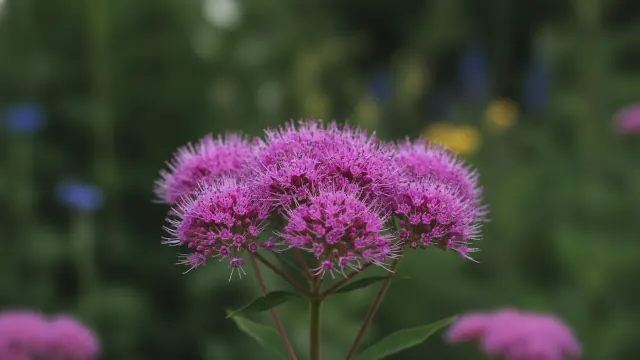
Joe Pye Weed
Shares full sun and high water; its seed heads stand through winter, for structure and the birds; both are North American natives.
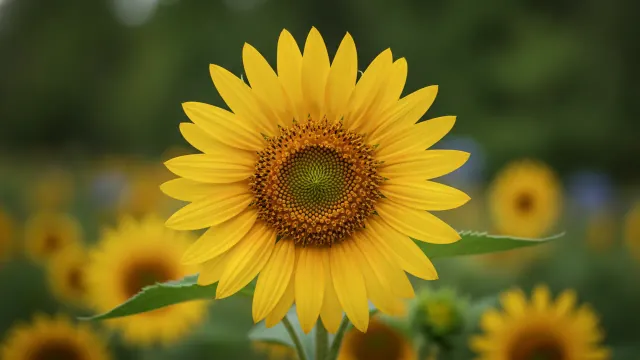
Perennial Sunflower
Shares full sun and moderate to high water; its seed heads stand through winter, for structure and the birds; both are North American natives.
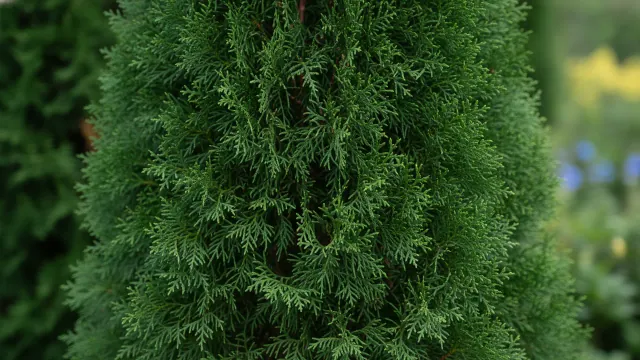
Arborvitae
Shares full sun and moderate to high water; evergreen, so the bed keeps its shape through winter; both are North American natives.
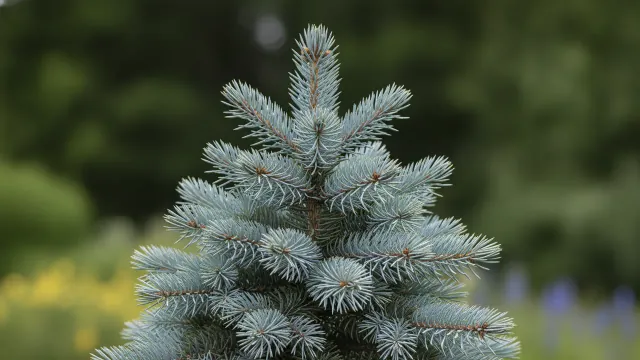
Colorado Blue Spruce
Shares full sun and moderate to high water; evergreen, so the bed keeps its shape through winter; both are North American natives.
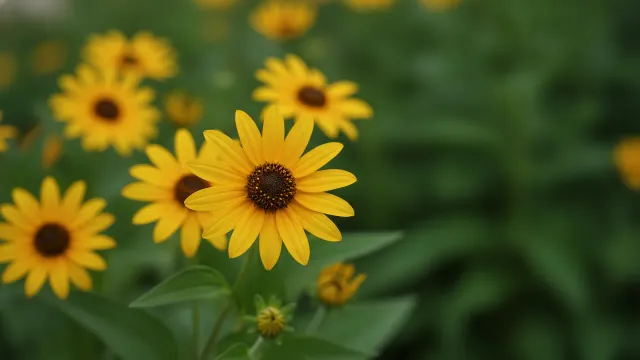
False Sunflower
Shares full sun and moderate to high water; its seed heads stand through winter, for structure and the birds; both are North American natives.
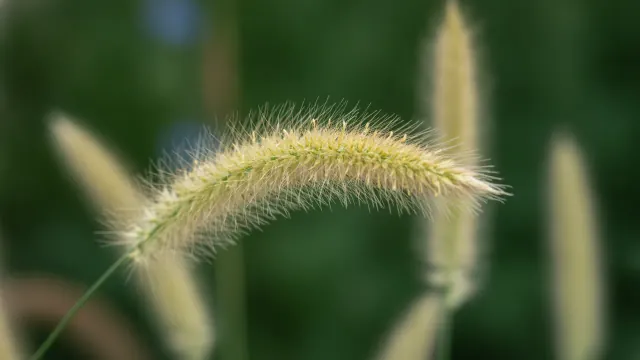
Feather Reed Grass
Shares full sun and moderate to high water; its seed heads stand through winter, for structure and the birds.
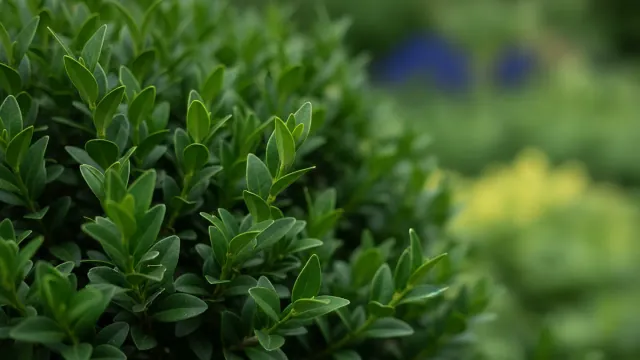
Boxwood
Shares full sun and moderate to high water; evergreen, so the bed keeps its shape through winter.
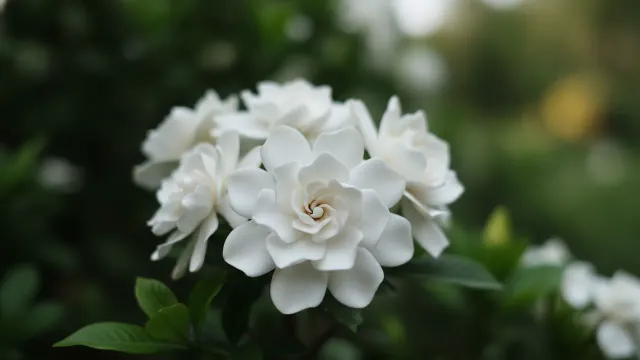
Gardenia
Takes full sun to part sun and high water; evergreen, so the bed keeps its shape through winter; they only overlap in zones 8 to 9.
Featured in these guides
Explore similar plants
You might also like
Foliage Foliage
 Foliage
 Foliage
 Foliage
 Foliage
Design a garden with this
Drop this plant onto a 3D plan, see how it fills in, and watch your whole garden bloom across the year.