
Companion plants for Beautyberry
Beautyberry blooms from June through July. It wants part sun and moderate water. The 8 companion pairings below each state why the pairing works.
Blooming before Beautyberry opens
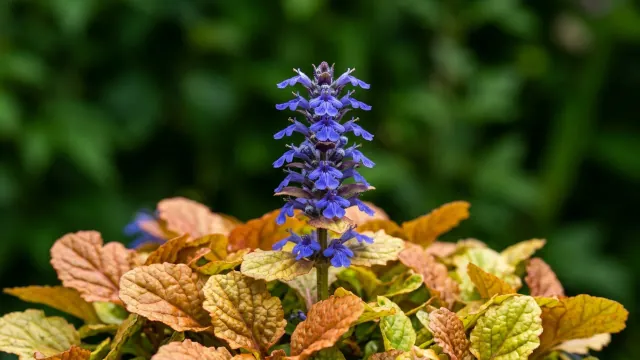
Feathered Friends Fancy Finch Ajuga
Takes part sun to part shade and moderate water; blooms in mid spring, before this one opens; low at 4 in, to carpet the ground beneath; both are strong pollinator plants, and they feed in different months.
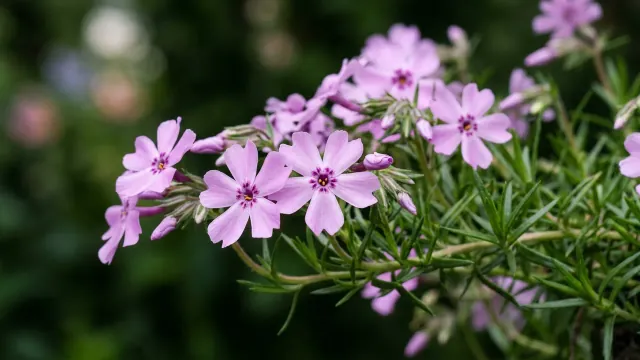
Eye Candy Moss Phlox
Takes full sun to part sun and moderate water; blooms in mid spring, before this one opens; low at 4 in, to carpet the ground beneath; both are strong pollinator plants, and they feed in different months.
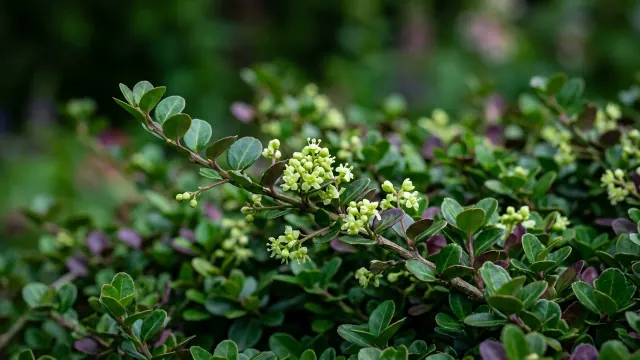
Coloratus Wintercreeper
Takes part sun to part shade and moderate water; blooms in mid spring, before this one opens; low at 8 in, to carpet the ground beneath; both are strong pollinator plants, and they feed in different months.
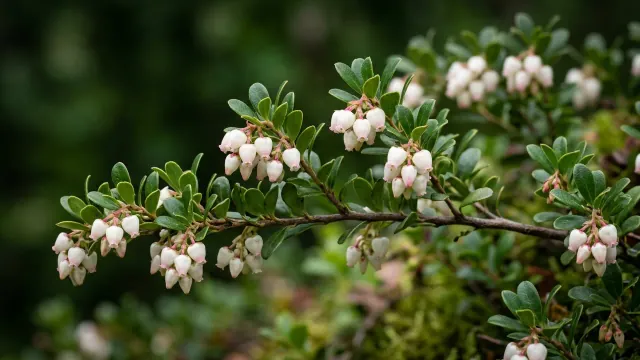
Kinnikinnick
Takes full sun to part sun and moderate water; blooms in mid spring, before this one opens; low at 8 in, to carpet the ground beneath; both are strong pollinator plants, and they feed in different months.
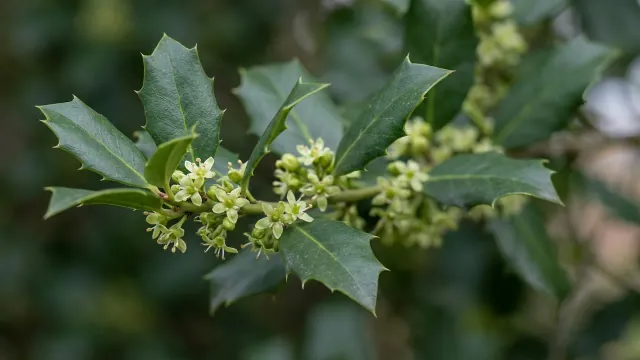
American Holly
Takes full sun to part sun and moderate water; blooms in late spring, before this one opens; both are strong pollinator plants, and they feed in different months; evergreen, so the bed keeps its shape through winter.
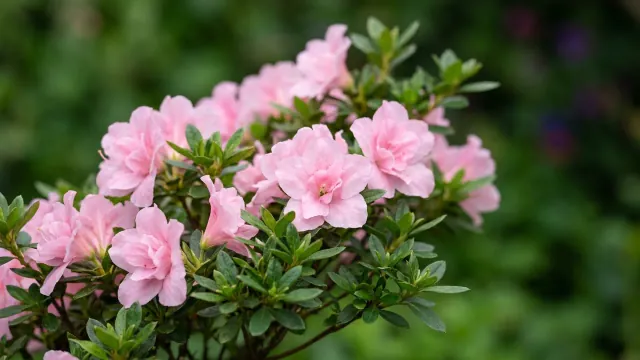
Ever After Blush Reblooming Azalea
Takes part sun to part shade and moderate water; blooms in mid spring, before this one opens; both are strong pollinator plants, and they feed in different months; evergreen, so the bed keeps its shape through winter.
Taking over as Beautyberry finishes
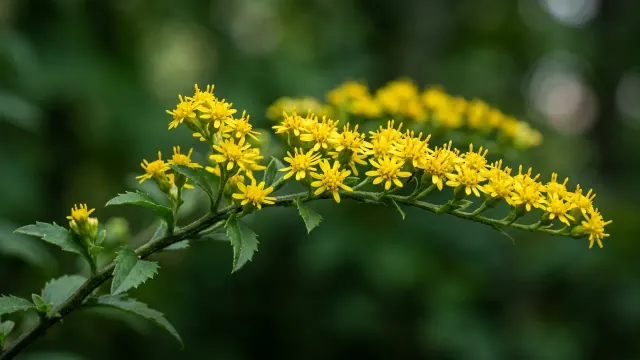
Zigzag Goldenrod
Takes part sun to part shade and moderate water; blooms in late summer as this one finishes; both are strong pollinator plants, and they feed in different months; its seed heads stand through winter, for structure and the birds.
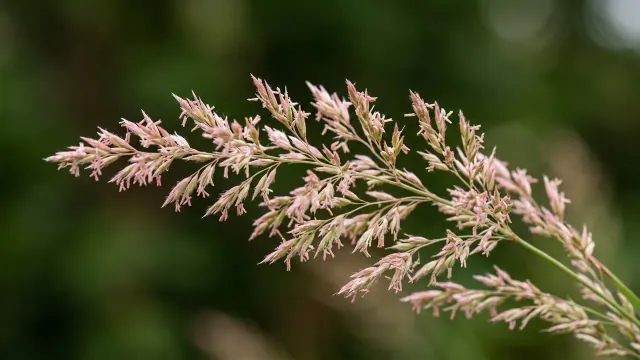
Alkali Sacaton
Takes full sun to part sun and low to moderate water; blooms in late summer as this one finishes; both are strong pollinator plants, and they feed in different months; its seed heads stand through winter, for structure and the birds.