
Companion plants for Black-Eyed Susan
Black-Eyed Susan blooms from July through October. It wants full sun and low water. The 8 companion pairings below each state why the pairing works.
Blooming before Black-Eyed Susan opens
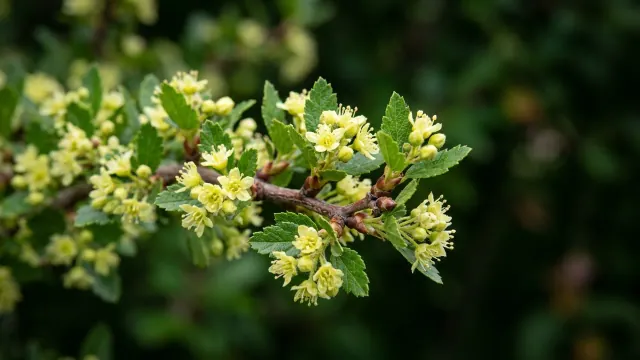
Alderleaf Mountain Mahogany
Shares full sun and low water; blooms in late spring, before this one opens; both are strong pollinator plants, and they feed in different months; taller at 8.5 ft, for the layer behind it.
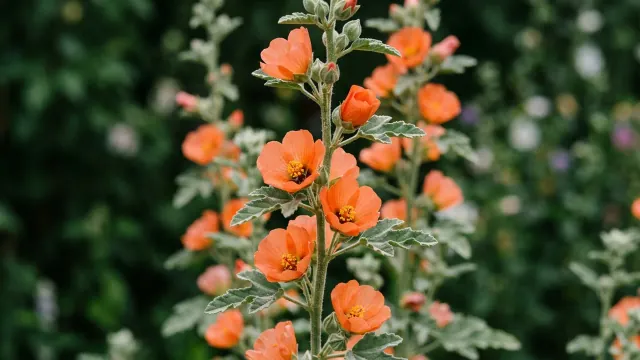
Desert Globemallow
Shares full sun and low water; blooms in early spring, before this one opens; both are strong pollinator plants, and they feed in different months; taller at 3.5 ft, for the layer behind it.
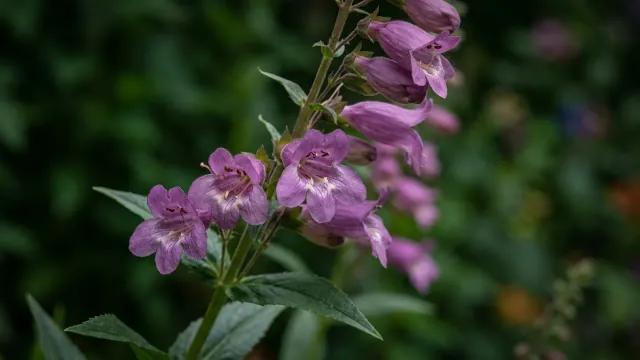
Foxglove Penstemon
Shares full sun and low water; blooms in late spring, before this one opens; both are strong pollinator plants, and they feed in different months; both are North American natives.
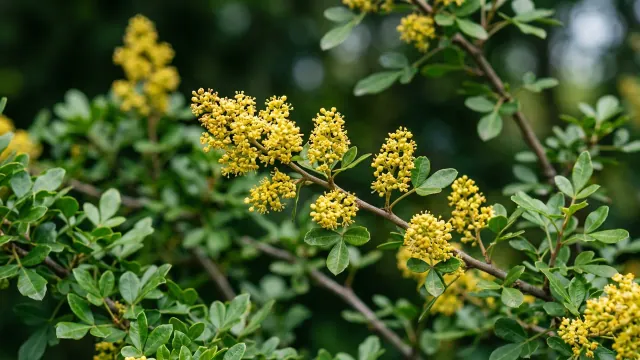
Fragrant Sumac
Shares full sun and low water; blooms in mid spring, before this one opens; both are strong pollinator plants, and they feed in different months; taller at 4.5 ft, for the layer behind it.
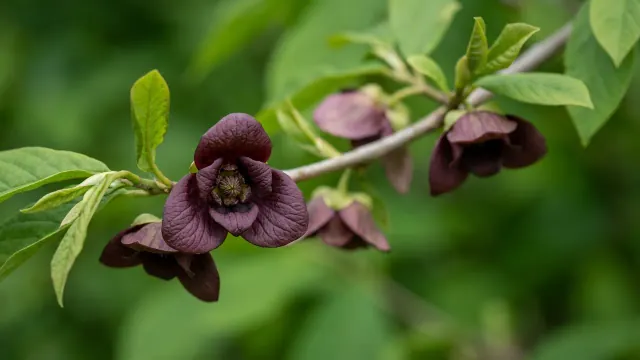
Common Pawpaw
Shares full sun and low to moderate water; blooms in mid spring, before this one opens; both are strong pollinator plants, and they feed in different months; stands well above at 17 ft, a canopy to plant beneath.
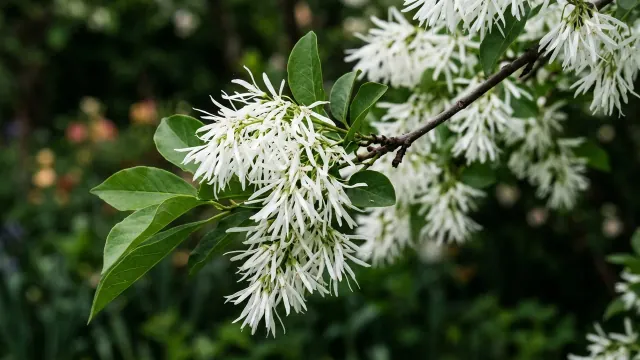
White Fringetree
Shares full sun and low to moderate water; blooms in late spring, before this one opens; both are strong pollinator plants, and they feed in different months; stands well above at 17 ft, a canopy to plant beneath.
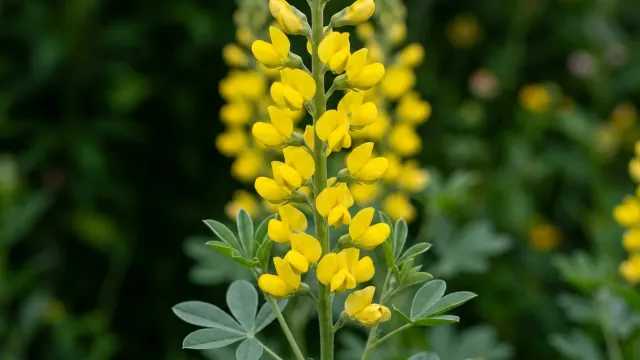
Carolina Lupine
Shares full sun and low to moderate water; blooms in late spring, before this one opens; both are strong pollinator plants, and they feed in different months; taller at 4 ft, for the layer behind it.
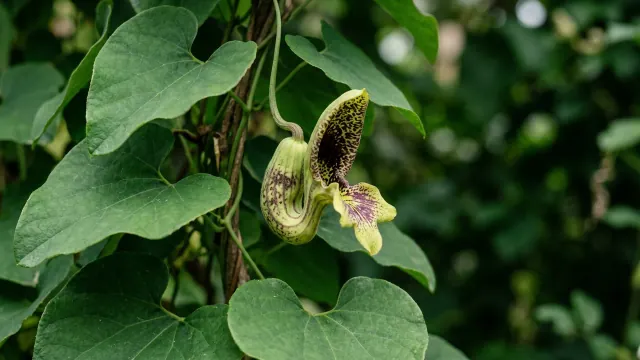
Dutchman's Pipe
Takes full sun to part sun and low to moderate water; blooms in late spring, before this one opens; both are strong pollinator plants, and they feed in different months; both are North American natives.