
 Illustration

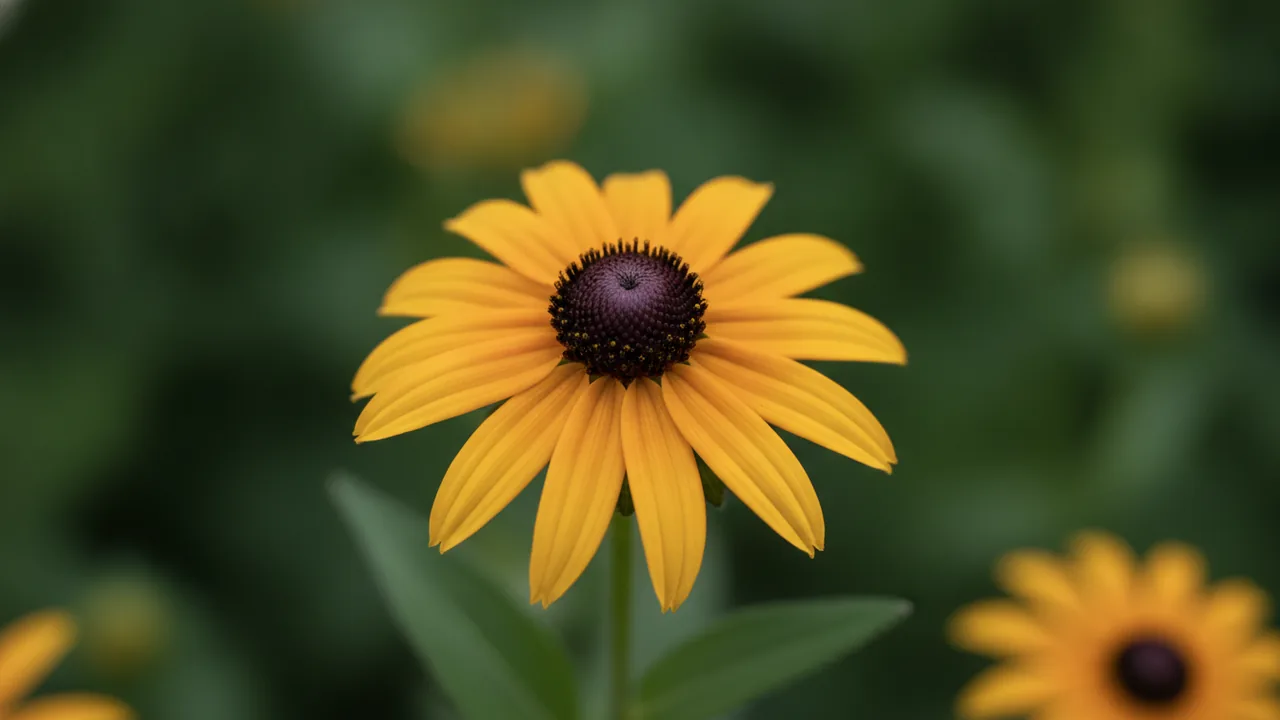
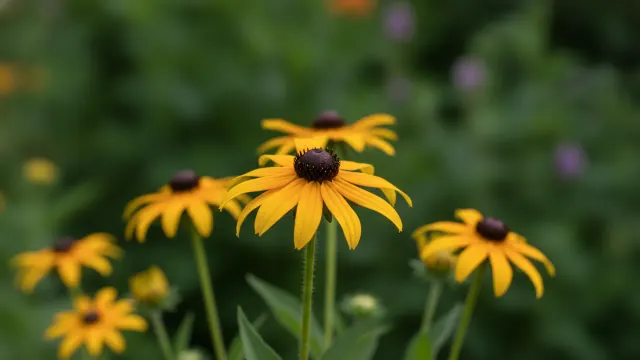
Black-Eyed Susan
Rudbeckia
Black-Eyed Susan blooms from July through October.
Months here are Northern Hemisphere months; in the Southern Hemisphere, shift them by six months.
Growing Black-Eyed Susan
Plant it in full sun. It prefers low water. It is hardy in USDA zones 3–9. Expect it to reach about 2.5 ft tall and 1.5 ft wide at maturity, in roughly 2 years (checked).
No toxicity note is on file for Black-Eyed Susan. That is not a clearance: check its safety for people and pets before planting.
What was checked
Mature height and spread, hardiness zones, sun, water, bloom months and color and the trait tags were checked against named botanical sources for this plant, with what the sources could not settle written down; years to mature size rests on a recorded house rule where no publisher states one, and is marked so; its common name and alternate names have not been checked yet. Each fact above carries its own mark. The planting, spacing and size sections are derived from these checked facts by a fixed rule, not checked separately, and the plant type is the library's own classification.
When to plant Black-Eyed Susan
Plant Black-Eyed Susan in early spring as soon as the soil is workable, or in early fall at least six weeks before your first frost, so roots establish in cool weather. In zone 6, the middle of its hardy zones 3 to 9, spring means March to May and fall means August or September. Once settled, it blooms from July to October.
Month-by-month timing for your zone is on the planting calendar; if you garden near zone 6, the middle of this plant's hardy range, start with zone 6 in March. Derived from the plant's category, zones and bloom months plus typical zone frost dates, not checked separately.
How big does Black-Eyed Susan get?
 2.5 fttall5 ft 7 inan adult1.5 ftwide
See Black-Eyed Susan in a garden plan: the planner shows it in 3D beside everything else you add, growing toward this size over the years.
How far apart to plant Black-Eyed Susan
Derived from the mature spread above by a fixed rule, not checked separately: spacing is the spread, center to center.
Space Black-Eyed Susan about 1.5 ft apart, center to center, so each plant has room to reach its full width.
Add Black-Eyed Susan to a garden plan and the planner draws it at its full width, so you see the spacing before you buy.
Where these facts come from
Black-Eyed Susan's height, spread, hardiness zones, sun, water, bloom months and color, years to mature size, trait tags, soil, diseases, pests and toxicity were checked against 21 published sources on August 3, 2026. Each one is linked below with every fact it carried, which can include a fact this page still marks as not yet checked, because a source carrying a value is not the same as the value being held to the standard. Facts not in that list, and the planting, spacing and size sections, are not covered by these sources.
- Chicago Botanic GardenPlant Evaluation Notes Issue 8, 1995height, spread, hardiness zones, sun, water, bloom months and color, years to mature size, trait tags, soil and diseases
- Missouri Botanical GardenRudbeckia fulgidaheight, spread, hardiness zones, sun, water, bloom months and color, soil and diseases
- NC State ExtensionRudbeckia fulgidaheight, spread, hardiness zones, sun, bloom months and color and trait tags
- Missouri Botanical GardenRudbeckia hirtaspread, water, bloom months and color, years to mature size and pests
- NC State ExtensionRudbeckia hirtaheight, spread, hardiness zones, sun, trait tags and soil
- Clemson Home and Garden Information Centergenus factsheet 1192height, spread, hardiness zones, sun and trait tags
- Missouri Botanical GardenRudbeckia hirtaheight, spread, hardiness zones, sun and trait tags
- Missouri Botanical GardenRudbeckia fulgidaheight, spread, hardiness zones, sun and trait tags
- Missouri Botanical GardenRudbeckia fulgida var. sullivantiiheight, spread, hardiness zones, sun and trait tags
- NC State Extensiongenus pageheight, spread, hardiness zones, sun and trait tags
- NC State ExtensionRudbeckia trilobaheight, spread, hardiness zones, sun and trait tags
- plants.sc.egov.usda.govUSDA NRCS Plant Guide, Black-eyed Susan (Rudbeckia hirta)height, soil, diseases, pests and toxicity
- University of Illinois ExtensionRudbeckia hirtaheight, hardiness zones, sun, trait tags and diseases
- University of Wisconsin HorticultureWisconsin Horticulture, UW-Madison Division of Extension (Rudbeckia tr...height, spread, hardiness zones, sun and trait tags
- Lady Bird Johnson Wildflower CenterRudbeckia hirtawater, bloom months and color and pests
- Prairie Moon NurseryRudbeckia hirtaheight, hardiness zones, sun and trait tags
- Lady Bird Johnson Wildflower CenterRudbeckia hirtaheight, sun and trait tags
- Penn State Extensionwater and bloom months and color
- University of Maryland ExtensionRudbeckia hirtaheight, sun and trait tags
- Mt. Cuba CenterRudbeckia fulgidaheight and hardiness zones
- wpcdn.web.wsu.eduWashington State University Extension, Skagit County Master Gardener,...toxicity
How the checking works, and what each standard covers, is on the verified plants page.
Comes in 9 varieties across 3 colors
Same genus, similar care - pick the color you are growing.
- American Gold Rush
- Autumn Colors
- Cherry Brandy
- Denver Daisy
- Goldilocks
- Goldsturm
- Indian Summer
- Prairie Sun
- Toto Gold
Compare every variety in the Black-Eyed Susan group
Every figure is the variety's own page fact. Tap a name to open it.
| Variety | Color | Blooms | Hardiness | Sun | Size (H × W) |
|---|---|---|---|---|---|
| American Gold Rush | Yellow | Jul–Sep | Zones 4–9 | Full sun | 24 in × 24 in |
| Autumn Colors | Orange | Jul–Sep | Zones 3–7 | Full sun | 24 in × 16 in |
| Black-Eyedthis page | Yellow | Jul–Oct | Zones 3–9 | Full sun | 2.5 ft × 1.5 ft |
| Cherry Brandy | Red | Jul–Sep | Zones 4–9 | Full sun | 24 in × 16 in |
| Denver Daisy | Yellow | Jul–Sep | Zones 3–7 | Full sun | 24 in × 20 in |
| Goldilocks | Yellow | Jul–Sep | Zones 5–9 | Full sun | 24 in × 16 in |
| Goldsturm | Yellow | Jul–Sep | Zones 3–9 | Full sun | 2.5 ft × 1.5 ft |
| Indian Summer | Yellow | Jul–Sep | Zones 3–7 | Full sun | 3 ft × 1.5 ft |
| Prairie Sun | Yellow | Jul–Sep | Zones 3–7 | Full sun | 2.5 ft × 1.5 ft |
| Toto Gold | Yellow | Jul–Sep | Zones 5–9 | Full sun | 14 in × 12 in |
Good to know about Black-Eyed Susan
Curated from university extensions, botanic gardens and other primary sources, with the source named on every note. A note reports what its source says; where that differs from a fact above, the fact above is this entry's stored value, and its mark says whether it has been checked.
Worth knowing
More than a nectar stop, it is a nursery: Penn State counts 18 insect species that use Rudbeckia as a host, feeding Silvery Checkerspot and Wavy-lined Emerald caterpillars. per Penn State
Leaf spot varies by cultivar
NC State rates the species as resistant, but the popular 'Goldsturm' is often disfigured by leaf spot; 'American Gold Rush' was bred to resist it. per NC State and Penn State
Aster yellows has no cure
A leafhopper spreads this incurable disease; flowers turn deformed, green-tufted and lopsided, so pull infected plants out entirely, roots and all. per University of Illinois and Clemson
One fix, two diseases
Leaf spot and powdery mildew share the same triggers: crowding, poor airflow and wet leaves. Space plants wider, thin for air, and water at the base. per Penn State and University of Illinois
Seed heads feed goldfinches
Leave the last cones standing into winter and American goldfinches eat the seeds; deadheading for rebloom removes that food, so let your goal pick the timing. per NC State and Penn State
Self-seeds; divide every few years
It self-seeds freely, especially R. hirta, so site it where volunteers are welcome; divide clumps every 3 to 4 years in spring or fall to renew them. per NC State and Clemson
What pairs well with Black-Eyed Susan
Good companions share its growing conditions and add something it lacks: an earlier or later bloom, a lower carpet in front, or structure through winter.
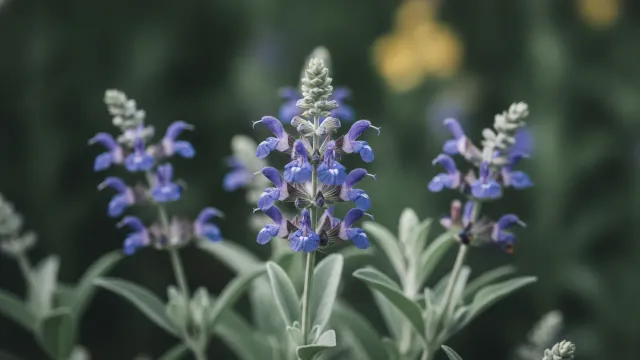
Sage
Shares full sun and low water; blooms in late spring, before this one opens; both are strong pollinator plants, and they feed in different months; purple against yellow, for contrast.
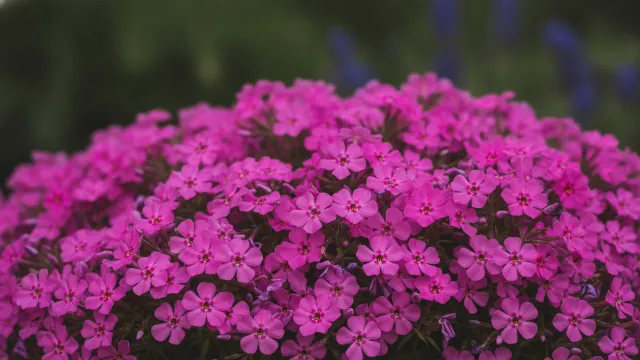
Creeping Phlox
Shares full sun and low water; blooms in mid spring, before this one opens; both are strong pollinator plants, and they feed in different months; lower at 6 in, for the front of the border.
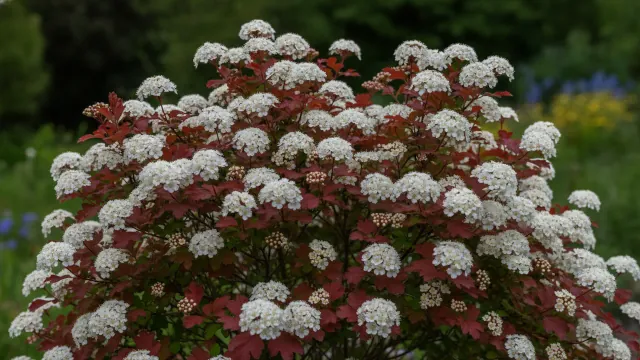
Ninebark
Shares full sun and low to moderate water; blooms in late spring, before this one opens; both are strong pollinator plants, and they feed in different months; taller at 6.5 ft, for the layer behind it.
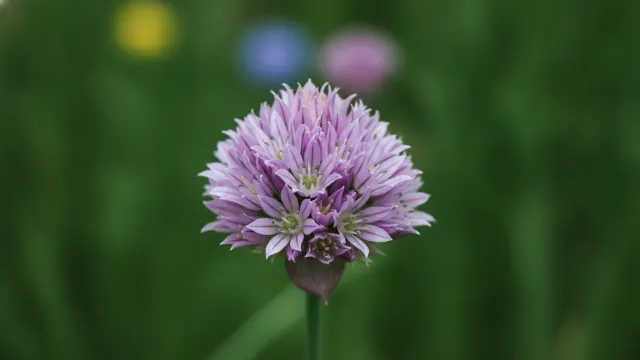
Chives
Shares full sun and low to moderate water; blooms in late spring, before this one opens; both are strong pollinator plants, and they feed in different months; both are North American natives.
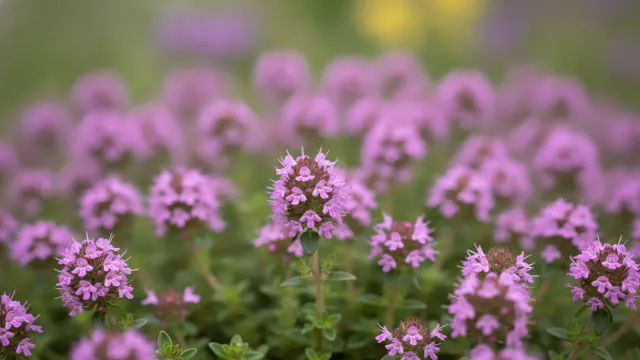
Thyme
Shares full sun and low water; opens in late spring and overlaps into this one's season; both are strong pollinator plants; lower at 6 in, for the front of the border.
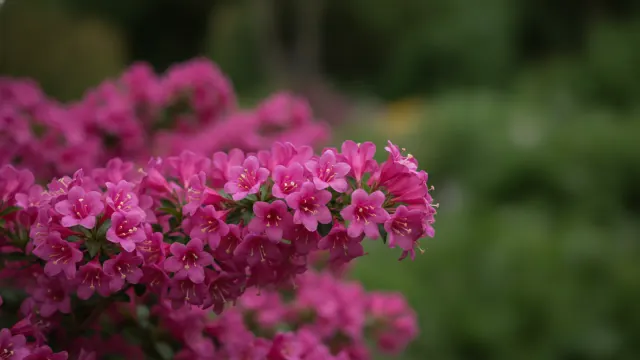
Weigela
Shares full sun and low to moderate water; blooms in late spring, before this one opens; both are strong pollinator plants, and they feed in different months; taller at 5 ft, for the layer behind it.
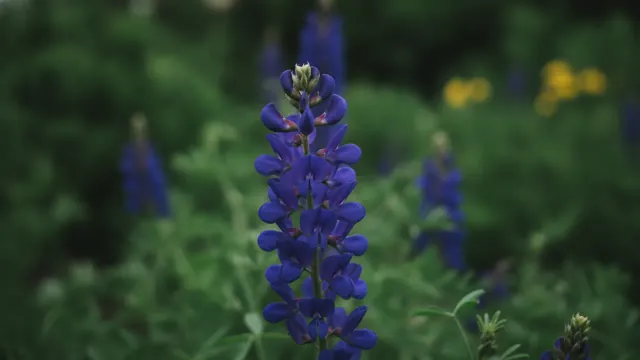
False Indigo
Shares full sun and low water; blooms in late spring, before this one opens; both are strong pollinator plants, and they feed in different months; taller at 3.5 ft, for the layer behind it.
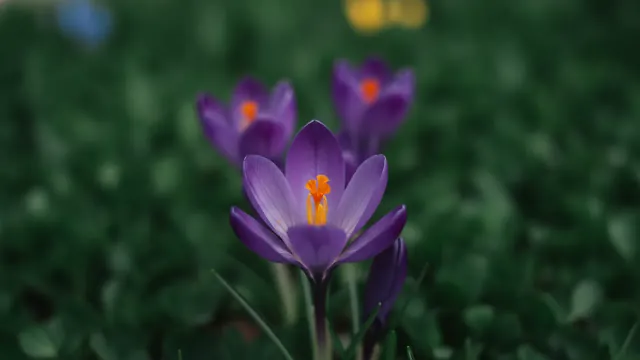
Crocus
Shares full sun and low water; blooms in late winter, extending the bed's season; both offer pollinator forage, in different months; lower at 4 in, for the front of the border.
Featured in these guides
Explore similar plants
You might also like
 Foliage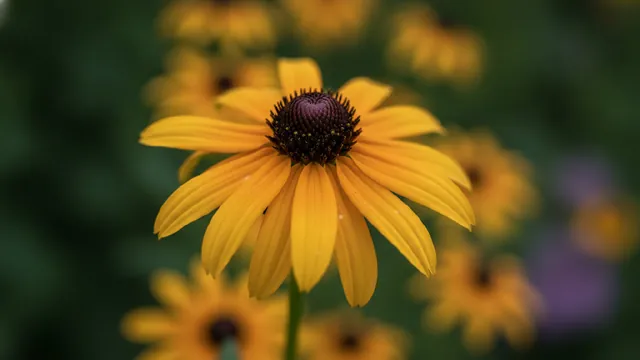
Design a garden with this
Drop this plant onto a 3D plan, see how it fills in, and watch your whole garden bloom across the year.