
Practical
Fall Garden Cleanup: What to Cut, What to Leave Standing
The best fall cleanup is smaller than you think. What to cut, what to bin, what to leave standing, and permission to stop early.
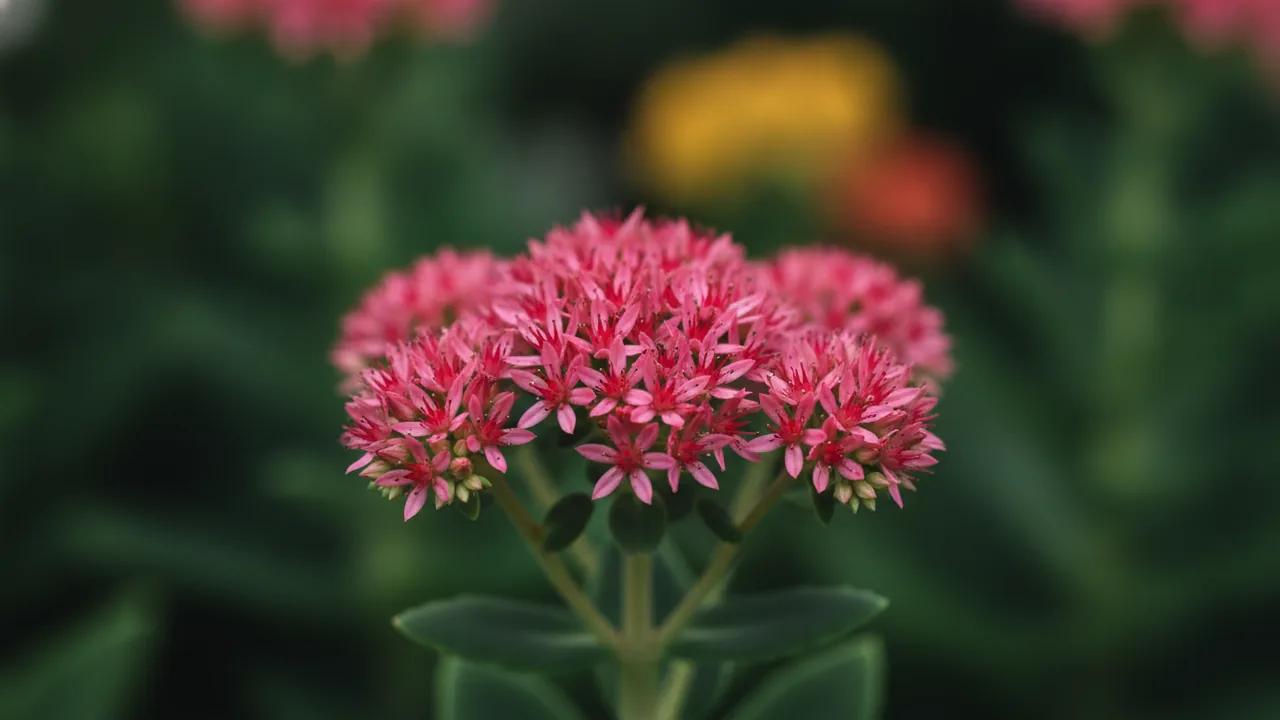
For generations, fall cleanup meant razing the garden to bare soil, and the modern extension consensus has quietly reversed it: most of what a border grew this year is more useful standing through winter than gone. Seed heads feed the birds, hollow stems shelter next year's pollinators, grasses and sturdy skeletons carry the frost beautifully, and untouched soil overwinters the insects the garden runs on. So this guide is a cutting list, not a razing list. A few things genuinely must go; the rest is a choice, and the lazier choice is often the better garden.
How much should I cut back in fall?
Less than tradition says. Cut and bin what disease marked this year, mildewed bee balm and phlox, anything soft and rotting, and clear the mush of frosted hostas and daylilies. Leave the structure standing: coneflower and black-eyed susan seed heads for the birds, sedum and astilbe skeletons for the frost, and every ornamental grass until spring. Time it to your first frost, from September in zones 3 and 4 to November in zones 7 and 8, and leave the rest for late winter.
The cleanup, in six steps
Wait for the frost to call it
Cleanup starts when the season actually ends: after the first hard frost has blackened the tender growth, typically mid to late September in zones 3 and 4, October in 5 and 6, and November in 7 and 8. Cutting a border down while it is green costs you late flowers, bird food, and the plants' own retreat of energy into their roots. The one exception worth jumping early for is disease, which is the next step.
Cut what disease marked, and bin it
Anything that spent the summer mildewed, spotted, or rotting leaves this year's spores waiting in the litter if you let it lie. Powdery-mildewed bee balm and garden phlox are the classic cases; cut them to the ground and put the foliage in the bin, not the compost, since a home pile rarely runs hot enough to kill disease. Extension services give bearded iris the same treatment where iris borer is a local problem, because the eggs overwinter on the standing dead leaves.
Clear the collapsers
Some perennials simply turn to mush at frost and offer winter nothing: hostas, daylilies, and peonies are the familiar ones. Once they flatten, rake or cut the remains away so they do not mat over the crowns through the wet months. Healthy foliage from this group is fine to compost; it is the diseased material, not the soft material, that needs the bin.
Leave the seed heads standing
Here the old habit costs the most. Coneflower and black-eyed susan heads are winter bird feeders; asters repay being left up, then cut in late winter; sedum and astilbe skeletons hold their shape under frost and snow; and hardy hibiscus goes further, its hollow stems sheltering overwintering native bees. If it stands on its own and holds a shape, it has earned the winter.
Leave every grass until spring
Ornamental grasses are the easiest call in the garden: maiden grass, switchgrass, and little bluestem turn gold and copper, stand through snow, and rustle all winter, which is most of what you planted them for. Cut them down in late winter or early spring before the new blades push; the one gentler case is feather reed grass, which is cut down to about a third of its height rather than to the ground, since a too-harsh cut can set it back.
Deal with the leaves, gently
Rake leaves off the lawn and paths, where a wet mat genuinely smothers, and stop there. In the beds, a layer of leaves is free mulch and the overwintering quarters for much of the garden's insect life, so leave it whole where it lies thin and run the mower over the surplus to use as mulch where it lies thick. Bagging every leaf for collection is effort spent making the garden poorer.
Permission to stop
If the diseased material is binned, the mush is cleared, and the lawn can breathe, the fall cleanup is done. Everything still standing is habitat, structure, and bird food, and it comes down in one satisfying late-winter session instead. A garden that looks slightly unmade in November is not neglected; it is working.
The plants that earn their winter
The strongest argument against the razed border is what a standing one looks like in January. These four are the proof; our winter interest guide builds the whole picture.
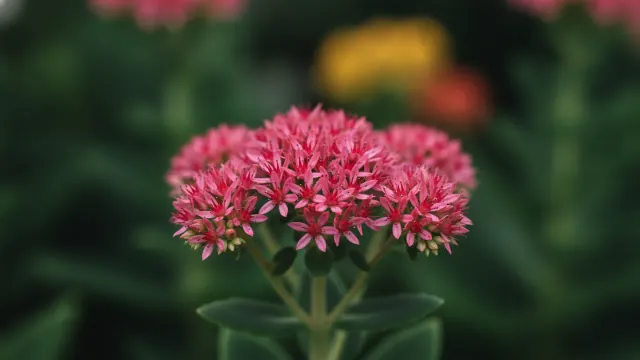
Hylotelephium 'Autumn Fire'
The best skeleton in the perennial border: the August-to-October flower heads harden into stiff domes that hold their architecture through every snowfall. Cutting it down in fall is undoing its best trick.
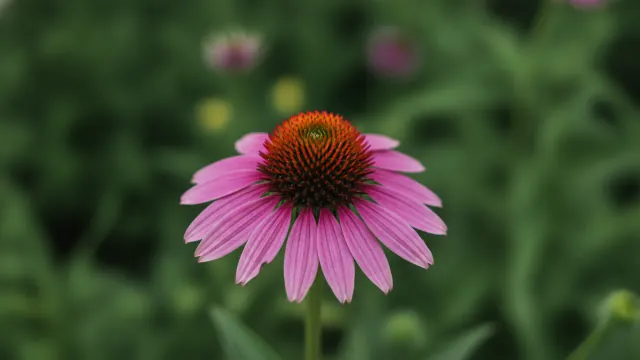
Echinacea purpurea
Done flowering in September, then a bird feeder until spring: the seed cones stand at 3 feet and goldfinches work them all winter. Cut it down in late winter and it returns on schedule in zones 3 to 8.
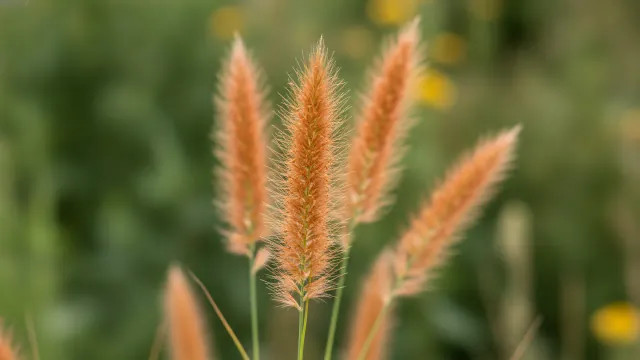
Schizachyrium scoparium
A native grass that does its finest work after frost, turning copper and holding it all winter at 3.5 feet. Leave it whole until early spring; the winter color is the point.
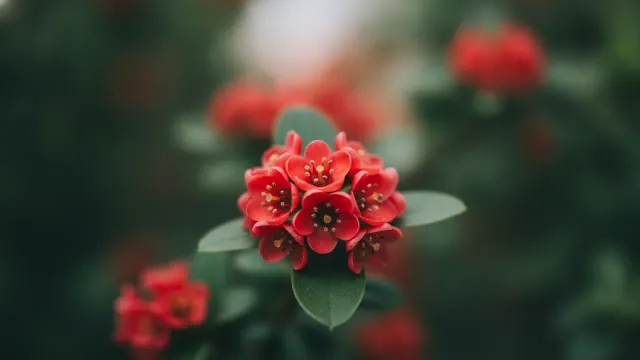
Ilex verticillata
The reason to put the loppers away near it in fall: the berries that load its bare branches from October to December are the garden's midwinter color and the birds' emergency larder.
Should I cut back perennials in fall or spring?
Spring, for everything healthy: standing stems and seed heads feed birds, shelter insects, and give the winter garden its structure, and the plants are indifferent either way. Fall cutting is for the exceptions, diseased foliage and the perennials that collapse to mush at frost.
What should never go in the compost?
Diseased material: mildewed bee balm and phlox foliage, anything spotted or rotting, and iris leaves where borer is a local problem. A home compost pile rarely holds the heat needed to kill spores and eggs, so that material goes in the bin, and everything healthy goes in the pile with a clear conscience.
Do fallen leaves hurt the beds?
On the lawn, a thick wet mat does real harm, so rake there. In the beds it is the opposite: a thin leaf layer is mulch, frost protection, and overwintering habitat in one, which is why extension services now tell gardeners to leave the leaves where they can. Shred the surplus and use it as mulch rather than bagging it.
When is it too late to clean up?
It is never too late, because the deadline is imaginary: anything you leave now comes down in late winter before the new growth pushes, which is when the standing garden needs to come down anyway. The only fall-urgent jobs are binning diseased material and clearing rot away from crowns before the wet sets in.
Design a garden with these plants
Open BloomsEye Studio with this guide's plants ready to drop onto a plan, then watch the whole bed bloom across the year. New to it? See what the free garden planner does.