
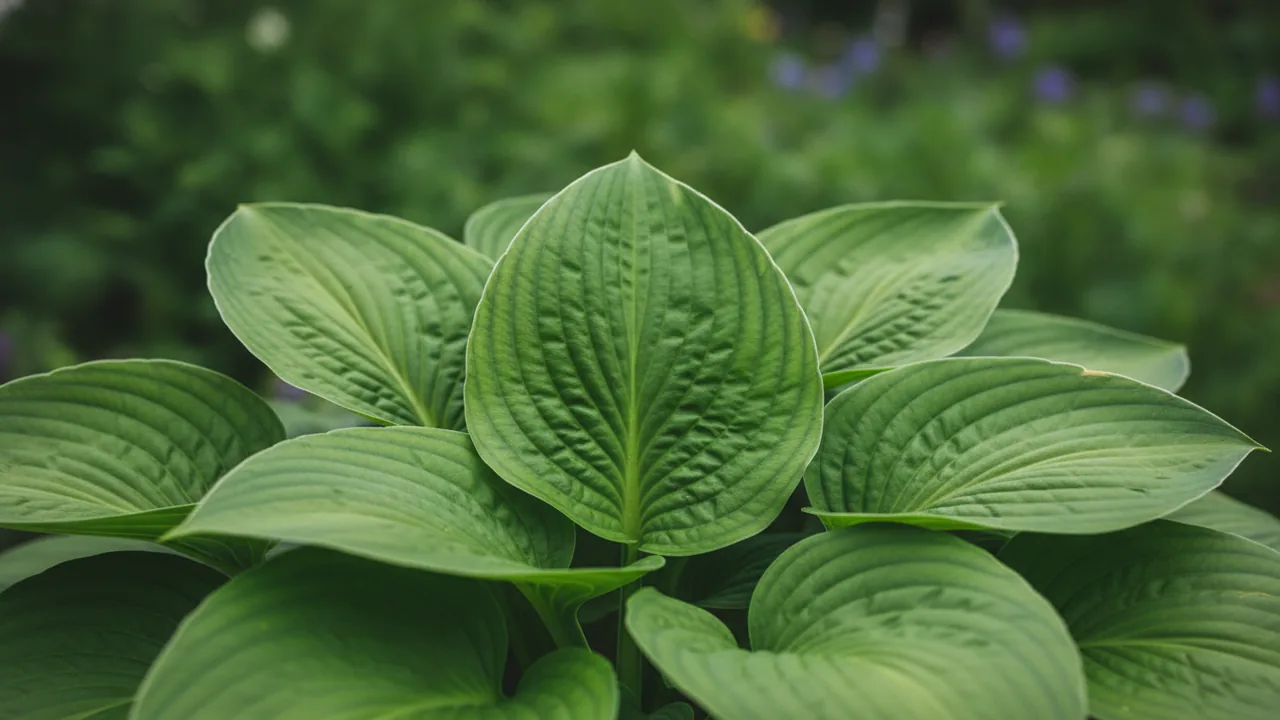
 Illustration

Hosta
Hosta
Hosta is grown for its foliage rather than flowers, giving the garden structure and color all season long.
Months here are Northern Hemisphere months; in the Southern Hemisphere, shift them by six months.
Growing Hosta
Plant it in full shade. It prefers moderate water. It is hardy in USDA zones 3–9. Expect it to reach about 2 ft tall and 3 ft wide at maturity, in roughly 3 years (not yet checked).
What was checked
Mature height and spread, hardiness zones, sun and the trait tags were checked against named botanical sources for this plant. The bloom months and water need on this page were not, and each fact above says which. The planting, spacing and size sections are derived from these checked facts by a fixed rule, not checked separately, and the plant type is the library's own classification.
When to plant Hosta
Plant Hosta in early spring as soon as the soil is workable, or in early fall at least six weeks before your first frost, so roots establish in cool weather. In zone 6, the middle of its hardy zones 3 to 9, spring means March to May and fall means August or September.
Month-by-month timing for your zone is on the planting calendar; if you garden near zone 6, the middle of this plant's hardy range, start with zone 6 in March. Derived from the plant's category, zones and bloom months plus typical zone frost dates, not checked separately.
How big does Hosta get?
 2 fttall5 ft 7 inan adult3 ftwide
See Hosta in a garden plan: the planner shows it in 3D beside everything else you add, growing toward this size over the years.
How far apart to plant Hosta
Derived from the mature spread above by a fixed rule, not checked separately: spacing is the spread, center to center.
Space Hosta about 3 ft apart, center to center, so each plant has room to reach its full width.
Add Hosta to a garden plan and the planner draws it at its full width, so you see the spacing before you buy.
Where these facts come from
Hosta's height, spread, hardiness zones, sun and trait tags were checked against 8 published sources on July 30, 2026. Each one is linked below with every fact it carried, which can include a fact this page still marks as not yet checked, because a source carrying a value is not the same as the value being held to the standard. Facts not in that list, and the planting, spacing and size sections, are not covered by these sources.
- Missouri Botanical GardenHosta plantagineaheight, spread, hardiness zones, sun and trait tags
- NC State ExtensionHosta, genus entryheight, spread, hardiness zones, sun and trait tags
- University of Minnesota ExtensionGrowing hostas in Minnesotaheight, spread, hardiness zones, sun and trait tags
- Chicago Botanic GardenHostaheight, spread, sun and trait tags
- University of Illinois ExtensionPlantain Lily, Hostaheight, hardiness zones, sun and trait tags
- Clemson Home and Garden Information CenterHostaheight, sun and trait tags
- Iowa State University ExtensionAll About Hostassun and trait tags
- University of Georgia ExtensionGrowing Hostassun and trait tags
How the checking works, and what each standard covers, is on the verified plants page.
Comes in 15 varieties
Same genus, similar care - pick the variety you are growing.
- August Moon
- Blue Angel
- Empress Wu
- Fire and Ice
- Francee
- Frances Williams
- Gold Standard
- Guacamole
- Halcyon
- June
- Krossa Regal
- Minuteman
- Patriot
- Sum and Substance
- Wide Brim
Compare every variety in the Hostas group
Every figure is the variety's own page fact. Tap a name to open it.
| Variety | Color | Blooms | Hardiness | Sun | Size (H × W) |
|---|---|---|---|---|---|
| August Moon | Foliage | Foliage plant | Zones 3–9 | Part shade | 1.5 ft × 3 ft |
| Blue Angel | Foliage | Foliage plant | Zones 3–9 | Full shade | 3 ft × 4 ft |
| Empress Wu | Foliage | Foliage plant | Zones 3–9 | Part shade | 4 ft × 5 ft |
| Fire and Ice | Foliage | Foliage plant | Zones 3–9 | Full shade | 14 in × 24 in |
| Francee | Foliage | Foliage plant | Zones 3–9 | Part shade | 2 ft × 3 ft |
| Frances Williams | Foliage | Foliage plant | Zones 3–9 | Part shade | 2 ft × 3.5 ft |
| Gold Standard | Foliage | Foliage plant | Zones 3–9 | Part shade | 2 ft × 3 ft |
| Guacamole | Foliage | Foliage plant | Zones 3–9 | Part shade | 2 ft × 3 ft |
| Halcyon | Foliage | Foliage plant | Zones 3–9 | Full shade | 1.5 ft × 2.5 ft |
| Hostathis page | Foliage | Foliage plant | Zones 3–9 | Full shade | 2 ft × 3 ft |
| June | Foliage | Foliage plant | Zones 3–9 | Part shade | 1.5 ft × 2.5 ft |
| Krossa Regal | Foliage | Foliage plant | Zones 3–8 | Full shade | 3 ft × 3.5 ft |
| Minuteman | Foliage | Foliage plant | Zones 3–9 | Part shade | 1.5 ft × 2.5 ft |
| Patriot | Foliage | Foliage plant | Zones 3–9 | Part shade | 1.5 ft × 3 ft |
| Sum and Substance | Foliage | Foliage plant | Zones 3–9 | Part shade | 2.5 ft × 5 ft |
| Wide Brim | Foliage | Foliage plant | Zones 3–9 | Part shade | 1.5 ft × 2.5 ft |
Good to know about Hosta
Curated from university extensions, botanic gardens and other primary sources, with the source named on every note. A note reports what its source says; where that differs from a fact above, the fact above is this entry's stored value, and its mark says whether it has been checked.
Safety
Toxic to dogs, cats and horses. All parts contain saponins; eating it causes vomiting, diarrhea and depression (lethargy). per ASPCA and NC State
Worth knowing
A blue hosta's color is a waxy bloom, not pigment. Strong sun melts it off and scorches the leaf, so give blue-leaved types the deepest shade. per NC State and University of Illinois
How Hosta Virus X spreads
Sources seem to disagree, but HVX has no insect vector: it moves by sap on tools and infected stock. Clean tools and buy healthy plants. per Wisconsin and Iowa State
Deer and rabbits love hostas
One of the most deer-preferred plants, not deer-resistant. Rutgers puts hosta in its worst browse category. Fence or repel from the first spring shoots. per Rutgers and NC State
Slugs are the top pest
Slugs and snails chew large, ragged holes and leave a shiny slime trail. They surge in wet, rainy spells. Water in the morning to fight them. per Wisconsin and Iowa State
Divide, never shear
A hosta is a foliage mound you divide, not a plant you shear. Lift and split the clump in early spring every 3 to 5 years. per NC State
Grown for its foliage
Hostas are grown for leaf color, not bloom. There are five color classes: green, blue, gold, and two variegated patterns (light center, or light margin). per NC State
What pairs well with Hosta
Good companions share its growing conditions and add something it lacks: an earlier or later bloom, a lower carpet in front, or structure through winter.
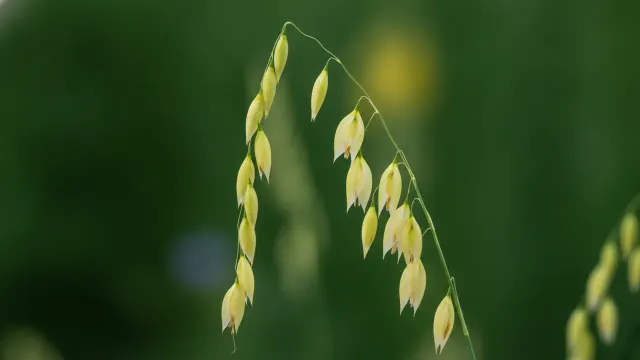
Northern Sea Oats
Takes part shade to full shade and moderate water; its seed heads stand through winter, for structure and the birds; taller at 3.5 ft, for the layer behind it.

Rhododendron
Takes part shade to full shade and moderate water; evergreen, so the bed keeps its shape through winter; taller at 6 ft, for the layer behind it.

Camellia
Takes part shade to full shade and moderate water; evergreen, so the bed keeps its shape through winter; taller at 6.5 ft, for the layer behind it.
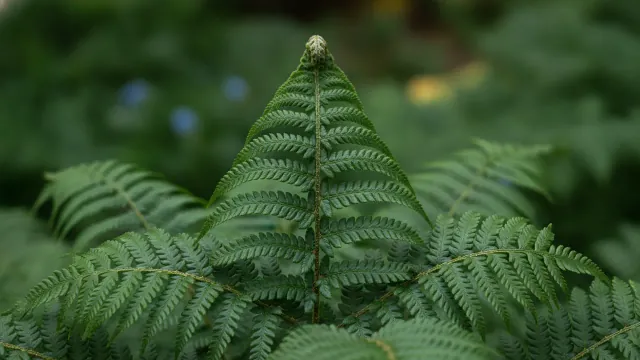
Christmas Fern
Shares full shade and moderate water; evergreen, so the bed keeps its shape through winter.

Hellebore
Takes part shade to full shade and moderate water; evergreen, so the bed keeps its shape through winter.
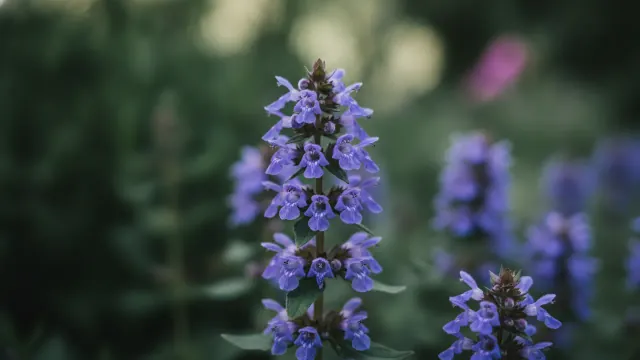
Bugleweed
Takes part shade to full shade and moderate water; evergreen, so the bed keeps its shape through winter; lower at 6 in, for the front of the border; a vigorous spreader, so give it room or an edging.
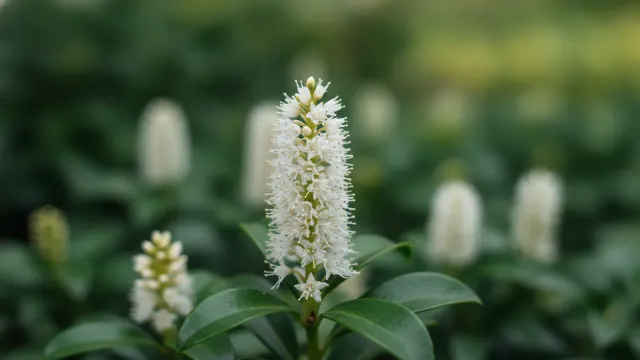
Pachysandra
Shares full shade and moderate water; evergreen, so the bed keeps its shape through winter; lower at 8 in, for the front of the border; a vigorous spreader, so give it room or an edging.
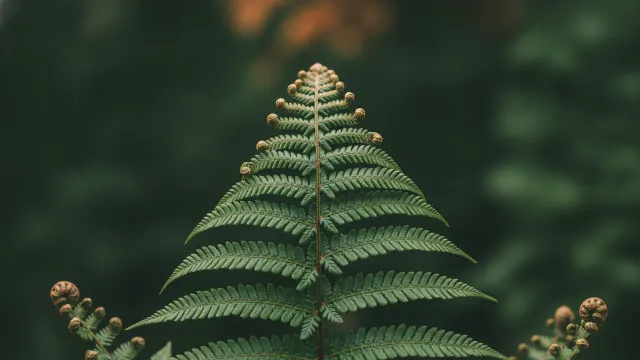
Autumn Fern
Takes part shade to full shade and moderate water; evergreen, so the bed keeps its shape through winter.
Featured in these guides
Explore similar plants
You might also like
 Foliage

Design a garden with this
Drop this plant onto a 3D plan, see how it fills in, and watch your whole garden bloom across the year.