
Pets
Garden Plants Toxic to Dogs and Cats: Every Listed Plant, by Type
Every plant in our library that a named authority lists as toxic to dogs or cats, sorted by type, with the institution behind each listing named and linked.
Gardeners with a dog that digs or a cat that chews ask this before they plant, and the honest answer has two halves: what the authorities list, and what nobody has finished checking. This page is the first half, for every plant in our library. A plant is here when a named authority, such as an extension service, a horticultural society or a pet poison service, lists it as toxic to dogs or to cats. One listing is enough, and where another source we check disagrees, the warning still stands and the plant's line says so.
Which garden plants are toxic to dogs and cats?
Of the 2,032 plants in our library, 751 are listed as toxic to dogs or cats by at least one named authority. Counted by kind, with every variety of a plant together, that is 132 kinds, sorted by type below, each linked to its plant page, where the listing is named.
Listed as toxic to dogs or cats by the authority named on each plant's page.
The ones most gardens already grow
Start here: these are the kinds most likely to be in your ground or on your patio already. Each row prints the plant's own listing, and how many of the library's varieties it stands for.
Asiatic LilyLilium
Listed as toxic to dogs by University of Vermont Extension. Another source we check lists it as non-toxic; where sources disagree, the warning is shown.
Listed as toxic to cats by NC State Extension, University of Vermont Extension, Pet Poison Helpline and Royal Horticultural Society.
All 5 plants in this group
AzaleaRhododendron
Listed as toxic to dogs and cats by NC State Extension, Pet Poison Helpline and Royal Horticultural Society.
All 36 plants in this group
Bigleaf HydrangeaHydrangea macrophylla
Listed as toxic to dogs and cats by NC State Extension, Pet Poison Helpline and Royal Horticultural Society.
All 24 plants in this group
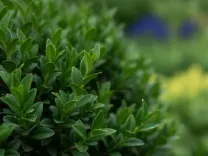
BoxwoodBuxus
Listed as toxic to dogs by NC State Extension, Pet Poison Helpline and Royal Horticultural Society.
Listed as toxic to cats by NC State Extension and Pet Poison Helpline.
All 8 plants in this group
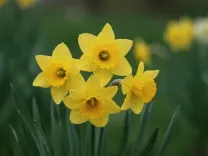
DaffodilNarcissus
Listed as toxic to dogs and cats by NC State Extension, Pet Poison Helpline and Royal Horticultural Society.
All 17 plants in this group
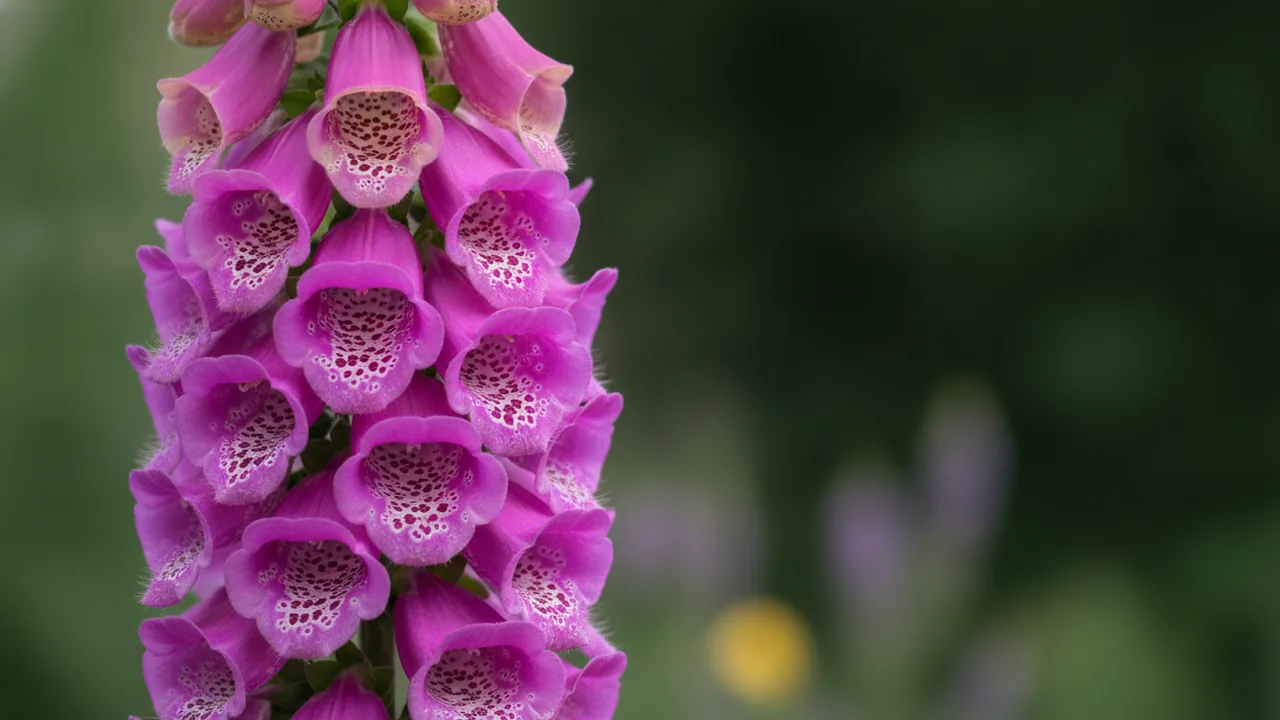
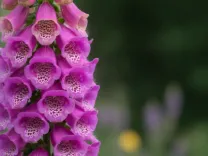
FoxgloveDigitalis
Listed as toxic to dogs and cats by NC State Extension and Royal Horticultural Society.
All 11 plants in this group
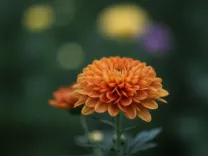
Garden MumChrysanthemum
Listed as toxic to dogs by NC State Extension and Pet Poison Helpline.
Listed as toxic to cats by NC State Extension.
All 15 plants in this group
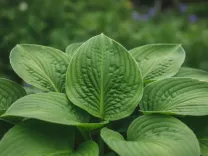
HostaHosta
Listed as toxic to dogs and cats by NC State Extension and Pet Poison Helpline.
All 24 plants in this group
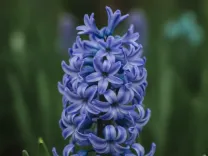
HyacinthHyacinthus orientalis
Listed as toxic to dogs and cats by NC State Extension, Pet Poison Helpline and Royal Horticultural Society.
All 12 plants in this group
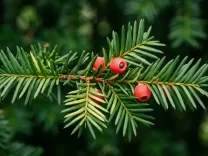
Japanese YewTaxus cuspidata
Listed as toxic to dogs and cats by NC State Extension, Pet Poison Helpline and Royal Horticultural Society.
All 4 plants in this group
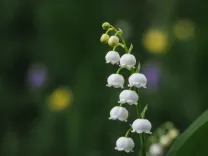
Lily of the ValleyConvallaria majalis
Listed as toxic to dogs and cats by NC State Extension, Pet Poison Helpline and Royal Horticultural Society.
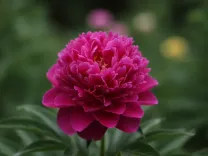
PeonyPaeonia
Listed as toxic to dogs and cats by NC State Extension, Pet Poison Helpline and Royal Horticultural Society.
All 16 plants in this group
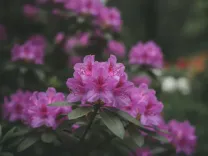
RhododendronRhododendron
Listed as toxic to dogs and cats by NC State Extension, Pet Poison Helpline and Royal Horticultural Society.
All 19 plants in this group
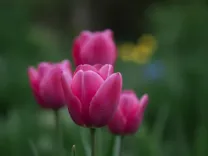
TulipTulipa
Listed as toxic to dogs and cats by NC State Extension and Pet Poison Helpline.
All 21 plants in this group
Every listed plant, by type
The complete list, one growth habit at a time. A chip names a plant, or a group of varieties, and opens a plant page where the listing is named and linked. When only some of a group's varieties carry the listing, the chip names the group and says how many.
Bulbs
23 kinds, 172 plants counting every variety
Perennials
36 kinds, 205 plants counting every variety
Annuals
22 kinds, 127 plants counting every variety
Shrubs
27 kinds, 146 plants counting every variety
Climbers
15 kinds, 49 plants counting every variety
How to read a listing
Every line on this page is one plant's own listing, in the same words its plant page uses. A toxic line names the institution whose own page lists the plant as toxic to that animal, and links that page. When dogs and cats read differently, each gets its own line. A line that says another source we check lists it differently marks a disagreement: one source warns, another does not, and the warning is what you see.
Not being on this list is not the same as being listed as non-toxic. 723 plants in our library are not yet checked for either animal, and a plant with no toxic listing found is only that: none of the sources we check lists it. Our plant library's pet filter keeps the plants listed as non-toxic and the ones with no toxic listing found, and leaves out the rest.
What should I do if my dog or cat eats a plant on this list?
Call your veterinarian or a pet poison helpline, and have the plant's name ready; its plant page, a label or a photo all help. The number for one helpline that answers around the clock is in the box near the top of this page. A listing says a plant is toxic to an animal; it does not say how much is too much, and only someone who can examine your pet can.
Why are dogs and cats listed separately?
Because the sources list them separately. A plant can be listed for one animal and not yet checked for the other, and its line says exactly that rather than assuming the two match.
Why does a plant read toxic when another source disagrees?
Where the sources we check disagree, the warning is what stands, and the plant's line says that another source lists it differently. Two lists disagreeing is a reason for caution, not a tie.
Where do these listings come from?
From the pet listings our library reads for every plant. Each plant is looked up in the sources named at the top of this page, and a listing can also come from another institution's own page, which the plant's line names and links. What each answer means, and how it is read, is on our verified plants page.
Is a plant with no toxic listing fine to grow around pets?
It means none of the sources we check lists it as toxic, which is less than a clearance: every list is incomplete. For plants an authority has listed as non-toxic to dogs and cats, our short list is the place to start.
Sources for these listings
Every plant on this page is looked up in NC State Extension, Royal Horticultural Society and Pet Poison Helpline, the sources we check. Each plant's own line names the institution that lists it and links that institution's page for the plant. On this page:
- NC State Extensionnamed for 14 plants
- Pet Poison Helplinenamed for 13 plants
- Royal Horticultural Societynamed for 11 plants
- University of Vermont Extensionnamed for 1 plant
Lists differ and none is complete. If a pet eats a plant and seems unwell, call a veterinarian or a pet poison helpline. What each answer means, and what it does not: how the listings are read.
Design a garden in 3D
Open BloomsEye Studio, lay out a bed to scale, then watch the whole bed bloom across the year. New to it? See what the free garden planner does.