
 Illustration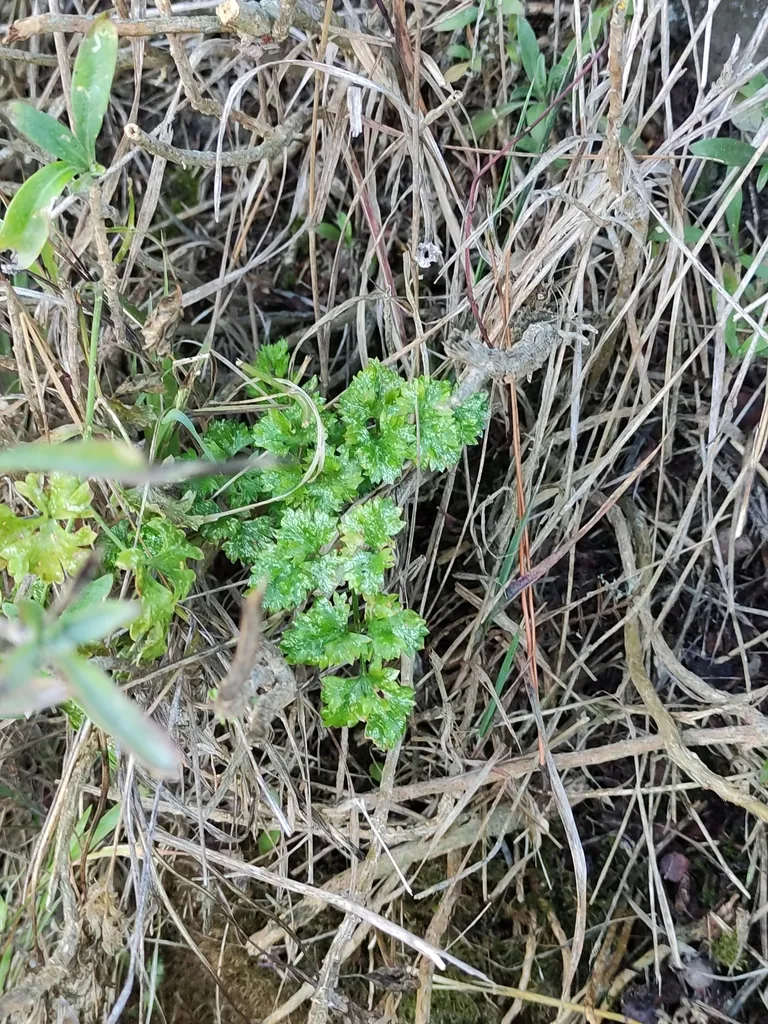
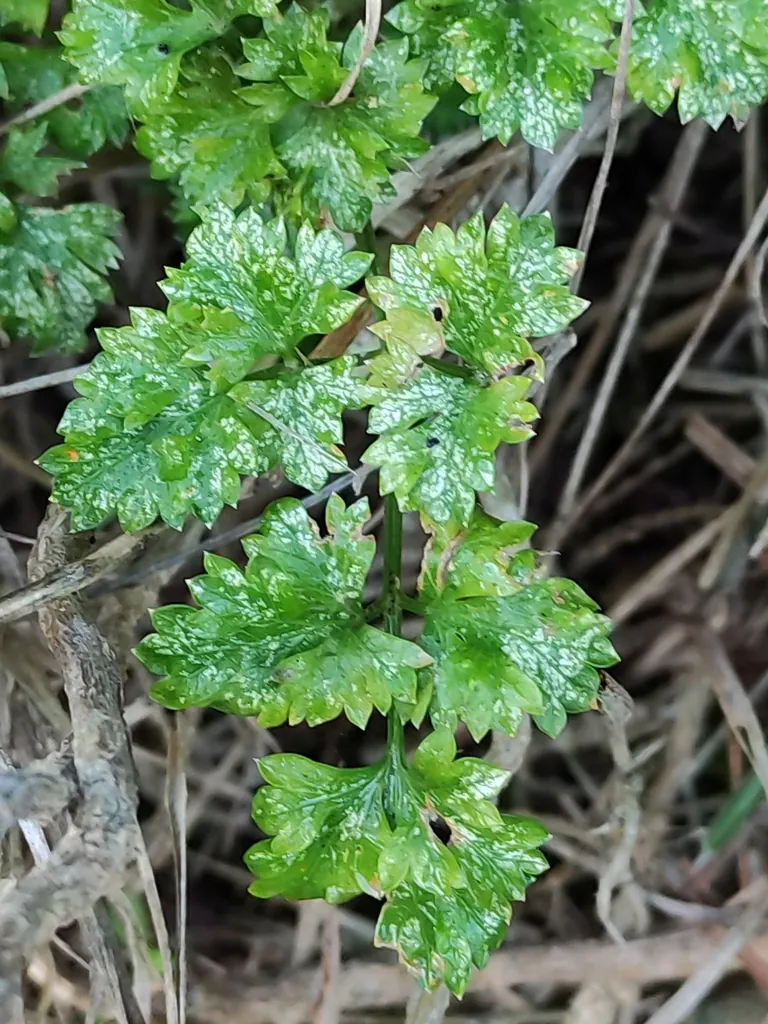
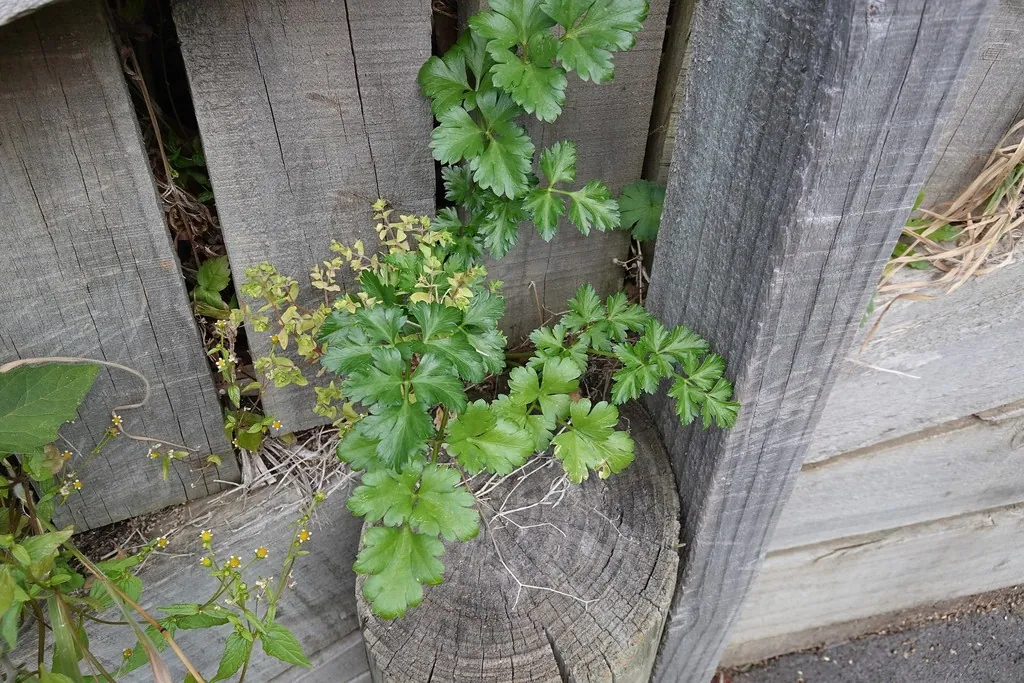
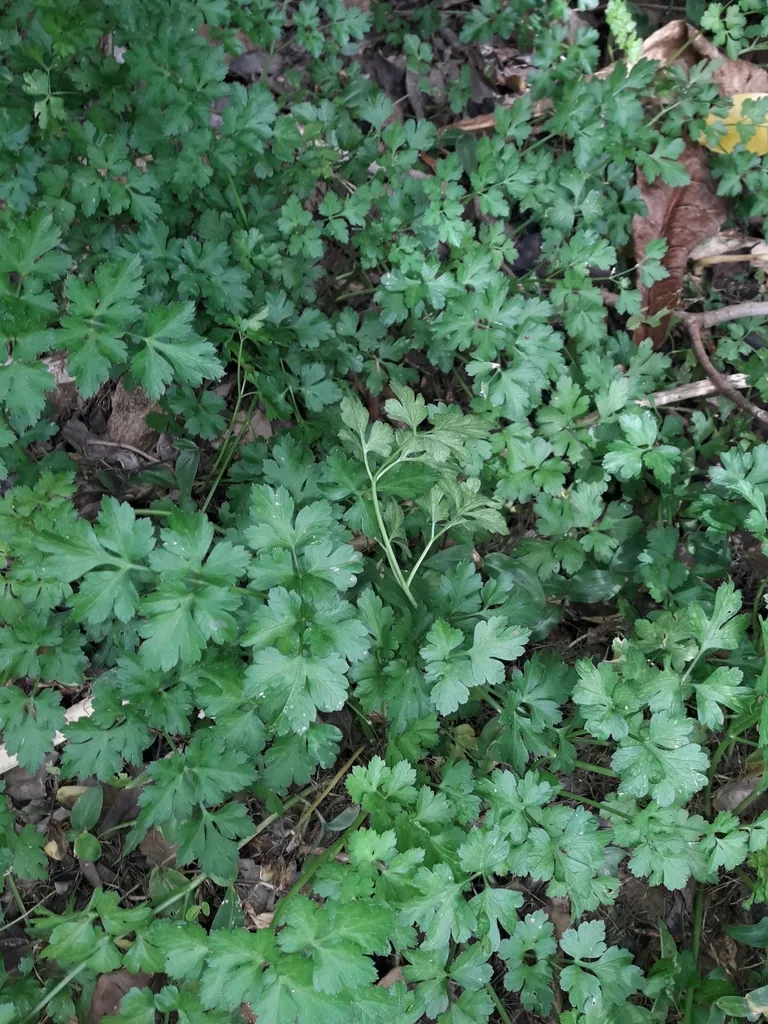

Photo credits and licenses
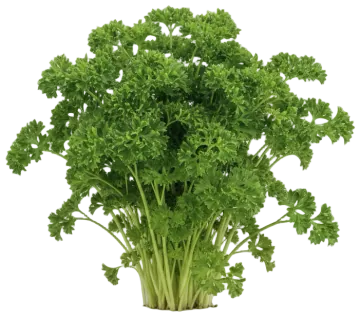
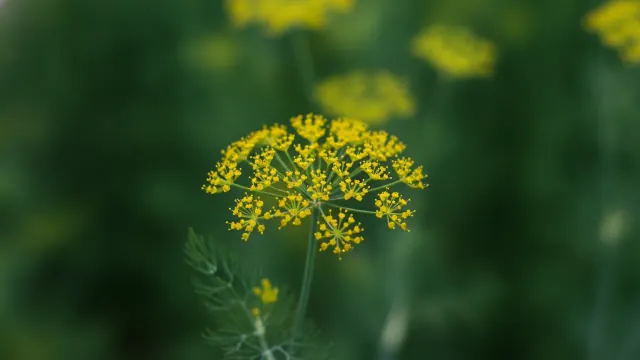
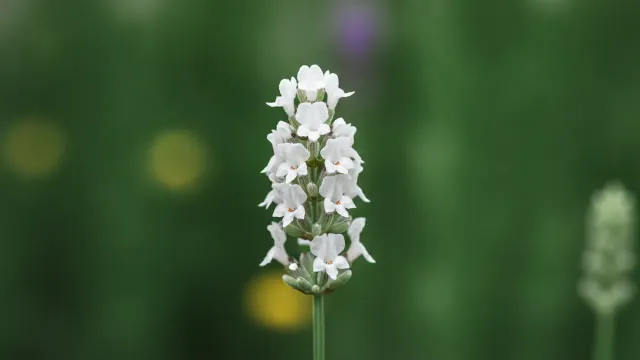
Real photographs from naturalists and photographers worldwide, each used under its own license. Credit: Photo by Jenny Saito / iNaturalist (CC BY), Photo by Jenny Saito / iNaturalist (CC BY), Photo by Jon Sullivan / iNaturalist (CC BY) and Photo by naturewatchwidow / iNaturalist (CC BY). How photos are sourced →

Parsley
Petroselinum crispum
Parsley is grown for its foliage rather than flowers, giving the garden structure and color all season long.
Months here are Northern Hemisphere months; in the Southern Hemisphere, shift them by six months.
Growing Parsley
Plant it in part sun. It prefers moderate water. It is hardy in USDA zones 5–9. Expect it to reach about 12 in tall and 12 in wide at maturity, in roughly 1 year (not yet checked).
What was checked
Mature height and spread, hardiness zones, sun and the trait tags were checked against named botanical sources for this plant. The bloom months and water need on this page were not, and each fact above says which. The planting, spacing and size sections are derived from these checked facts by a fixed rule, not checked separately, and the plant type is the library's own classification.
When to plant Parsley
Parsley is a cool-season annual: plant it out in early spring as soon as the soil can be worked, a few weeks before the last frost, since it takes light frost and fades in summer heat; in mild-winter zones it also goes in during fall. In zone 7, the middle of its hardy zones 5 to 9, that means March or April.
Month-by-month timing for your zone is on the planting calendar; if you garden near zone 7, the middle of this plant's hardy range, start with zone 7 in March. Derived from the plant's category, zones and bloom months plus typical zone frost dates, not checked separately.
How big does Parsley get?
 12 intall5 ft 7 inan adult12 inwide
See Parsley in a garden plan: the planner shows it in 3D beside everything else you add, growing toward this size over the years.
How far apart to plant Parsley
Derived from the mature spread above by a fixed rule, not checked separately: spacing is the spread, center to center.
Space Parsley about 12 in apart, center to center, so each plant has room to reach its full width.
Add Parsley to a garden plan and the planner draws it at its full width, so you see the spacing before you buy.
Where these facts come from
Parsley's height, spread, hardiness zones, sun and trait tags were checked against 7 published sources on July 29, 2026. Each one is linked below with every fact it carried, which can include a fact this page still marks as not yet checked, because a source carrying a value is not the same as the value being held to the standard. Facts not in that list, and the planting, spacing and size sections, are not covered by these sources.
- Missouri Botanical Gardenheight, spread, hardiness zones, sun and trait tags
- NC State ExtensionPlant Toolboxheight, spread, sun and trait tags
- mountainvalleygrowers.comMountain Valley Growersheight, hardiness zones and sun
- University of Minnesota Extensionheight, sun and trait tags
- University of Florida IFASUF/IFAS Extension Gardening Solutionssun and trait tags
- University of Illinois Extensionsun and trait tags
- University of Wisconsin HorticultureWisconsin Horticultureheight and trait tags
How the checking works, and what each standard covers, is on the verified plants page.
Good to know about Parsley
Curated from university extensions, botanic gardens and other primary sources, with the source named on every note. A note reports what its source says; where that differs from a fact above, the fact above is this entry's stored value, and its mark says whether it has been checked.
Safety
The ASPCA lists it toxic to dogs, cats and horses: eaten in quantity plus sun, it can cause skin reactions and stomach upset. A normal food for people. per ASPCA
Worth knowing
Parsley is really a biennial, not an annual. Year one it grows the leafy rosette you harvest; if it overwinters, year two it bolts, turns bitter and dies. per NC State
How much sun it wants
Full sun where summers are cool; partial or afternoon shade where summers are hot and humid, which keeps it from wilting and bolting. Part-sun suits most gardens. per Minnesota and Clemson
Black swallowtail caterpillar host
Like dill and fennel, parsley feeds black swallowtail caterpillars on its first-year leaves. Damage is minor since they are few; handpick or tolerate them, or plant extra for the butterfly. per Wisconsin
Slow, erratic to germinate
Seed takes two to five weeks to sprout, and unevenly. Soak it overnight first, or start from transplants; older seed germinates worse. per Illinois
Wants rich, moist soil
Unlike lavender or thyme, parsley wants rich, moist, well-drained soil full of organic matter, near-neutral pH (about 6.0 to 7.0). Do not give it lean, dry ground. per NC State
Curly, flat-leaf, and Hamburg
Three kinds: curly for garnish, flat-leaf (Italian) with stronger, sweeter flavor from more essential oil, and Hamburg, grown for its parsnip-like edible root. per Wisconsin
What pairs well with Parsley
Good companions share its growing conditions and add something it lacks: an earlier or later bloom, a lower carpet in front, or structure through winter.
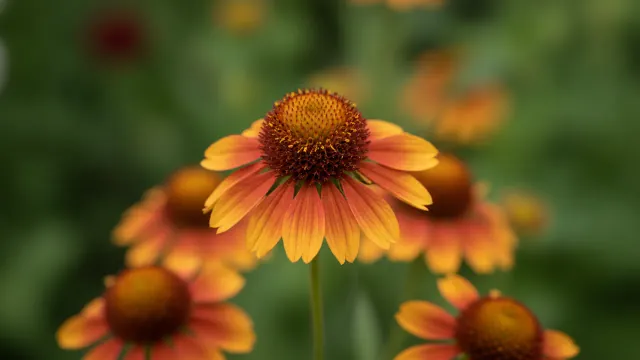
Sneezeweed
Takes full sun to part sun and moderate water; its seed heads stand through winter, for structure and the birds; taller at 3.5 ft, for the layer behind it.
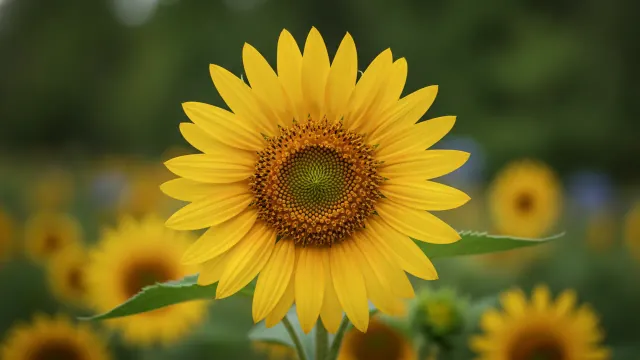
Perennial Sunflower
Takes full sun to part sun and moderate water; its seed heads stand through winter, for structure and the birds; taller at 5 ft, for the layer behind it.
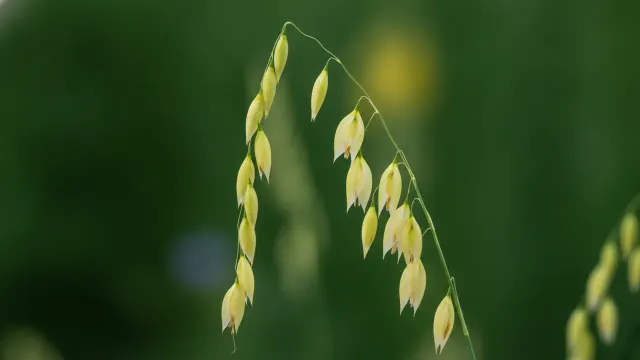
Northern Sea Oats
Takes part sun to part shade and moderate water; its seed heads stand through winter, for structure and the birds; taller at 3.5 ft, for the layer behind it.
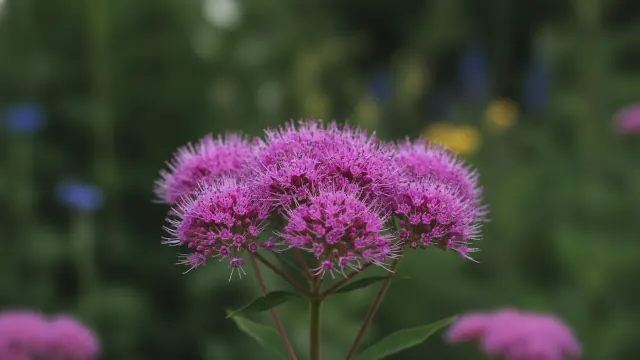
Joe Pye Weed
Takes full sun to part sun and moderate to high water; its seed heads stand through winter, for structure and the birds; taller at 6 ft, for the layer behind it.
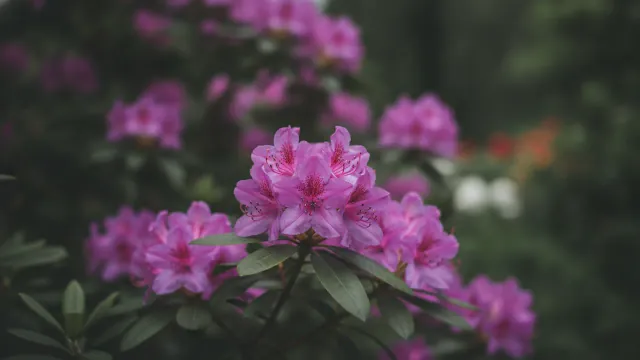
Rhododendron
Takes part sun to part shade and moderate water; evergreen, so the bed keeps its shape through winter; taller at 6 ft, for the layer behind it.
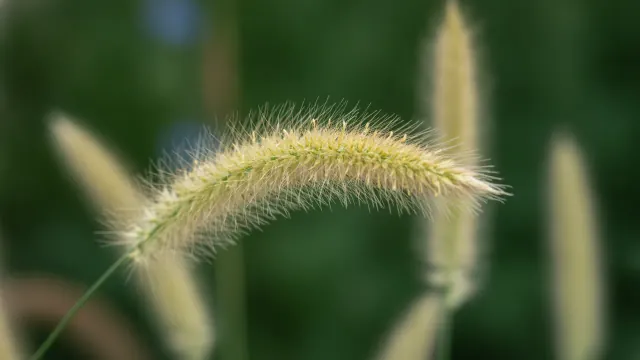
Feather Reed Grass
Takes full sun to part sun and moderate water; its seed heads stand through winter, for structure and the birds; taller at 5 ft, for the layer behind it.
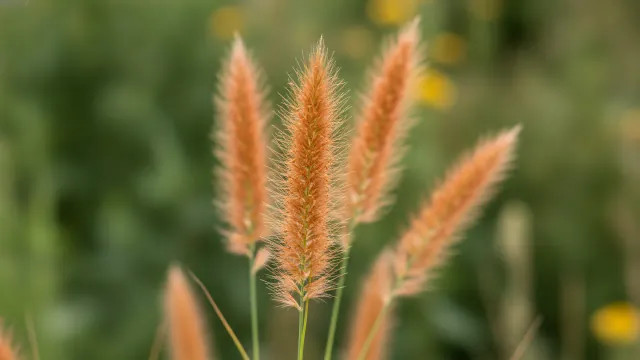
Little Bluestem
Takes full sun to part sun and low to moderate water; its seed heads stand through winter, for structure and the birds; taller at 3.5 ft, for the layer behind it.
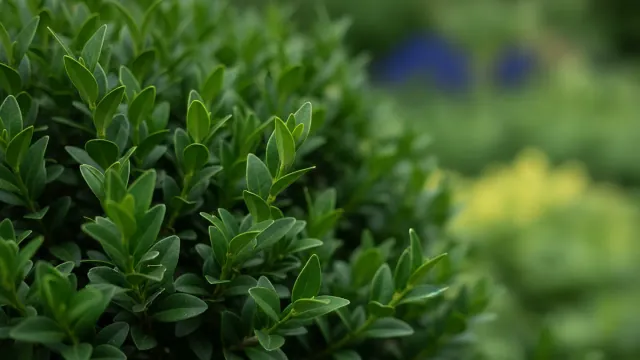
Boxwood
Takes full sun to part sun and moderate water; evergreen, so the bed keeps its shape through winter; taller at 4 ft, for the layer behind it.
Explore similar plants
You might also like
 Foliage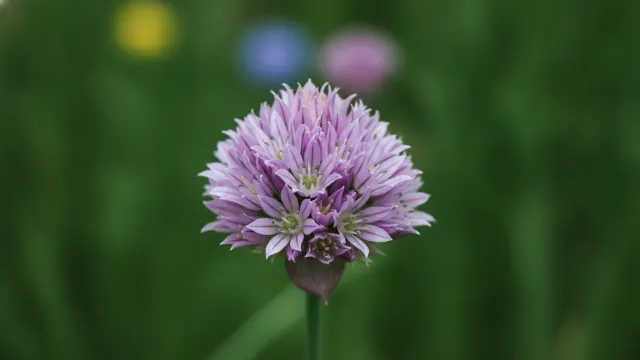
Design a garden with this
Drop this plant onto a 3D plan, see how it fills in, and watch your whole garden bloom across the year.