
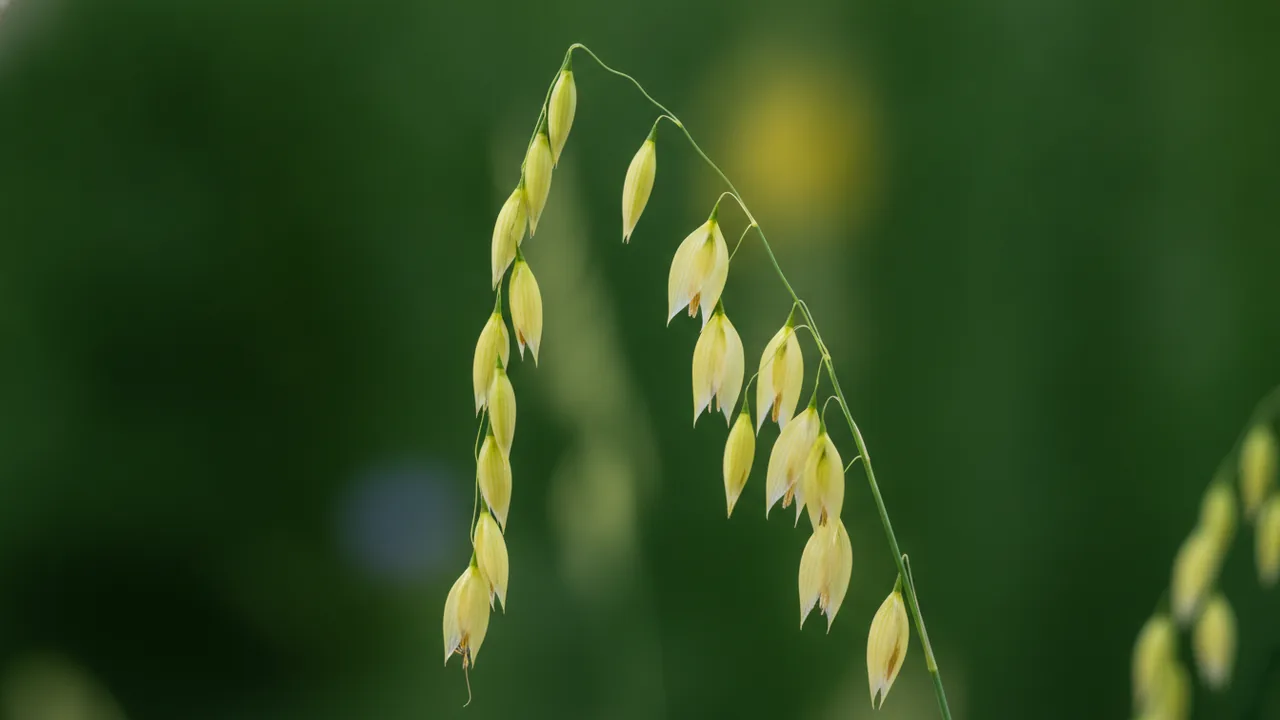
 Illustration

Northern Sea Oats
Chasmanthium latifolium
Northern Sea Oats blooms from July through September.
Months here are Northern Hemisphere months; in the Southern Hemisphere, shift them by six months.
Growing Northern Sea Oats
Plant it in part shade. It prefers moderate water. It is hardy in USDA zones 3–8. Expect it to reach about 3.5 ft tall and 2 ft wide at maturity, in roughly 2 years (not yet checked).
No toxicity note is on file for Northern Sea Oats. That is not a clearance: check its safety for people and pets before planting.
What was checked
Mature height and spread, hardiness zones, sun and the trait tags were checked against named botanical sources for this plant. The bloom months and water need on this page were not, and each fact above says which. The planting, spacing and size sections are derived from these checked facts by a fixed rule, not checked separately, and the plant type is the library's own classification.
When to plant Northern Sea Oats
Plant Northern Sea Oats in early spring as soon as the soil is workable, or in early fall at least six weeks before your first frost, so roots establish in cool weather. In zone 5, the middle of its hardy zones 3 to 8, spring means April to June and fall means August or September. Once settled, it blooms from July to September.
Month-by-month timing for your zone is on the planting calendar; if you garden near zone 5, the middle of this plant's hardy range, start with zone 5 in April. Derived from the plant's category, zones and bloom months plus typical zone frost dates, not checked separately.
How big does Northern Sea Oats get?
 3.5 fttall5 ft 7 inan adult2 ftwide
See Northern Sea Oats in a garden plan: the planner shows it in 3D beside everything else you add, growing toward this size over the years.
How far apart to plant Northern Sea Oats
Derived from the mature spread above by a fixed rule, not checked separately: spacing is the spread, center to center.
Space Northern Sea Oats about 2 ft apart, center to center, so each plant has room to reach its full width.
Add Northern Sea Oats to a garden plan and the planner draws it at its full width, so you see the spacing before you buy.
Where these facts come from
Northern Sea Oats' height, spread, hardiness zones, sun and trait tags were checked against 5 published sources on July 29, 2026. Each one is linked below with every fact it carried, which can include a fact this page still marks as not yet checked, because a source carrying a value is not the same as the value being held to the standard. Facts not in that list, and the planting, spacing and size sections, are not covered by these sources.
- Missouri Botanical Gardenheight, spread, hardiness zones, sun and trait tags
- NC State ExtensionPlant Toolboxheight, spread, hardiness zones, sun and trait tags
- Plant Delights Nurseryheight, hardiness zones, sun and trait tags
- Prairie Moon Nurseryheight, hardiness zones, sun and trait tags
- Lady Bird Johnson Wildflower Centerheight, sun and trait tags
How the checking works, and what each standard covers, is on the verified plants page.
1 more variety in the Northern Sea Oats group
Same plant, same care - pick the variety you are growing.
Compare every variety in the Northern Sea Oats group
Every figure is the variety's own page fact. Tap a name to open it.
| Variety | Color | Blooms | Hardiness | Sun | Size (H × W) |
|---|---|---|---|---|---|
| Northern Seathis page | Orange | Jul–Sep | Zones 3–8 | Part shade | 3.5 ft × 2 ft |
| River Mist | White | Jul–Sep | Zones 3–8 | Part shade | 3 ft × 2 ft |
Good to know about Northern Sea Oats
Curated from university extensions, botanic gardens and other primary sources, with the source named on every note. A note reports what its source says; where that differs from a fact above, the fact above is this entry's stored value, and its mark says whether it has been checked.
Worth knowing
One of the very few ornamental grasses that genuinely thrives in real shade, where most grasses fail. In strong sun without enough moisture the foliage yellows. per NC State
Zone range varies by source
Sources split on cold hardiness: NC State puts the reliable floor at zone 5, Missouri Botanical at zone 3. Its native range into central Canada backs the colder figure. per NC State and Missouri Botanical
Deer resistant, not deer-proof
NC State rates it highly deer-resistant, but Missouri Department of Conservation notes deer eat the seeds and foliage. Usually left alone, it will be browsed under pressure. per NC State and Missouri Department of Conservation
Self-seeds prolifically; contain it
It self-seeds very freely and seedlings pop up everywhere. Shear the seed heads before they ripen, pull volunteers, or confine it to an edged bed or container. per NC State
Signature flat seed heads
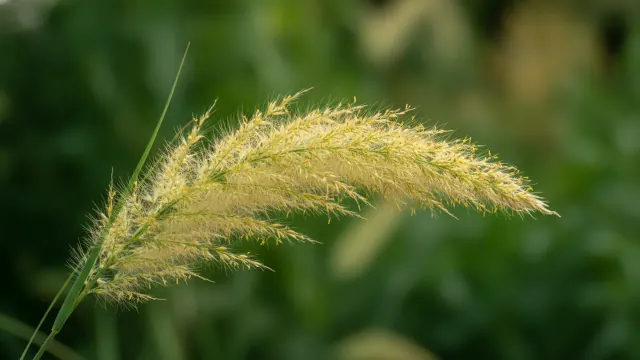
Flat, drooping, oat-like spikelets dangle on thread-thin stems and flutter in the slightest breeze. They emerge green, then turn tan and finally purplish bronze. per NC State
Winter interest and dried bouquets
The persistent seed heads carry winter interest and are prized fresh or dried. Harvest them green to bronze for arrangements; early cutting also removes seed before it self-sows. per NC State
Larval host and bird food
A larval host for the Northern Pearly-Eye butterfly and several native skippers; the abundant seeds feed birds, including turkey and quail, plus small mammals. per NC State
What pairs well with Northern Sea Oats
Good companions share its growing conditions and add something it lacks: an earlier or later bloom, a lower carpet in front, or structure through winter.
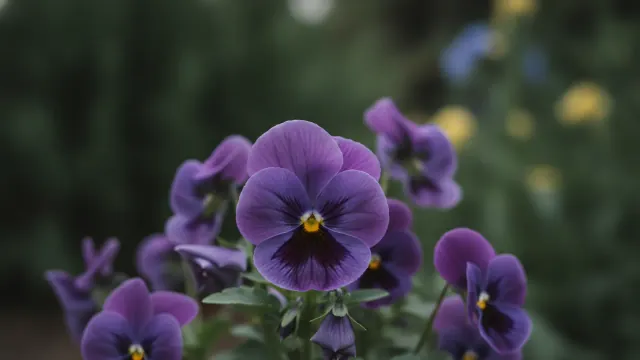
Pansy
Takes part sun to part shade and moderate water; blooms in early spring, before this one opens; lower at 8 in, for the front of the border; purple against orange, for contrast.
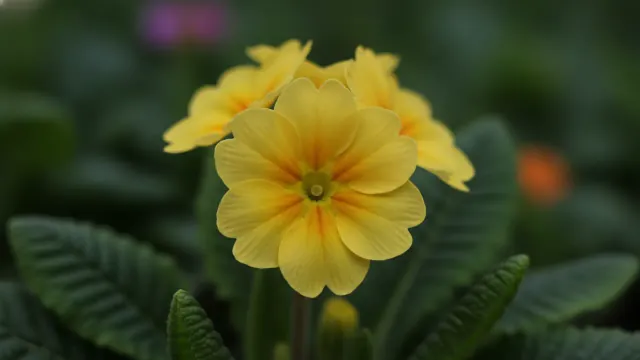
Primrose
Shares part shade and moderate water; blooms in early spring, before this one opens; lower at 8 in, for the front of the border; yellow sits close to orange on the wheel.
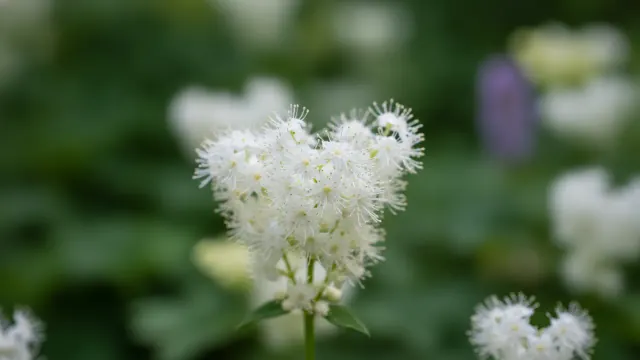
Foam Flower
Shares part shade and moderate water; blooms in mid spring, before this one opens; lower at 12 in, for the front of the border; both are North American natives.
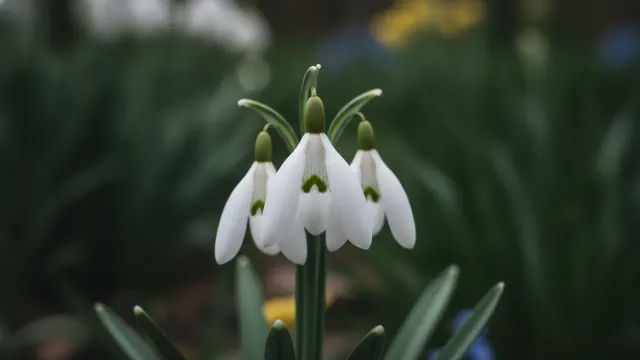
Snowdrop
Shares part shade and moderate water; blooms in late winter, before this one opens; low at 5 in, to carpet the ground beneath; its white flowers settle the orange.
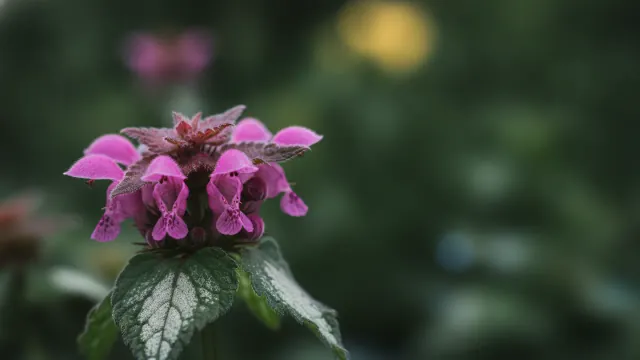
Dead Nettle
Shares part shade and moderate water; opens in late spring and overlaps into this one's season; lower at 8 in, for the front of the border.
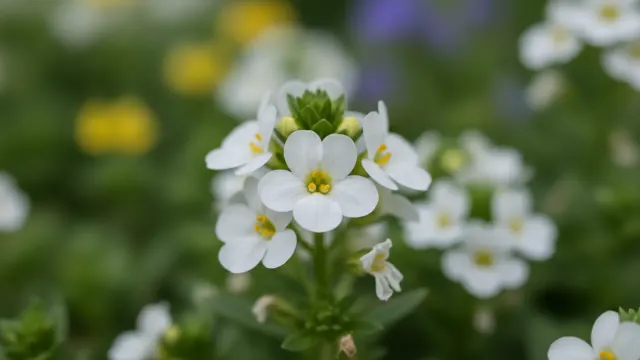
Bacopa
Takes part sun to part shade and moderate water; low at 6 in, to carpet the ground beneath; overlaps, then carries the display into mid fall; its white flowers settle the orange.
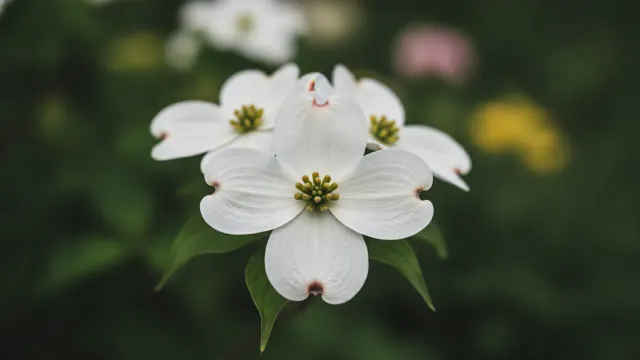
Flowering Dogwood
Shares part shade and moderate water; blooms in mid spring, before this one opens; stands well above at 23 ft, a canopy to plant beneath; both are North American natives.

Windflower
Takes part sun to part shade and moderate water; blooms in early spring, before this one opens; low at 6 in, to carpet the ground beneath; blue against orange, for contrast.
Explore similar plants
You might also like
Design a garden with this
Drop this plant onto a 3D plan, see how it fills in, and watch your whole garden bloom across the year.