
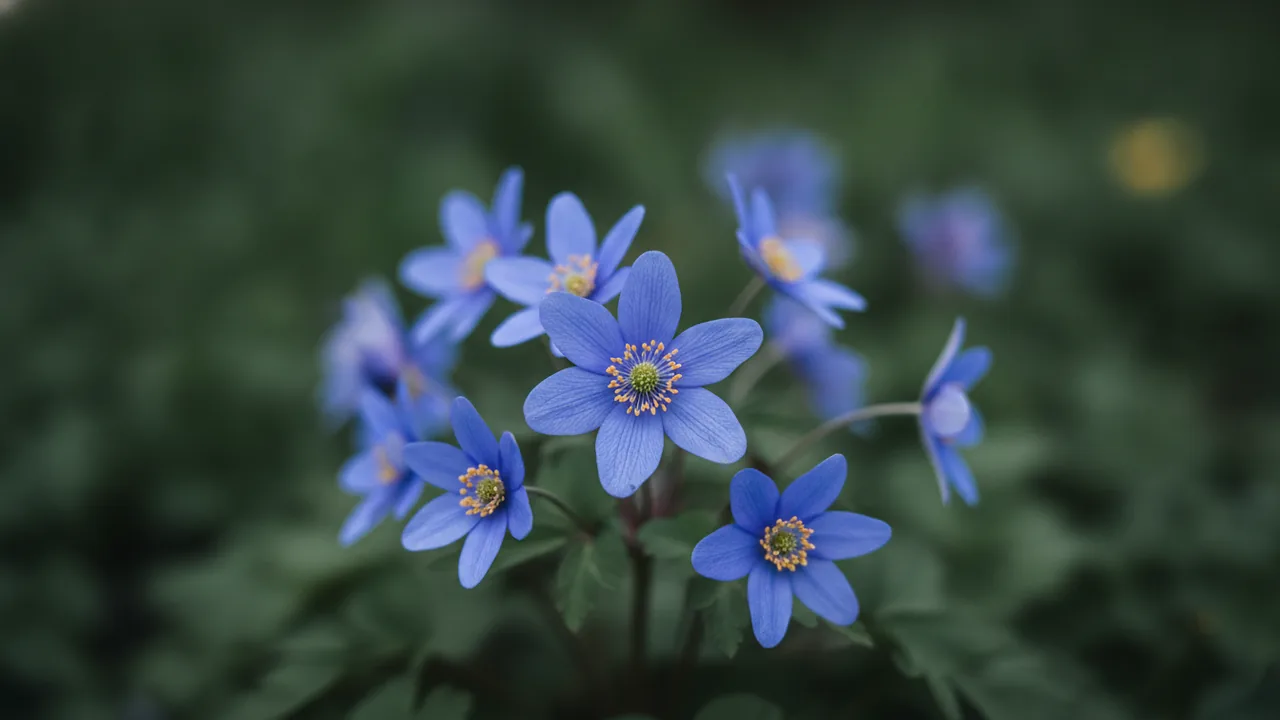
 Illustration

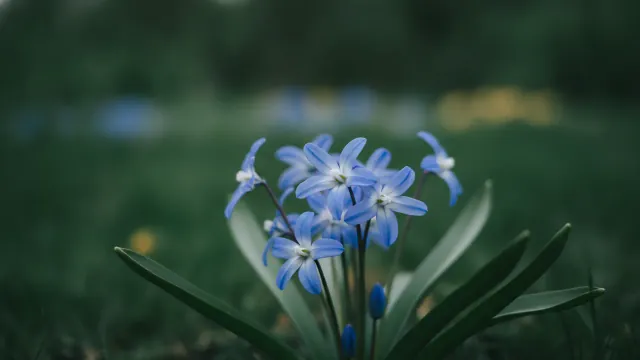
Windflower
Anemone blanda
Windflower blooms from March through April.
Months here are Northern Hemisphere months; in the Southern Hemisphere, shift them by six months.
Growing Windflower
Plant it in part sun. It prefers moderate water. It is hardy in USDA zones 4–8. Expect it to reach about 6 in tall and 4 in wide at maturity, in roughly 1 year (not yet checked).
What was checked
Mature height and spread, hardiness zones, sun and the trait tags were checked against named botanical sources for this plant. The bloom months and water need on this page were not, and each fact above says which. The planting, spacing and size sections are derived from these checked facts by a fixed rule, not checked separately, and the plant type is the library's own classification.
When to plant Windflower
Windflower is a fall-planted bulb: get it in the ground 6 to 8 weeks before the ground freezes, typically September or October in zone 6, the middle of its hardy zones 4 to 8. It pays you back the following March to April.
Month-by-month timing for your zone is on the planting calendar; if you garden near zone 6, the middle of this plant's hardy range, start with zone 6 in September. Derived from the plant's category, zones and bloom months plus typical zone frost dates, not checked separately.
How big does Windflower get?
 6 intall5 ft 7 inan adult4 inwide
See Windflower in a garden plan: the planner shows it in 3D beside everything else you add, growing toward this size over the years.
Where these facts come from
Windflower's height, spread, hardiness zones, sun and trait tags were checked against 8 published sources on July 30, 2026. Each one is linked below with every fact it carried, which can include a fact this page still marks as not yet checked, because a source carrying a value is not the same as the value being held to the standard. Facts not in that list, and the planting, spacing and size sections, are not covered by these sources.
- Missouri Botanical GardenAnemone blandaheight, spread, hardiness zones, sun, years to mature size and trait tags
- NC State ExtensionAnemone blandaheight, spread, hardiness zones, sun, years to mature size and trait tags
- grow.edenbrothers.comEden Brothers Planting Guides (Anemone blanda bulbs)height, hardiness zones, sun and trait tags
- Holland Bulb FarmsGrecian Windflower, Anemone blandaheight, hardiness zones, sun and trait tags
- Van EngelenAnemone blanda horticultural tipsheight, hardiness zones, sun and trait tags
- vanzyverden.comVan Zyverden Garden Guide (Anemone blanda)height, hardiness zones, sun and trait tags
- John ScheepersThe Anemone blanda Windflower Mixtureheight, hardiness zones and sun
- onrockgarden.comOntario Rock Garden and Hardy Plant Society, Plant of the Month (Anemo...height, hardiness zones and sun
How the checking works, and what each standard covers, is on the verified plants page.
Comes in 5 varieties across 4 colors
Same plant, same care - pick the color you are growing.
Compare every variety in the Windflower group
Every figure is the variety's own page fact. Tap a name to open it.
| Variety | Color | Blooms | Hardiness | Sun | Size (H × W) |
|---|---|---|---|---|---|
| Blue Shades | Blue | Mar–Apr | Zones 4–8 | Part sun | 6 in × 4 in |
| Charmer | Pink | Mar–Apr | Zones 4–8 | Part sun | 6 in × 4 in |
| Pink Star | Pink | Mar–Apr | Zones 4–8 | Part sun | 6 in × 4 in |
| Radar | Pink | Mar–Apr | Zones 4–8 | Part sun | 6 in × 4 in |
| White Splendour | White | Mar–Apr | Zones 4–8 | Part sun | 6 in × 4 in |
| Windflowerthis page | Blue | Mar–Apr | Zones 4–8 | Part sun | 6 in × 4 in |
Good to know about Windflower
Curated from university extensions, botanic gardens and other primary sources, with the source named on every note. A note reports what its source says; where that differs from a fact above, the fact above is this entry's stored value, and its mark says whether it has been checked.
Safety
All parts hold protoanemonin: fresh sap can redden and blister skin, and chewing it irritates the mouth and causes vomiting and diarrhea. per NC State and Cornell
Worth knowing
It flowers and stores energy before deciduous trees leaf out, then goes summer-dormant, so it thrives carpeting the ground under trees and shrubs. per NC State
Hardiness depends on drainage
The cold end is really a drainage question: the corms rot in cold, wet soil, so with sharp drainage Minnesota grows it as cold as zones 3 to 4. per NC State and University of Minnesota
Not the florist anemone
This hardy woodland corm is not Anemone coronaria, the taller, tender florist anemone rated hardy only in zones 7 to 10. Buying the wrong one is a common mistake. per NC State
Deer and rabbit resistant
Deer and rabbits mostly leave it alone: the same acrid, blistering sap that makes it toxic deters browsing. Resistance is relative, though, not a guarantee. per NC State and Missouri Botanical Garden
Spreads into wide drifts
Where happy it naturalizes into ever-widening drifts, spreading by tuberous rhizomes and self-seeding, with seedlings blooming in their second year. per NC State
Dried plant is far safer
As the plant dries, its toxin protoanemonin polymerizes to harmless anemonin, so dried material is far less irritating than the fresh, wound-released sap. per NC State and Cornell
What pairs well with Windflower
Good companions share its growing conditions and add something it lacks: an earlier or later bloom, a lower carpet in front, or structure through winter.
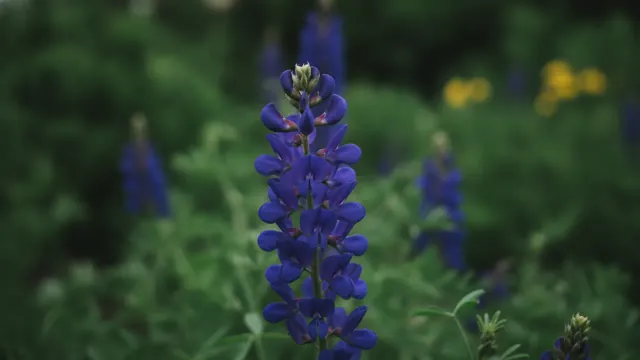
False Indigo
Takes full sun to part sun and low to moderate water; blooms in late spring as this one finishes; leafs out to hide the ripening bulb foliage as it dies back; stands well above at 3.5 ft, a canopy to plant beneath.
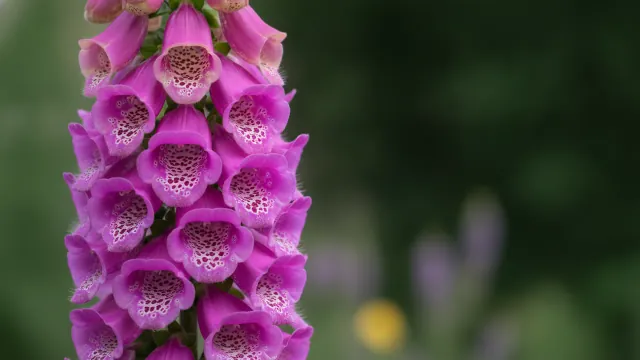
Foxglove
Takes part sun to part shade and moderate water; blooms in late spring as this one finishes; leafs out to hide the ripening bulb foliage as it dies back; stands well above at 4 ft, a canopy to plant beneath.
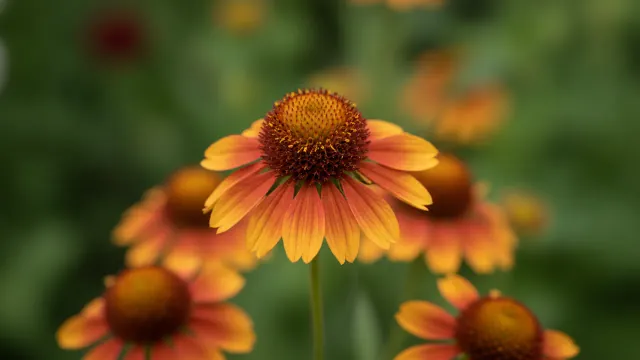
Sneezeweed
Takes full sun to part sun and moderate water; blooms in midsummer, extending the bed's season; stands well above at 3.5 ft, a canopy to plant beneath; both are strong pollinator plants, and they feed in different months.
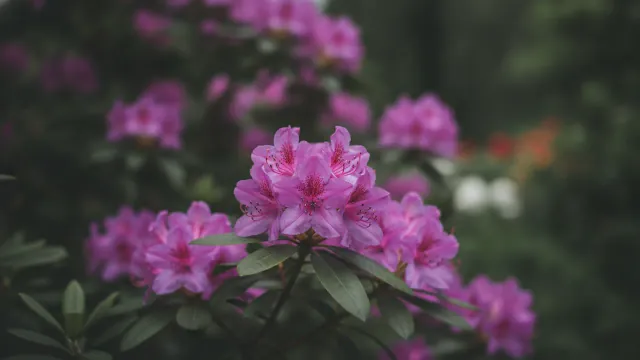
Rhododendron
Takes part sun to part shade and moderate water; blooms in late spring as this one finishes; stands well above at 6 ft, a canopy to plant beneath; both are strong pollinator plants, and they feed in different months.
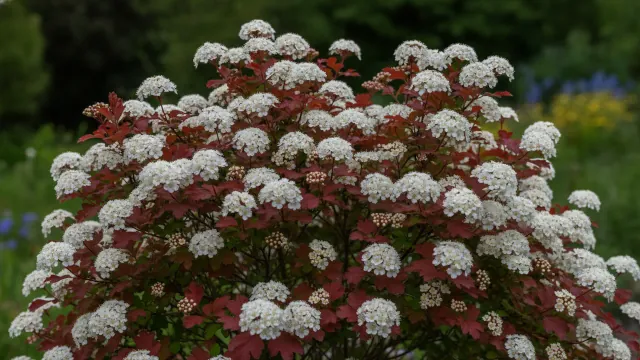
Ninebark
Takes full sun to part sun and moderate water; blooms in late spring as this one finishes; stands well above at 6.5 ft, a canopy to plant beneath; both are strong pollinator plants, and they feed in different months.
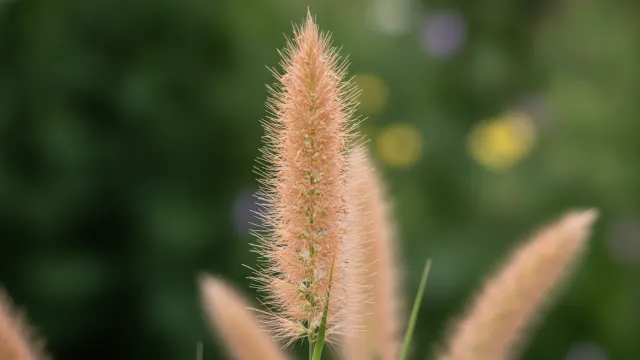
Switchgrass
Takes full sun to part sun and low to moderate water; blooms in late summer, extending the bed's season; stands well above at 5 ft, a canopy to plant beneath; both are strong pollinator plants, and they feed in different months.
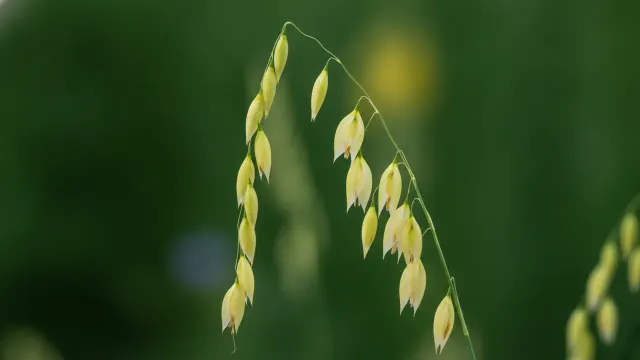
Northern Sea Oats
Takes part sun to part shade and moderate water; blooms in midsummer, extending the bed's season; stands well above at 3.5 ft, a canopy to plant beneath; its seed heads stand through winter, for structure and the birds.
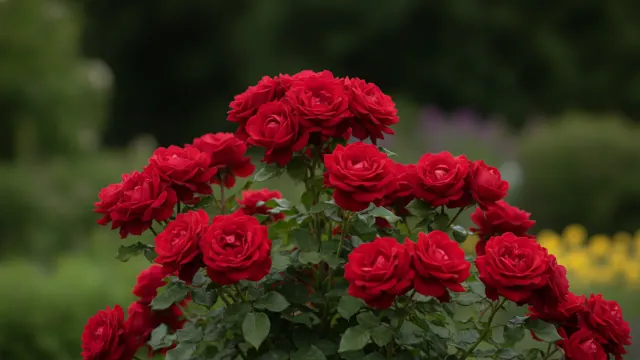
Hybrid Tea Rose
Takes full sun to part sun and moderate water; blooms in late spring as this one finishes; stands well above at 4 ft, a canopy to plant beneath; both are strong pollinator plants, and they feed in different months.
Featured in these guides
Explore similar plants
You might also like
Design a garden with this
Drop this plant onto a 3D plan, see how it fills in, and watch your whole garden bloom across the year.