
Pets
Spring Bulbs and Pets: Which Bulbs Are Toxic to Dogs and Cats
Spring bulbs go in the ground in fall. Bulb by bulb, what the authorities list for dogs and cats, and how gardeners plant bulbs around a dog that digs.
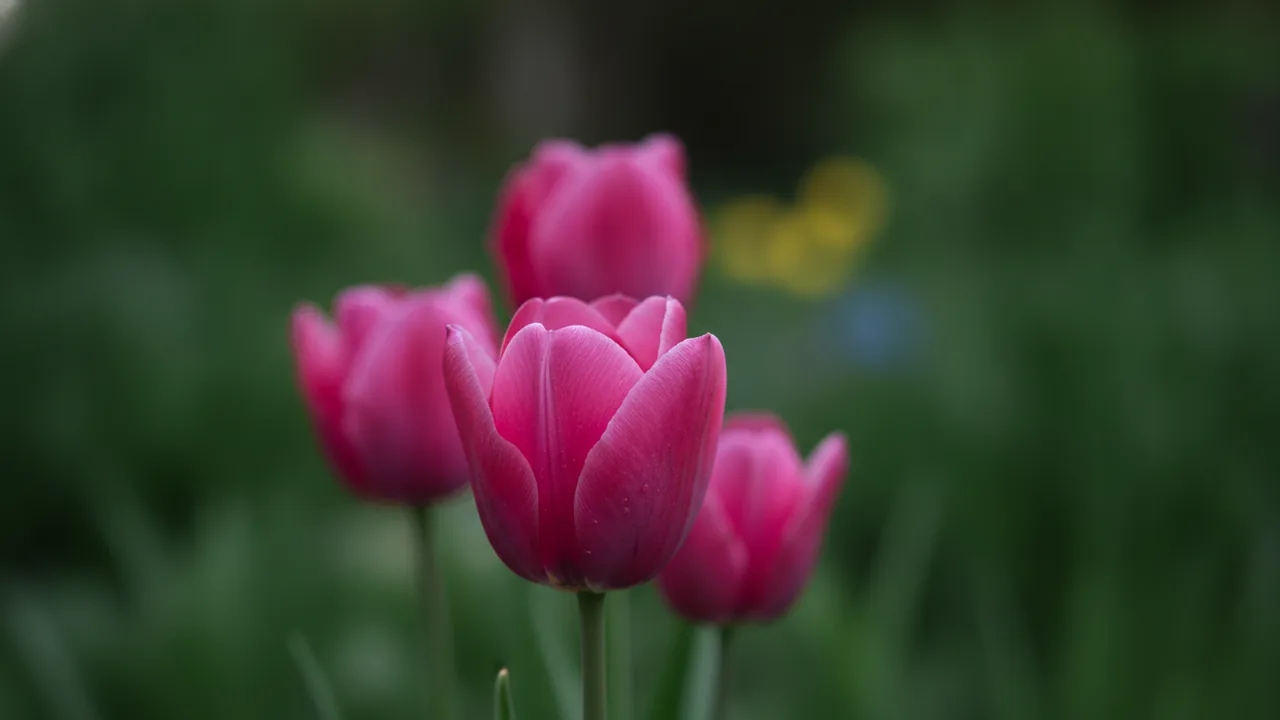
Fall is when spring bulbs go in the ground, and for anyone with a dog that digs, it is also when the question comes up: which of these bulbs are toxic? Below, bulb by bulb, is what the authorities list for dogs and cats, each answer the plant's own listing with the institution behind it named and linked, then a few habits for planting bulbs around pets. For when and how deep to plant, our spring-bulb guide has the whole schedule.
Are spring bulbs toxic to dogs and cats?
Of the 233 bulbs in our library, 172 are listed as toxic to dogs or cats, across 23 kinds. The answers for the popular ones are below, bulb by bulb, and the full list follows them.
Listed as toxic to dogs or cats by the authority named on each plant's page.
Are tulips toxic to dogs and cats?
TulipTulipa
Listed as toxic to dogs and cats by NC State Extension and Pet Poison Helpline.
All 21 plants in this group
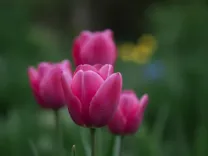
Tulips are the last bulbs to go in each fall. If a dog shares the bed, plant them where it does not dig, or under chicken wire until the shoots are up (more on that below).
Are daffodils toxic to dogs and cats?
DaffodilNarcissus
Listed as toxic to dogs and cats by NC State Extension, Pet Poison Helpline and Royal Horticultural Society.
All 17 plants in this group
Daffodils come back for decades, so a planting is a long commitment: choose a spot a digging dog does not visit, because the bulbs will still be there in ten springs.
Are hyacinths toxic to dogs and cats?
HyacinthHyacinthus orientalis
Listed as toxic to dogs and cats by NC State Extension, Pet Poison Helpline and Royal Horticultural Society.
All 12 plants in this group
Hyacinths are planted by doors and paths for their scent, which is also where pets pass most; a pot on a step or a raised planter keeps the scent and lifts the bulb off the ground.
Are crocuses toxic to dogs and cats?
Autumn CrocusColchicum
Listed as toxic to dogs and cats by NC State Extension, Pet Poison Helpline and Royal Horticultural Society.
All 6 plants in this group
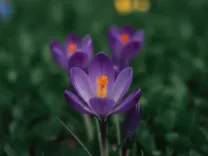
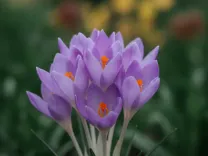
Two different plants share the name. The spring crocus opens in late winter from a corm planted in fall; the autumn crocus, colchicum, flowers in fall from a corm planted in late summer. They are unrelated, and each carries its own listing.
Are alliums toxic to dogs and cats?
Giant AlliumAllium giganteum
Listed as toxic to dogs and cats by NC State Extension and University of Florida IFAS Extension.
All 9 plants in this group
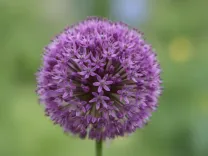
Ornamental alliums are flowering members of the onion genus, grown for their globes of flowers rather than for the kitchen.
Are lilies toxic to dogs and cats?
Asiatic LilyLilium
Listed as toxic to dogs by University of Vermont Extension. Another source we check lists it as non-toxic; where sources disagree, the warning is shown.
Listed as toxic to cats by NC State Extension, University of Vermont Extension, Pet Poison Helpline and Royal Horticultural Society.
4 of the 5 plants in this group: Asiatic Lily, Easter Lily, Oriental Lily, Trumpet Lily
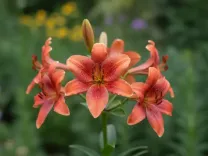
Lilies go in from bulbs in fall or early spring and flower in summer. Our guide to flowers and cats covers the lilies and the plants that only share their name, from calla lilies to daylilies.
Are irises toxic to dogs and cats?
Dutch IrisIris × hollandica
Listed as toxic to dogs and cats by NC State Extension, Pet Poison Helpline and Royal Horticultural Society.
All 7 plants in this group
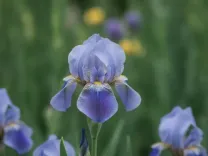
The Dutch iris grows from a bulb planted in fall; the bearded irises of the summer border grow from rhizomes, and each has its own page and listing.
Are cannas toxic to dogs and cats?
Canna LilyCanna
No toxic listing found for dogs and cats in the sources we check.
All 12 plants in this group
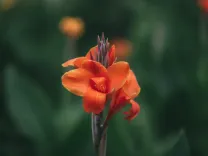
Canna is a summer bulb, planted after the last frost rather than in fall. No toxic listing found is not a clearance: it means none of the sources we check lists it either way.
Every bulb listed as toxic to dogs or cats
The full list. A chip names a plant, or a group of varieties, and opens a plant page where the listing is named and linked. When only some of a group's varieties carry the listing, the chip names the group and says how many.
23 kinds, 172 plants counting every variety
Bulbs not yet checked for pets
Nobody has finished checking these for dogs or cats yet, so they carry no answer either way. Our plant library's pet filter leaves them out until they are checked.
10 kinds, 49 plants counting every variety
Planting bulbs around a dog that digs
None of this changes a listing; it changes the odds of a dog meeting a bulb. These are habits gardeners with dogs use, not a substitute for keeping a plant listed as toxic out of reach.
- Keep the bags out of reach until planting day: a paper sack of bulbs on the garage floor is an easy find.
- Plant while the dog is indoors, firm the soil well and water it in; loose, fresh earth invites digging.
- Lay chicken wire or hardware cloth flat over a new bed, under a thin layer of mulch, until the shoots are up. Shoots find the gaps; paws do not dig through.
- Grow the bulbs a dog could reach in pots, window boxes or raised beds instead.
- Pick up every loose bulb, skin and offset after planting or dividing, and leave nothing on the surface.
- Mark where the bulbs went, so the next round of digging is yours.
What should I do if my dog eats a bulb?
Call your veterinarian or a pet poison helpline, and have the plant's name ready: the bag, the label or its plant page all help. The number for one helpline that answers around the clock is in the box near the top of this page.
Can I still plant bulbs if I have a dog?
Many gardeners with dogs do, and it is your call. The answers above say which bulbs are listed as toxic, the habits above lower the odds of a dog finding them, and if you would rather skip them, our short list of plants listed as non-toxic to dogs and cats is the other road.
Why is a bulb not yet checked?
Because nobody has finished looking, or what a reader found could not be filed. Until it is checked, it carries no answer either way, and its plant page says so.
Sources for these listings
Every plant on this page is looked up in NC State Extension, Royal Horticultural Society and Pet Poison Helpline, the sources we check. Each plant's own line names the institution that lists it and links that institution's page for the plant. On this page:
- NC State Extensionnamed for 7 plants
- Pet Poison Helplinenamed for 7 plants
- Royal Horticultural Societynamed for 5 plants
- University of Florida IFAS Extensionnamed for 1 plant
- University of Vermont Extensionnamed for 1 plant
Lists differ and none is complete. If a pet eats a plant and seems unwell, call a veterinarian or a pet poison helpline. What each answer means, and what it does not: how the listings are read.
Design a garden in 3D
Open BloomsEye Studio, lay out a bed to scale, then watch the whole bed bloom across the year. New to it? See what the free garden planner does.