
 Illustration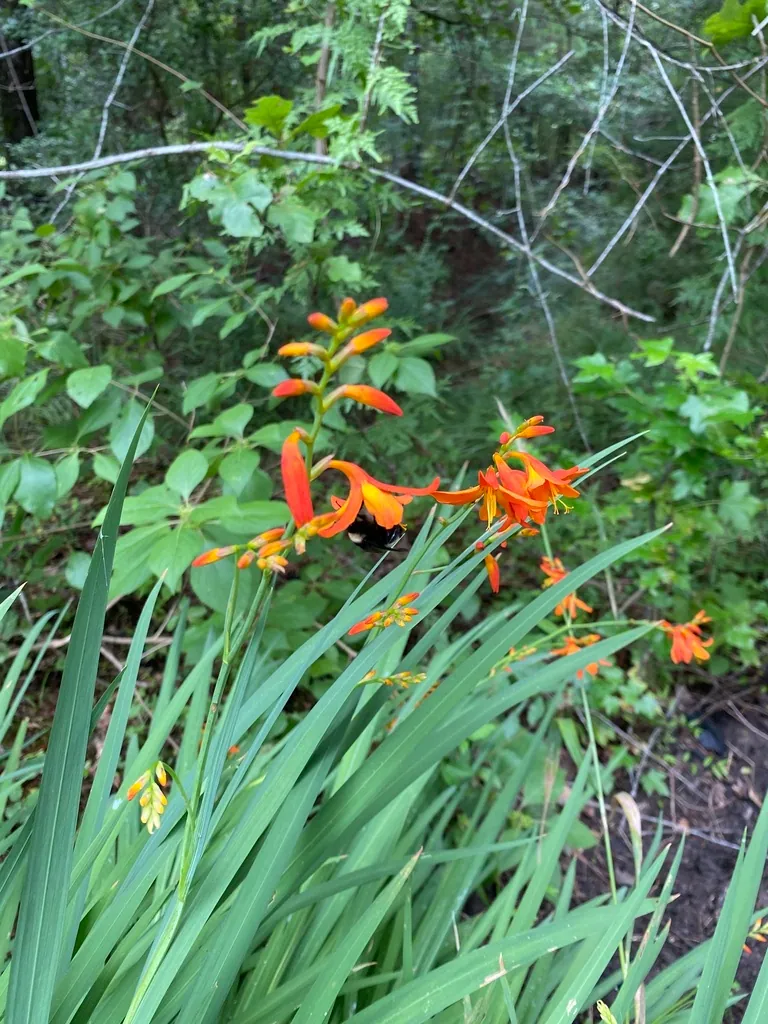
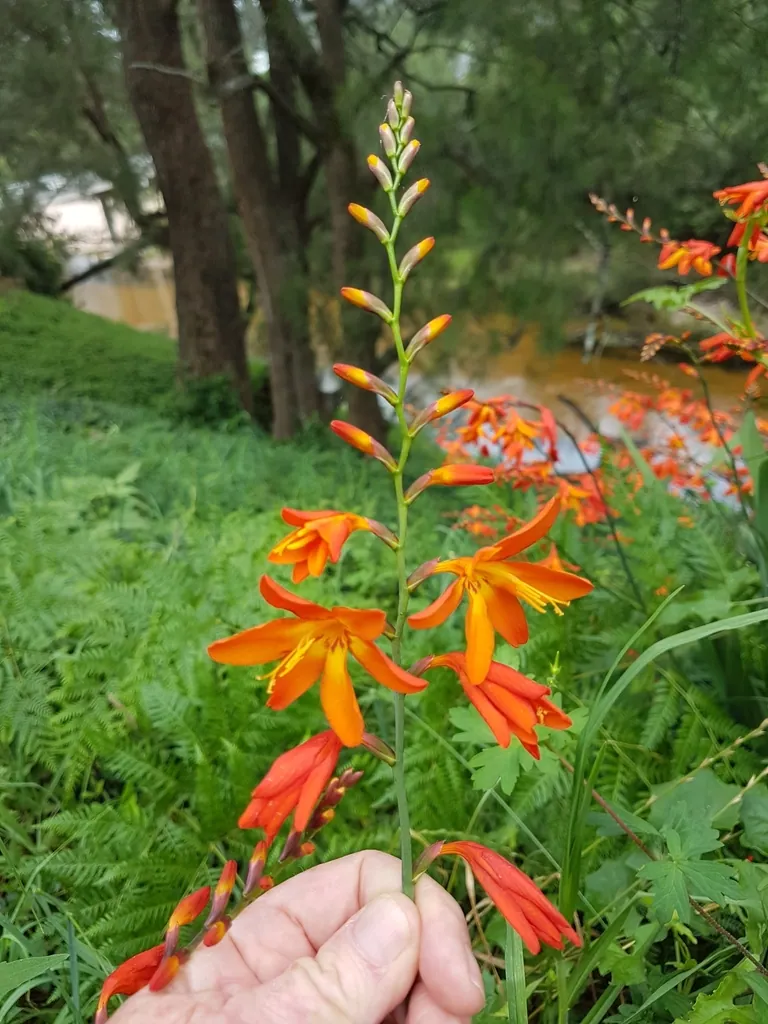
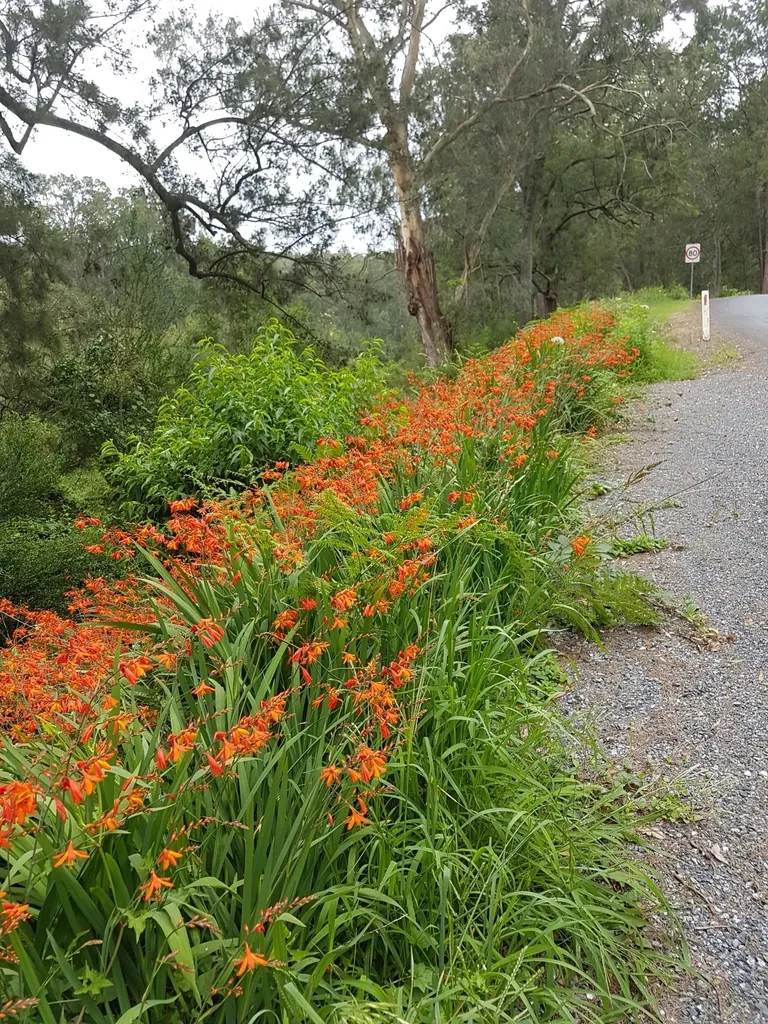

Photo credits and licenses
Real photographs from naturalists and photographers worldwide, each used under its own license. Credit: Photo by Daniel Patterson / iNaturalist (CC BY), Photo by Vale Jenny Conolly / iNaturalist (CC0) and Photo by Vale Jenny Conolly / iNaturalist (CC0). How photos are sourced →

Crocosmia
Crocosmia
Crocosmia blooms from July through August.
Months here are Northern Hemisphere months; in the Southern Hemisphere, shift them by six months.
Growing Crocosmia
Plant it in full sun. It prefers moderate water. It is hardy in USDA zones 5–9. Expect it to reach about 3 ft tall and 1 ft wide at maturity, in roughly 2 years (not yet checked).
No toxicity note is on file for Crocosmia. That is not a clearance: check its safety for people and pets before planting.
What was checked
Mature height and spread, hardiness zones, sun and the trait tags were checked against named botanical sources for this plant. The bloom months and water need on this page were not, and each fact above says which. The planting, spacing and size sections are derived from these checked facts by a fixed rule, not checked separately, and the plant type is the library's own classification.
When to plant Crocosmia
Crocosmia is a summer bulb planted in spring: get it in after the last frost, once the soil has warmed, April or May in zone 7, the middle of its hardy zones 5 to 9. It is hardy in zones 5 to 9, where it can stay in the ground over winter; colder than zone 5, lift and store it before the ground freezes. Expect flowers from July to August.
Month-by-month timing for your zone is on the planting calendar; if you garden near zone 7, the middle of this plant's hardy range, start with zone 7 in April. Derived from the plant's category, zones and bloom months plus typical zone frost dates, not checked separately.
How big does Crocosmia get?
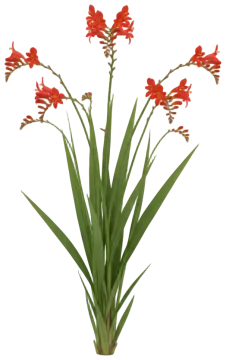 3 fttall5 ft 7 inan adult1 ftwide
See Crocosmia in a garden plan: the planner shows it in 3D beside everything else you add, growing toward this size over the years.
Where these facts come from
Crocosmia's height, spread, hardiness zones, sun and trait tags were checked against 12 published sources on July 29, 2026. Each one is linked below with every fact it carried, which can include a fact this page still marks as not yet checked, because a source carrying a value is not the same as the value being held to the standard. Facts not in that list, and the planting, spacing and size sections, are not covered by these sources.
- Missouri Botanical GardenPlant Finderheight, spread, hardiness zones, sun and trait tags
- NC State ExtensionPlant Toolboxheight, spread, hardiness zones, sun and trait tags
- Chicago Botanic GardenPlant Finderheight, hardiness zones, sun and trait tags
- dutchgrown.comDutchGrownheight, hardiness zones, sun and trait tags
- Breck'sHow to Grow Crocosmia Plantshardiness zones, sun and trait tags
- RHSRoyal Horticultural Society, How to grow crocosmiasheight, sun and trait tags
- SANBI PlantZAfricaCrocosmia aureaheight, sun and trait tags
- SANBI PlantZAfricaCrocosmia paniculataheight, sun and trait tags
- University of Florida IFASUF/IFAS Extension Nassau County, Fact sheet: Crocosmiahardiness zones, sun and trait tags
- edenbrothers.comEden Brotherssun and trait tags
- University of Arkansas ExtensionUniversity of Arkansas Division of Agriculture, Plant of the Weekheight and sun
- University of Florida IFASUF/IFAS Gardening Solutionssun and trait tags
How the checking works, and what each standard covers, is on the verified plants page.
Comes in 5 varieties across 2 colors
Same genus, similar care - pick the color you are growing.
Compare every variety in the Crocosmia group
Every figure is the variety's own page fact. Tap a name to open it.
| Variety | Color | Blooms | Hardiness | Sun | Size (H × W) |
|---|---|---|---|---|---|
| Crocosmiathis page | Red | Jul–Aug | Zones 5–9 | Full sun | 3 ft × 1 ft |
| Emily McKenzie | Orange | Jul–Sep | Zones 6–9 | Full sun | 24 in × 12 in |
| George Davison | Yellow | Jul–Aug | Zones 5–9 | Full sun | 2.5 ft × 1 ft |
| Lucifer | Red | Jul–Aug | Zones 5–9 | Full sun | 4 ft × 1 ft |
| Solfatare | Yellow | Jul–Aug | Zones 6–9 | Full sun | 24 in × 12 in |
| Star of the East | Orange | Jul–Sep | Zones 6–9 | Full sun | 2.5 ft × 1 ft |
Good to know about Crocosmia
Curated from university extensions, botanic gardens and other primary sources, with the source named on every note. A note reports what its source says; where that differs from a fact above, the fact above is this entry's stored value, and its mark says whether it has been checked.
Worth knowing
Crocosmia corms are the only known natural source of montbretin A, a diabetes drug lead: it blocks a starch-digesting gut enzyme and lowered blood sugar in lab rats. per PLoS ONE and Chemical Science
Can naturalize aggressively
NC State calls montbretia a weedy, aggressive escaped weed; Cal-IPC rates its California impact only 'Limited.' Either way, do not plant it near wild areas in mild coastal climates. per NC State and Cal-IPC
Rabbits: sources disagree
NC State's genus page lists Crocosmia as rabbit resistant, but its 'Lucifer' page says rabbits are fond of the foliage. Treat rabbit resistance as unreliable and cultivar dependent. per NC State
Hummingbird magnet
The bright red and orange tubular flowers are a classic hummingbird draw; NC State also lists bees, butterflies and songbirds among visitors. per NC State
Lift corms in cold zones
The corms are semi-hardy, injured below 28 F. In zone 5 and colder, dig them after the foliage yellows and store them dry and cool over winter. per NC State
Divide crowded clumps
Corms multiply fast and crowded clumps lose vigor and bloom. Divide every 2 to 3 years (montbretia) to 3 to 4 years in early spring. per NC State
Deer resistant
NC State lists Crocosmia as deer resistant. No resistance is ever absolute, though, so genuinely hungry deer may still browse it. per NC State
What pairs well with Crocosmia
Good companions share its growing conditions and add something it lacks: an earlier or later bloom, a lower carpet in front, or structure through winter.
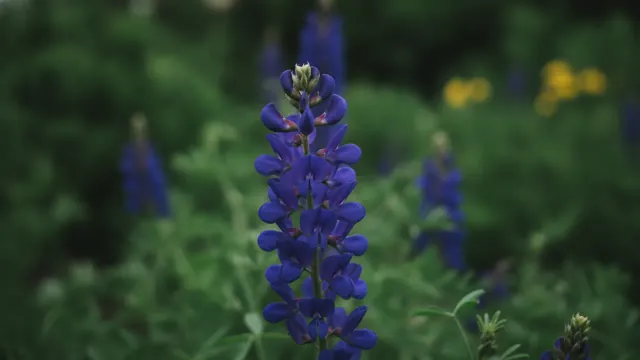
False Indigo
Shares full sun and low to moderate water; blooms in late spring, before this one opens; both are strong pollinator plants, and they feed in different months; its seed heads stand through winter, for structure and the birds.
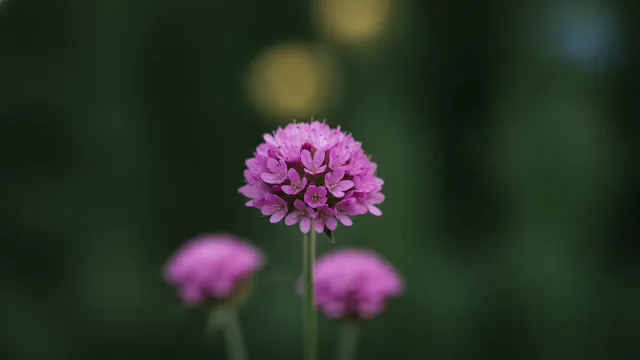
Sea Thrift
Shares full sun and low to moderate water; blooms in mid spring, before this one opens; both offer pollinator forage, in different months; evergreen, so the bed keeps its shape through winter.
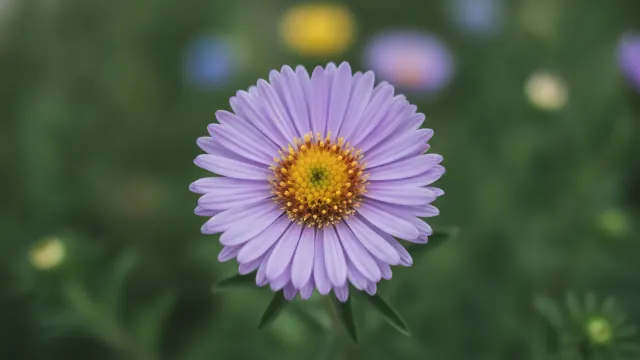
Aster
Shares full sun and moderate water; blooms in early fall as this one finishes; both are strong pollinator plants, and they feed in different months; its seed heads stand through winter, for structure and the birds.
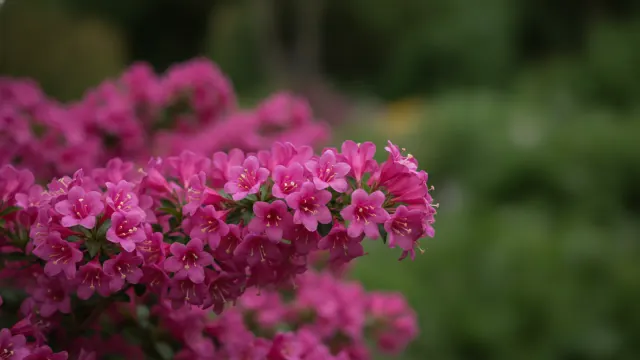
Weigela
Shares full sun and moderate water; blooms in late spring, before this one opens; both are strong pollinator plants, and they feed in different months; taller at 5 ft, for the layer behind it.
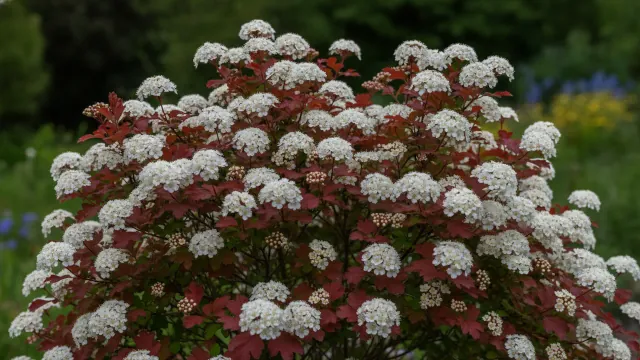
Ninebark
Shares full sun and moderate water; blooms in late spring, before this one opens; both are strong pollinator plants, and they feed in different months; taller at 6.5 ft, for the layer behind it.
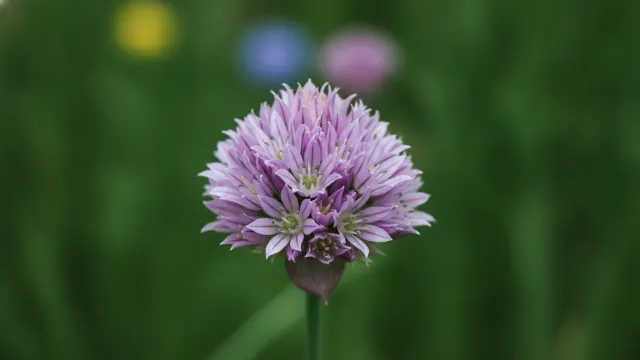
Chives
Shares full sun and moderate water; blooms in late spring, before this one opens; both are strong pollinator plants, and they feed in different months.
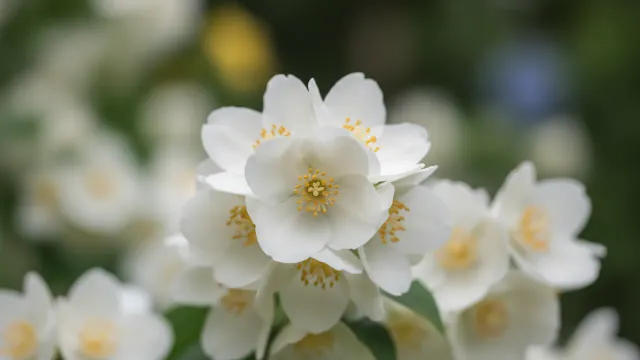
Mock Orange
Shares full sun and moderate water; blooms in late spring, before this one opens; both offer pollinator forage, in different months; taller at 8 ft, for the layer behind it.
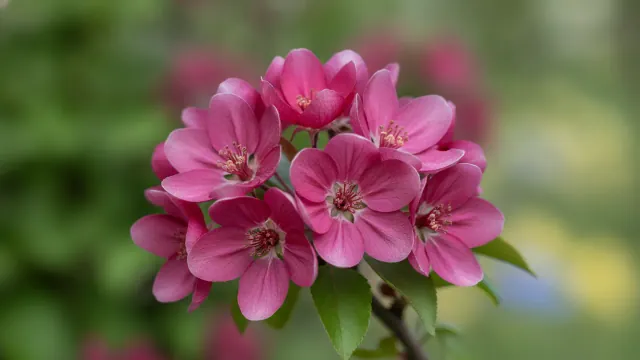
Flowering Crabapple
Shares full sun and moderate water; blooms in mid spring, before this one opens; both are strong pollinator plants, and they feed in different months; stands well above at 20 ft, a canopy to plant beneath.
Explore similar plants
You might also like
Design a garden with this
Drop this plant onto a 3D plan, see how it fills in, and watch your whole garden bloom across the year.