
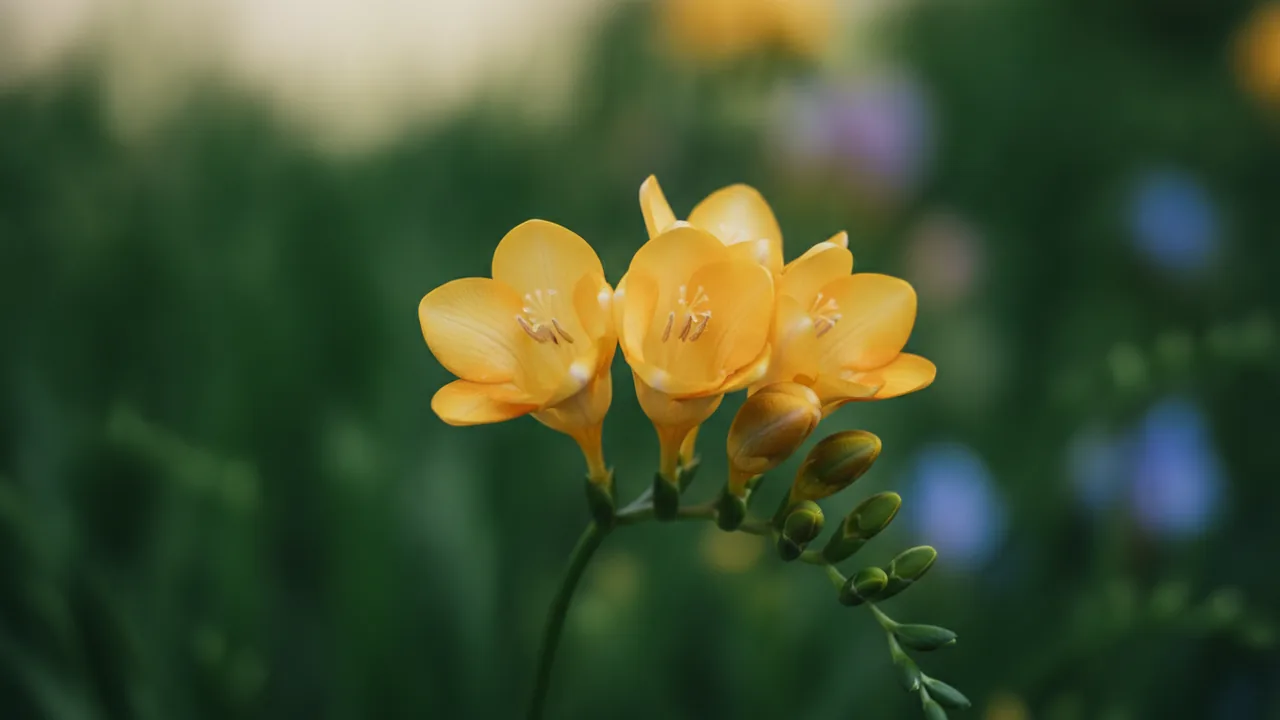
 Illustration

Freesia
Freesia
Freesia blooms from April through May.
Months here are Northern Hemisphere months; in the Southern Hemisphere, shift them by six months.
Growing Freesia
Plant it in full sun. It prefers moderate water. It is hardy in USDA zones 9–10. Expect it to reach about 16 in tall and 4 in wide at maturity, in roughly 1 year (not yet checked).
What was checked
Mature height and spread, hardiness zones, sun and the trait tags were checked against named botanical sources for this plant. The bloom months and water need on this page were not, and each fact above says which. The planting, spacing and size sections are derived from these checked facts by a fixed rule, not checked separately, and the plant type is the library's own classification.
When to plant Freesia
Freesia is a tender bulb, hardy in the ground only in zones 9 to 10: there it goes in during the cool season, typically November or December in zone 9, ahead of its April to May bloom. Colder than zone 9 it will not survive winter in the ground, so grow it in a pot that comes indoors before frost, or plant it out in spring for one season.
Month-by-month timing for your zone is on the planting calendar; if you garden near zone 9, the middle of this plant's hardy range, start with zone 9 in November. Derived from the plant's category, zones and bloom months plus typical zone frost dates, not checked separately.
How big does Freesia get?
 16 intall5 ft 7 inan adult4 inwide
See Freesia in a garden plan: the planner shows it in 3D beside everything else you add, growing toward this size over the years.
Where these facts come from
Freesia's height, spread, hardiness zones, sun and trait tags were checked against 9 published sources on July 29, 2026. Each one is linked below with every fact it carried, which can include a fact this page still marks as not yet checked, because a source carrying a value is not the same as the value being held to the standard. Facts not in that list, and the planting, spacing and size sections, are not covered by these sources.
- Missouri Botanical Gardengroupheight, spread, hardiness zones, sun and trait tags
- NC State Extensiongenus entryheight, spread, hardiness zones, sun and trait tags
- edenbrothers.comEden Brothers, Freesia Bulbs collectionheight, hardiness zones, sun and trait tags
- SANBI PlantZAfricaFreesia leichtlinii subsp. albaheight, hardiness zones, sun and trait tags
- Mississippi State University ExtensionFreesia (Freesia x hybrida) for the Farmer Floristhardiness zones, sun and trait tags
- SANBI PlantZAfricaFreesia refractaheight, sun and trait tags
- SANBI PlantZAfricaFreesia grandifloraheight, sun and trait tags
- ipm.ucanr.eduUC Statewide IPM Program (UC ANR), Freesiasun and trait tags
- RHSgrowing guide: How to grow freesiassun and trait tags
How the checking works, and what each standard covers, is on the verified plants page.
Comes in 6 colors
Same genus, similar care - pick the color you are growing.
Compare every color in the Freesia group
Every figure is the color's own page fact. Tap a name to open it.
| Name | Color | Blooms | Hardiness | Sun | Size (H × W) |
|---|---|---|---|---|---|
| Blue | Blue | Apr–May | Zones 9–10 | Full sun | 16 in × 4 in |
| Freesiathis page | Yellow | Apr–May | Zones 9–10 | Full sun | 16 in × 4 in |
| Orange | Orange | Apr–May | Zones 9–10 | Full sun | 16 in × 4 in |
| Pink | Pink | Apr–May | Zones 9–10 | Full sun | 16 in × 4 in |
| Purple | Purple | Apr–May | Zones 9–10 | Full sun | 16 in × 4 in |
| Red | Red | Apr–May | Zones 9–10 | Full sun | 16 in × 4 in |
| White | White | Apr–May | Zones 9–10 | Full sun | 16 in × 4 in |
Good to know about Freesia
Curated from university extensions, botanic gardens and other primary sources, with the source named on every note. A note reports what its source says; where that differs from a fact above, the fact above is this entry's stored value, and its mark says whether it has been checked.
Worth knowing
Freesia's famous sweet scent is cultivar-dependent: linalool leads the fragrance, but some cultivars are strongly scented and others nearly scentless. For perfume, pick a named fragrant variety. per PubMed Central
Store lifted corms warm
Freesia is the exception among tender bulbs: store lifted corms dry and warm, about 77 to 86 F, not the cool 35 to 55 F used for dahlias and cannas. per NC State and Wisconsin
Bloom time follows planting
There is no fixed bloom month. Freesia flowers 10 to 12 weeks after planting, so fall or forced corms bloom late winter into spring, while spring-planted corms bloom in summer. per NC State and Missouri Botanical Garden
Needs cool nights to bloom
Freesia flowers only in cool conditions, days 60 to 70 F and nights 40 to 55 F; bloom falls off above 70 F. In hot summers, grow it in pots. per NC State
Overwatering causes corm rot
The main failure is corm rot from overwatering and poor drainage. Keep soil moist but never soggy, use a gritty mix, and water less when unsure. per NC State and Missouri Botanical Garden
Tender: lift, pot, or annual
Outside zones 9 to 10, freesia will not survive winter in the ground. Lift and store the corms, grow it in pots, or replant each spring as an annual. per NC State
Safe for cats and dogs
Freesia is not on the ASPCA toxic-plants list and is named a pet-safe cut flower; at worst, chewing it causes mild, passing stomach upset. per ASPCA
What pairs well with Freesia
Good companions share its growing conditions and add something it lacks: an earlier or later bloom, a lower carpet in front, or structure through winter.
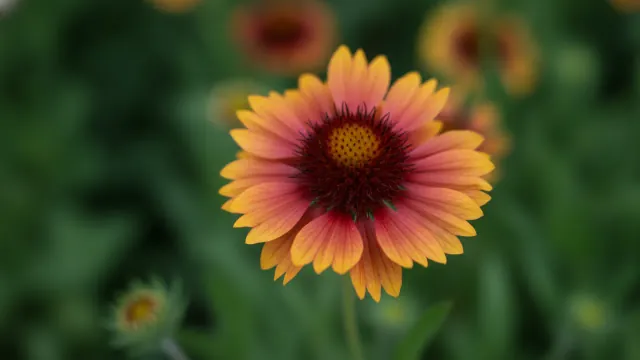
Blanket Flower
Shares full sun and low to moderate water; blooms in early summer as this one finishes; leafs out to hide the ripening bulb foliage as it dies back; both are strong pollinator plants, and they feed in different months; they only overlap in zones 9 to 10.
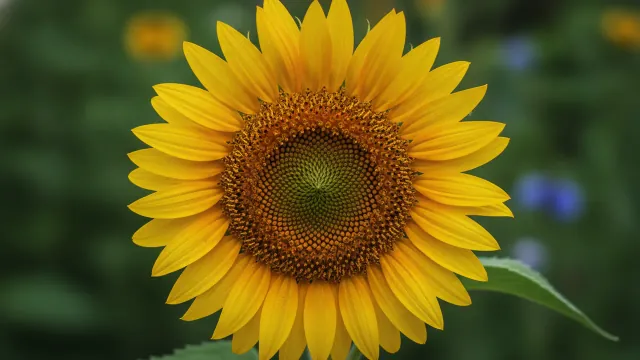
Sunflower
Shares full sun and moderate water; blooms in midsummer, extending the bed's season; both are strong pollinator plants, and they feed in different months; its seed heads stand through winter, for structure and the birds.
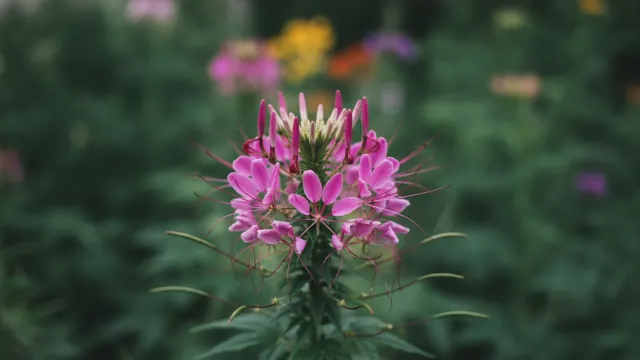
Cleome
Shares full sun and moderate water; blooms in early summer as this one finishes; both are strong pollinator plants, and they feed in different months; taller at 4 ft, for the layer behind it.
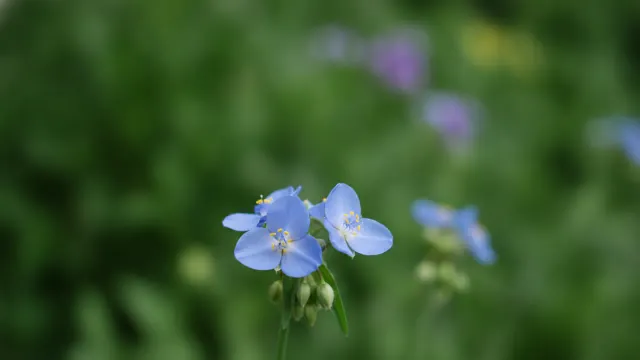
Spiderwort
Takes full sun to part sun and moderate water; blooms in early summer as this one finishes; leafs out to hide the ripening bulb foliage as it dies back; both offer pollinator forage, in different months; they only overlap in zone 9.
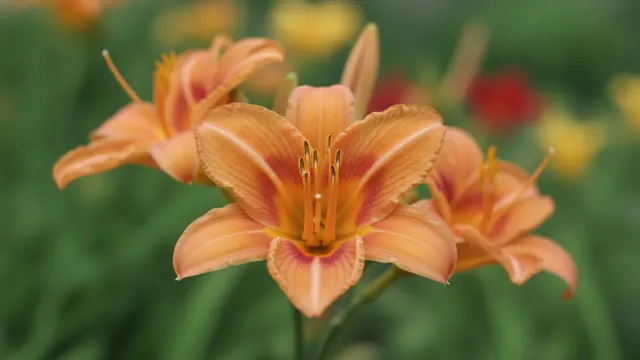
Daylily
Shares full sun and moderate water; blooms in early summer as this one finishes; leafs out to hide the ripening bulb foliage as it dies back; both are strong pollinator plants, and they feed in different months; they only overlap in zone 9.
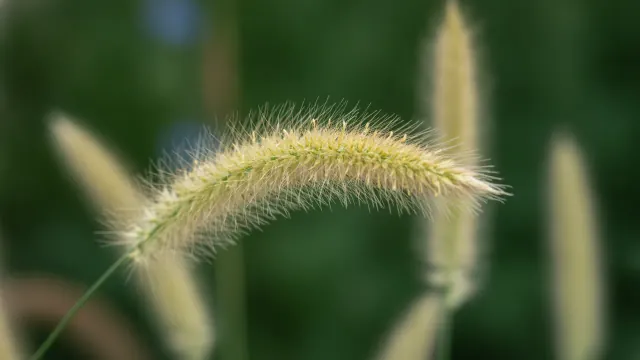
Feather Reed Grass
Shares full sun and moderate water; blooms in early summer as this one finishes; leafs out to hide the ripening bulb foliage as it dies back; its seed heads stand through winter, for structure and the birds; they only overlap in zone 9.
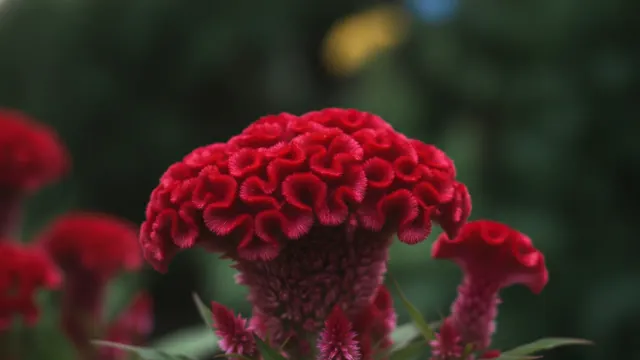
Celosia
Shares full sun and moderate water; blooms in early summer as this one finishes; both are strong pollinator plants, and they feed in different months.
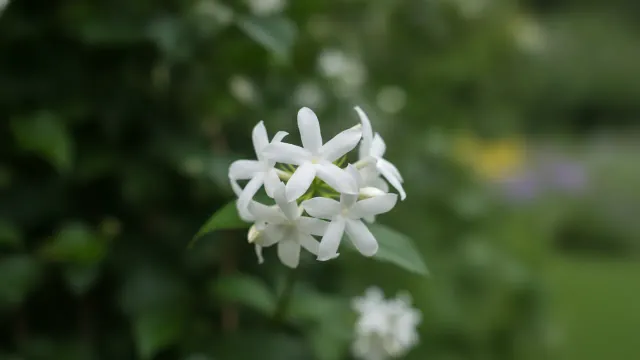
Jasmine
Shares full sun and moderate water; blooms in early summer as this one finishes; both are strong pollinator plants, and they feed in different months; climbs to 10 ft behind it, height without the footprint; they only overlap in zones 9 to 10.
Featured in these guides
Explore similar plants
You might also like
Design a garden with this
Drop this plant onto a 3D plan, see how it fills in, and watch your whole garden bloom across the year.