
Planting
What to Plant in November
The month the map splits in two: a last call for bulbs in the middle, the south's bulb season opening, and a short list of jobs for everyone else.
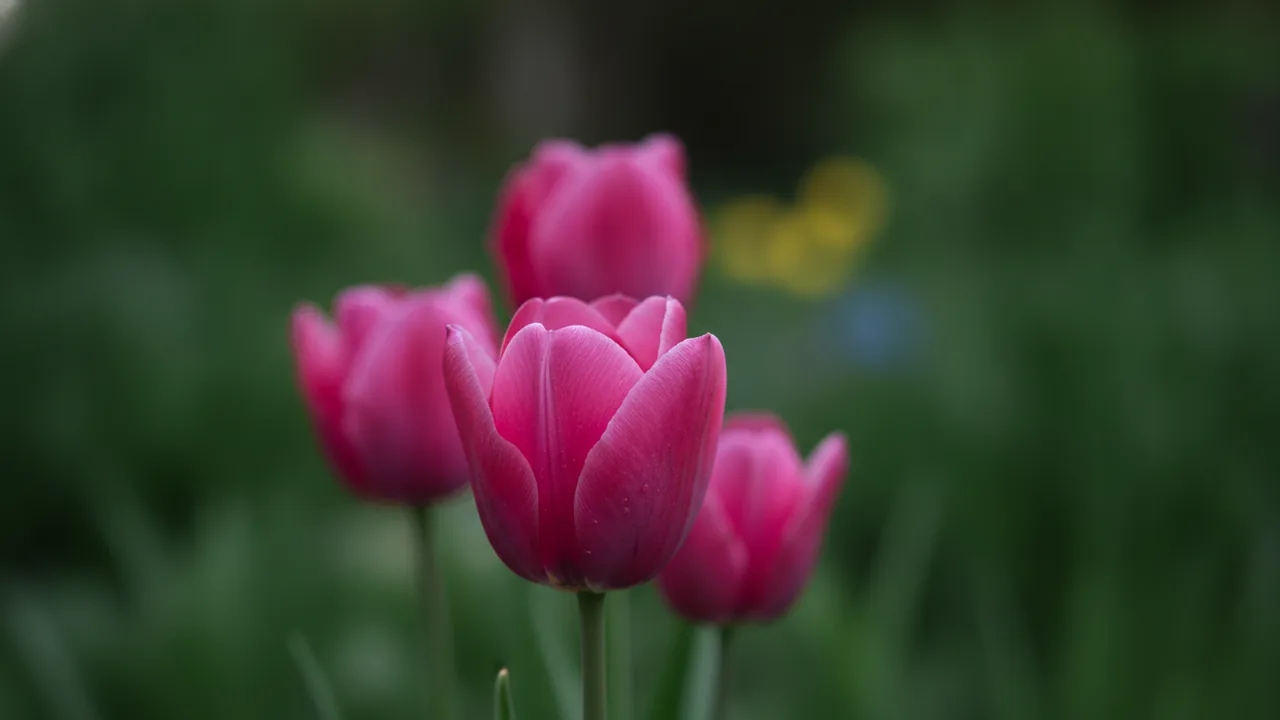
November is the month the gardening map splits in two. Across the middle zones it is a last call: the spring bulbs still in their bags have weeks left, not months. In the nearly frost-free south it is the opposite, the start of bulb season and the closing weeks of the best planting window of the year. In the cold half of the map the planting year is over, though November still has useful work in it.
As with every month in this series, timing follows our planting calendar and its typical zone frost averages. Your own dates can differ by weeks, so read each window as a season rather than a deadline, and check your zone's page.
What should I plant in November?
It depends on your zone. In zones 7 and 8, spring bulbs, and this is their last month. In zones 9 and 10, the mild-winter bulbs, ranunculus, anemones and freesias, go in now, and the fall window for perennials, shrubs and trees closes at the end of the month. In zones 3 to 6 the planting windows have closed; the work left is watering, mulching and a selective cleanup. Frost dates vary by weeks, so check yours.
Zones 7 and 8: the last month for spring bulbs
Spring bulbs want cool soil and a few weeks of rooting time before the ground turns cold, and in zones 7 and 8 November is the second and final month of that window. If you started in October, finish now; if you have not started, start this week. The full playbook, depths, spacing, waves of bloom and deer, is our spring-bulb guide.
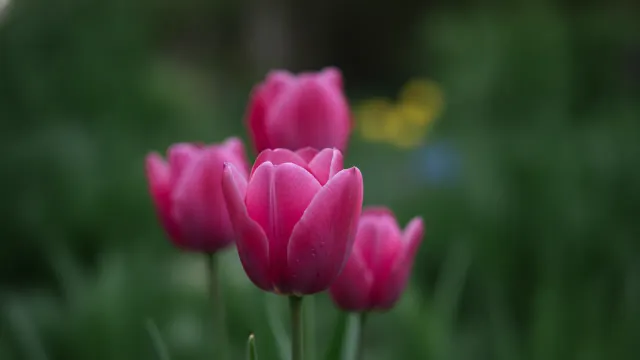
Tulipa
November's signature bulb, because it minds a late planting least: cold soil suits it, and in zones 7 and 8 it goes in right up to the window's close. Hardy in zones 3 to 8, about 16 inches tall, flowering April to May.
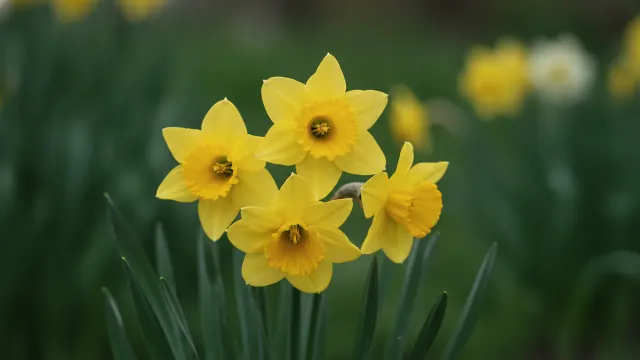
Narcissus
The bulb deer leave alone, and the one to plant if you plant only one. Hardy in zones 3 to 8, about 16 inches tall, flowering March to April, and it returns and spreads for years.
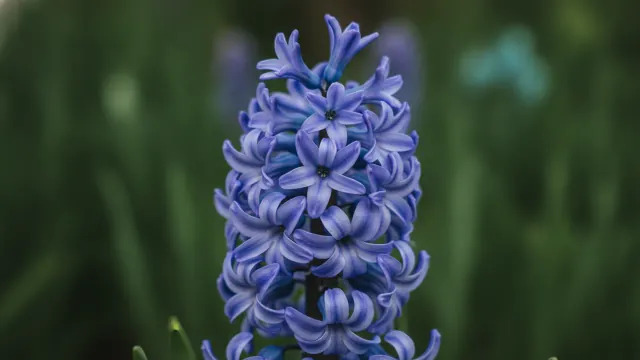
Hyacinthus orientalis
Short, heavy-headed and among the most fragrant things in the spring garden. Hardy in zones 4 to 8, about 10 inches tall, flowering March to April; plant a group beside a door or a path, where the scent finds you.
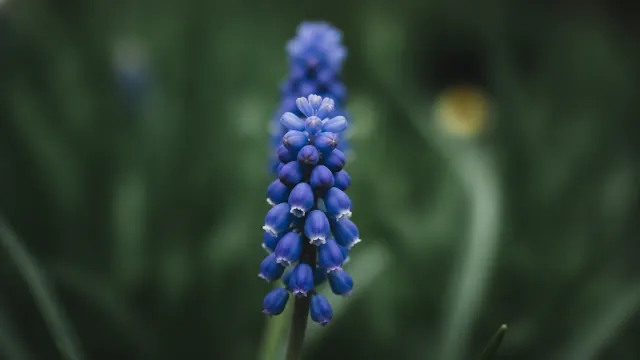
Muscari
The edging bulb: low cobalt spikes about 8 inches tall, March to April, hardy in zones 3 to 8. Cheap, quick to plant by the dozen, and it fills in on its own.
Found a bag in the garage?
Plant it. Bulbs do not keep through winter out of the ground, and a late planting usually still flowers, sometimes a little later and shorter in its first spring. In zones 5 and 6 our calendar closed the bulb window with October, but the same logic holds while you can still dig: plant them as soon as you find them, and water them in.
Zones 9 and 10: the bulbs begin, the shrubs finish
In the nearly frost-free garden November does double duty. The mild-winter bulbs, the ones that cannot take a hard freeze but flower generously after a cool, wet winter, open their window now and keep it open through December. And the fall window for perennials, shrubs and trees, open since October, closes at the end of the month, so anything hardy still waiting in a pot belongs in the ground before December.
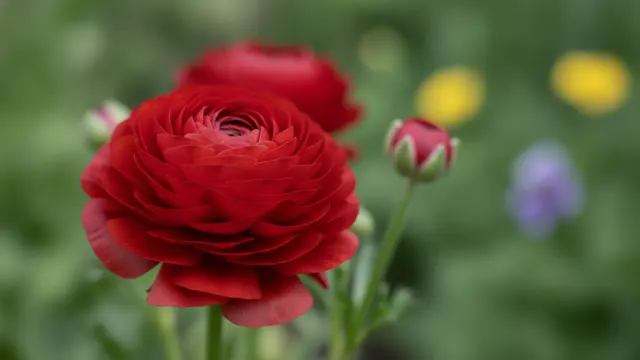
Ranunculus asiaticus
Layered, rose-like flowers on 16-inch stems, April to May, hardy in zones 8 to 10. In zones 9 and 10 November is when its window opens; plant the clawed corms claws down.
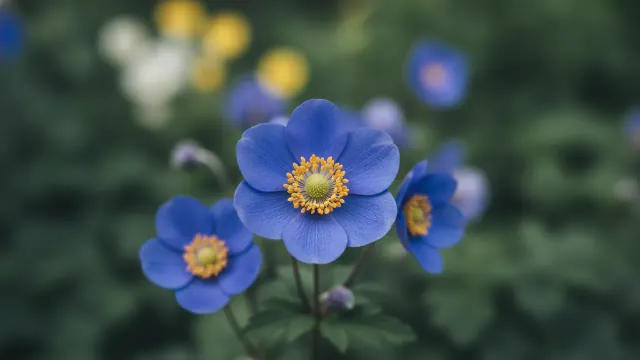
Anemone coronaria
Poppy anemone: bold saucer-shaped flowers about 12 inches tall from April to June, hardy in zones 7 to 10. In zones 9 and 10 the corms go in this month, ahead of the cool, wet weather they root in.
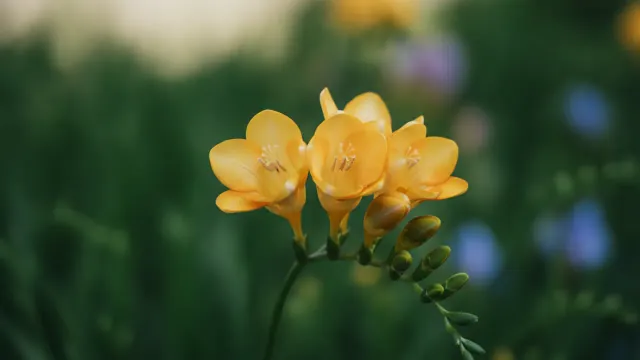
Freesia
The scented one: arching sprays about 16 inches tall from April to May, hardy in zones 9 to 10, which is exactly where it can stay in the ground year round. Plant now for a spring that smells as good as it looks.
For the shrubs and perennials, the last weeks of the window reward the same habit as the first: plant, water deeply, and let winter rain take over the job.
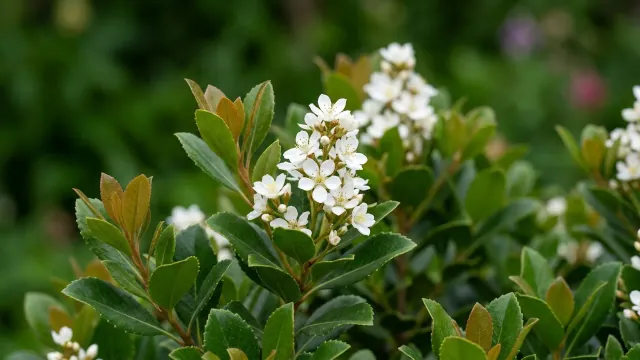
Rhaphiolepis indica
A tidy evergreen shrub about 5 feet tall, with fragrant pink and white flowers from April to May, hardy in zones 8 to 10 and made for the low hedges and foundation beds of warm-climate yards. Planted this month, it roots through the mild winter and flowers on schedule in spring.
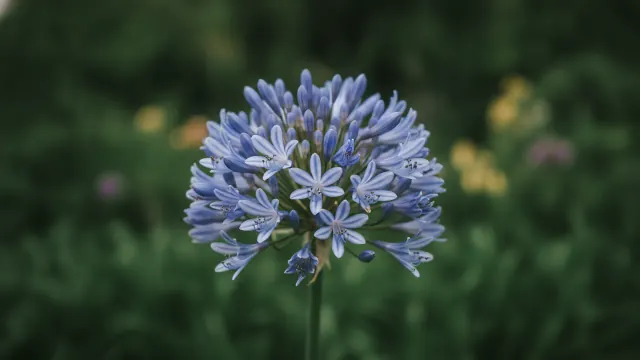
Agapanthus
Lily of the Nile: blue globes over strap-leaved clumps about 2.5 feet tall, flowering June to August, hardy in zones 7 to 11. A November planting in zones 9 and 10 gives it a full winter to settle before its first summer.
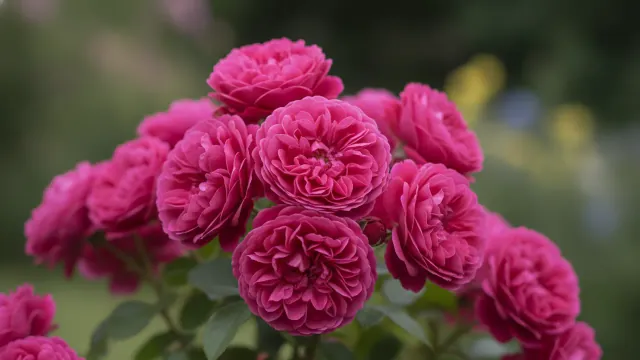
Rosa 'Ausbord'
An English rose for the warm end of the map: hardy in zones 5 to 10, about 5 feet tall, with fragrant pink flowers from May to October. In zones 9 and 10 a rose planted now establishes before the heat arrives.
November by zone, in one table
| Zones | Typical first frost | What November means |
|---|---|---|
| Zones 3 to 4 | Mid to late September | Planting closed in September: water anything planted this fall until the ground freezes, then mulch. |
| Zones 5 to 6 | Early to late October | The bulb window closed with October: plant leftovers while you can still dig, and mulch new perennials once the ground freezes. |
| Zones 7 to 8 | Early to late November | The last month for spring bulbs; the fall window for perennials and shrubs closed with October. |
| Zones 9 to 10 | December, or rare to none | The mild-winter bulbs open, and the fall window for perennials, shrubs and trees closes at month's end. |
Zones 3 to 6: what November is for
With the planting windows closed, November's work is protecting what went in this fall. Keep watering anything planted in September or October, evergreens above all, until the ground freezes: they lose water through their leaves all winter and cannot replace it from frozen soil. Once the ground has frozen, a few inches of mulch over new perennials keeps a thaw from heaving them out. Lift the tender bulbs, dahlias, cannas and gladioli, once frost has blackened their tops, and leave the seed heads and hollow stems that feed birds and shelter insects through winter; our cleanup guide sorts what to cut from what to leave.
Is it too late to plant bulbs in November?
Not in zones 7 and 8, where November is the second and last month of the window, and not in zones 9 and 10, where the mild-winter bulbs are only starting. In zones 5 and 6 the ideal window closed with October, but a bulb in the ground still beats a bulb in the garage, so plant leftovers while you can dig. Only where the ground has frozen solid is it truly too late.
Can I still plant trees and shrubs in November?
In zones 9 and 10, yes, through the end of the month, and it is the best time of year to do it. In zones 7 and 8 our calendar closed the fall window with October, because new roots want several weeks of growing weather before the first frost; in colder zones it closed earlier still. A shrub still in its pot is better kept watered and sheltered until your spring window opens.
Should I water new plantings in November?
Yes, wherever the ground is not frozen. Fall plantings go into winter on the roots they grew in their first few weeks, and a dry fall is a common reason they struggle. Water deeply whenever the soil is dry an inch or two down, and stop once it freezes.
Design a garden with these plants
Open BloomsEye Studio with this guide's plants ready to drop onto a plan, then watch the whole bed bloom across the year. New to it? See what the free garden planner does.