
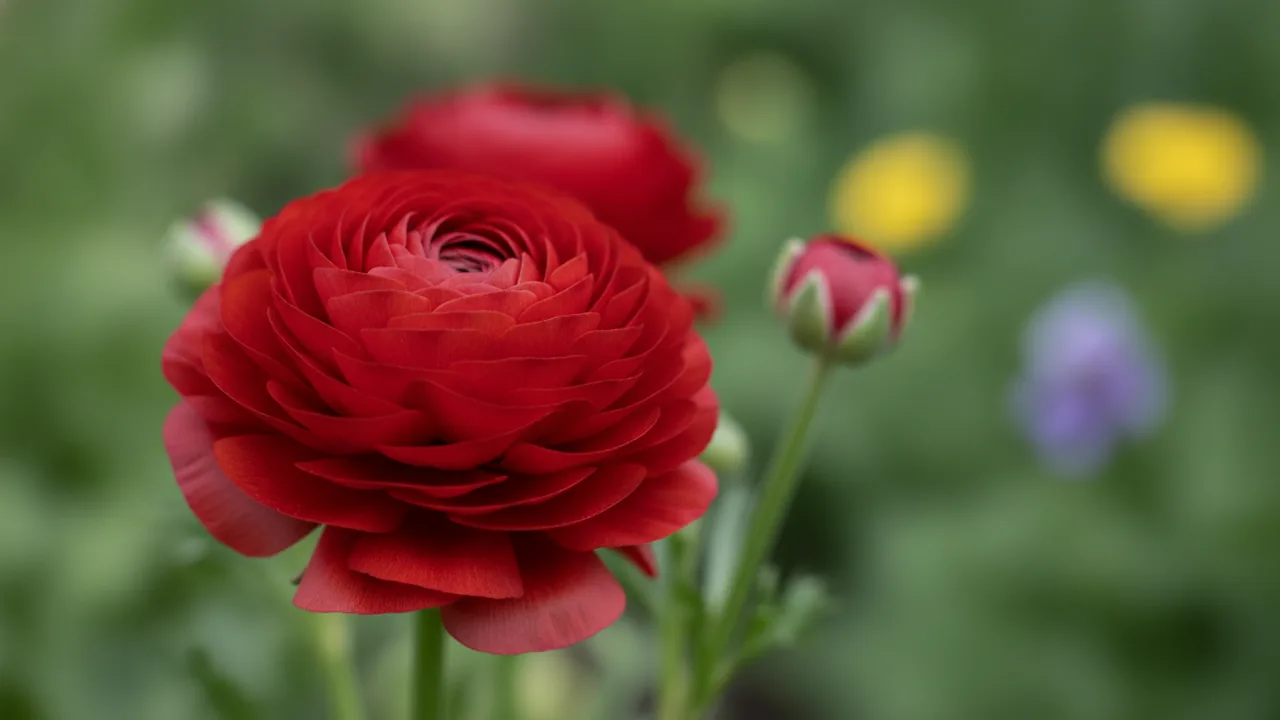
 Illustration

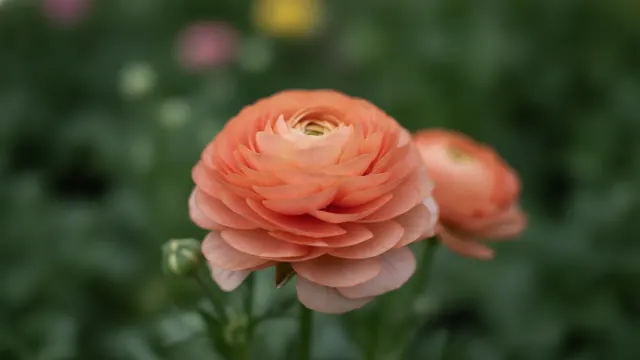
Ranunculus
Ranunculus asiaticus
Also called buttercup and persian buttercup
Ranunculus blooms from April through May.
Months here are Northern Hemisphere months; in the Southern Hemisphere, shift them by six months.
Growing Ranunculus
Plant it in full sun. It prefers moderate water. It is hardy in USDA zones 8–10. Expect it to reach about 16 in tall and 6 in wide at maturity, in roughly 1 year (not yet checked).
What was checked
Mature height and spread, hardiness zones, sun and the trait tags were checked against named botanical sources for this plant. The bloom months and water need on this page were not, and each fact above says which. The planting, spacing and size sections are derived from these checked facts by a fixed rule, not checked separately, and the plant type is the library's own classification.
When to plant Ranunculus
Ranunculus is a tender bulb, hardy in the ground only in zones 8 to 10: there it goes in during the cool season, typically November or December in zone 9, ahead of its April to May bloom. Colder than zone 8 it will not survive winter in the ground, so grow it in a pot that comes indoors before frost, or plant it out in spring for one season.
Month-by-month timing for your zone is on the planting calendar; if you garden near zone 9, the middle of this plant's hardy range, start with zone 9 in November. Derived from the plant's category, zones and bloom months plus typical zone frost dates, not checked separately.
How big does Ranunculus get?
 16 intall5 ft 7 inan adult6 inwide
See Ranunculus in a garden plan: the planner shows it in 3D beside everything else you add, growing toward this size over the years.
Where these facts come from
Ranunculus' height, spread, hardiness zones, sun and trait tags were checked against 6 published sources on July 30, 2026. Each one is linked below with every fact it carried, which can include a fact this page still marks as not yet checked, because a source carrying a value is not the same as the value being held to the standard. Facts not in that list, and the planting, spacing and size sections, are not covered by these sources.
- NC State ExtensionRanunculus asiaticusheight, spread, hardiness zones, sun and trait tags
- Johnny's Selected SeedsButterfly 'Ariadne' ranunculus corm, Ranunculus asiaticusheight, hardiness zones, sun and trait tags
- Missouri Botanical GardenRanunculus asiaticusheight, spread, hardiness zones and sun
- NC State ExtensionRanunculus, the genus entryheight, spread, sun and trait tags
- Clemson Home and Garden Information CenterRanunculus species, fall planting articlesun and trait tags
- pacificbulbsociety.orgPacific Bulb Society wiki (Ranunculus, the Ranunculus asiaticus entry)height
How the checking works, and what each standard covers, is on the verified plants page.
Comes in 10 varieties across 6 colors
Same plant, same care - pick the color you are growing.
Compare every variety in the Ranunculus group
Every figure is the variety's own page fact. Tap a name to open it.
| Variety | Color | Blooms | Hardiness | Sun | Size (H × W) |
|---|---|---|---|---|---|
| Apricot | Orange | Apr–May | Zones 8–10 | Full sun | 16 in × 6 in |
| Cream | White | Apr–May | Zones 8–10 | Full sun | 16 in × 6 in |
| Magenta | Pink | Apr–May | Zones 8–10 | Full sun | 16 in × 6 in |
| Picotee Pink | Pink | Apr–May | Zones 8–10 | Full sun | 16 in × 6 in |
| Pink | Pink | Apr–May | Zones 8–10 | Full sun | 16 in × 6 in |
| Purple | Purple | Apr–May | Zones 8–10 | Full sun | 16 in × 6 in |
| Ranunculusthis page | Orange | Apr–May | Zones 8–10 | Full sun | 16 in × 6 in |
| Red | Red | Apr–May | Zones 8–10 | Full sun | 16 in × 6 in |
| Salmon | Pink | Apr–May | Zones 8–10 | Full sun | 16 in × 6 in |
| White | White | Apr–May | Zones 8–10 | Full sun | 16 in × 6 in |
| Yellow | Yellow | Apr–May | Zones 8–10 | Full sun | 16 in × 6 in |
Good to know about Ranunculus
Curated from university extensions, botanic gardens and other primary sources, with the source named on every note. A note reports what its source says; where that differs from a fact above, the fact above is this entry's stored value, and its mark says whether it has been checked.
Safety
All parts are poisonous, and it is toxic to dogs, cats and horses. Crushed or chewed fresh tissue releases an irritant that burns skin, mouth and gut. per ASPCA and NC State
Worth knowing
The toxin protoanemonin forms only when fresh tissue is crushed or chewed; on drying it converts to a harmless compound, so dried material (like hay) is far safer than fresh. per Cornell
When to plant by zone
In zones 8 to 10, plant tubers in fall and leave them to overwinter. In colder zones, plant in early spring as an annual, or lift and dry-store. per NC State and Clemson
Soak the dried claws first
The tubers arrive dried and shriveled, like tiny claws. Soak them a few hours in room-temperature water before planting and they plump into octopus shapes, for faster, more even sprouting. per Clemson
Rots in wet, cold soil
Its biggest killer is overwatering: the claw-shaped tubers rot readily in cold, wet, poorly drained ground. Give sharp drainage and avoid heavy clay; drainage matters more than rich soil. per NC State and Missouri Botanical
Cool-season, fades in heat
A cool-season plant: it grows and blooms in spring's cool, then slows and goes dormant as summer heat arrives. Plant early so flowering finishes before peak heat. per Clemson and Missouri Botanical
Blooms about 90 days out
Flowers open about 90 days after planting and last 6 to 7 weeks, a spring-into-early-summer show. per Clemson
What pairs well with Ranunculus
Good companions share its growing conditions and add something it lacks: an earlier or later bloom, a lower carpet in front, or structure through winter.
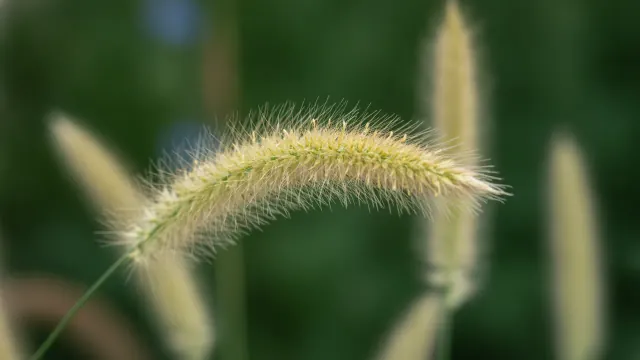
Feather Reed Grass
Shares full sun and moderate water; blooms in early summer as this one finishes; leafs out to hide the ripening bulb foliage as it dies back; its seed heads stand through winter, for structure and the birds; they only overlap in zones 8 to 9.
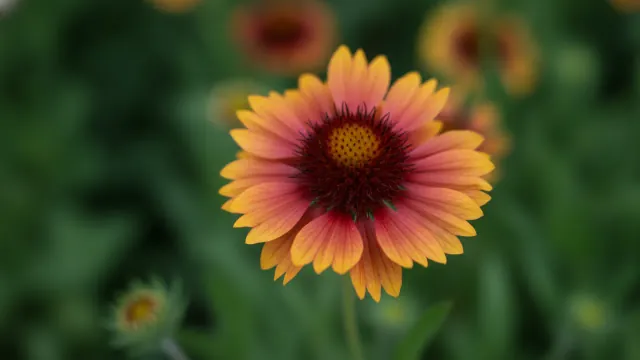
Blanket Flower
Shares full sun and low to moderate water; blooms in early summer as this one finishes; leafs out to hide the ripening bulb foliage as it dies back; echoes the orange.
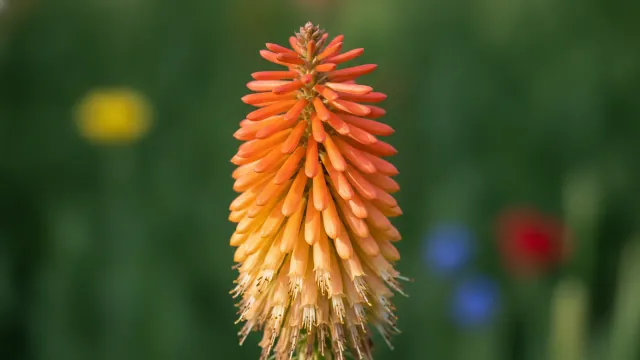
Red Hot Poker
Shares full sun and moderate water; blooms in early summer as this one finishes; leafs out to hide the ripening bulb foliage as it dies back; taller at 3.5 ft, for the layer behind it; they only overlap in zones 8 to 9.
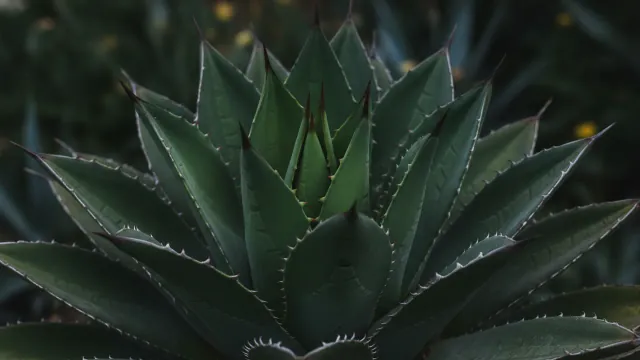
Agave
Shares full sun and low to moderate water; leafs out to hide the ripening bulb foliage as it dies back; evergreen, so the bed keeps its shape through winter.
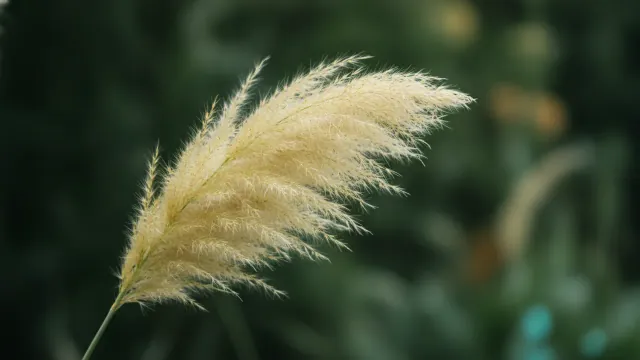
Pampas Grass
Shares full sun and low to moderate water; blooms in late summer, extending the bed's season; its seed heads stand through winter, for structure and the birds; stands well above at 8 ft, a canopy to plant beneath.
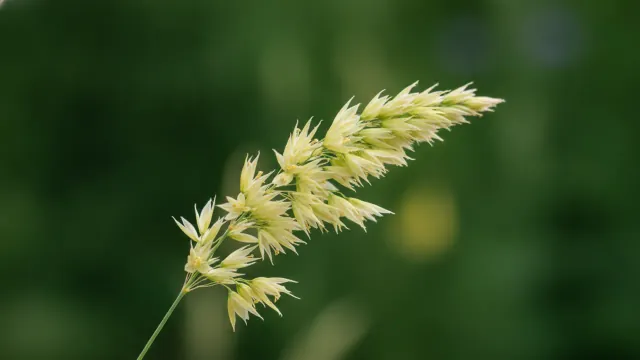
Blue Oat Grass
Shares full sun and low to moderate water; blooms in early summer as this one finishes; leafs out to hide the ripening bulb foliage as it dies back; evergreen, so the bed keeps its shape through winter; they only overlap in zone 8.
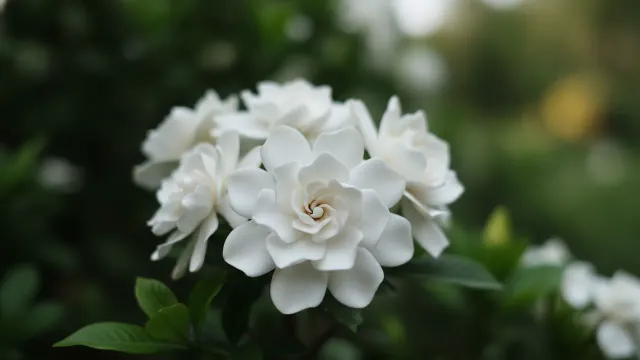
Gardenia
Takes full sun to part sun and moderate to high water; overlaps, then carries the display into midsummer; evergreen, so the bed keeps its shape through winter; taller at 4 ft, for the layer behind it.
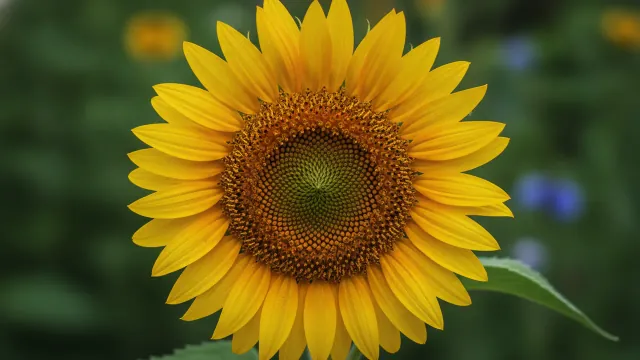
Sunflower
Shares full sun and moderate water; blooms in midsummer, extending the bed's season; its seed heads stand through winter, for structure and the birds; taller at 6.5 ft, for the layer behind it.
Featured in these guides
Explore similar plants
You might also like
Design a garden with this
Drop this plant onto a 3D plan, see how it fills in, and watch your whole garden bloom across the year.