
 Illustration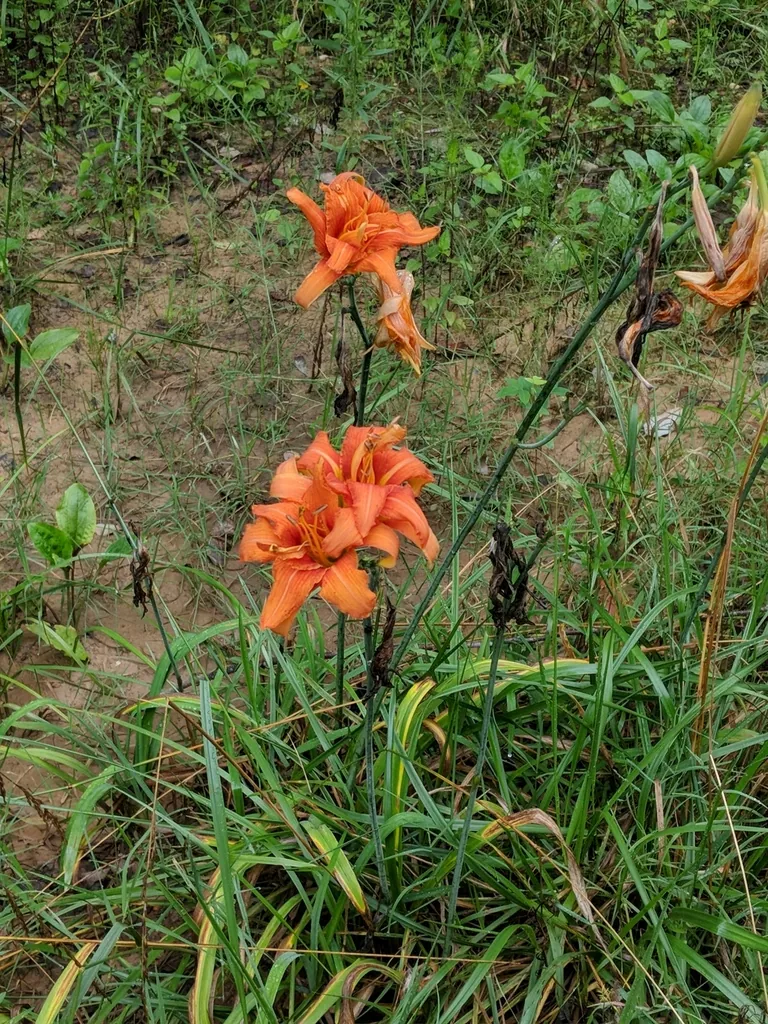
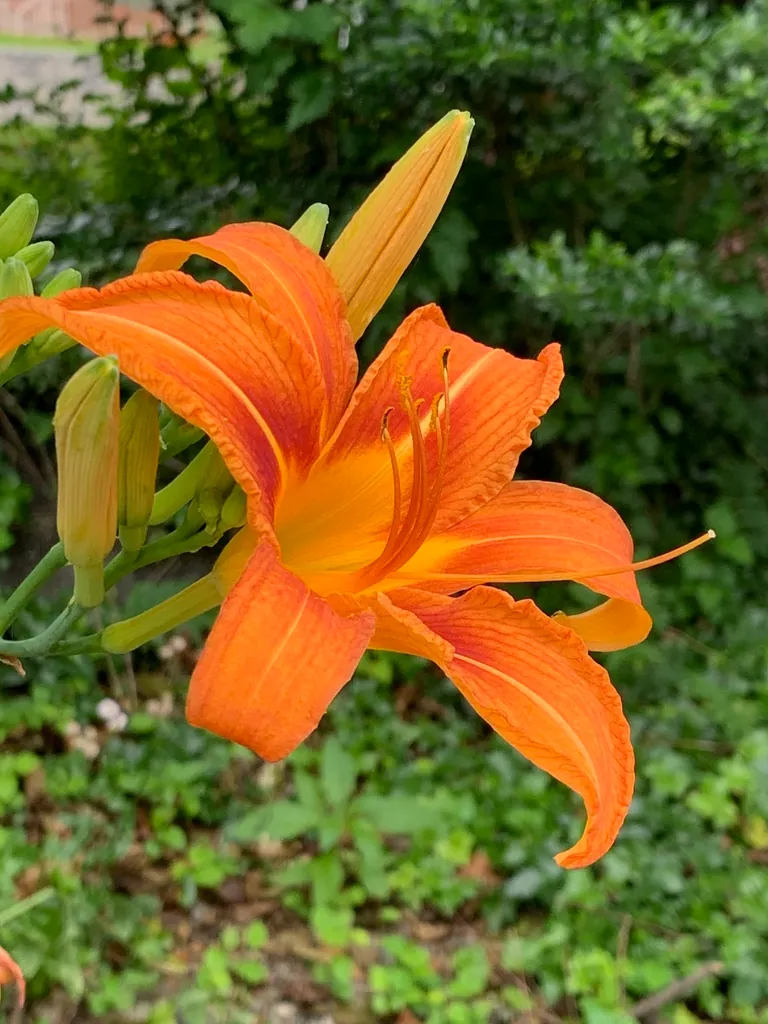
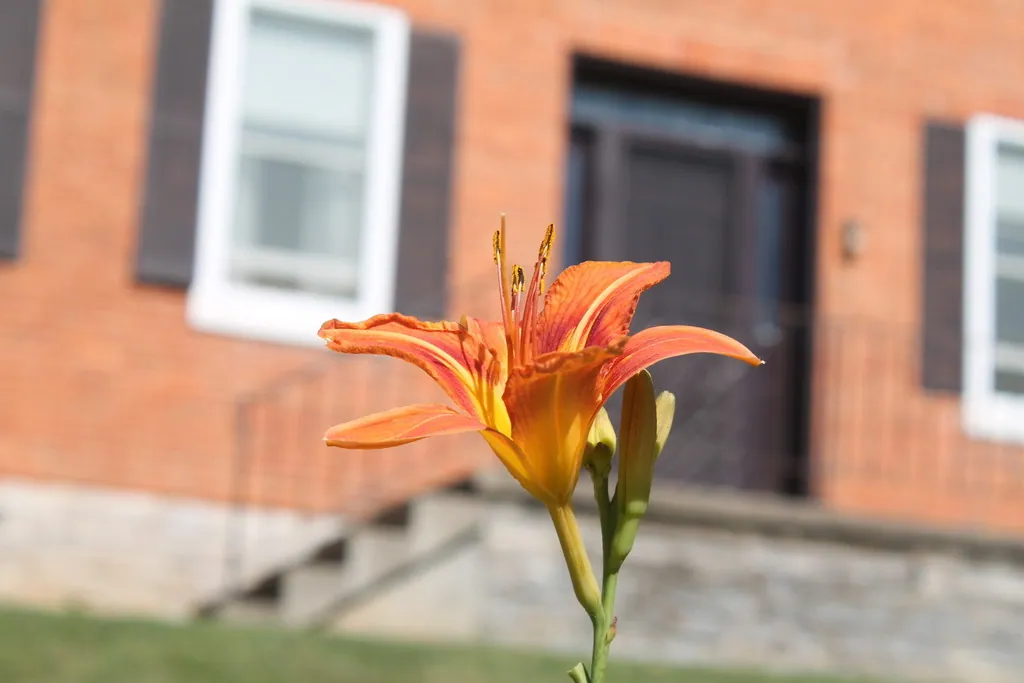
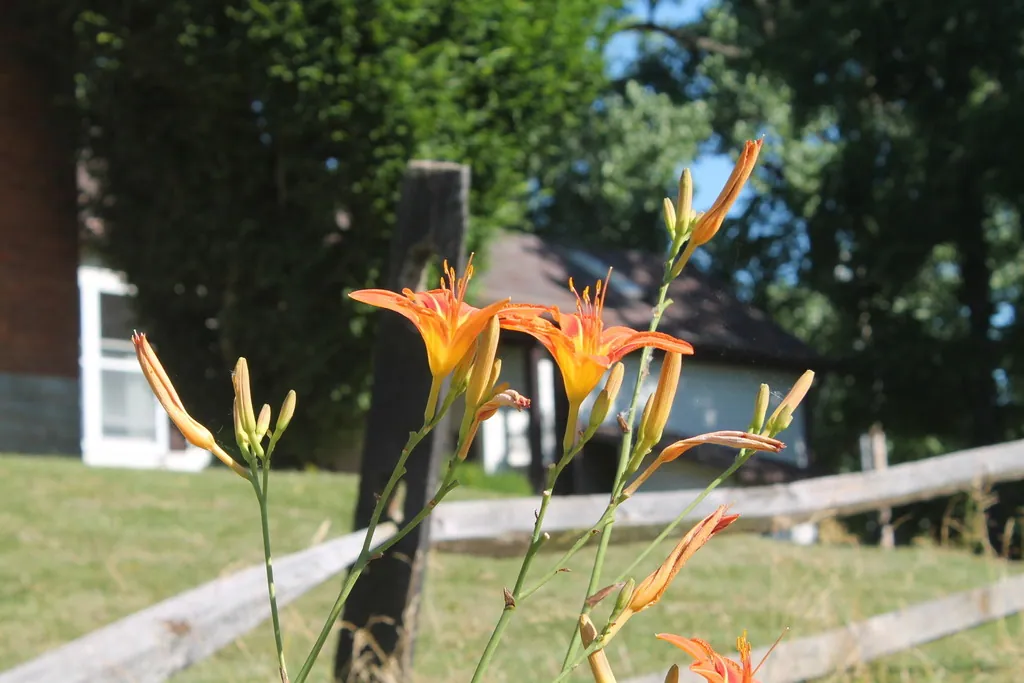
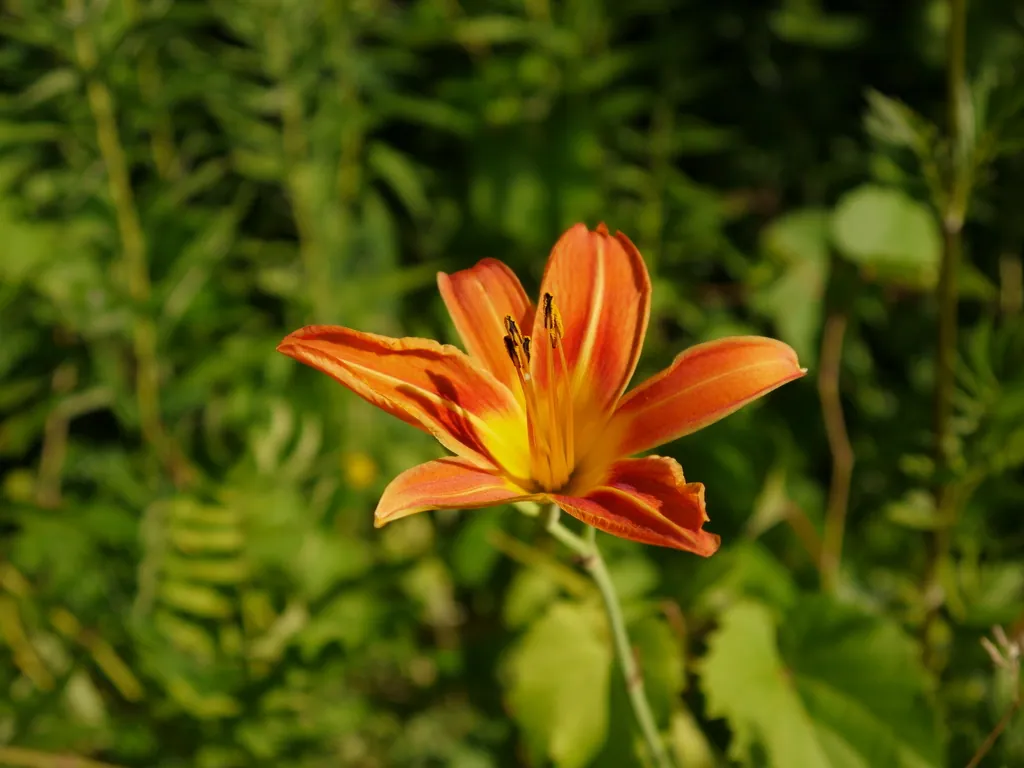

Photo credits and licenses
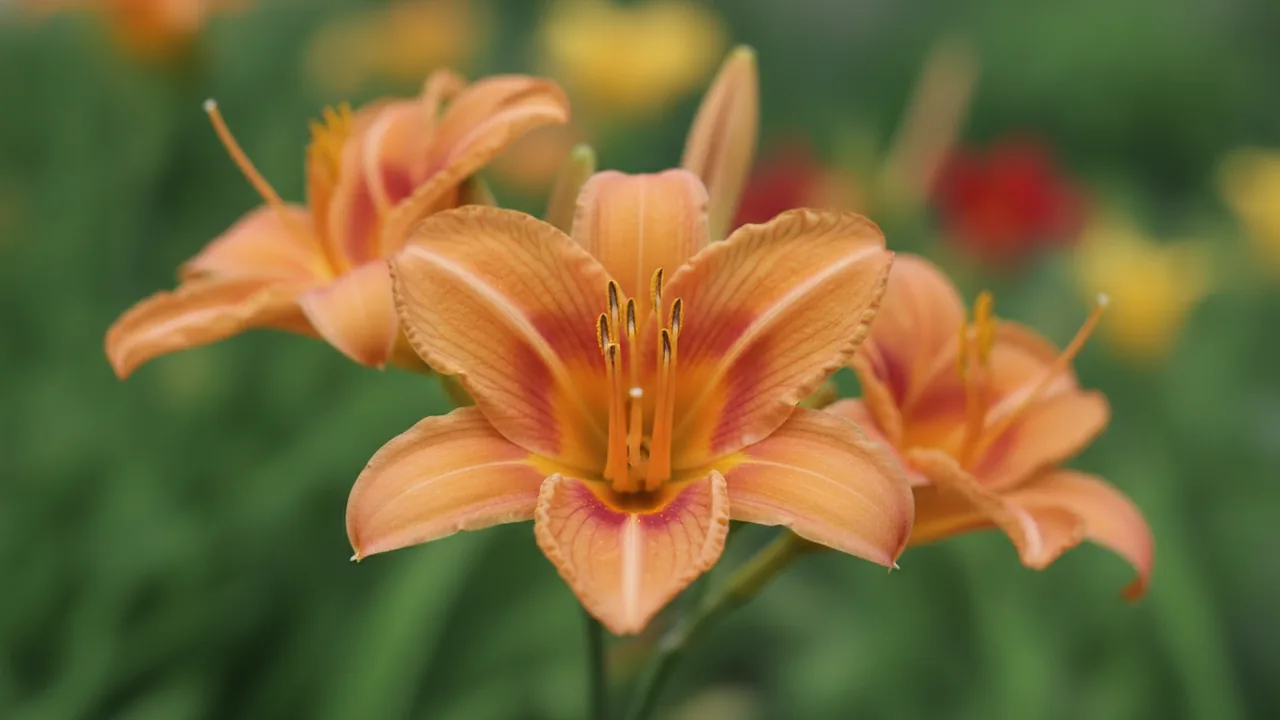
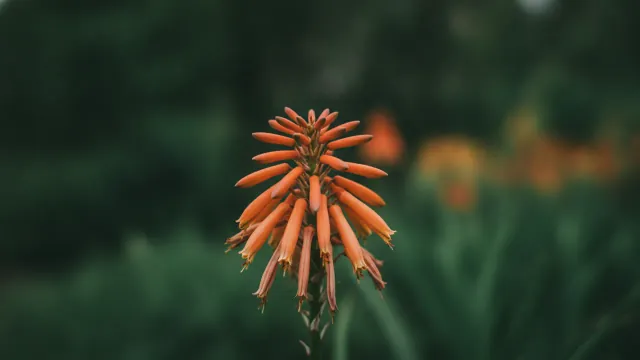
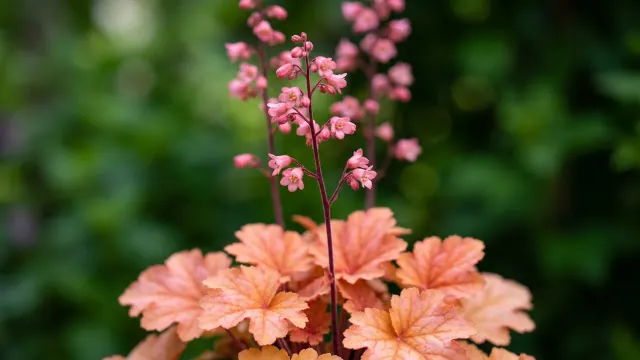
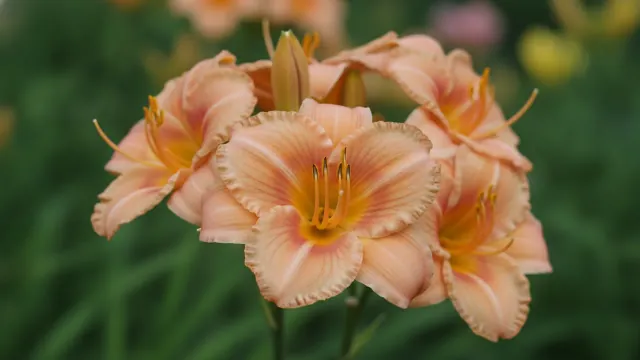
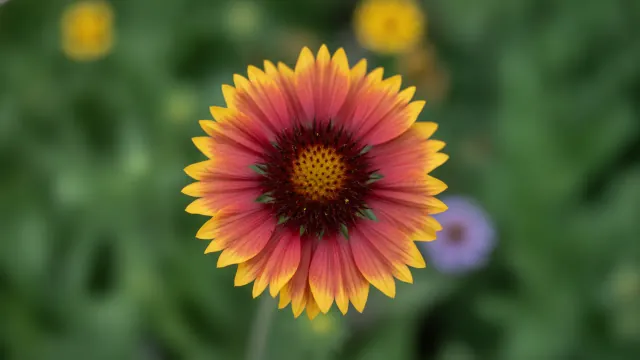
Real photographs from naturalists and photographers worldwide, each used under its own license. Credit: Photo by Rob John / iNaturalist (CC BY), Photo by Sandy Wolkenberg / iNaturalist (CC BY), Photo by Violet T. / iNaturalist (CC BY), Photo by Violet T. / iNaturalist (CC BY) and Photo by Alexis Tinker-Tsavalas / iNaturalist (CC BY). How photos are sourced →

Daylily
Hemerocallis
Daylily blooms from June through August.
Months here are Northern Hemisphere months; in the Southern Hemisphere, shift them by six months.
Growing Daylily
Plant it in full sun. It prefers moderate water. It is hardy in USDA zones 3–9. Expect it to reach about 2.5 ft tall and 2 ft wide at maturity, in roughly 2 years (not yet checked).
What was checked
Mature height and spread, hardiness zones, sun and the trait tags were checked against named botanical sources for this plant. The bloom months and water need on this page were not, and each fact above says which. The planting, spacing and size sections are derived from these checked facts by a fixed rule, not checked separately, and the plant type is the library's own classification.
When to plant Daylily
Plant Daylily in early spring as soon as the soil is workable, or in early fall at least six weeks before your first frost, so roots establish in cool weather. In zone 6, the middle of its hardy zones 3 to 9, spring means March to May and fall means August or September. Once settled, it blooms from June to August.
Month-by-month timing for your zone is on the planting calendar; if you garden near zone 6, the middle of this plant's hardy range, start with zone 6 in March. Derived from the plant's category, zones and bloom months plus typical zone frost dates, not checked separately.
How big does Daylily get?
 2.5 fttall5 ft 7 inan adult2 ftwide
See Daylily in a garden plan: the planner shows it in 3D beside everything else you add, growing toward this size over the years.
How far apart to plant Daylily
Derived from the mature spread above by a fixed rule, not checked separately: spacing is the spread, center to center.
Space Daylily about 2 ft apart, center to center, so each plant has room to reach its full width.
Add Daylily to a garden plan and the planner draws it at its full width, so you see the spacing before you buy.
Where these facts come from
Daylily's height, spread, hardiness zones, sun and trait tags were checked against 15 published sources on July 29, 2026. Each one is linked below with every fact it carried, which can include a fact this page still marks as not yet checked, because a source carrying a value is not the same as the value being held to the standard. Facts not in that list, and the planting, spacing and size sections, are not covered by these sources.
- Missouri Botanical GardenHemerocallis fulvaheight, spread, hardiness zones, sun and trait tags
- NC State ExtensionHemerocallis, genus entryheight, spread, hardiness zones, sun and trait tags
- University of Illinois ExtensionIllinois Extension, Flowers: Daylilyheight, hardiness zones, sun and trait tags
- Clemson Home and Garden Information CenterClemson Cooperative Extension HGIC 1177: Daylilyheight, sun and trait tags
- NC State ExtensionHemerocallis hybridahardiness zones, sun and trait tags
- RHSgrowing guide: How to grow hemerocallisheight, sun and trait tags
- University of Illinois ExtensionHemerocallis sp.height, hardiness zones and sun
- University of Minnesota ExtensionDayliliesheight, sun and trait tags
- American MeadowsHow to Grow Dayliliesspread and sun
- daylilies.orgAmerican Daylily Society, Frequently Asked Questionssun and trait tags
- Plant Delights NurseryGetting Started With Daylilies, A Beginner's Guidesun and trait tags
- extension.missouri.eduUniversity of Missouri Extension G6650: Flowering Perennials - Charact...height
- Mississippi State University ExtensionSouthern Gardening: Beautiful array of daylilies display their variety...height
- University of Georgia ExtensionHemerocallis species and hybridsheight
- University of Illinois ExtensionIllinois Extension, Hort in the Home Landscape: Using Cut Flowers to B...trait tags
How the checking works, and what each standard covers, is on the verified plants page.
Comes in 16 varieties across 6 colors
Same genus, similar care - pick the color you are growing.
- Alabama Jubilee
- Apricot Sparkles
- Bela Lugosi
- Catherine Woodbery
- Chicago Apache
- El Desperado
- Frans Hals
- Going Bananas
- Happy Returns
- Hyperion
- Joan Senior
- Pardon Me
- Purple de Oro
- Ruby Stella
- Stella de Oro
- Strawberry Candy
Compare every variety in the Daylilies group
Every figure is the variety's own page fact. Tap a name to open it.
| Variety | Color | Blooms | Hardiness | Sun | Size (H × W) |
|---|---|---|---|---|---|
| Alabama Jubilee | Orange | Jul–Aug | Zones 3–9 | Full sun | 2.5 ft × 1.5 ft |
| Apricot Sparkles | Orange | Jun–Sep | Zones 3–9 | Full sun | 16 in × 18 in |
| Bela Lugosi | Purple | Jul–Aug | Zones 3–9 | Full sun | 2.5 ft × 2 ft |
| Catherine Woodbery | Pink | Jun–Aug | Zones 3–9 | Full sun | 2.5 ft × 2 ft |
| Chicago Apache | Red | Jul–Aug | Zones 3–9 | Full sun | 2.5 ft × 2 ft |
| Daylilythis page | Orange | Jun–Aug | Zones 3–9 | Full sun | 2.5 ft × 2 ft |
| El Desperado | Yellow | Jul–Aug | Zones 3–9 | Full sun | 2.5 ft × 2 ft |
| Frans Hals | Orange | Jul–Aug | Zones 3–9 | Full sun | 2 ft × 2 ft |
| Going Bananas | Yellow | Jun–Sep | Zones 3–9 | Full sun | 20 in × 20 in |
| Happy Returns | Yellow | Jun–Sep | Zones 3–9 | Full sun | 18 in × 20 in |
| Hyperion | Yellow | Jun–Aug | Zones 3–9 | Full sun | 3.5 ft × 2.5 ft |
| Joan Senior | White | Jun–Aug | Zones 3–9 | Full sun | 24 in × 24 in |
| Pardon Me | Red | Jun–Sep | Zones 3–9 | Full sun | 18 in × 20 in |
| Purple de Oro | Purple | Jun–Sep | Zones 3–9 | Full sun | 16 in × 18 in |
| Ruby Stella | Red | Jun–Sep | Zones 3–9 | Full sun | 16 in × 18 in |
| Stella de Oro | Yellow | Jun–Sep | Zones 3–9 | Full sun | 12 in × 16 in |
| Strawberry Candy | Pink | Jun–Aug | Zones 3–9 | Full sun | 24 in × 20 in |
Good to know about Daylily
Curated from university extensions, botanic gardens and other primary sources, with the source named on every note. A note reports what its source says; where that differs from a fact above, the fact above is this entry's stored value, and its mark says whether it has been checked.
Safety
Highly toxic to cats: any part, even the pollen, can cause fatal acute kidney failure, the same effect true lilies have. Not toxic to dogs. per ASPCA and NC State
Worth knowing
Each flower opens and dies in one day, which the name Hemerocallis ('day beauty') records. But a scape carries many buds, so a clump blooms 30 to 40 days. per NC State and Clemson
How much sun it needs
Some sources call part shade fine; bloom-focused ones want 6 to 8 hours of sun. Plant in full sun for flowers; dark cultivars need afternoon shade for color. per Missouri and Clemson
Thrives on neglect
One of the toughest perennials grown: salt tolerant, drought tolerant once established, and forgiving of dry or wet spells. NC State reports no serious pests or diseases. per NC State and Missouri
Daylily rust
Daylily rust shows as orange pustules on leaf undersides. Lead with sanitation: buy clean stock, inspect undersides, avoid overhead watering, clear dead foliage. Fungicides only supplement. per Clemson and Penn State
Stella de Oro does both
'Stella de Oro' is both a top reblooming daylily and one of the few cultivars with moderate rust resistance, so one choice buys longer bloom and less rust. per Clemson and Plant Disease
Draws pollinators, but deer browse
Flowers feed butterflies and hummingbirds, and daylilies suit butterfly and children's gardens. Note that NC State flags them as frequently damaged by deer. per NC State
What pairs well with Daylily
Good companions share its growing conditions and add something it lacks: an earlier or later bloom, a lower carpet in front, or structure through winter.
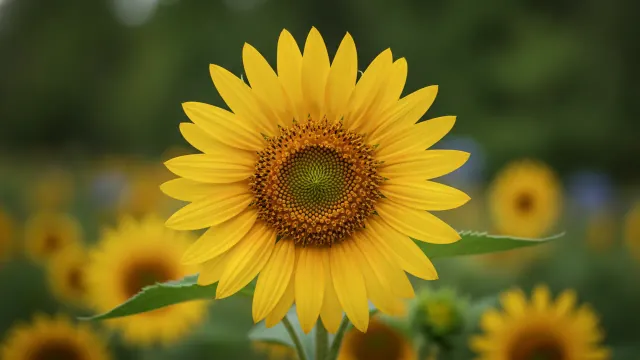
Perennial Sunflower
Shares full sun and moderate water; overlaps, then carries the display into mid fall; both are strong pollinator plants; its seed heads stand through winter, for structure and the birds.
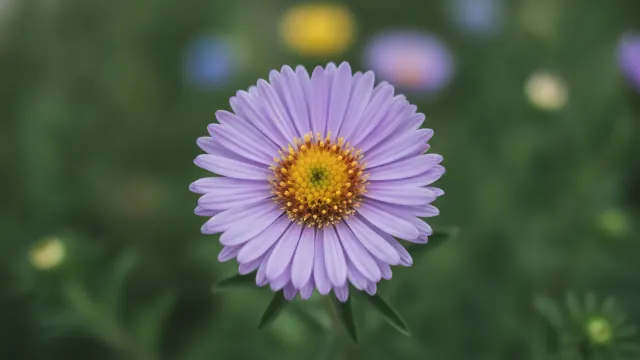
Aster
Shares full sun and moderate water; blooms in early fall as this one finishes; both are strong pollinator plants, and they feed in different months; its seed heads stand through winter, for structure and the birds.
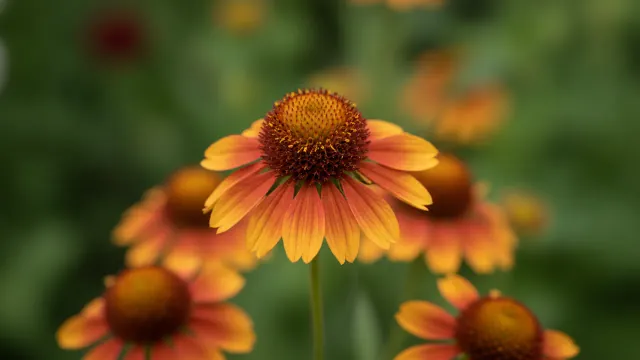
Sneezeweed
Shares full sun and moderate water; overlaps, then carries the display into early fall; both are strong pollinator plants; its seed heads stand through winter, for structure and the birds.
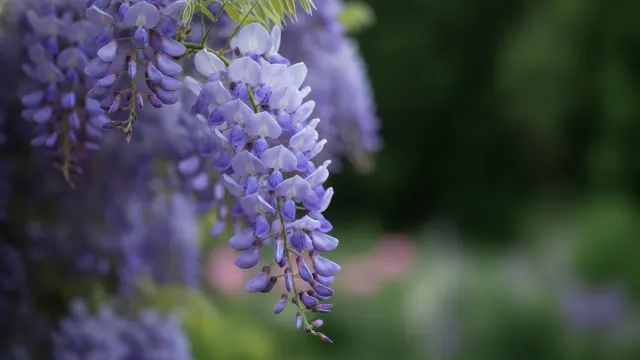
Wisteria
Shares full sun and moderate water; blooms in mid spring, before this one opens; both are strong pollinator plants, and they feed in different months; purple against orange, for contrast.
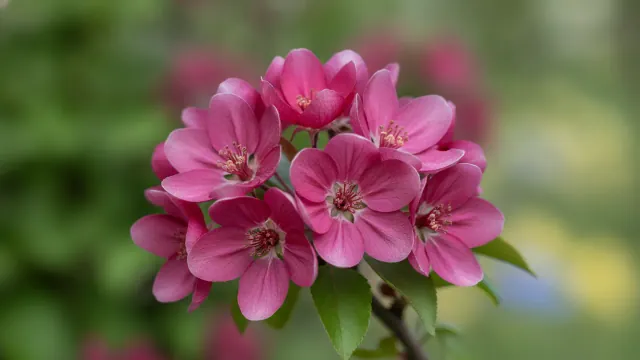
Flowering Crabapple
Shares full sun and moderate water; blooms in mid spring, before this one opens; both are strong pollinator plants, and they feed in different months; stands well above at 20 ft, a canopy to plant beneath.
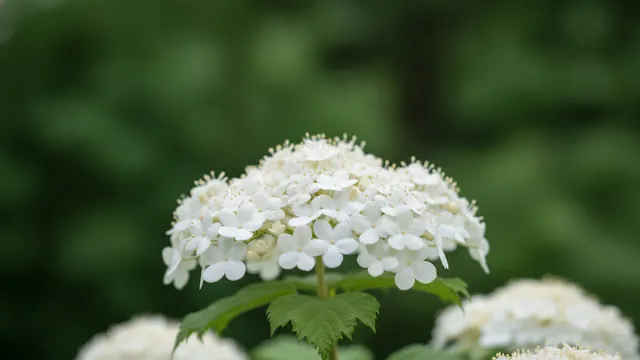
Viburnum
Shares full sun and moderate water; blooms in mid spring, before this one opens; both offer pollinator forage, in different months; taller at 6.5 ft, for the layer behind it.
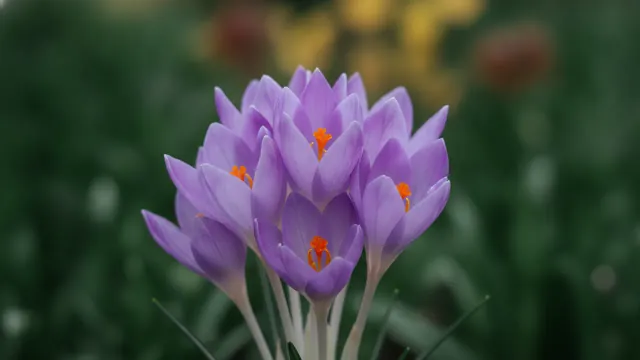
Autumn Crocus
Shares full sun and moderate water; blooms in early fall as this one finishes; both offer pollinator forage, in different months; lower at 6 in, for the front of the border.
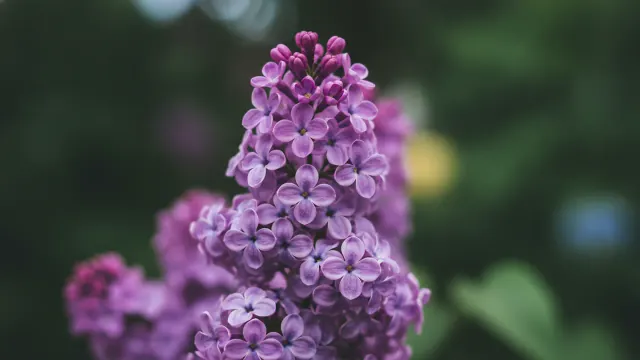
Lilac
Shares full sun and moderate water; blooms in mid spring, before this one opens; both offer pollinator forage, in different months; taller at 10 ft, for the layer behind it.
Featured in these guides
Explore similar plants
You might also like
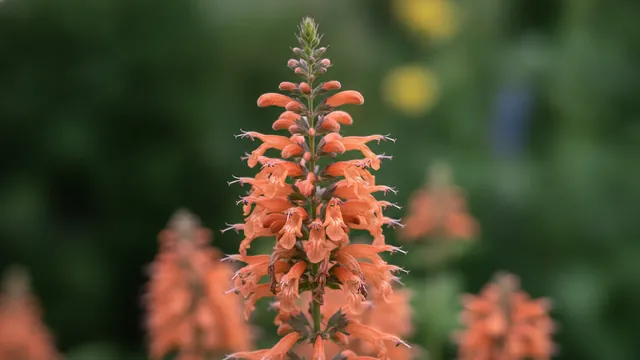
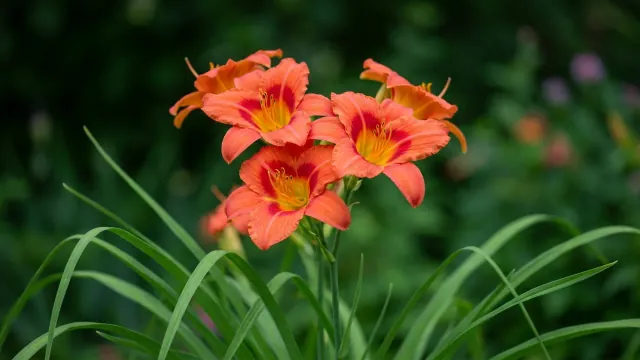
Design a garden with this
Drop this plant onto a 3D plan, see how it fills in, and watch your whole garden bloom across the year.