
Practical
Plants for Clay Soil: Toughness That Thrives in Heavy Ground
Heavy clay is not a dealbreaker. These tough plants thrive in it, and clay is more fertile than you think.
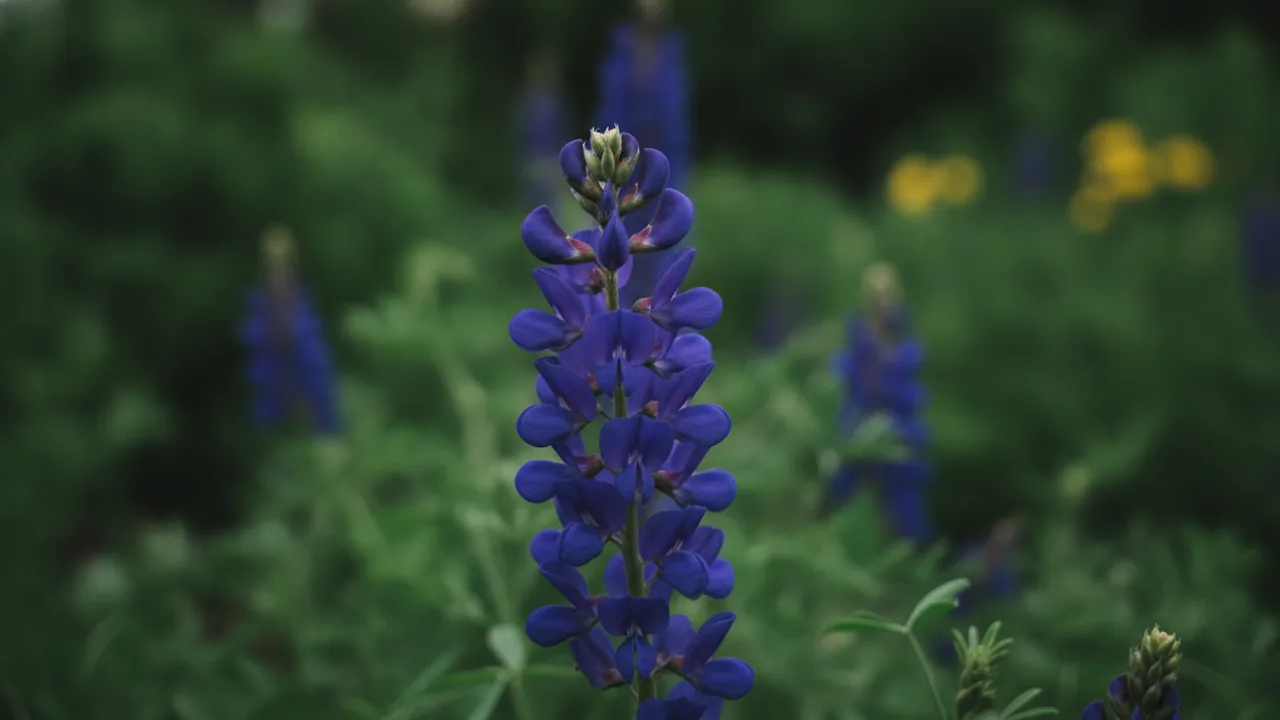
Heavy clay soil gets a bad reputation: it bakes hard in summer, stays sodden in winter, and is a pain to dig. But it is also rich in nutrients and holds moisture well, and plenty of tough, deep-rooted plants do not just tolerate it, they thrive in it. The trick is choosing those plants and improving the soil a little each year.
Below are the most reliable plants for clay, for sunny spots and for the damp, heavier ground that clay so often creates. For more, browse native plants, many of which are perfectly adapted to heavy local soils.
Tough perennials for clay in sun
These deep-rooted, vigorous perennials shrug off heavy soil and reward you for years.
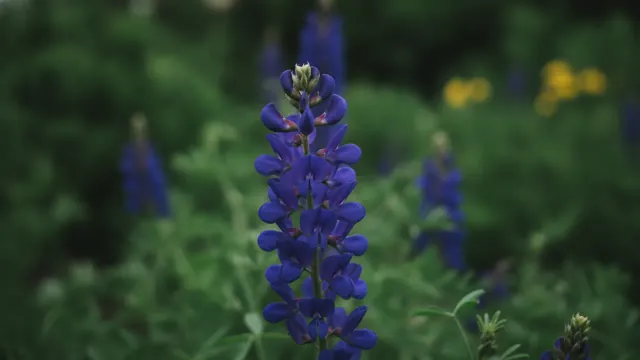
Baptisia
False indigo, with deep, drought-busting roots that actually prefer to be left undisturbed in heavy ground.
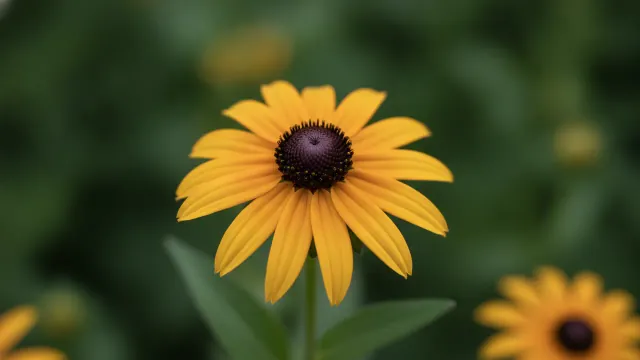
Rudbeckia
Golden, dependable, and completely unfussy about soil, spreading happily in clay.
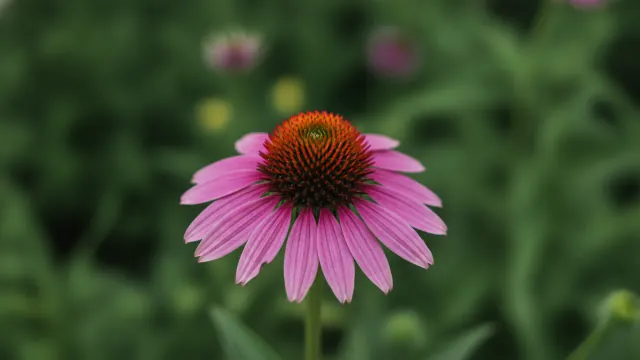
Echinacea purpurea
A tough prairie native with deep roots that cope easily with heavy ground, beloved by pollinators.
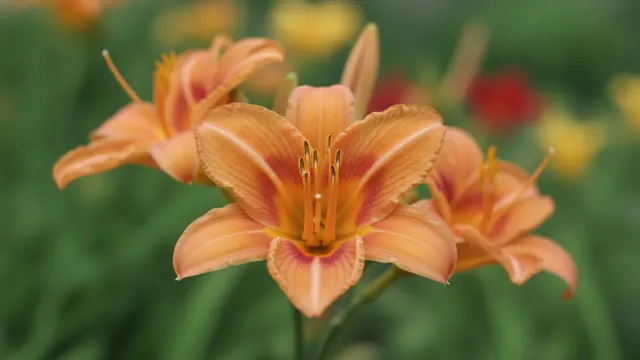
Hemerocallis
Almost indestructible, flowering well in clay where fussier plants would sulk.
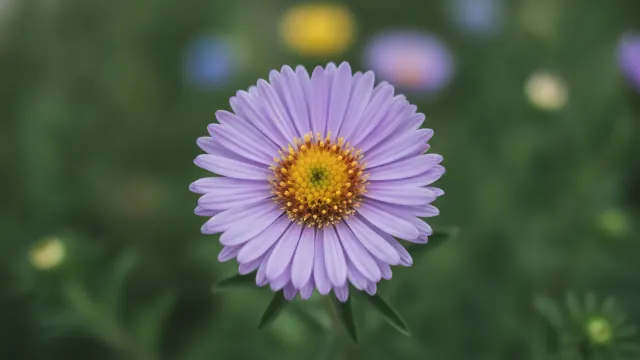
Symphyotrichum
Clouds of fall daisies on a vigorous plant that thrives in heavier, moisture-holding soils.
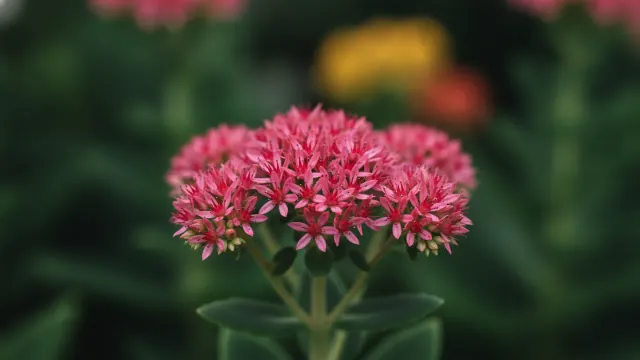
Hylotelephium 'Autumn Fire'
Succulent and tough, handling clay as long as it does not sit waterlogged all winter.
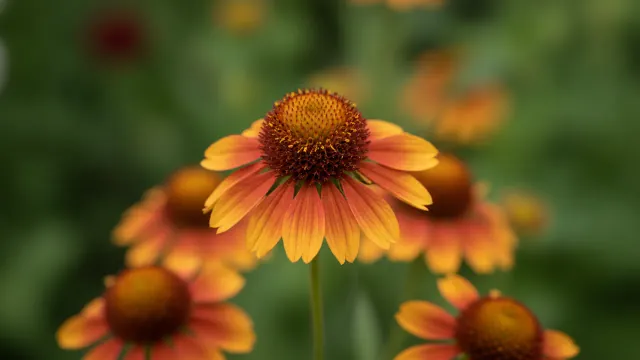
Helenium
Loves the moisture clay holds, throwing out warm-toned daisies right through late summer.
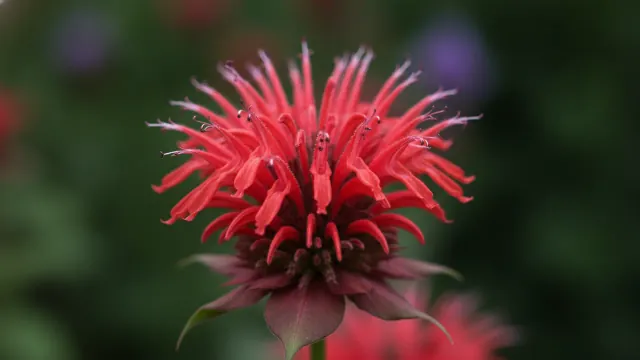
Monarda
A vigorous spreader that relishes the damp, rich conditions heavy soil provides.
For clay that stays damp or shady
Clay often stays wet, especially in low or shaded spots. These actively enjoy those conditions.
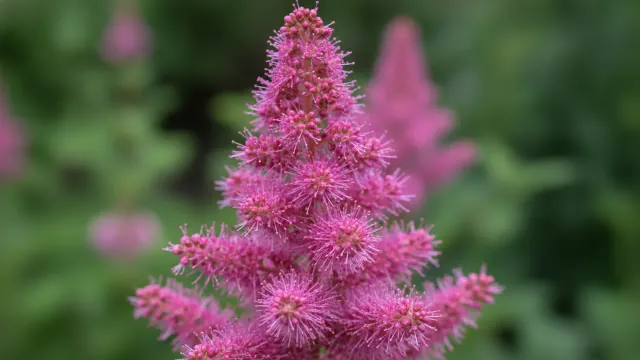
Astilbe
Feathery plumes for damp shade, one of the few plants that genuinely likes wet clay.
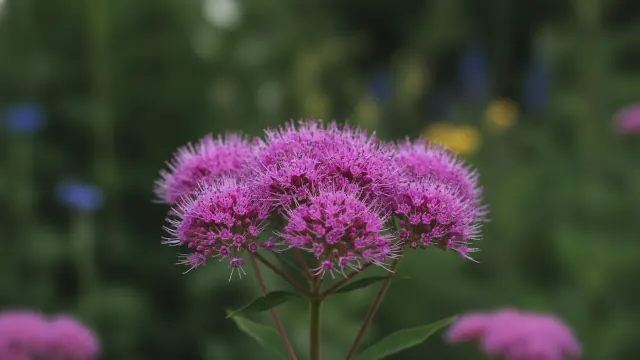
Eutrochium
A tall native that thrives in moist, heavy ground and pulls in clouds of butterflies.
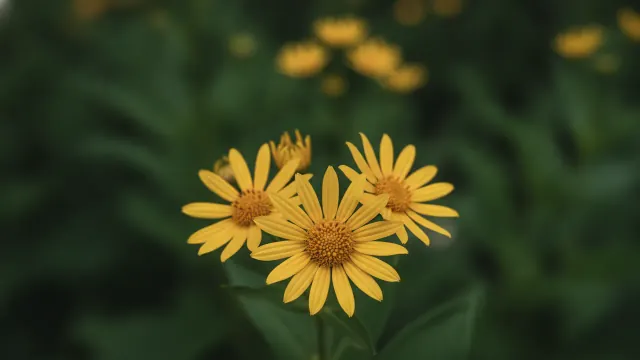
Ligularia
Bold leaves and yellow spikes for a damp, shady spot, sulking only if it ever dries out.
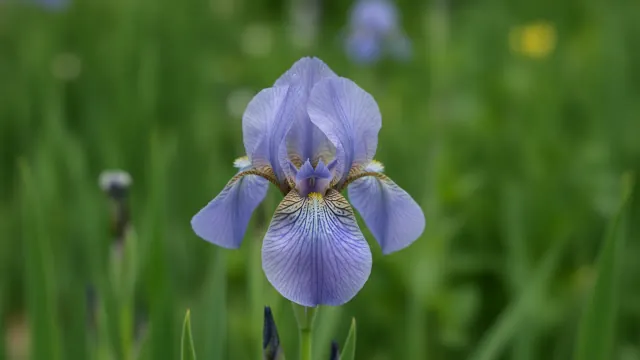
Iris sibirica
Elegant and tough, happy in heavy soil that stays moist, with grassy foliage all season.
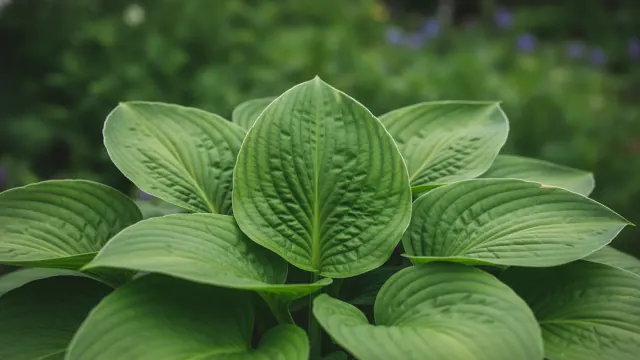
Hosta
The reliable answer for clay in shade, forming generous leafy mounds with almost no effort.
Shrubs and grasses for clay
For structure, these woody plants and grasses are unbothered by heavy ground.
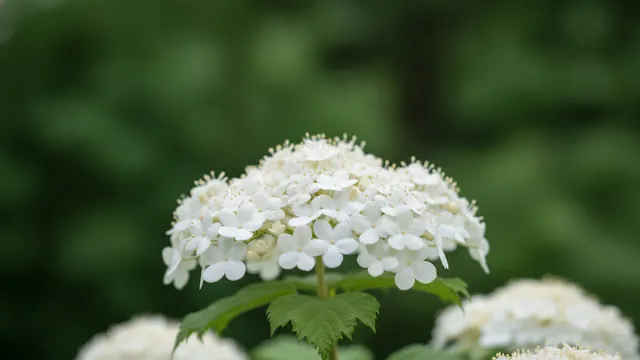
Viburnum
A tough, adaptable shrub for flowers, berries, and structure, completely at home in clay.
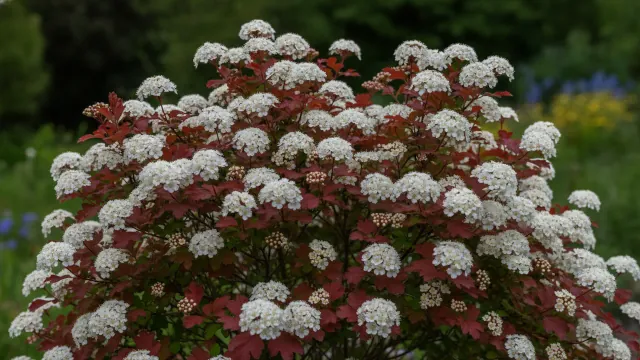
Physocarpus opulifolius
A rugged native shrub with peeling bark and colored foliage that grows almost anywhere.
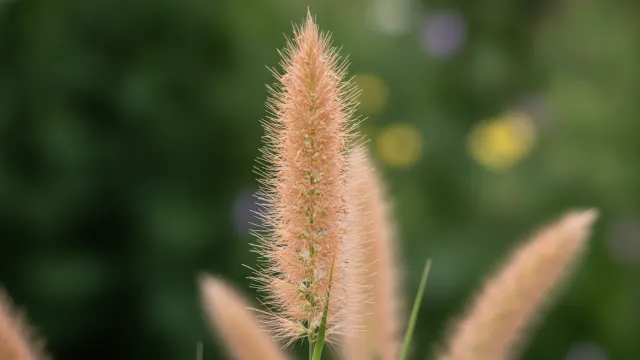
Panicum virgatum
A deep-rooted native grass that thrives in heavy soil and stands tall through winter.
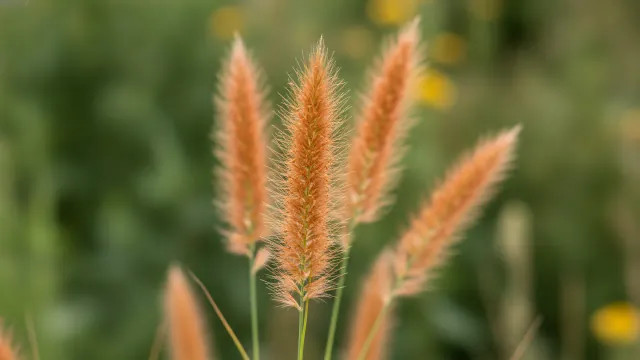
Schizachyrium scoparium
A tough native grass, well adapted to heavy ground, that glows copper in fall.
Improve clay over time
Clay is fertile, just heavy. Spread compost or well-rotted organic matter on top each year and let the worms work it in, mulch to stop it baking, and never dig or walk on it when it is wet, which destroys the structure. The plants above will thrive while you slowly improve it.
What plants grow well in clay soil?
Tough, deep-rooted perennials like baptisia, black-eyed susan, coneflower, daylily, and aster, plus astilbe and joe pye weed for damper clay, and shrubs like viburnum and ninebark.
How do I improve clay soil?
Add organic matter such as compost on top each year, mulch to keep it from baking, and avoid digging or compacting it when wet. Over time it becomes easier to work and better drained.
Is clay soil bad for plants?
Not at all. Clay holds nutrients and moisture well, and many plants thrive in it. The main issues are poor drainage and hard baking, both of which improve with organic matter and the right plant choices.
Design a garden with these plants
Open BloomsEye Studio with this guide's plants ready to drop onto a plan, then watch the whole bed bloom across the year. New to it? See what the free garden planner does.