
 Illustration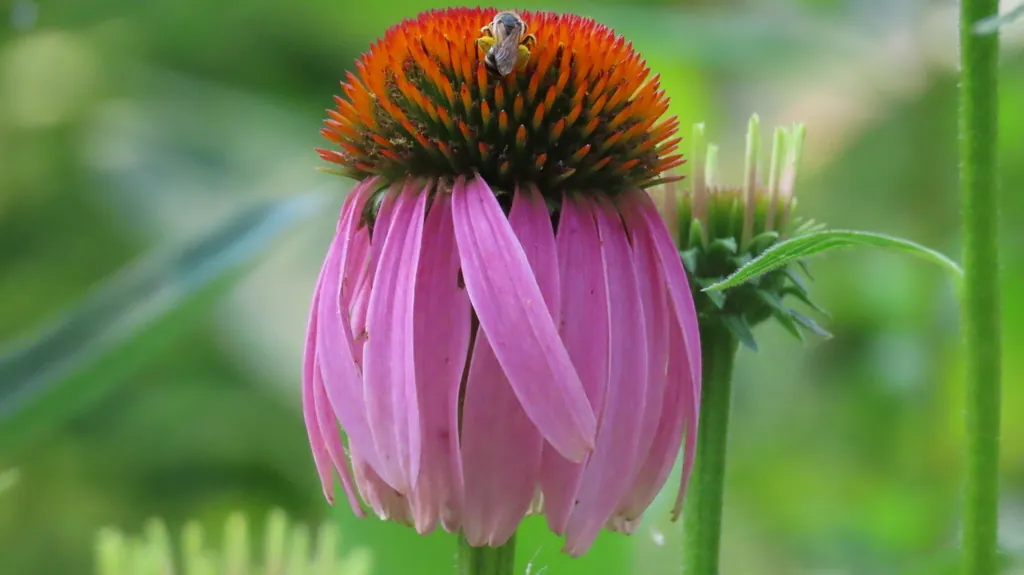
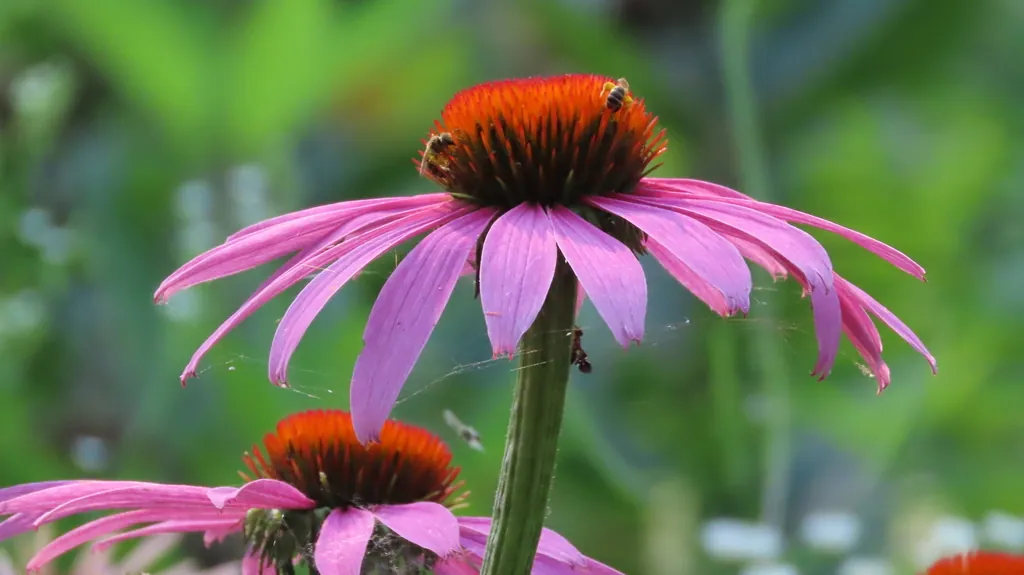
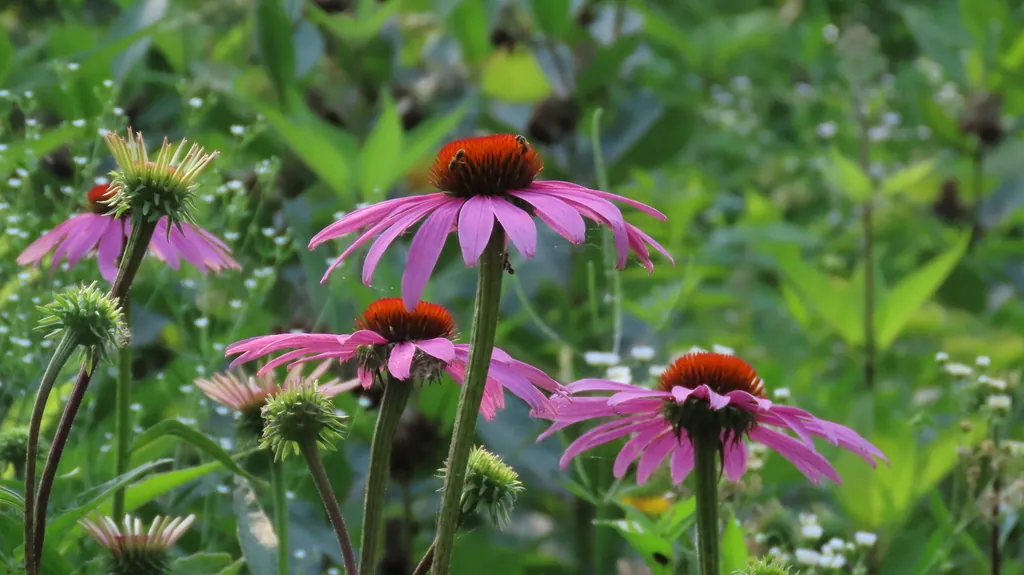
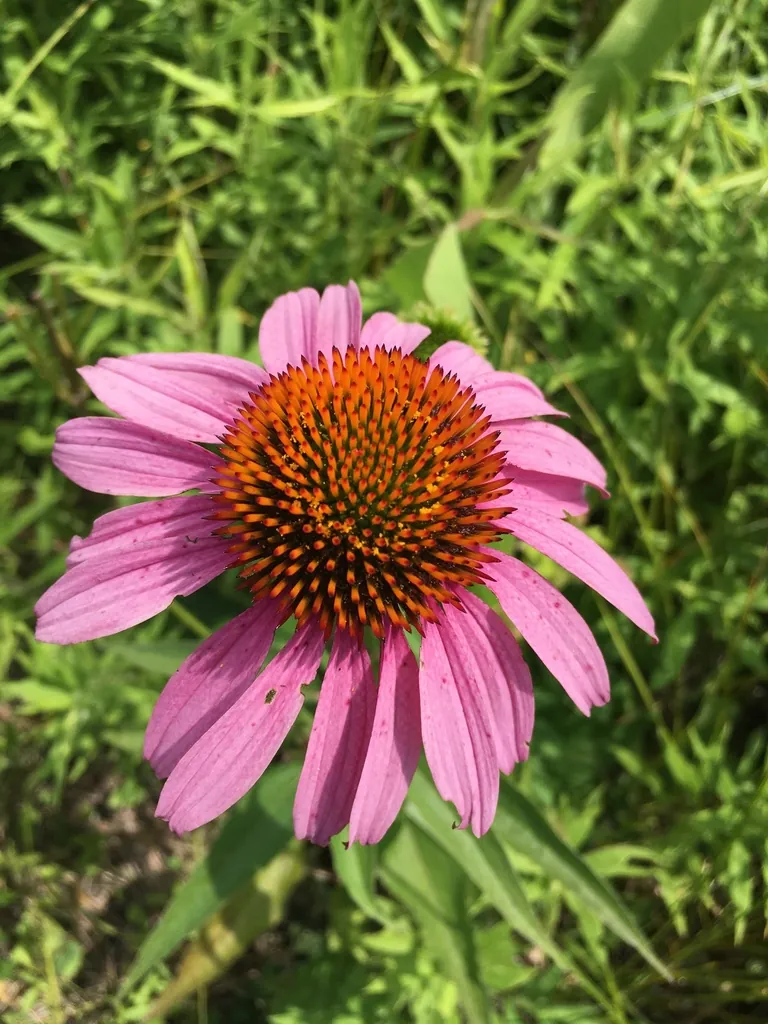

Photo credits and licenses
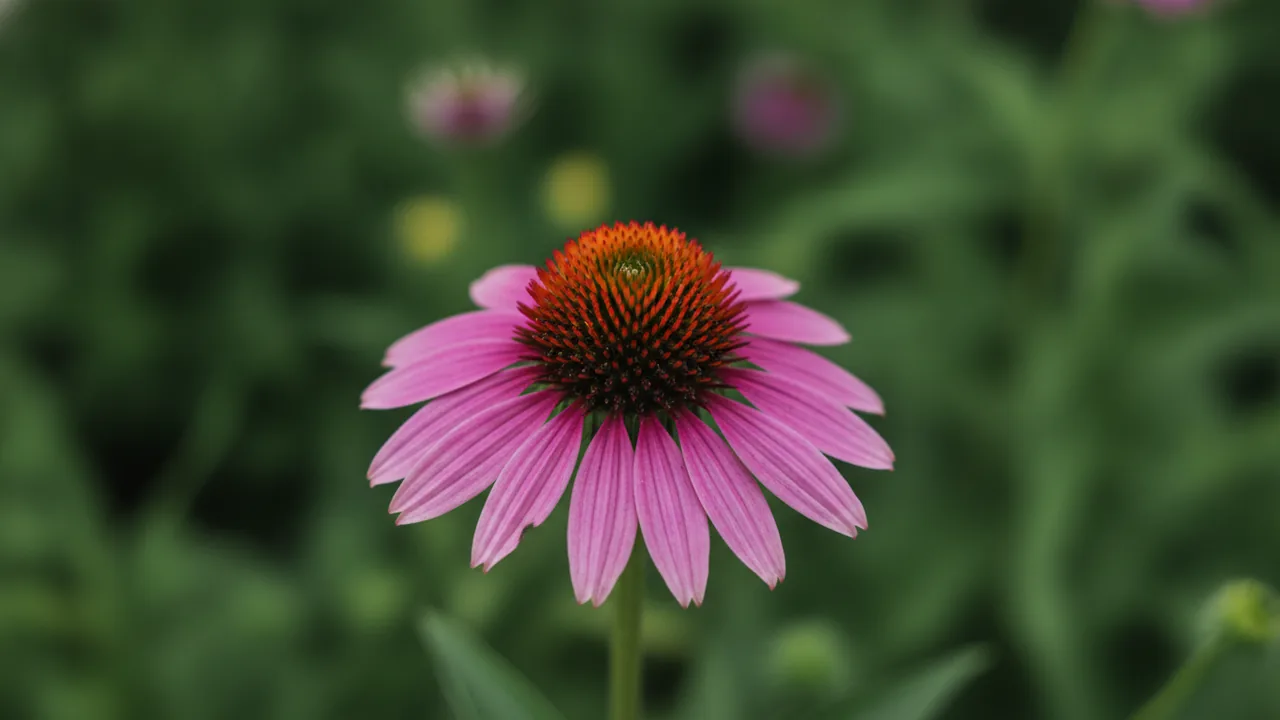
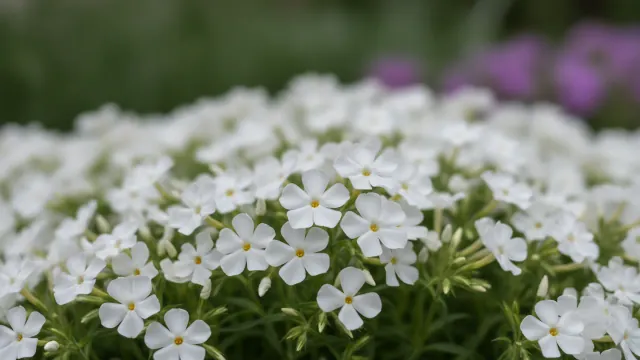
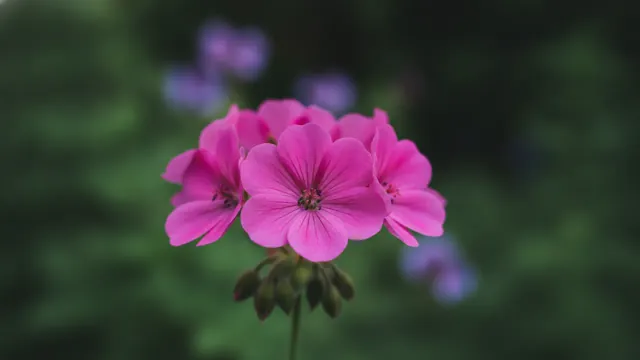
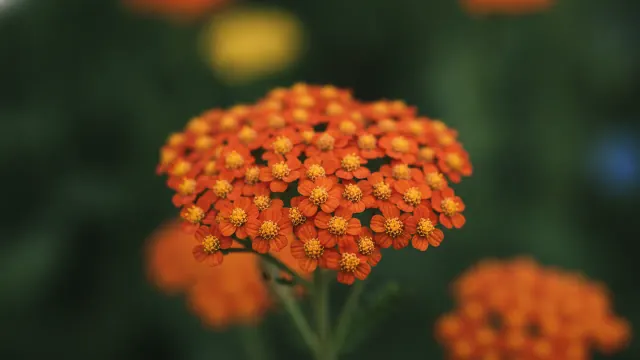
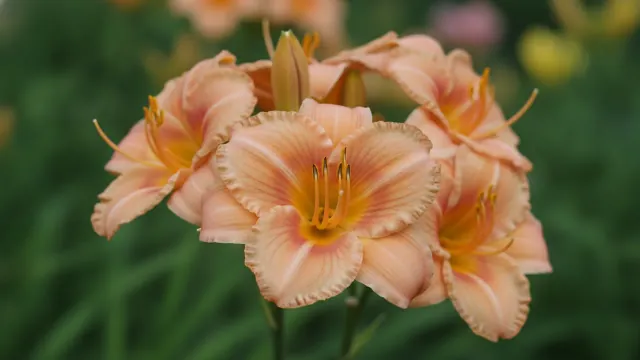
Real photographs from naturalists and photographers worldwide, each used under its own license. Credit: Photo by Jason Swanson / iNaturalist (CC0), Photo by Jason Swanson / iNaturalist (CC0), Photo by Jason Swanson / iNaturalist (CC0) and Photo by Greg Ulreich / iNaturalist (CC0). How photos are sourced →

Purple Coneflower
Echinacea purpurea
Purple Coneflower blooms from June through September.
Months here are Northern Hemisphere months; in the Southern Hemisphere, shift them by six months.
Growing Purple Coneflower
Plant it in full sun. It prefers low water. It is hardy in USDA zones 3–8. Expect it to reach about 3 ft tall and 1.5 ft wide at maturity, in roughly 2 years (checked).
No toxicity note is on file for Purple Coneflower. That is not a clearance: check its safety for people and pets before planting.
What was checked
Mature height and spread, hardiness zones, sun, water, bloom months and color and the trait tags were checked against named botanical sources for this plant, with what the sources could not settle written down; years to mature size rests on a recorded house rule where no publisher states one, and is marked so; its common name and alternate names have not been checked yet. Each fact above carries its own mark. The planting, spacing and size sections are derived from these checked facts by a fixed rule, not checked separately, and the plant type is the library's own classification.
When to plant Purple Coneflower
Plant Purple Coneflower in early spring as soon as the soil is workable, or in early fall at least six weeks before your first frost, so roots establish in cool weather. In zone 5, the middle of its hardy zones 3 to 8, spring means April to June and fall means August or September. Once settled, it blooms from June to September.
Month-by-month timing for your zone is on the planting calendar; if you garden near zone 5, the middle of this plant's hardy range, start with zone 5 in April. Derived from the plant's category, zones and bloom months plus typical zone frost dates, not checked separately.
How big does Purple Coneflower get?
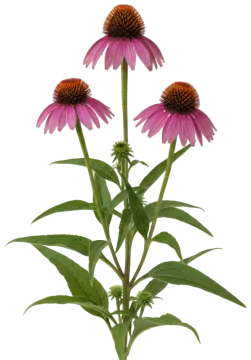 3 fttall5 ft 7 inan adult1.5 ftwide
See Purple Coneflower in a garden plan: the planner shows it in 3D beside everything else you add, growing toward this size over the years.
How far apart to plant Purple Coneflower
Derived from the mature spread above by a fixed rule, not checked separately: spacing is the spread, center to center.
Space Purple Coneflower about 1.5 ft apart, center to center, so each plant has room to reach its full width.
Add Purple Coneflower to a garden plan and the planner draws it at its full width, so you see the spacing before you buy.
Where these facts come from
Purple Coneflower's height, spread, hardiness zones, sun, water, bloom months and color, years to mature size, trait tags, soil, diseases, pests and toxicity were checked against 11 published sources on August 3, 2026. Each one is linked below with every fact it carried, which can include a fact this page still marks as not yet checked, because a source carrying a value is not the same as the value being held to the standard. Facts not in that list, and the planting, spacing and size sections, are not covered by these sources.
- NC State ExtensionPlant Toolboxheight, spread, hardiness zones, sun, water, bloom months and color, trait tags, soil, diseases, pests and toxicity
- Clemson Home and Garden Information CenterClemson Cooperative Extension HGICheight, spread, hardiness zones, sun, bloom months and color, years to mature size, trait tags, soil, diseases and pests
- Missouri Botanical GardenPlant Finderheight, spread, hardiness zones, sun, water, bloom months and color, trait tags, diseases and pests
- University of Illinois ExtensionHort Answersheight, hardiness zones, sun, water, bloom months and color and soil
- Lady Bird Johnson Wildflower CenterNative Plant Information Networkheight, water, bloom months and color, soil and pests
- Prairie Moon Nurseryheight, spread, hardiness zones, bloom months and color and years to mature size
- Chicago Botanic GardenPlant Finderheight, hardiness zones, sun and bloom months and color
- Missouri Botanical Gardenheight, spread, hardiness zones, sun and trait tags
- Chicago Botanic GardenPlant Evaluation Notesbloom months and color and years to mature size
- Lady Bird Johnson Wildflower Centerheight, sun and trait tags
- missouripoisoncenter.orgMissouri Poison Centertoxicity
How the checking works, and what each standard covers, is on the verified plants page.
16 more colors in the Coneflowers group
Same genus, similar care - pick the one you are growing.
- Cheyenne Spirit
- Coconut Lime
- Double Scoop Raspberry
- Green Jewel
- Hot Papaya
- Kismet Raspberry
- Magnus
- Marmalade
- Pink Double Delight
- PowWow Wild Berry
- Sombrero Adobe Orange
- Sombrero Hot Coral
- Sombrero Lemon Yellow
- Sombrero Salsa Red
- Tomato Soup
- White Swan
Compare every variety in the Coneflowers group
Every figure is the variety's own page fact. Tap a name to open it.
| Variety | Color | Blooms | Hardiness | Sun | Size (H × W) |
|---|---|---|---|---|---|
| Cheyenne Spirit | Orange | Jun–Sep | Zones 4–9 | Full sun | 24 in × 20 in |
| Coconut Lime | White | Jul–Sep | Zones 4–9 | Full sun | 24 in × 20 in |
| Double Scoop Raspberry | Pink | Jun–Sep | Zones 4–9 | Full sun | 23 in × 19 in |
| Green Jewel | - | Jul–Sep | Zones 4–9 | Full sun | 24 in × 20 in |
| Hot Papaya | Orange | Jul–Sep | Zones 4–9 | Full sun | 2.5 ft × 1.5 ft |
| Kismet Raspberry | Pink | Jun–Sep | Zones 4–9 | Full sun | 20 in × 20 in |
| Magnus | Purple | Jul–Sep | Zones 3–9 | Full sun | 3 ft × 1.5 ft |
| Marmalade | Orange | Jul–Sep | Zones 4–9 | Full sun | 2.5 ft × 1.5 ft |
| Pink Double Delight | Pink | Jul–Sep | Zones 4–9 | Full sun | 20 in × 16 in |
| PowWow Wild Berry | Pink | Jun–Sep | Zones 3–8 | Full sun | 22 in × 16 in |
| Purplethis page | Pink | Jun–Sep | Zones 3–8 | Full sun | 3 ft × 1.5 ft |
| Sombrero Adobe Orange | Orange | Jun–Sep | Zones 4–9 | Full sun | 22 in × 20 in |
| Sombrero Hot Coral | Orange | Jun–Sep | Zones 4–9 | Full sun | 22 in × 20 in |
| Sombrero Lemon Yellow | Yellow | Jun–Sep | Zones 4–9 | Full sun | 22 in × 20 in |
| Sombrero Salsa Red | Red | Jun–Sep | Zones 4–9 | Full sun | 22 in × 20 in |
| Tomato Soup | Red | Jul–Sep | Zones 4–9 | Full sun | 2.5 ft × 1.5 ft |
| White Swan | White | Jul–Sep | Zones 3–9 | Full sun | 2.5 ft × 1.5 ft |
Good to know about Purple Coneflower
Curated from university extensions, botanic gardens and other primary sources, with the source named on every note. A note reports what its source says; where that differs from a fact above, the fact above is this entry's stored value, and its mark says whether it has been checked.
Worth knowing
A green, tufted, deformed cone has two causes: if only the flower is distorted it is the rosette mite, but whole-plant yellowing means incurable aster yellows. per University of Illinois and Clemson
Deer resistance is disputed
Three extension offices call it deer resistant, but Penn State does not. Read it as deer-tolerant, not deer-proof: hungry deer in high-pressure areas will still sample it. per NC State and Penn State
The end-of-season cut
Deadheading through summer prolongs bloom, but leaving the final cones feeds goldfinches and cutting stems only to 12 to 24 in shelters native bees; delay full cleanup to spring. per NC State and Wisconsin
Avoid wetting the leaves
It is prone to powdery mildew, so water at the base rather than overhead and give plants room for air to move; wet, crowded foliage invites leaf disease. per Clemson
Straight species beats cultivars
For wildlife, the native straight species beats fancy cultivars: sterile or double forms feed pollinators far less, and 'Magnus' drew more Japanese-beetle feeding than the species. per Xerces and Colorado State
Who the flowers feed
Nectar and pollen draw bumble bees, long-horned and leafcutter bees, butterflies and skippers; it feeds monarchs and hosts the Silvery Checkerspot and Wavy-lined Emerald. per NC State and Xerces
What pairs well with Purple Coneflower
Good companions share its growing conditions and add something it lacks: an earlier or later bloom, a lower carpet in front, or structure through winter.
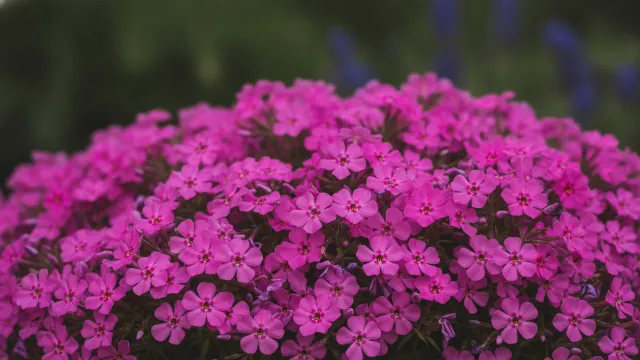
Creeping Phlox
Shares full sun and low water; blooms in mid spring, before this one opens; both are strong pollinator plants, and they feed in different months; lower at 6 in, for the front of the border.
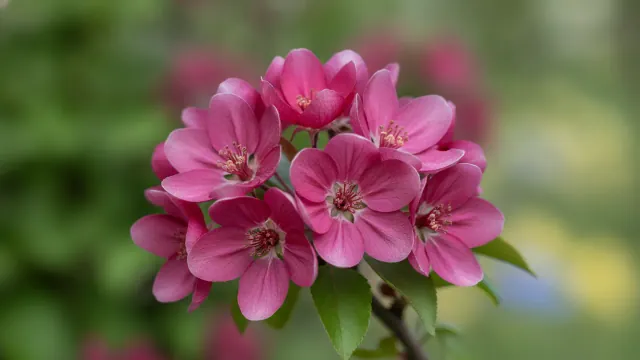
Flowering Crabapple
Shares full sun and low to moderate water; blooms in mid spring, before this one opens; both are strong pollinator plants, and they feed in different months; stands well above at 20 ft, a canopy to plant beneath.
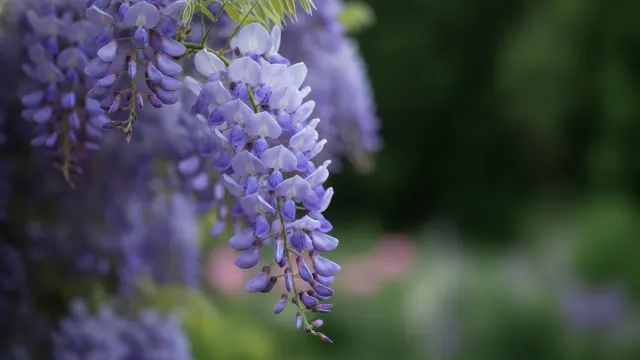
Wisteria
Shares full sun and low to moderate water; blooms in mid spring, before this one opens; both are strong pollinator plants, and they feed in different months.
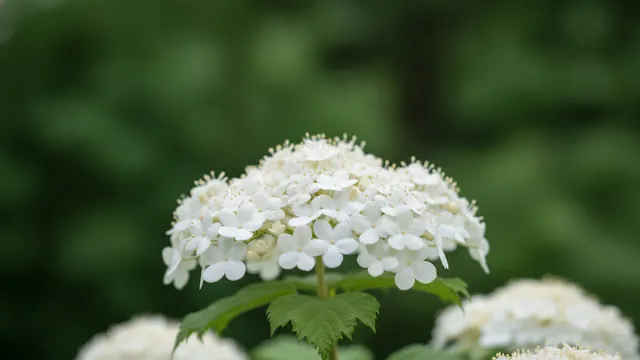
Viburnum
Shares full sun and low to moderate water; blooms in mid spring, before this one opens; both offer pollinator forage, in different months; taller at 6.5 ft, for the layer behind it.
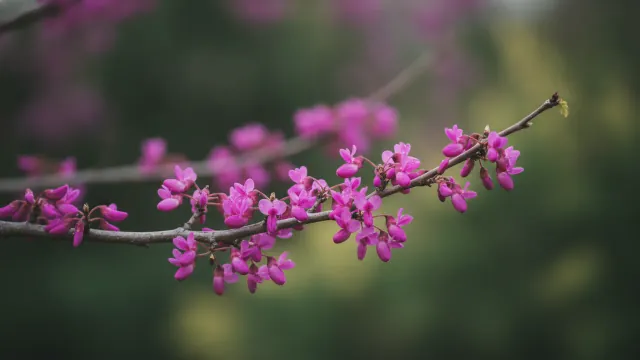
Eastern Redbud
Takes full sun to part sun and low to moderate water; blooms in mid spring, before this one opens; both are strong pollinator plants, and they feed in different months; stands well above at 23 ft, a canopy to plant beneath.
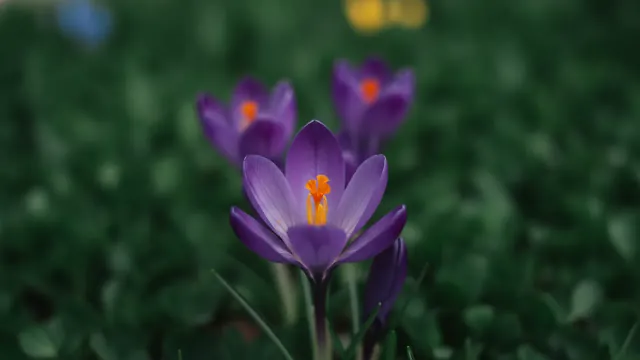
Crocus
Shares full sun and low water; blooms in late winter, before this one opens; both offer pollinator forage, in different months; lower at 4 in, for the front of the border.
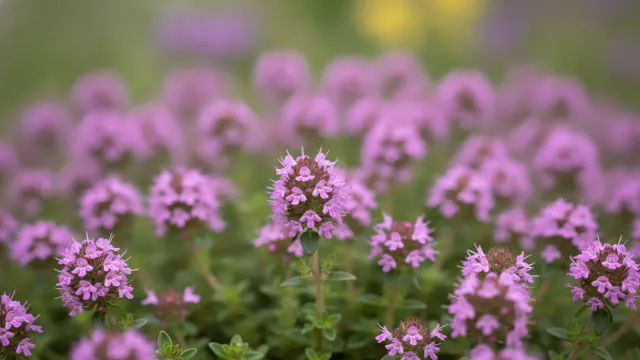
Thyme
Shares full sun and low water; opens in late spring and overlaps into this one's season; both are strong pollinator plants; lower at 6 in, for the front of the border.
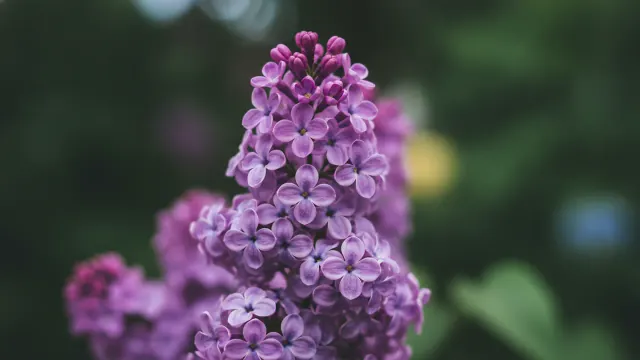
Lilac
Shares full sun and low to moderate water; blooms in mid spring, before this one opens; both offer pollinator forage, in different months; taller at 10 ft, for the layer behind it.
Featured in these guides
Explore similar plants
You might also like
Design a garden with this
Drop this plant onto a 3D plan, see how it fills in, and watch your whole garden bloom across the year.