
 Illustration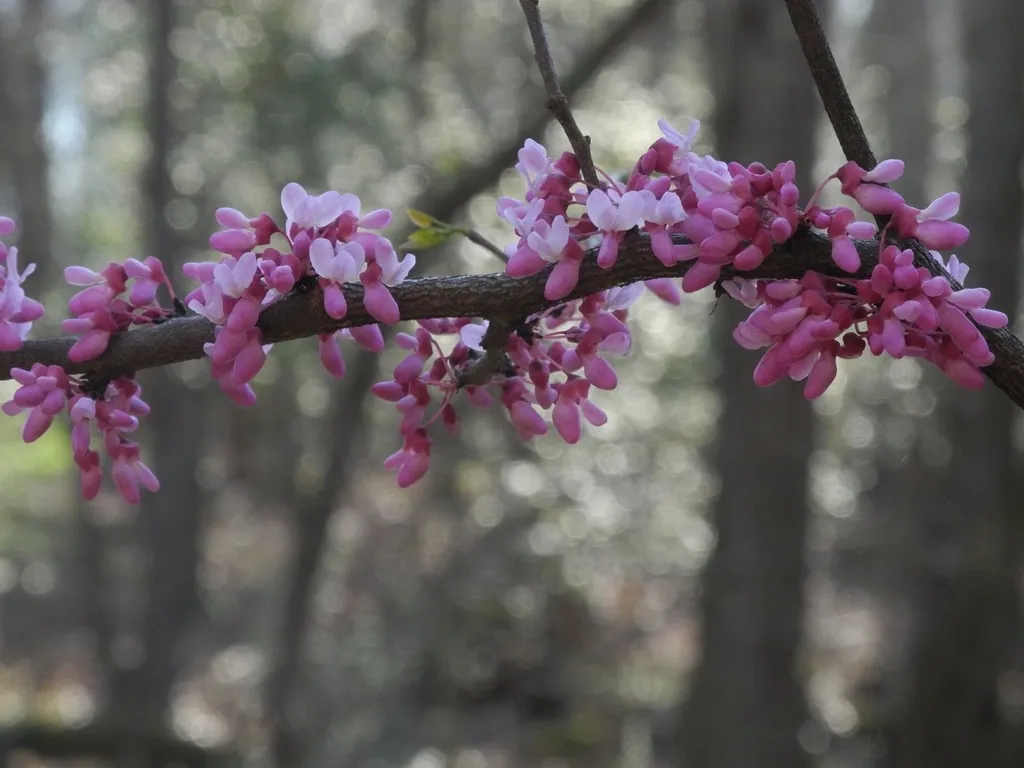

Photo credits and licenses
Real photographs from naturalists and photographers worldwide, each used under its own license. Credit: Photo by Michael J. Papay / iNaturalist (CC BY). How photos are sourced →

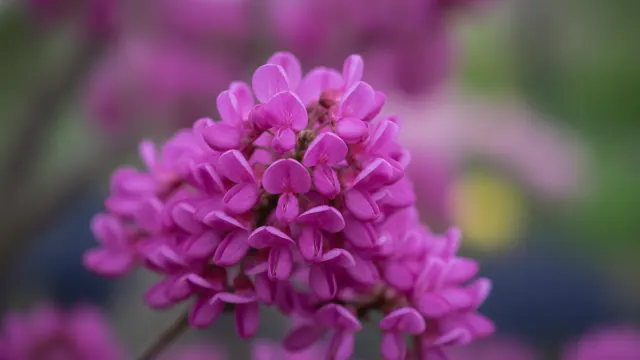
Eastern Redbud
Cercis canadensis
Eastern Redbud blooms from April through April.
Months here are Northern Hemisphere months; in the Southern Hemisphere, shift them by six months.
Growing Eastern Redbud
Plant it in part sun. It prefers moderate water. It is hardy in USDA zones 4–9. Expect it to reach about 23 ft tall and 26 ft wide at maturity, in roughly 10 years (not yet checked).
No toxicity note is on file for Eastern Redbud. That is not a clearance: check its safety for people and pets before planting.
What was checked
Mature height and spread, hardiness zones, sun and the trait tags were checked against named botanical sources for this plant. The bloom months and water need on this page were not, and each fact above says which. The planting, spacing and size sections are derived from these checked facts by a fixed rule, not checked separately, and the plant type is the library's own classification.
When to plant Eastern Redbud
Plant Eastern Redbud in early spring as soon as the soil is workable, or in early fall at least six weeks before your first frost, so roots establish in cool weather. In zone 6, the middle of its hardy zones 4 to 9, spring means March to May and fall means August or September. Once settled, it blooms in April.
Month-by-month timing for your zone is on the planting calendar; if you garden near zone 6, the middle of this plant's hardy range, start with zone 6 in March. Derived from the plant's category, zones and bloom months plus typical zone frost dates, not checked separately.
How big does Eastern Redbud get?
 23 fttall5 ft 7 inan adult26 ftwide
See Eastern Redbud in a garden plan: the planner shows it in 3D beside everything else you add, growing toward this size over the years.
How far apart to plant Eastern Redbud
Derived from the mature spread above by a fixed rule, not checked separately: spacing is the spread, center to center.
Give Eastern Redbud about 26 ft of clear ground in every direction, measured from its center. It is one plant with room around it, not a row, and a raised bed is too small for it.
Add Eastern Redbud to a garden plan and the planner draws it at its full width, so you see the spacing before you buy.
Where these facts come from
Eastern Redbud's height, spread, hardiness zones, sun and trait tags were checked against 6 published sources on July 30, 2026. Each one is linked below with every fact it carried, which can include a fact this page still marks as not yet checked, because a source carrying a value is not the same as the value being held to the standard. Facts not in that list, and the planting, spacing and size sections, are not covered by these sources.
- Missouri Botanical GardenCercis canadensisheight, spread, hardiness zones, sun and trait tags
- NC State ExtensionCercis canadensisheight, spread, hardiness zones, sun and trait tags
- Clemson Home and Garden Information CenterRedbud, Cercis canadensisheight, spread, sun and trait tags
- Lady Bird Johnson Wildflower CenterCercis canadensisheight, sun and trait tags
- Missouri Department of Conservationeastern redbud, Cercis canadensisheight, spread and trait tags
- srs.fs.usda.govUSDA Forest Service, Silvics of North America vol. 2 (Cercis canadensis)trait tags
How the checking works, and what each standard covers, is on the verified plants page.
9 more colors in the Redbud group
Same genus, similar care - pick the one you are growing.
- Appalachian Red
- Flame Thrower
- Forest Pansy
- Hearts of Gold
- Lavender Twist
- Oklahoma
- Royal White
- Ruby Falls
- The Rising Sun
Compare every variety in the Redbud group
Every figure is the variety's own page fact. Tap a name to open it.
| Variety | Color | Blooms | Hardiness | Sun | Size (H × W) |
|---|---|---|---|---|---|
| Appalachian Red | Pink | Apr | Zones 5–9 | Part sun | 16 ft × 16 ft |
| Easternthis page | Pink | Apr | Zones 4–9 | Part sun | 23 ft × 26 ft |
| Flame Thrower | Pink | Apr | Zones 5–9 | Part sun | 16 ft × 16 ft |
| Forest Pansy | Pink | Apr | Zones 5–9 | Part sun | 20 ft × 23 ft |
| Hearts of Gold | Pink | Apr | Zones 5–9 | Part sun | 20 ft × 20 ft |
| Lavender Twist | Pink | Apr | Zones 4–9 | Part sun | 8 ft × 8 ft |
| Oklahoma | Purple | Apr | Zones 6–9 | Full sun | 16 ft × 16 ft |
| Royal White | White | Apr | Zones 4–9 | Part sun | 20 ft × 23 ft |
| Ruby Falls | Pink | Apr | Zones 5–9 | Part sun | 6.5 ft × 6.5 ft |
| The Rising Sun | Pink | Apr | Zones 5–9 | Part sun | 13 ft × 13 ft |
Good to know about Eastern Redbud
Curated from university extensions, botanic gardens and other primary sources, with the source named on every note. A note reports what its source says; where that differs from a fact above, the fact above is this entry's stored value, and its mark says whether it has been checked.
Worth knowing
Redbud flowers straight out of bare twigs, old branches, even the trunk, a habit called cauliflory, blooming before the leaves and giving one of spring's earliest tree displays. per NC State
Hardiness depends on seed origin
Sources list zones 4 to 9, 4 to 8, or 5 to 8. True cold hardiness tracks seed origin, so in cold zones buy locally sourced or northern-strain stock. per Wisconsin
How long it lives
Estimates split: some sources give about 20 to 30 years under stress, others up to 50 to 75 in good conditions. Plan a succession planting rather than one forever tree. per USDA and University of Maryland
Edible spring flowers
Flowers and unopened buds are edible, slightly tart and pea-like, high in vitamin C. Eat them raw in salads or pickle the buds like capers. per NC State
Drought invites its worst disease
Drought and heat stress open the door to Botryosphaeria canker, redbud's main killer, and no fungicide reliably cures it. Keep it watered and never wound the bark. per Clemson
Plant it young, once
Redbud resents root disturbance and transplants poorly once established. Plant a small tree into its permanent, well-drained spot and leave it undisturbed. per NC State
Feeds early spring pollinators
One of the first trees to bloom, it feeds native bees and butterflies when little else flowers, including the specialist blueberry bee, and hosts several caterpillars. per USDA
What pairs well with Eastern Redbud
Good companions share its growing conditions and add something it lacks: an earlier or later bloom, a lower carpet in front, or structure through winter.
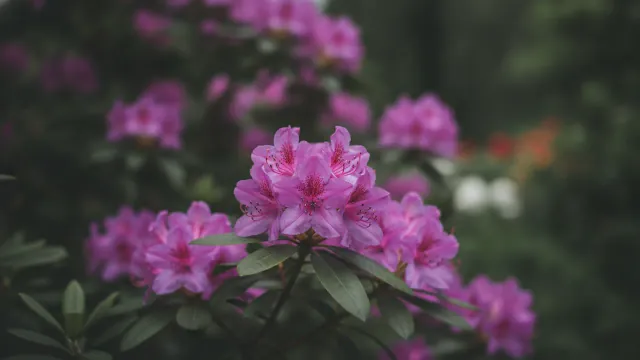
Rhododendron
Takes part sun to part shade and moderate water; blooms in late spring as this one finishes; both are strong pollinator plants, and they feed in different months; evergreen, so the bed keeps its shape through winter.
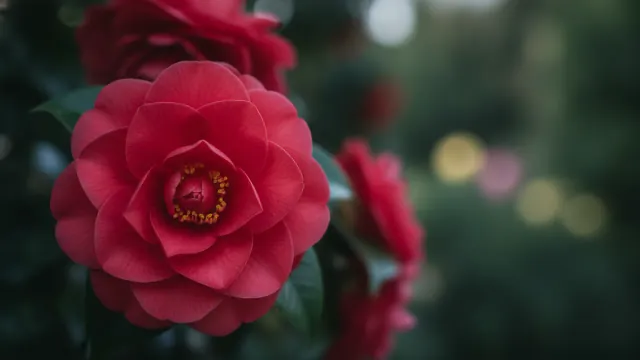
Camellia
Takes part sun to part shade and moderate water; blooms in midwinter, before this one opens; both are strong pollinator plants, and they feed in different months; evergreen, so the bed keeps its shape through winter.
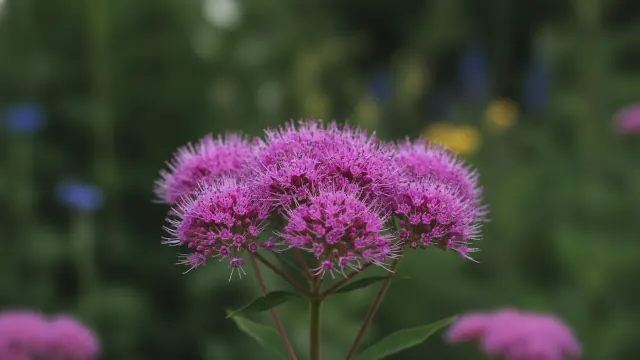
Joe Pye Weed
Takes full sun to part sun and moderate to high water; blooms in midsummer, extending the bed's season; both are strong pollinator plants, and they feed in different months; its seed heads stand through winter, for structure and the birds.
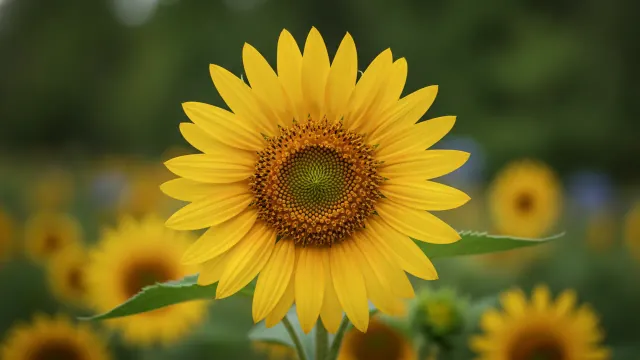
Perennial Sunflower
Takes full sun to part sun and moderate water; blooms in late summer, extending the bed's season; both are strong pollinator plants, and they feed in different months; its seed heads stand through winter, for structure and the birds.
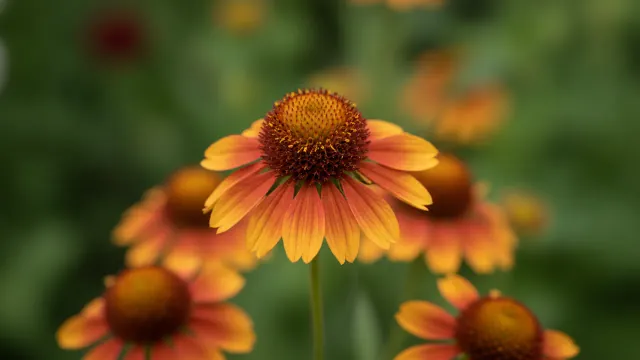
Sneezeweed
Takes full sun to part sun and moderate water; blooms in midsummer, extending the bed's season; both are strong pollinator plants, and they feed in different months; its seed heads stand through winter, for structure and the birds.
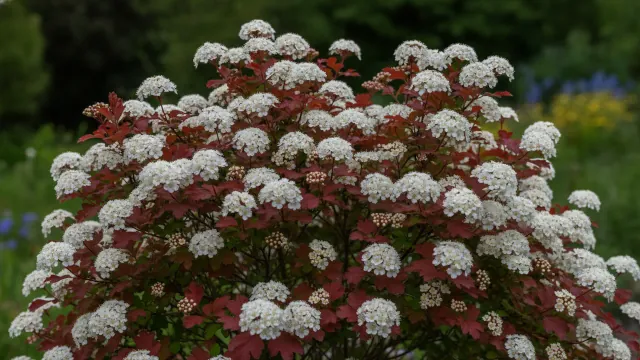
Ninebark
Takes full sun to part sun and moderate water; blooms in late spring as this one finishes; both are strong pollinator plants, and they feed in different months; shorter at 6.5 ft, an understory layer.
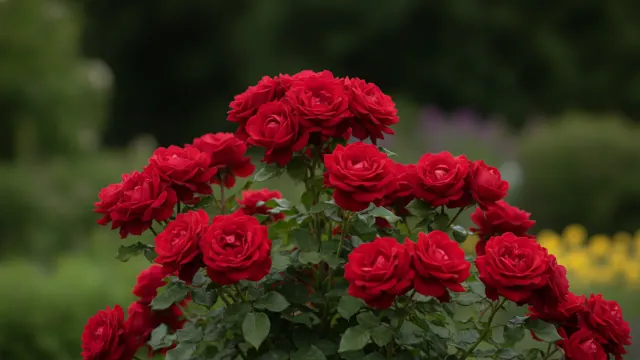
Hybrid Tea Rose
Takes full sun to part sun and moderate water; blooms in late spring as this one finishes; both are strong pollinator plants, and they feed in different months; shorter at 4 ft, an understory layer.
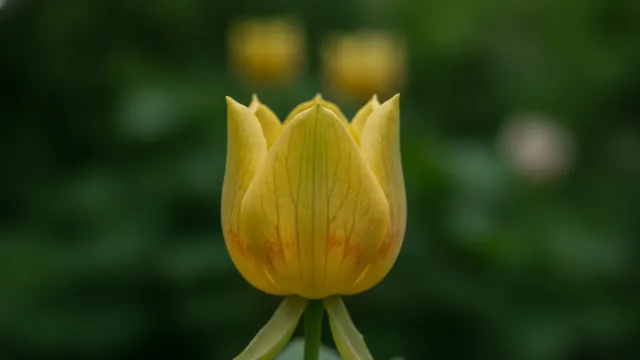
Tulip Tree
Takes full sun to part sun and moderate water; blooms in late spring as this one finishes; both are strong pollinator plants, and they feed in different months; both are North American natives.
Explore similar plants
You might also like
Design a garden with this
Drop this plant onto a 3D plan, see how it fills in, and watch your whole garden bloom across the year.