
Practical
Coneflower Varieties Compared: From Prairie Purple to the Sunset Shades
One prairie native, sixteen personalities. The library's Echinacea in one table, and the honest word on the fancy ones.
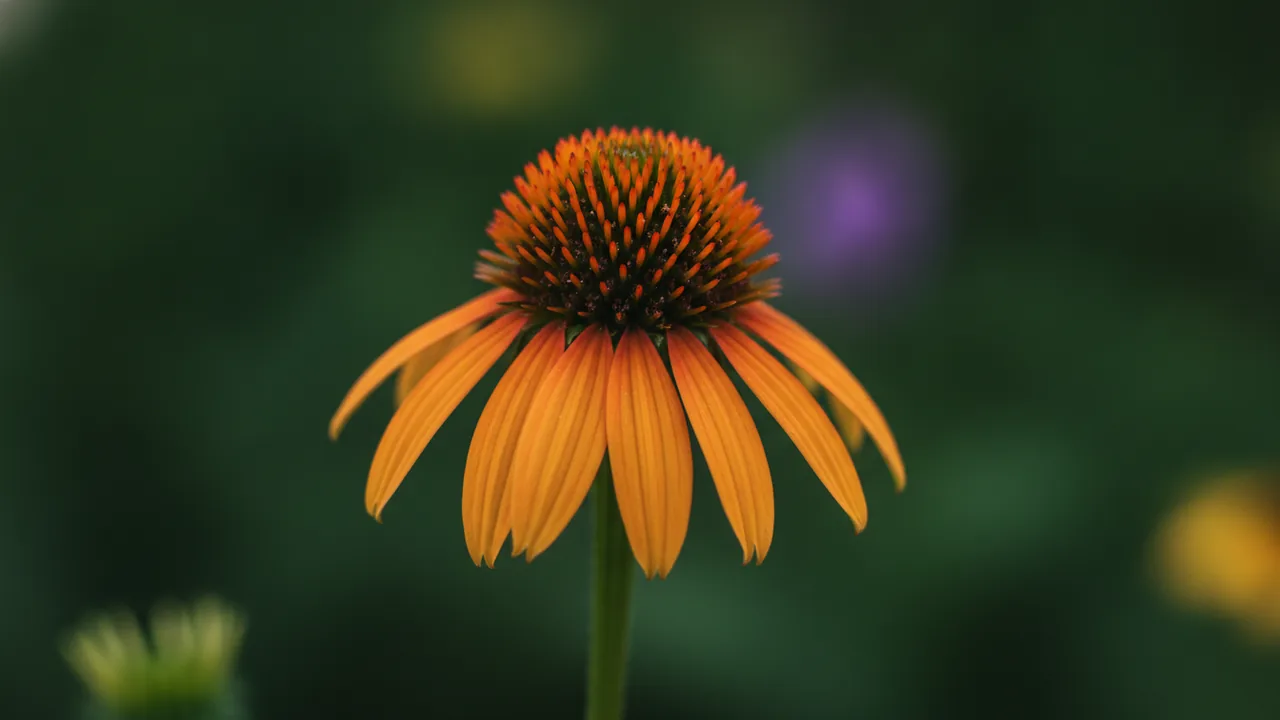
The coneflower spent a century as one plant, the purple prairie daisy, and the last few decades becoming a color chart: white, raspberry, coral, lemon, tomato red, even jade green. Our library holds sixteen true coneflowers, all Echinacea, and this guide compares the lot; two community-submitted Echinacea hybrids sat this one out, as community records do in every comparison here. One naming footnote first, in the family tradition of checking the botanical names: "coneflower" gets borrowed by the Rudbeckias too, so the black-eyed susan and its gold relatives are a different genus, filed separately. Everything in the table below is the real thing, each botanical name checked in the library-wide naming pass.
Which coneflower should I plant?
For most gardens, start with the flagship purple coneflower itself: a native, zones 3 to 9, beloved by bees and goldfinches, and the longest-proven plant in the family. For color, 'Cheyenne Spirit' delivers the whole sunset from one seed strain, the compact Sombrero series holds the front of a border at knee height, and 'White Swan' is the timeless white. The records add a month of honesty: the species itself and several modern hybrids open in June, a month ahead of the named older selections like 'Magnus' and 'White Swan'.
| Variety | Color | Height | Blooms | Zones |
|---|---|---|---|---|
| Purple Coneflower | Purple-pink | 3 ft | June to September | 3 to 9 |
| 'Magnus' | Purple-pink | 3 ft | July to September | 3 to 9 |
| 'PowWow Wild Berry' | Deep pink | 22 in | June to September | 3 to 8 |
| 'Kismet Raspberry' | Raspberry pink | 20 in | June to September | 4 to 9 |
| 'Pink Double Delight' | Double pink | 20 in | July to September | 4 to 9 |
| 'White Swan' | White | 2.5 ft | July to September | 3 to 9 |
| 'Coconut Lime' | White | 24 in | July to September | 4 to 9 |
| 'Cheyenne Spirit' | Mixed: red, orange and yellow | 24 in | June to September | 4 to 9 |
| 'Sombrero Adobe Orange' | Orange | 22 in | June to September | 4 to 9 |
| 'Sombrero Hot Coral' | Coral | 22 in | June to September | 4 to 9 |
| 'Sombrero Lemon Yellow' | Yellow | 22 in | June to September | 4 to 9 |
| 'Sombrero Salsa Red' | Red | 22 in | June to September | 4 to 9 |
| 'Hot Papaya' | Orange-red | 2.5 ft | July to September | 4 to 9 |
| 'Marmalade' | Orange | 2.5 ft | July to September | 4 to 9 |
| 'Tomato Soup' | Red | 2.5 ft | July to September | 4 to 9 |
| 'Green Jewel' | Jade green | 24 in | July to September | 4 to 9 |
What the bloom columns are telling you
Read the table's bloom column twice and a pattern appears: the flagship and the classic cultivars run July to September, while a newer generation, 'Cheyenne Spirit', 'PowWow Wild Berry', 'Kismet Raspberry', and the whole Sombrero series, opens in June and carries the same finish, a genuine extra month. That June start is much of what modern breeding bought. The other thing it bought is size: the old prairie plants stand around 3 feet, and nearly everything bred since aims at the knee-high front of the border.
Which one is for you
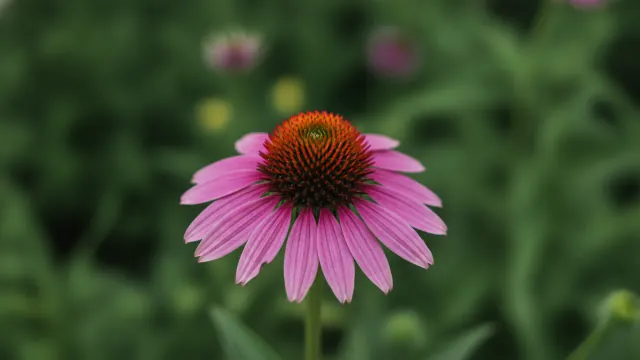
Echinacea purpurea
The default for a reason: a tough native, zones 3 to 8, that shrugs at drought, feeds every bee from June to September, and then feeds the goldfinches all winter if you leave the cones standing. If you grow one coneflower, it is this one.
Echinacea 'Cheyenne Spirit'
The whole sunset in one planting: a seed strain, so every plant opens in its own shade of red, orange, gold, or cream, June to September at 2 feet. The mix is the point; buy it where you want cheerful variety rather than a color scheme.
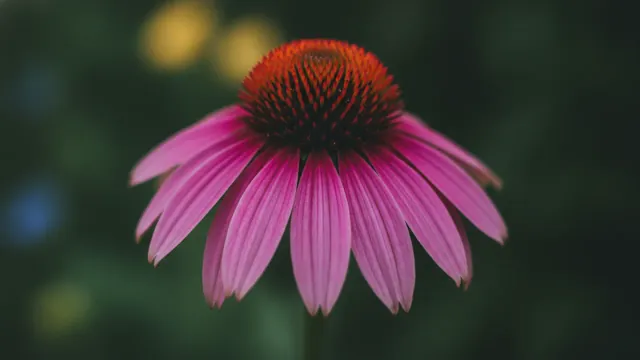
Echinacea 'PowWow Wild Berry'
The most saturated pink in the family, June to September on a compact 22-inch plant, and with the flagship's near-full hardiness at zones 3 to 8. The one for small gardens that still want the prairie plant's constitution.
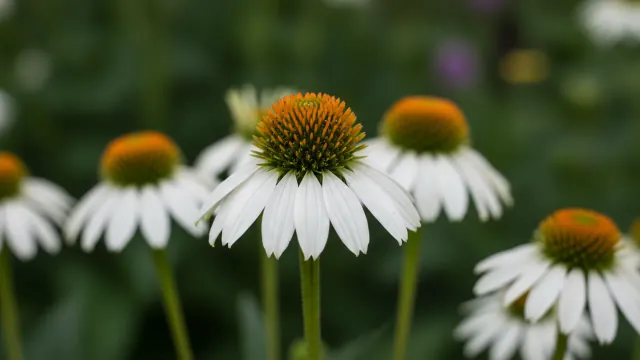
Echinacea purpurea 'White Swan'
The classic white, July to September at 2.5 feet, zones 3 to 9, with the same golden-orange cone the purple form carries. White coneflowers light up an evening border; our white garden guide is built on exactly that trick.
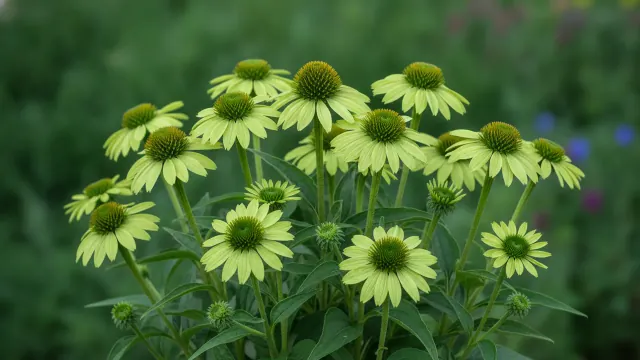
Echinacea purpurea 'Green Jewel'
The curiosity worth growing on purpose: jade-green petals around a green cone, July to September at 2 feet. Florists cut it, pollinators work it like any other coneflower, and guests ask about it every time.
The honest word on the fancy hybrids
Trial gardens and long-time growers tend to agree on a pattern the catalogs do not mention: the purple and white forms closest to the wild species are the longest-lived, while the doubles and the hottest sunset shades can be shorter-lived perennials, brilliant for three or four years rather than decades. None of that makes them a bad buy; it makes them a different one. Give every coneflower the same regimen, full sun, lean well-drained soil, no winter wet, and no smothering mulch over the crown, and the fancy ones repay you longest. And let the flagship self-sow if you like volunteers, but expect seedlings from hybrids to drift back toward purple.
Are coneflowers deer-resistant?
Deer-tolerant is the honest word: several extension offices list Echinacea as deer-resistant, but not all do, and hungry deer in high-pressure areas will sample it. Treat it as a plant deer usually skip rather than never touch, and lean on our deer-resistant guide's aromatic core where the pressure is real.
Should I deadhead coneflowers?
In summer, yes: snipping spent cones back to a side bud keeps new flowers coming through the July to September window. From early fall, stop, and deliberately: the standing cones are goldfinch food and winter structure, which is exactly the trade our deadheading and fall cleanup guides describe.
Why are my coneflower's petals green and deformed?
Two very different causes share the symptom. If only the flower is distorted, tufted and leafy, suspect the coneflower rosette mite, which stays in the flower heads; cutting and binning affected blooms manages it. If the whole plant is yellowing and every flower is deformed, it is likely aster yellows, which is incurable, and the kind thing is to remove the plant. And note that 'Green Jewel' is green on purpose.
How long do coneflowers live?
The species and its near-cultivars are genuinely long-lived prairie perennials, returning for many years and gently seeding themselves around. The showiest hybrids often run shorter, a handful of strong seasons, especially in rich, moist soil. Sharp drainage and lean ground are the life-extension program for all of them.
Design a garden with these plants
Open BloomsEye Studio with this guide's plants ready to drop onto a plan, then watch the whole bed bloom across the year. New to it? See what the free garden planner does.