
Practical
Deadheading: The Five-Minute Habit That Keeps the Flowers Coming
Five minutes with the snips, a few evenings a week, is the cheapest flower show there is. What to cut, where, and when to stop.
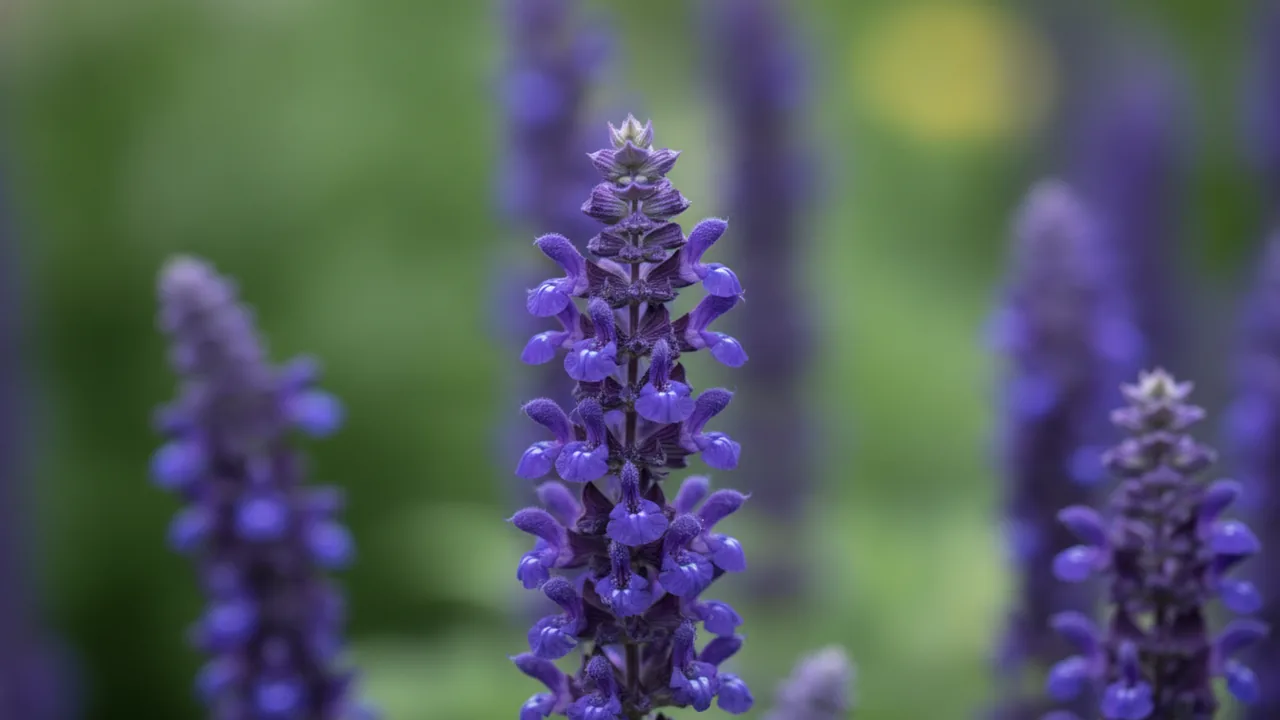
Deadheading is the least glamorous job in the garden and one of the most rewarding. A flower exists to set seed; once it fades, the plant pours its energy into ripening that seed and quietly stops making new buds. Snip the spent flower off before the seed ripens and the plant, still determined to reproduce, starts again. That is the whole trick, and on the right plants it buys you weeks of extra bloom.
Does deadheading really give you more flowers?
On repeat-blooming plants, yes: removing spent flowers before they set seed keeps the plant producing new buds. Catmint and salvia go further and rebuild a whole second flush after one shearing, reblooming daylilies and roses reward a stem-by-stem snip, and a few plants, like the hardy geranium 'Rozanne', keep flowering with no help at all. Stop in early fall and let the last seed heads stand for the birds.
How to deadhead, in five steps
Know what you are cutting
A spent flower is the one going papery or brown, with a seed pod swelling behind the petals. That pod is the real target: remove it before it ripens and the plant keeps making flowers instead of seed. Leave anything still opening, and leave any plant whose seed heads or berries you want later.
Cut in the right place
Follow the spent flower's stem down to the first thing worth keeping, a new side bud or, failing that, a full leaf or pair of leaves, and cut just above it. The next flower comes from that junction. Pulling just the petals off leaves the seed pod ripening, which is the part that stops the show.
Snip one at a time: daylilies and roses
Daylily flowers last a single day: snap the spent ones off as you pass, then cut the whole stalk at its base once the last bud on it has opened. Repeat-flowering roses are the same idea at shrub scale; cut each faded cluster back to the first strong leaf and the next flush comes sooner.
Shear the small-flowered mounds: catmint and salvia
When a plant carries hundreds of small spikes, one-at-a-time snipping is hopeless. As the first flush of catmint or salvia fades, shear the whole plant back by about half. It looks brutal for a fortnight, then rebuilds into a fresh mound and flowers again.
Know when to stop
From early fall, put the snips away. The last coneflower and sedum heads ripen into winter structure and bird food, worth far more than one sparse final flush; our winter interest guide covers the plants that earn their keep after frost.
The plants that repay it most
Every repeat bloomer benefits a little. These repay the habit with weeks.
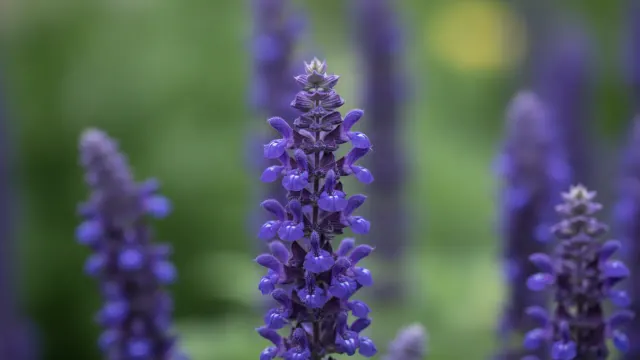
Salvia nemorosa 'Mainacht'
Deep violet spikes from May to September, and the poster child for the shear: cut it back after the first flush tires and it rebuilds for a second show.
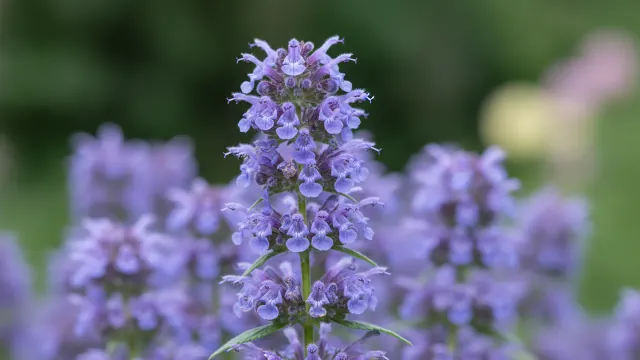
Nepeta
A haze of lavender-blue from May to September. Shear it by half when the first wave fades and it returns fuller within weeks, still covered in bees.
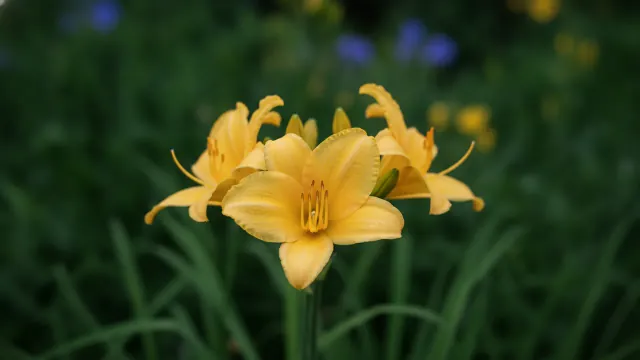
Hemerocallis 'Stella de Oro'
The famous rebloomer: snap off yesterday's flowers, remove finished stalks, and it keeps sending up fresh gold from June to September.
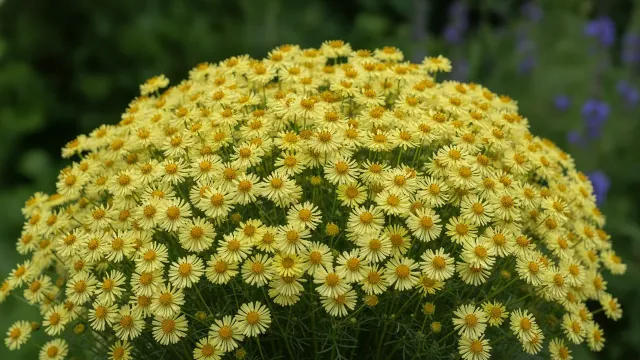
Coreopsis verticillata 'Moonbeam'
A cloud of small lemon daisies from June to September, far too many to snip singly. Shear it lightly when the first flush dims and it refreshes for late summer.
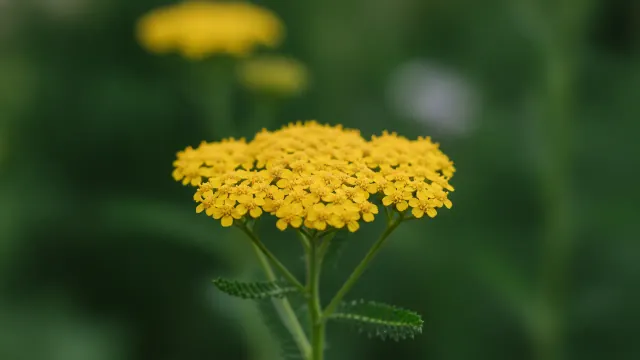
Achillea
Flat flower plates from June to September. Cut each spent head back to a side bud lower on the stem and it often sends up a second, smaller set.
And the ones that clean up after themselves
A short list, but a good one: these drop their spent flowers on their own, so the five minutes goes to the plants that need it.
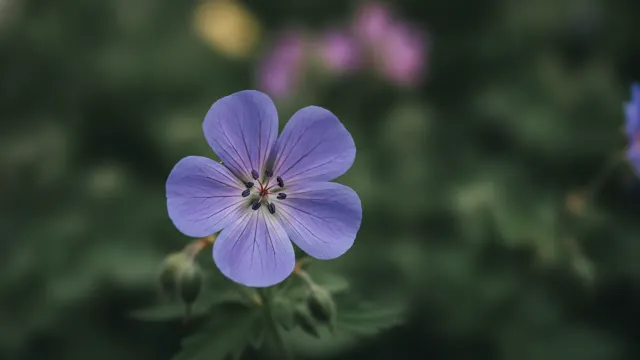
Geranium 'Rozanne'
Flowers nonstop from June to October with no deadheading needed; the spent petals simply drop. If the plant sprawls by midsummer, one tidy-up cut refreshes the whole mound.
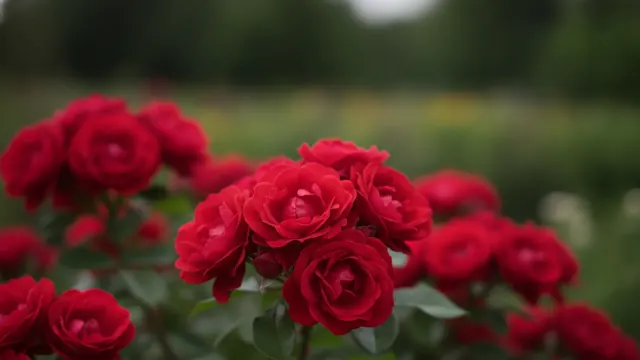
Rosa 'Knock Out'
The self-cleaning rose: petals fall on their own and new flushes follow from May to October without a single snip. Here the deadheading is purely cosmetic.
Keep it five minutes
Deadheading works as a habit, not a project. A slow lap a few evenings a week, drink in one hand and snips in the other, stays ahead of every border; saving it all up for one grim Saturday is how it turns into a chore.
How often should I deadhead?
Little and often beats rarely and thoroughly. A five-minute pass a few times a week through the flowering season keeps every border ahead of its seed heads; daylilies and roses in full flush appreciate something closer to daily.
What is the difference between deadheading and cutting back?
Deadheading removes individual spent flowers so the plant keeps budding. Cutting back, or shearing, removes the top of the whole plant to reset it, which is the right treatment for small-flowered mounds like catmint and salvia after their first flush.
Which plants should I not deadhead?
Anything you want more of later: plants grown for seed heads or berries, the coneflowers and sedums that feed birds and stand through winter, and self-sowers like foxgloves if you want next year's seedlings. From early fall, that covers most of the garden.
When should I stop deadheading?
Early fall. Late flushes get sparse anyway, and the seed heads you leave standing become winter structure, frost-catchers, and bird food. Cut everything down in late winter or early spring instead.
Design a garden with these plants
Open BloomsEye Studio with this guide's plants ready to drop onto a plan, then watch the whole bed bloom across the year. New to it? See what the free garden planner does.