
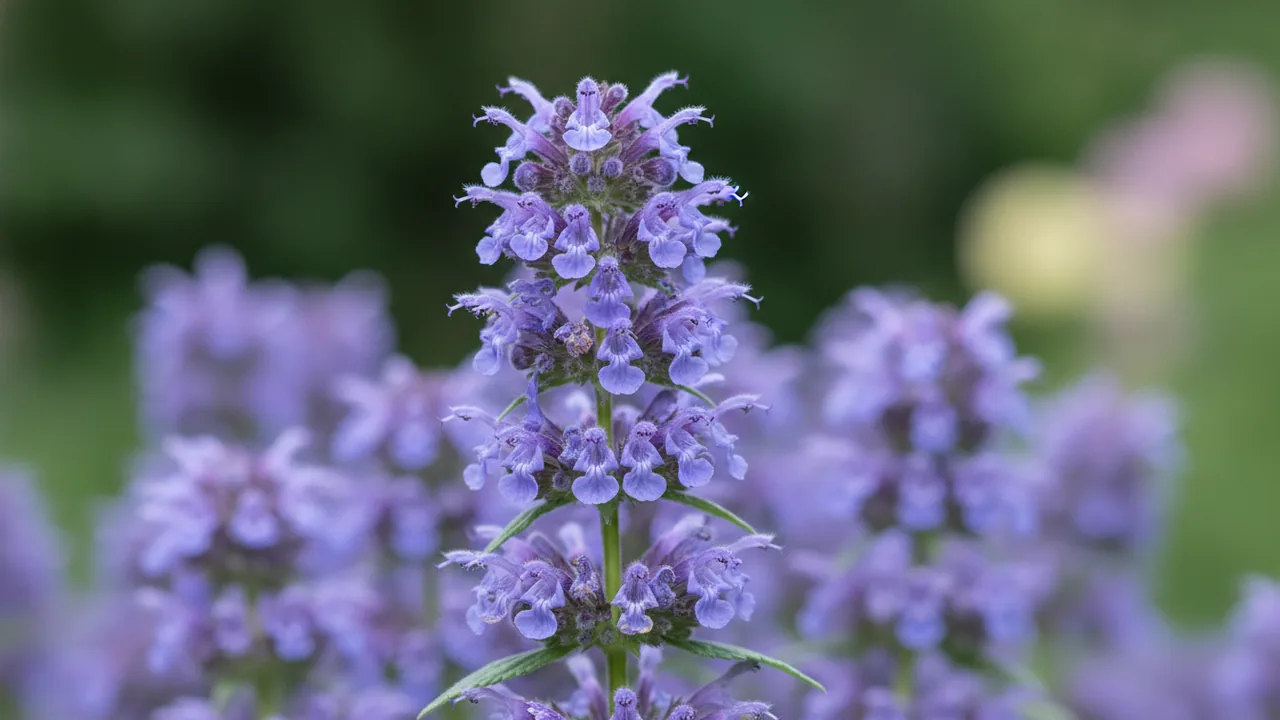
 Illustration

Catmint
Nepeta
Catmint blooms from May through September.
Months here are Northern Hemisphere months; in the Southern Hemisphere, shift them by six months.
Growing Catmint
Plant it in full sun. It prefers low water. It is hardy in USDA zones 3–8. Expect it to reach about 1.5 ft tall and 2.5 ft wide at maturity, in roughly 2 years (checked).
What was checked
Mature height and spread, hardiness zones, sun, water, bloom months and color and the trait tags were checked against named botanical sources for this plant, with what the sources could not settle written down; years to mature size rests on a recorded house rule where no publisher states one, and is marked so; its common name and alternate names have not been checked yet. Each fact above carries its own mark. The planting, spacing and size sections are derived from these checked facts by a fixed rule, not checked separately, and the plant type is the library's own classification.
When to plant Catmint
Plant Catmint in early spring as soon as the soil is workable, or in early fall at least six weeks before your first frost, so roots establish in cool weather. In zone 5, the middle of its hardy zones 3 to 8, spring means April to June and fall means August or September. Once settled, it blooms from May to September.
Month-by-month timing for your zone is on the planting calendar; if you garden near zone 5, the middle of this plant's hardy range, start with zone 5 in April. Derived from the plant's category, zones and bloom months plus typical zone frost dates, not checked separately.
How big does Catmint get?
 1.5 fttall5 ft 7 inan adult2.5 ftwide
See Catmint in a garden plan: the planner shows it in 3D beside everything else you add, growing toward this size over the years.
How far apart to plant Catmint
Derived from the mature spread above by a fixed rule, not checked separately: spacing is the spread, center to center.
Space Catmint about 2.5 ft apart, center to center, so each plant has room to reach its full width.
Add Catmint to a garden plan and the planner draws it at its full width, so you see the spacing before you buy.
Where these facts come from
Catmint's height, spread, hardiness zones, sun, water, bloom months and color, years to mature size, trait tags, soil, diseases, pests and toxicity were checked against 23 published sources on August 3, 2026. Each one is linked below with every fact it carried, which can include a fact this page still marks as not yet checked, because a source carrying a value is not the same as the value being held to the standard. Facts not in that list, and the planting, spacing and size sections, are not covered by these sources.
- Chicago Botanic GardenPlant Evaluation Notes, Issue 29, 2007height, spread, hardiness zones, sun, water, bloom months and color, years to mature size, trait tags, soil, diseases and toxicity
- Missouri Botanical GardenNepeta x faasseniiheight, spread, hardiness zones, sun, water, bloom months and color, trait tags, soil and diseases
- NC State ExtensionGardener Plant Toolboxhardiness zones, sun, water, trait tags, soil, pests and toxicity
- piedmontmastergardeners.orgPiedmont Master Gardenersspread, water, bloom months and color, soil, diseases and pests
- Missouri Botanical GardenNepeta 'Six Hills Giant'; also carries the genus paragraphheight, spread, hardiness zones, sun and trait tags
- Missouri Botanical GardenNepeta racemosaheight, spread, hardiness zones, sun and trait tags
- Missouri Botanical GardenNepeta racemosa 'Walker's Low'height, spread, hardiness zones, sun and trait tags
- Missouri Botanical GardenNepeta catariaheight, spread, hardiness zones, sun and trait tags
- Missouri Botanical GardenNepeta subsessilisheight, spread, hardiness zones, sun and trait tags
- NC State ExtensionNepeta x faasseniiheight, spread, hardiness zones, sun and trait tags
- NC State ExtensionNepeta x faassenii 'Walker's Low'height, spread, hardiness zones, sun and trait tags
- Plants For A FutureNepeta catariaheight, spread, hardiness zones, sun and trait tags
- University of Wisconsin HorticultureNepeta catariaheight, spread, hardiness zones, sun and trait tags
- University of Wisconsin HorticultureUniversity of Wisconsin Madison Division of Extension, Wisconsin Horti...height, hardiness zones, diseases and pests
- illinoiswildflowers.infoIllinois Wildflowers (Nepeta cataria)height, sun and trait tags
- Missouri Botanical GardenPlant Finderbloom months and color and pests
- NC State ExtensionNepeta, genus pagehardiness zones, sun and trait tags
- NC State ExtensionNepeta catariahardiness zones, sun and trait tags
- RHSRoyal Horticultural Societybloom months and color and soil
- ucanr.eduUC Master Gardener Program of Sonoma Countysun, water and pests
- minnesotawildflowers.infoMinnesota Wildflowers (Nepeta cataria)height and sun
- ASPCAAnimal Poison Controltoxicity
- Native Plant Trust (Go Botany)Go Botany, Native Plant Trust (Nepeta cataria)height
How the checking works, and what each standard covers, is on the verified plants page.
Comes in 10 varieties across 3 colors
Same genus, similar care - pick the color you are growing.
- Blue Wonder
- Cat's Meow
- Early Bird
- Junior Walker
- Little Titch
- Pink Cat
- Purrsian Blue
- Six Hills Giant
- Snowflake
- Walker's Low
Compare every variety in the Catmint group
Every figure is the variety's own page fact. Tap a name to open it.
| Variety | Color | Blooms | Hardiness | Sun | Size (H × W) |
|---|---|---|---|---|---|
| Blue Wonder | Blue | May–Aug | Zones 3–8 | Full sun | 16 in × 20 in |
| Cat's Meow | Blue | Jun–Sep | Zones 3–8 | Full sun | 20 in × 24 in |
| Catmintthis page | Purple | May–Sep | Zones 3–8 | Full sun | 1.5 ft × 2.5 ft |
| Early Bird | Blue | Apr–Sep | Zones 3–8 | Full sun | 16 in × 20 in |
| Junior Walker | Blue | May–Sep | Zones 3–8 | Full sun | 16 in × 24 in |
| Little Titch | Blue | May–Aug | Zones 3–8 | Full sun | 8 in × 12 in |
| Pink Cat | Pink | May–Sep | Zones 3–8 | Full sun | 20 in × 24 in |
| Purrsian Blue | Blue | May–Sep | Zones 3–8 | Full sun | 16 in × 20 in |
| Six Hills Giant | Blue | May–Sep | Zones 3–8 | Full sun | 2.5 ft × 3.5 ft |
| Snowflake | White | May–Aug | Zones 3–8 | Full sun | 12 in × 20 in |
| Walker's Low | Blue | May–Sep | Zones 3–8 | Full sun | 2 ft × 2.5 ft |
Good to know about Catmint
Curated from university extensions, botanic gardens and other primary sources, with the source named on every note. A note reports what its source says; where that differs from a fact above, the fact above is this entry's stored value, and its mark says whether it has been checked.
Safety
The ASPCA lists the close relative catnip as toxic to cats: eating a lot can cause mild vomiting or diarrhea. The ornamental catmint is regarded as safe. per ASPCA and NC State
Worth knowing
One aromatic oil, nepetalactone, does three jobs at once: it repels deer and rabbits, draws cats to roll and nibble, and, with the nectar, feeds pollinators. per NC State and iScience
Cold-hardiness varies by source
Sources split at the cold end: some list catmint hardy to zone 3, others only to zone 4 or 5. In cold gardens, choose the hardiest named cultivars. per Wisconsin and NC State
Drought tolerance is relative
Most extension sources call it drought tolerant once established, but Missouri Botanical Garden finds this hybrid thirstier than other Nepetas. Give it occasional summer water, not desert treatment. per Missouri Botanical Garden and NC State
Shear after the first flush
After the first bloom flush fades, shear the whole plant back by one-third to one-half. This tidies the floppy mound and triggers a strong rebloom into fall. per Wisconsin and NC State
Sterile, will not self-seed
This ornamental hybrid is largely sterile, so unlike true catnip it does not self-seed or turn weedy. Increase it by spring division or softwood cuttings, not seed. per NC State and Wisconsin
Wants lean, sharp-drained soil
Undemanding but insistent on drainage. It thrives in lean, dry, even rocky ground at any pH, and needs no rich soil, as long as the site drains well. per Wisconsin and NC State
What pairs well with Catmint
Good companions share its growing conditions and add something it lacks: an earlier or later bloom, a lower carpet in front, or structure through winter.
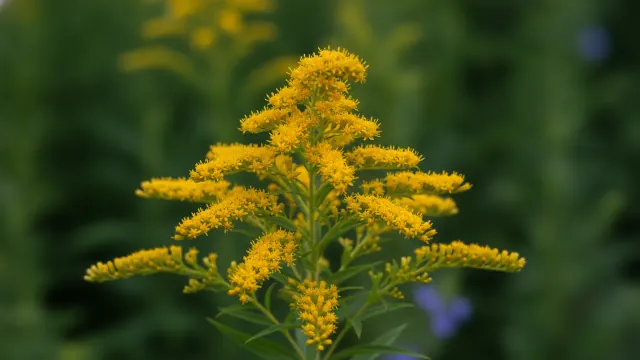
Goldenrod
Shares full sun and low water; overlaps, then carries the display into mid fall; both are strong pollinator plants; its seed heads stand through winter, for structure and the birds.
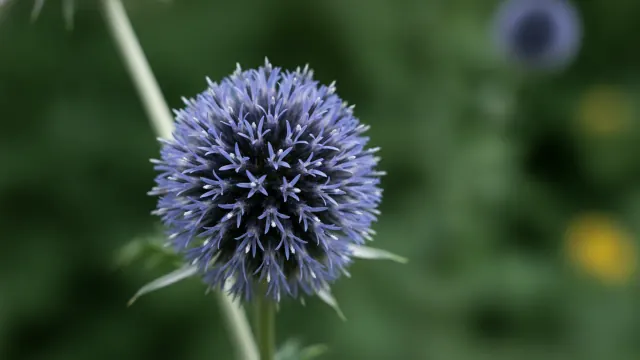
Globe Thistle
Shares full sun and low water; both are strong pollinator plants; its seed heads stand through winter, for structure and the birds; taller at 3.5 ft, for the layer behind it.
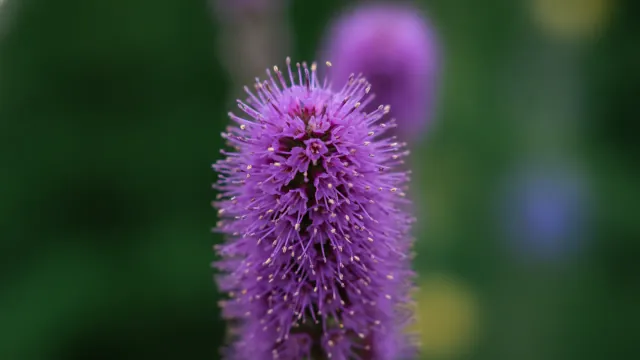
Blazing Star
Shares full sun and low water; both are strong pollinator plants; its seed heads stand through winter, for structure and the birds; echoes the purple.
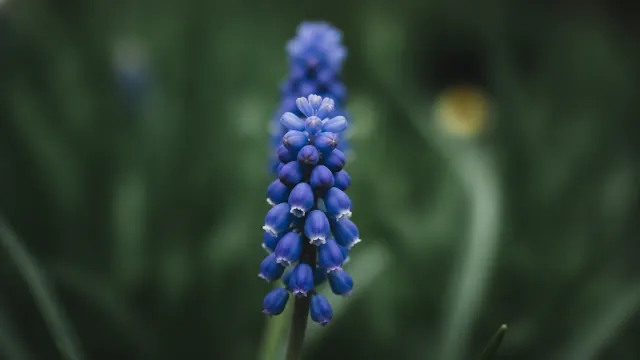
Grape Hyacinth
Shares full sun and low water; blooms in early spring, before this one opens; both offer pollinator forage, in different months; lower at 8 in, for the front of the border.
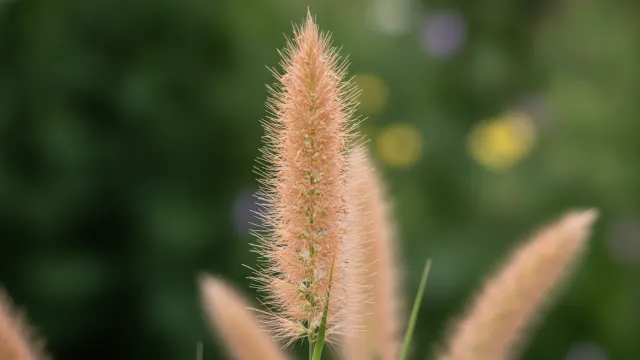
Switchgrass
Shares full sun and low water; overlaps, then carries the display into mid fall; both are strong pollinator plants; its seed heads stand through winter, for structure and the birds.
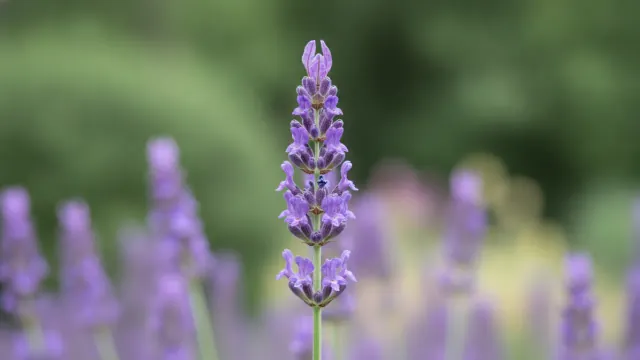
Lavender
Shares full sun and low water; both are strong pollinator plants; evergreen, so the bed keeps its shape through winter; echoes the purple.
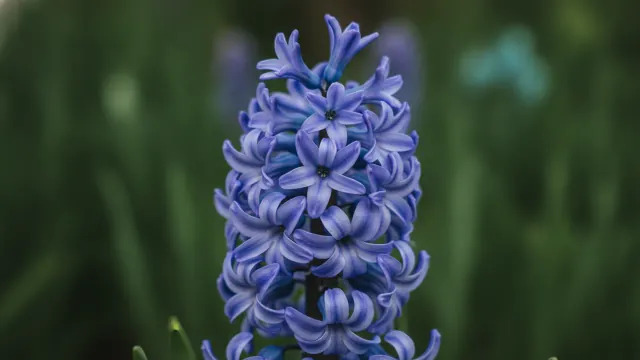
Hyacinth
Shares full sun and low to moderate water; blooms in early spring, before this one opens; both offer pollinator forage, in different months; lower at 10 in, for the front of the border.
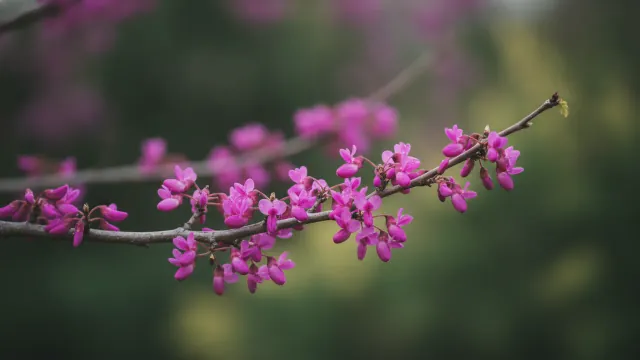
Eastern Redbud
Takes full sun to part sun and low to moderate water; blooms in mid spring, before this one opens; both are strong pollinator plants, and they feed in different months.
Featured in these guides
Explore similar plants
You might also like
Design a garden with this
Drop this plant onto a 3D plan, see how it fills in, and watch your whole garden bloom across the year.