
Planning
How to Have Something Blooming Every Month of the Year
A garden that never goes quiet. Here is how to plan a bed so something is always in flower, from the first snowdrops to the last fall asters.
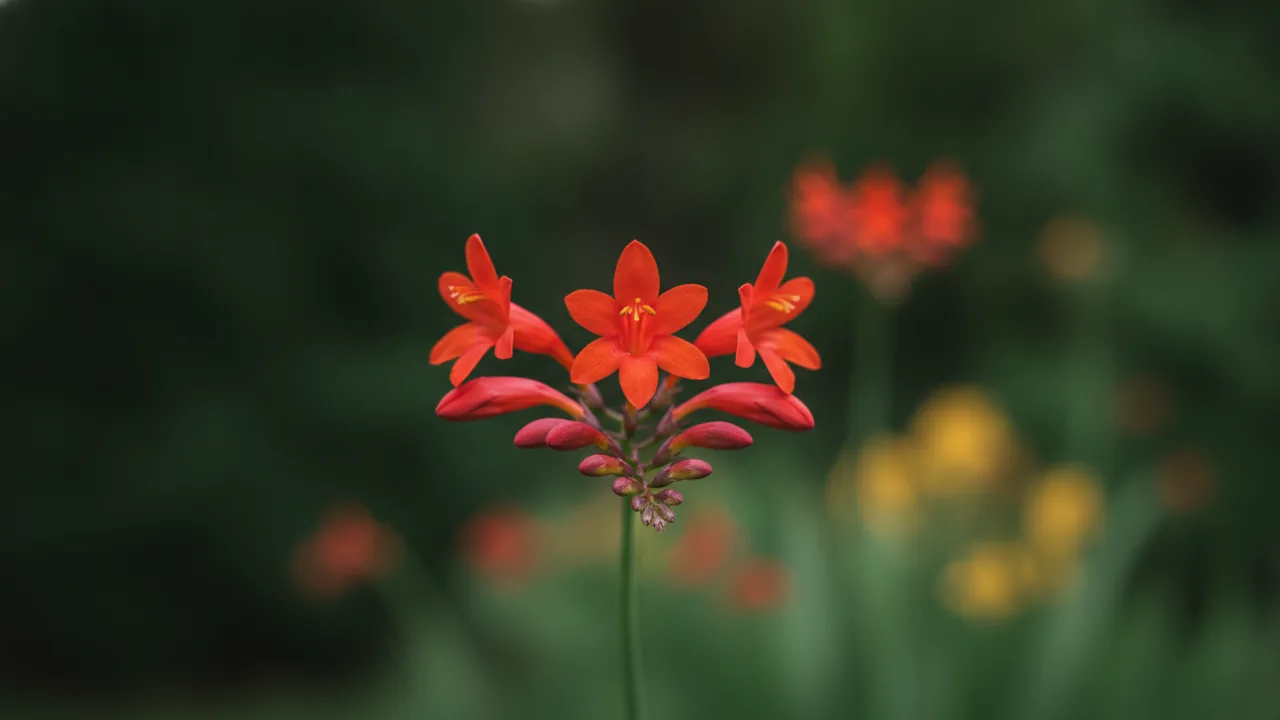
Most gardens have one big moment, usually a rush of color in late spring, and then long quiet stretches on either side. A year-round garden is planned differently. The aim is to have at least one thing in flower in every month, so the bed always has a reason to look at it.
The method is simple once you can see it: choose a few plants whose bloom windows overlap across the seasons, then check for gaps and fill them. That last part is where most people get stuck, because it is hard to hold twelve months of bloom times in your head. Every plant page on BloomsEye shows a bloom calendar, so you can see exactly which months a plant flowers and spot the empty weeks at a glance.
The whole idea in one sentence
Pick a few plants for each season whose flowering times overlap, then use the bloom calendar on each plant page to find and fill the gaps.
Late winter: the first flowers
The season starts earlier than most people plant for. While the ground is still cold, a handful of tough plants push up the first color, and because almost nothing else is open, they get all the attention.
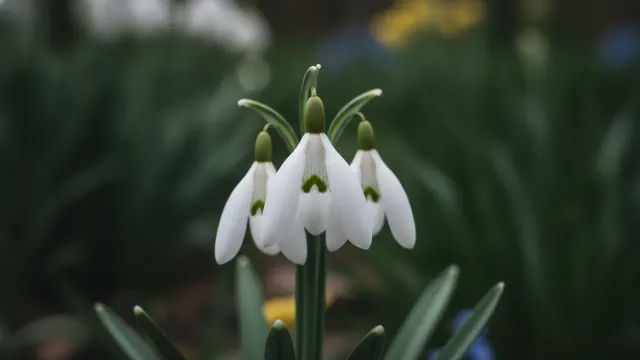
Galanthus
First flower of the year in most gardens, pushing up through frost and even snow in late winter, edged out only where a hellebore or witch hazel opens first.
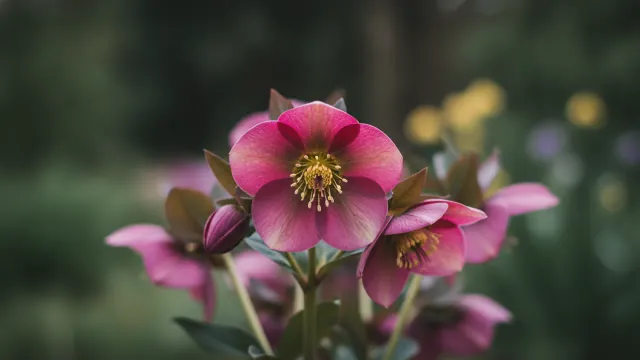
Helleborus
Nodding, long-lasting blooms in the depths of winter, and evergreen leaves the rest of the year.
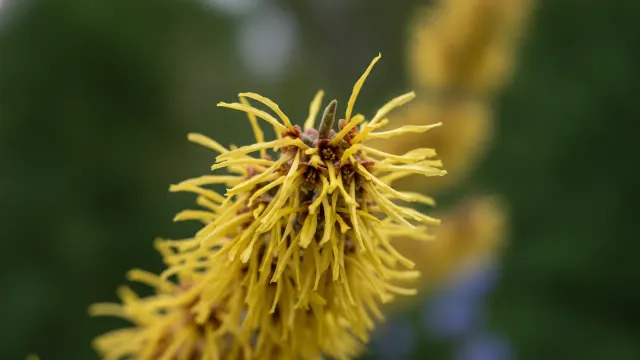
Hamamelis × intermedia 'Arnold Promise'
Spidery, fragrant yellow flowers on bare branches when little else dares to open.
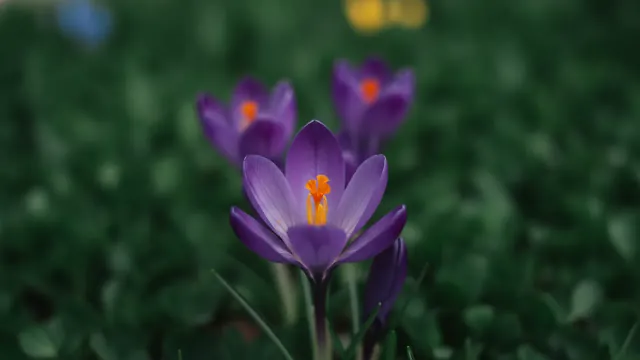
Crocus
Small cups of color that naturalize into drifts and feed the first bees of the year.
Early to mid spring
This is when bulbs take over. Plant them the previous autumn and they do all the work, returning a little wider every year. Weave in a few early perennials and the bed fills out fast.
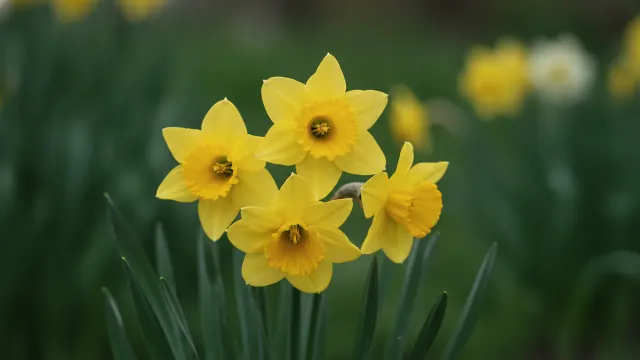
Narcissus
Reliable, deer-resistant, and naturalizing. The backbone of the spring bulb display.
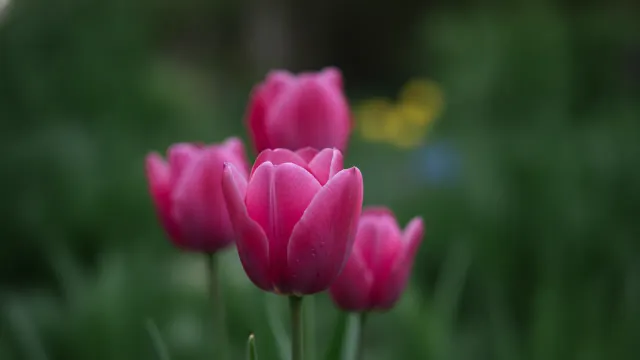
Tulipa
The brightest spring color there is, in nearly every shade. Treat as annuals or choose perennial types.
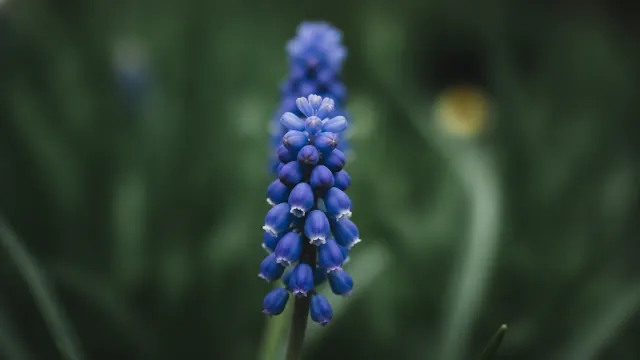
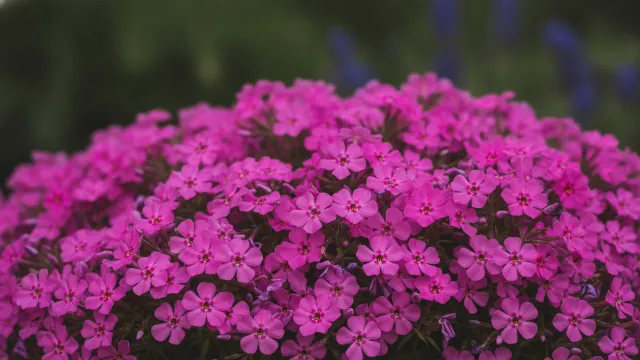
Phlox subulata
A solid carpet of color cascading over walls and edges for several weeks.
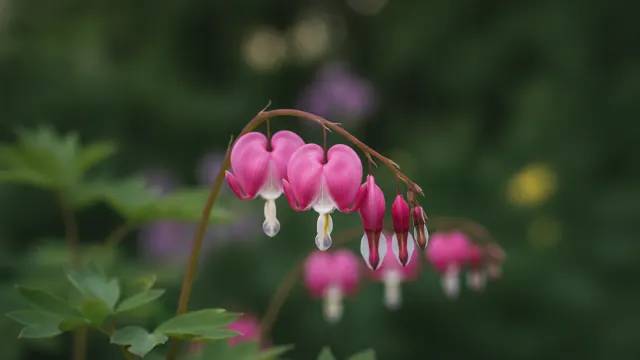
Lamprocapnos spectabilis
Arching stems hung with heart-shaped lockets for cool, lightly shaded spots.
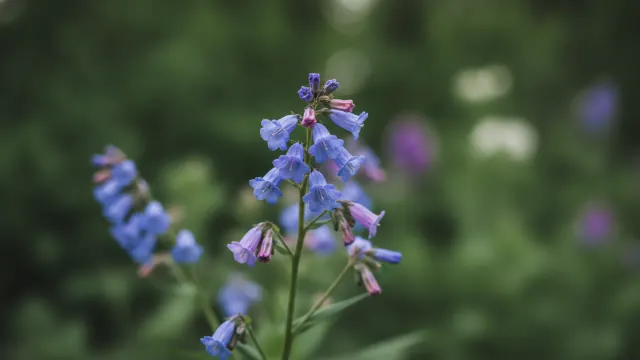
Mertensia virginica
Clouds of sky-blue bells in dappled shade, then politely vanishes for summer.
Late spring
The garden hits its first peak. Alliums and irises add height and structure, peonies bring the lush, full flowers, and the whole bed feels generous. A single architectural plant here can carry a lot of weight.
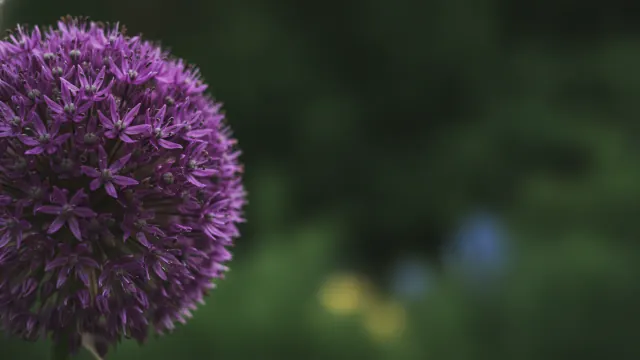
Allium 'Globemaster'
A big ornamental onion that anchors the late-spring bed: purple spheres on tall stems, ignored by deer, with seed heads that hold their shape for months.
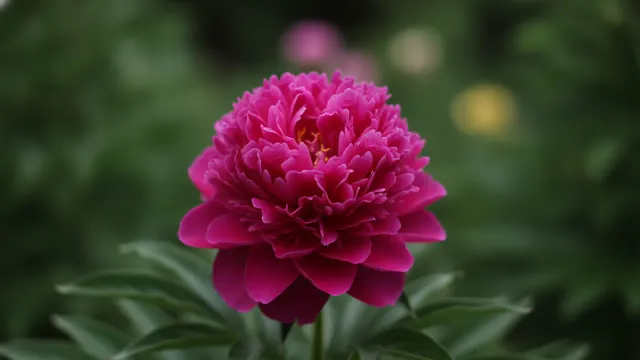
Paeonia
Huge, often fragrant late-spring flowers from a plant that can outlive the gardener.
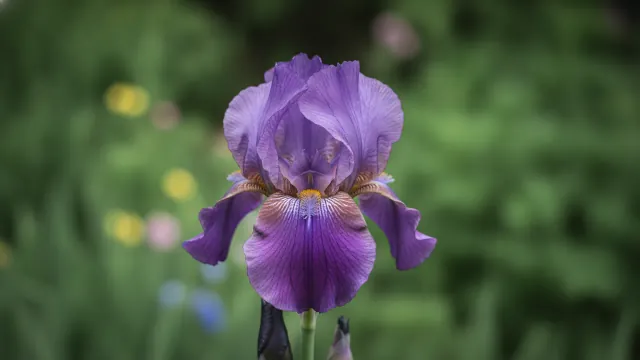
Iris germanica
Sculptural, ruffled blooms in an enormous color range, on tidy sword-like foliage.
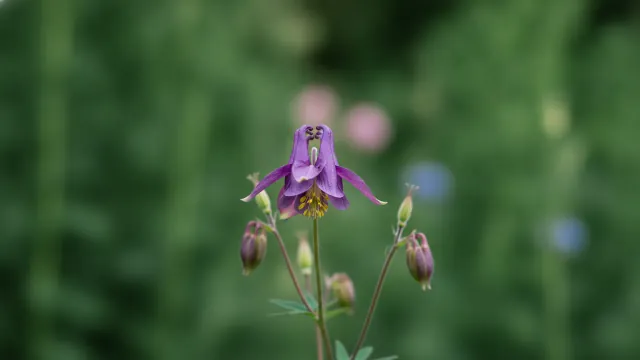
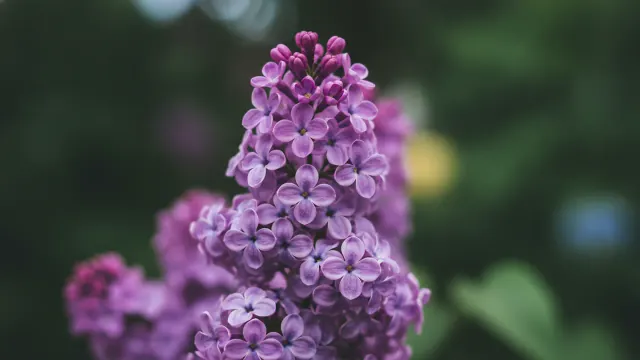
Syringa vulgaris
Heady fragrance and big flower trusses that signal the height of spring.
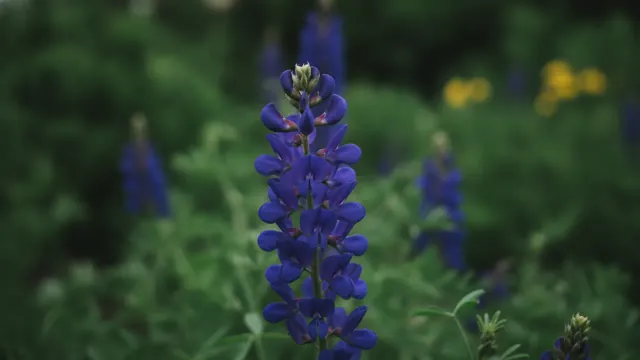
Early summer
As the bulbs finish, the first wave of summer perennials picks up the color without missing a beat. Many of these bloom for weeks, and several rebloom if you cut them back after the first flush.
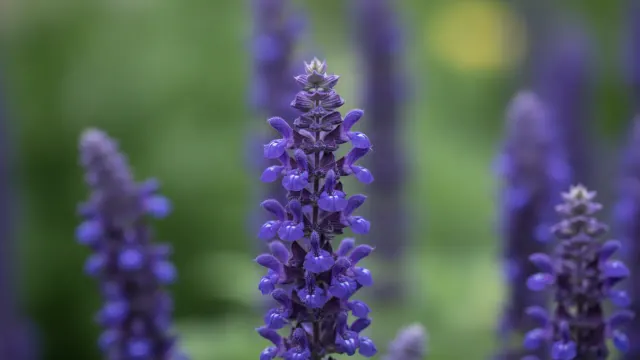
Salvia nemorosa 'Mainacht'
Deep violet spikes that flower for weeks, draw bees, and rebloom if sheared back.
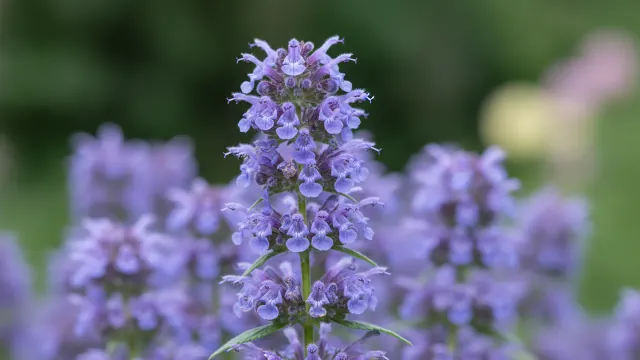
Nepeta
A soft haze of lavender-blue over aromatic foliage, blooming almost all summer.
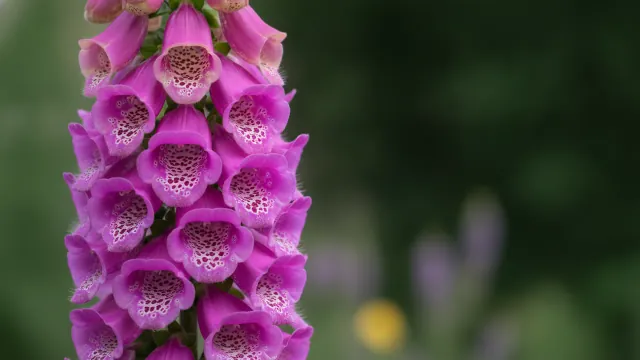
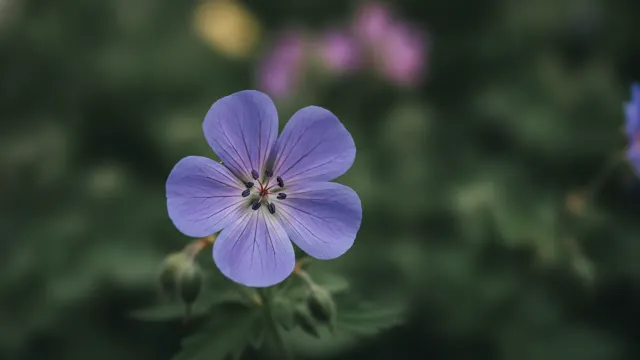
Geranium 'Rozanne'
Violet-blue flowers nonstop from early summer to frost, with no deadheading needed.
High summer: the easy months
Now the garden almost runs itself. Coneflowers, daisies, and daylilies hit their stride, the colors get warmer, and the pollinators arrive in force. This is the deepest part of the year for choice, so lean on it.
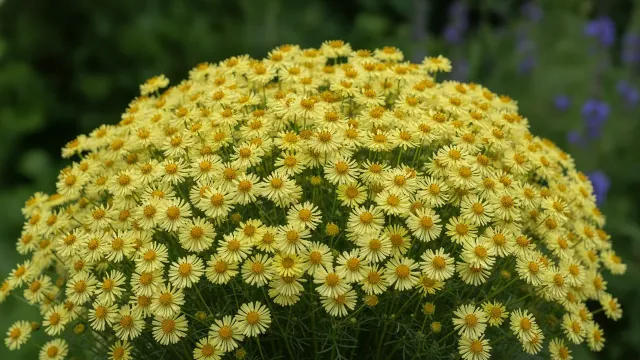
Coreopsis verticillata 'Moonbeam'
A cloud of pale-yellow daisies on airy foliage from early summer well into fall. Drought-tolerant, heat-proof, and one of the longest-blooming plants you can grow.
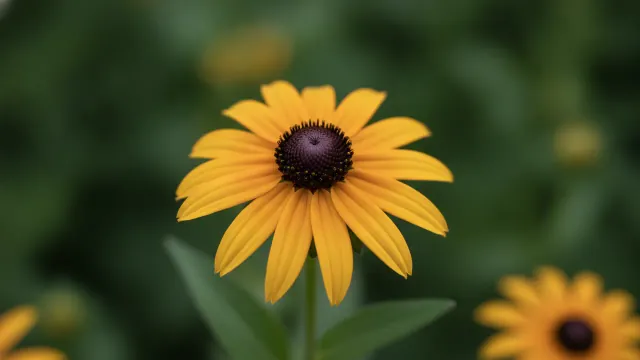
Rudbeckia
Golden, dependable, and long-blooming. One of the easiest plants for high-summer color.
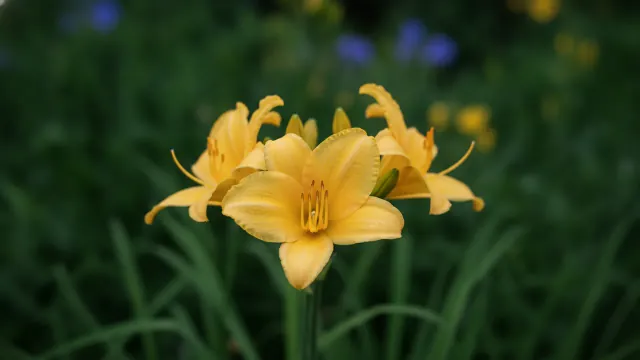
Hemerocallis 'Stella de Oro'
Compact and famous for reblooming, throwing out fresh flowers for months.
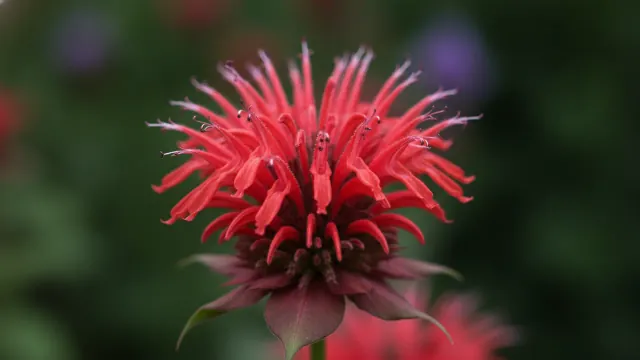
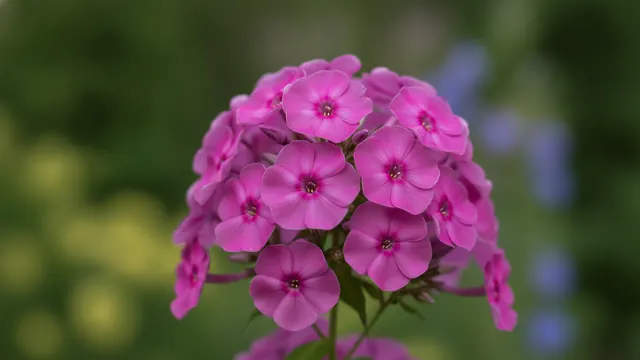
Phlox paniculata
Fragrant flower heads that fill the mid- to late-summer border with color and scent.
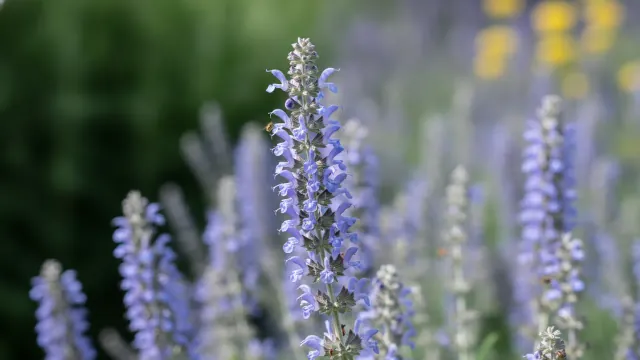
Salvia yangii
An airy violet-blue haze on silver stems, unbothered by heat, drought, or deer.
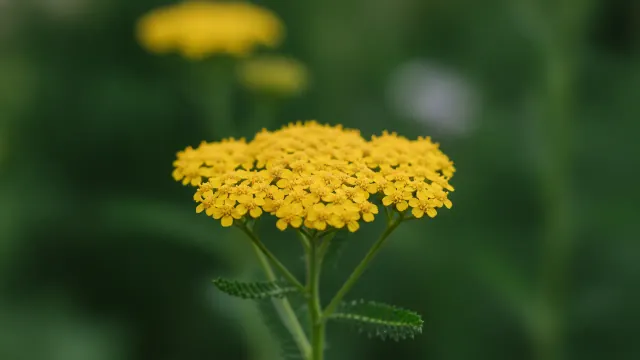
Achillea
Flat flower plates in warm and soft shades, tough as nails and loved by beneficial insects.
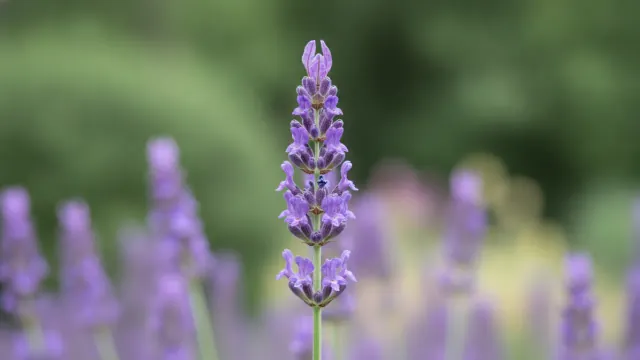
Lavandula
Fragrant purple spikes on silvery foliage for hot, sunny, well-drained spots.
Late summer into early fall
Plan for this stretch on purpose, because it is the one most gardens forget. A few late performers keep things going while everything else starts to tire, and they bridge straight into the autumn show.
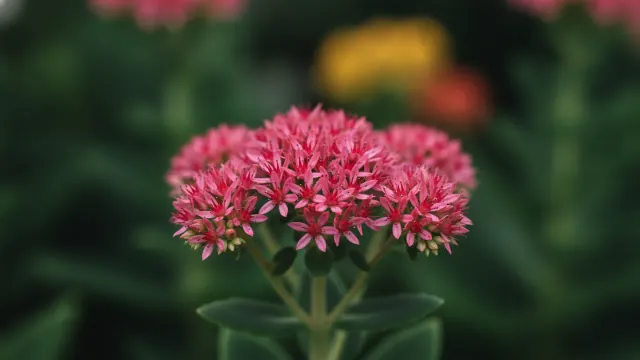
Hylotelephium 'Autumn Fire'
Domed flower heads that open dusty pink and deepen to rust, swarming with bees.
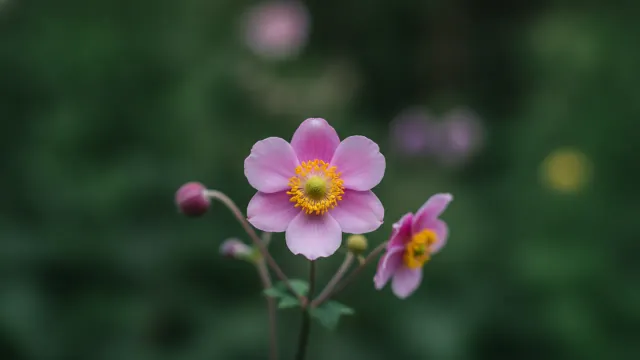
Anemone hupehensis
Elegant single flowers on tall wiry stems, lighting up part shade in late season.
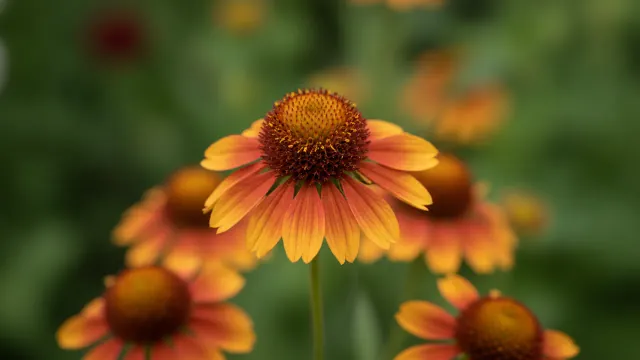
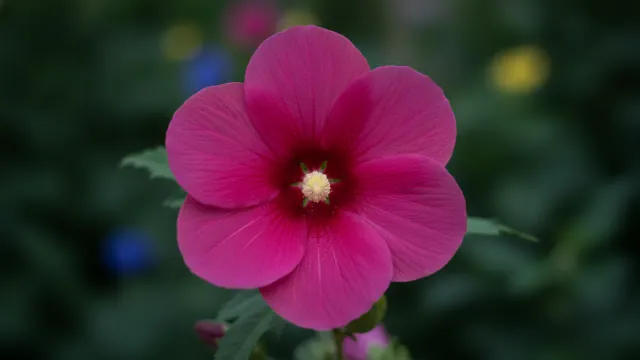
Hibiscus moscheutos
Dinner-plate flowers on a hardy perennial for a dramatic late-summer finish.
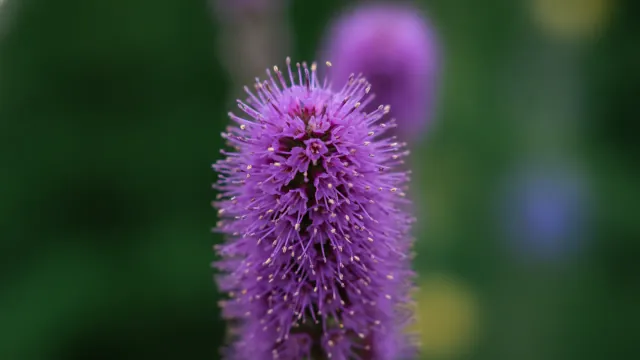
Liatris
Purple bottlebrush spikes that flower top to bottom and feed late butterflies.
Autumn: the last big show
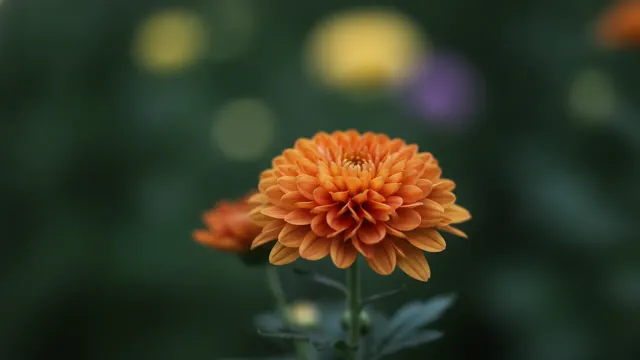
Asters and goldenrod are the stars of fall, and together they are a magnet for the last pollinators before winter. Add a few mums and the garden ends the year on a high rather than a fade.
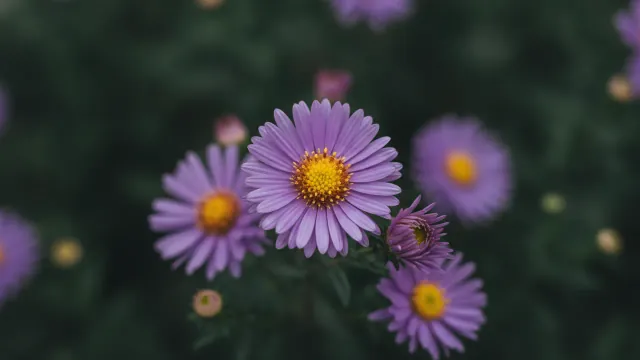
Symphyotrichum novae-angliae 'Purple Dome'
Clouds of purple daisies that are one of the most important late nectar sources there is.
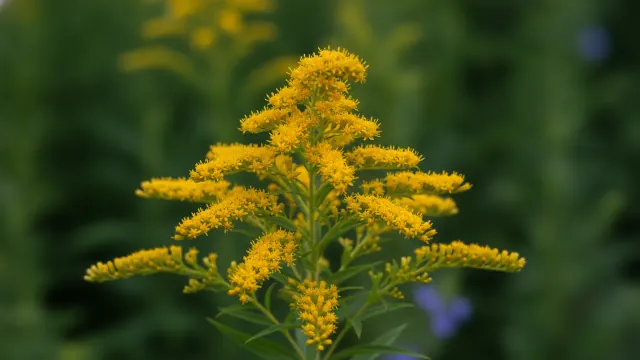
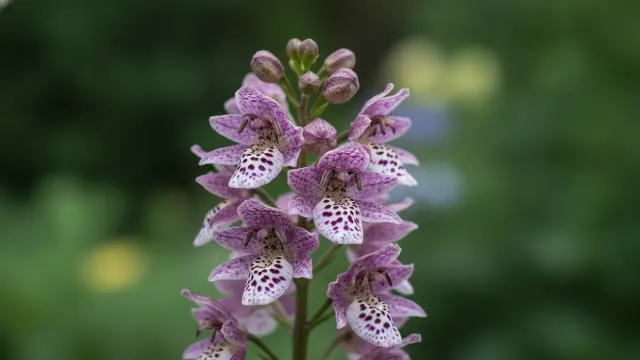
Tricyrtis
Curious orchid-like flowers, freckled and intricate, for shady fall corners.
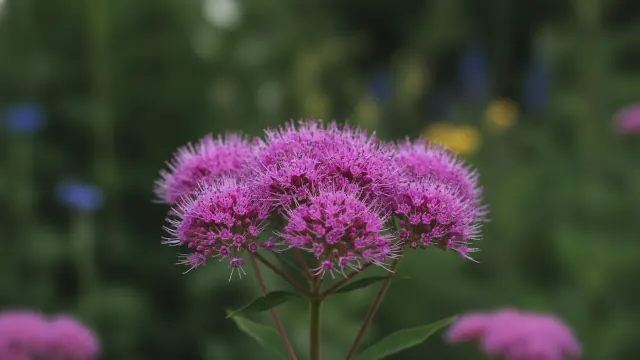
Eutrochium
Tall mauve flower heads that tower at the back of the border and hum with bees.
Holding the line in deep winter
Real winter is less about flowers and more about structure: the shape of a shrub, bright berries, evergreen foliage, and the seed heads you chose not to cut back. In milder regions a few plants will still flower outright.
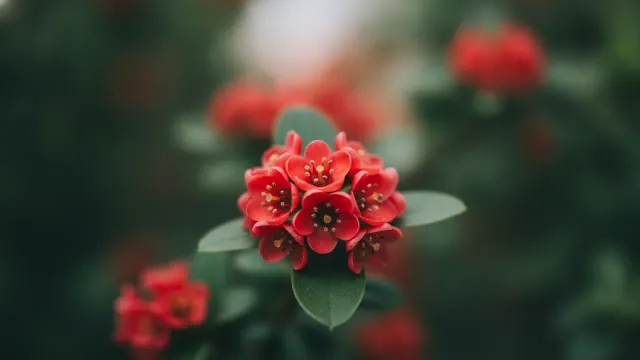
Ilex verticillata
Bare branches packed with brilliant red berries that hold for months and feed birds. Only female plants carry them, and only with a male winterberry planted nearby to pollinate.
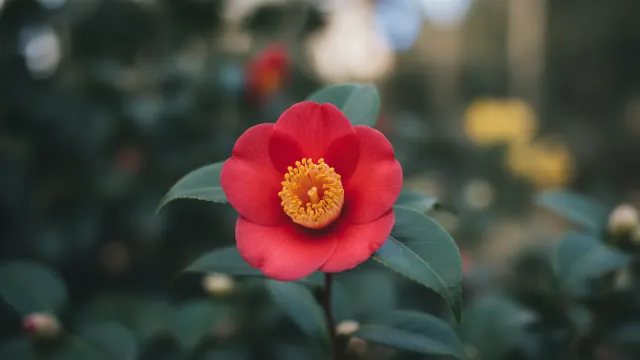
Camellia sasanqua 'Yuletide'
Glossy evergreen leaves and bright flowers in late fall and early winter, hardy in zones 7 to 9 and not a plant for colder gardens.
Putting it together
You do not need dozens of plants for this. Eight to twelve well-chosen plants spread across the seasons will keep a bed in flower all year. Repeat a few of them in drifts so the planting feels intentional rather than scattered, and group plants with the same sun and water needs so they all thrive together.
Then let the data do the planning. Filter the library by your hardiness zone so every plant you pick can survive your winters, and use the bloom calendars to confirm you have each month covered before you buy anything.
What is the easiest way to find plants that bloom in a specific month?
Open the month you care about from the bloom calendar pages, or check the calendar strip on any plant page. Each one shows the exact months that plant is in flower.
How many plants do I really need for year-round bloom?
Fewer than you might think. Around eight to twelve plants chosen so their bloom times overlap will keep a single bed in flower from late winter through autumn. In the deepest winter months the bed rests on structure, berries and evergreen leaves instead, and only a mild-winter garden (zone 7 and warmer) can add a true winter flower such as a camellia.
Will a year-round plan work in a cold climate?
Mostly. Filter the library to your hardiness zone first, then build the same season-by-season overlap using plants that are hardy where you live. Expect the bed to rest in the depths of winter: in zones 3 to 6 the first flowers come in February or March, and the winter-flowering shrubs here are for zone 7 and warmer.
Design a garden with these plants
Open BloomsEye Studio with this guide's plants ready to drop onto a plan, then watch the whole bed bloom across the year. New to it? See what the free garden planner does.