
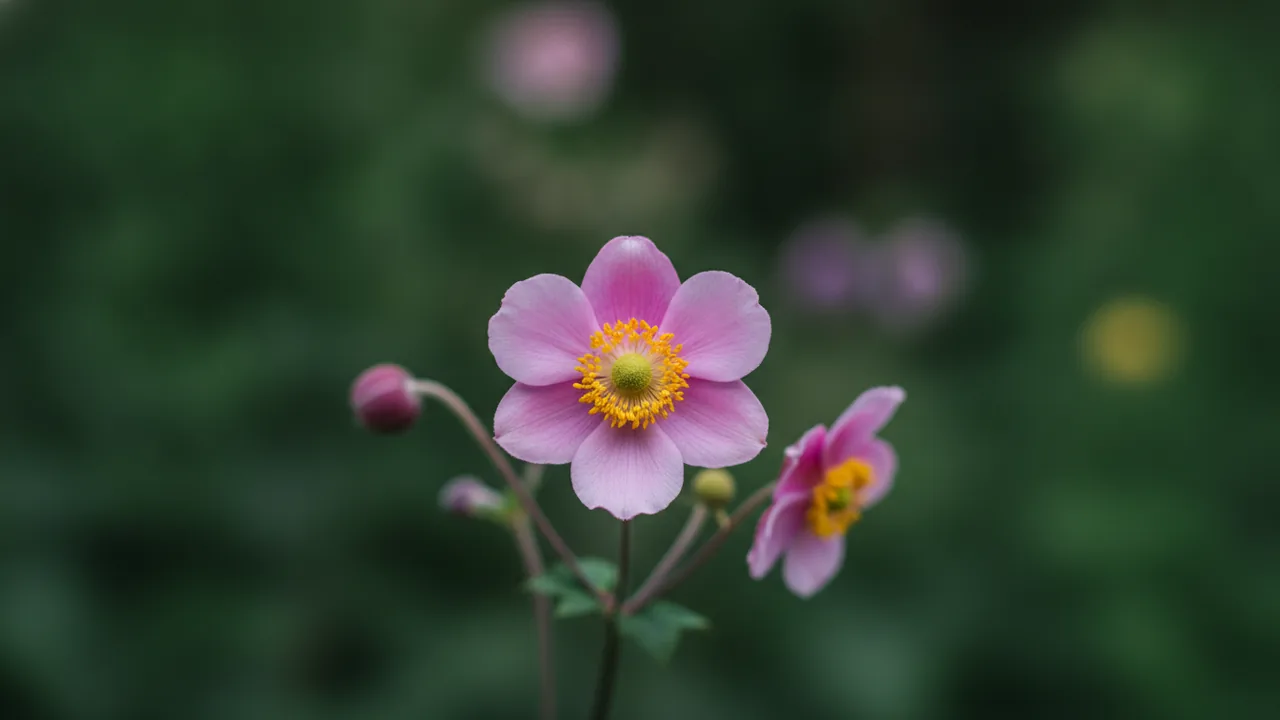
 Illustration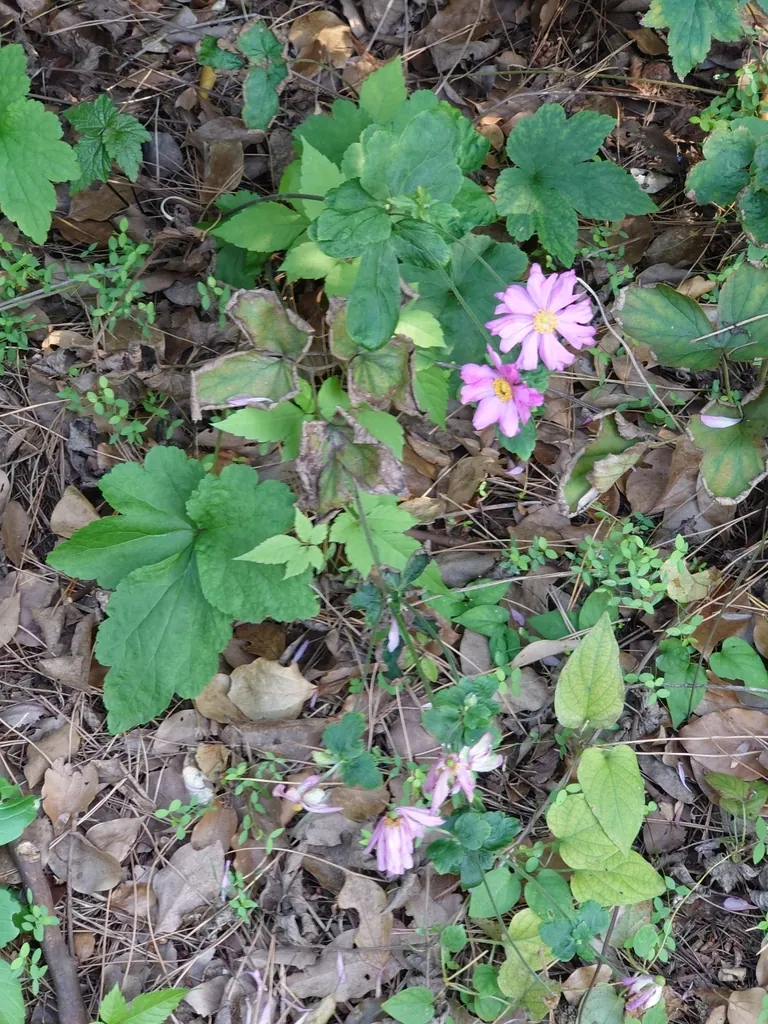
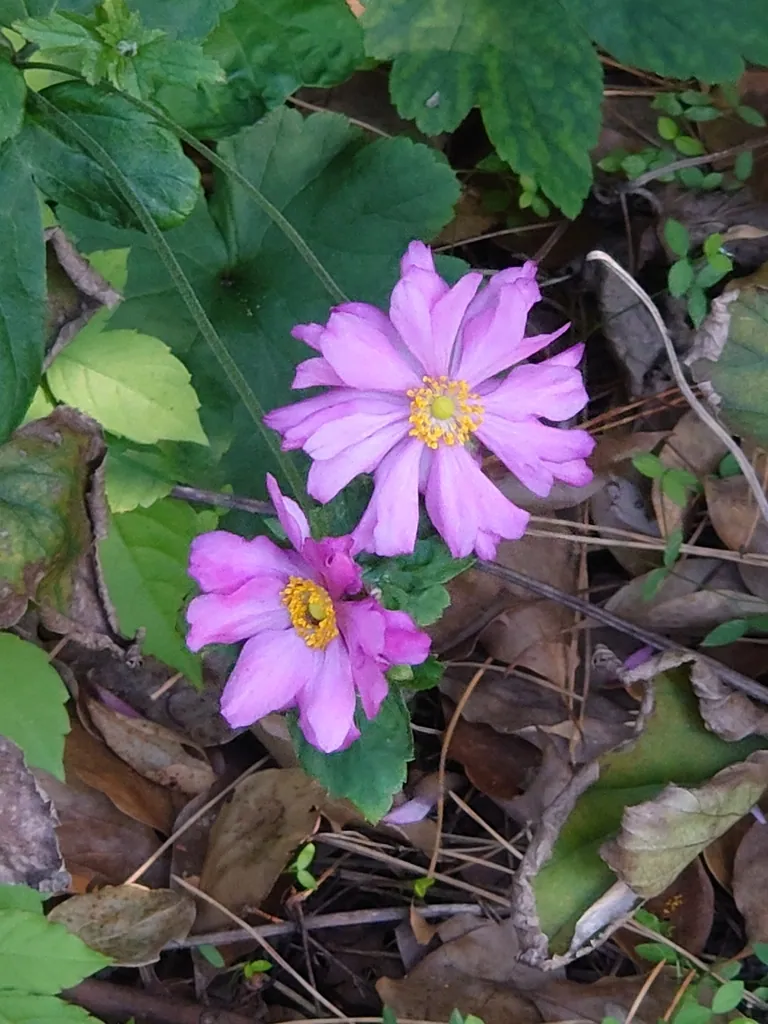

Photo credits and licenses
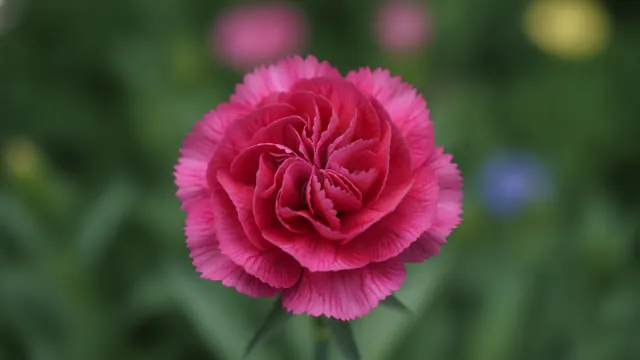
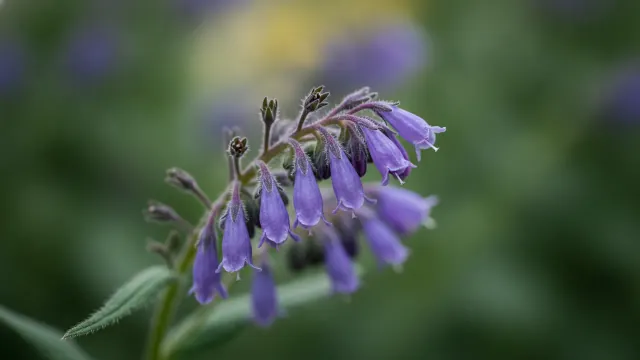
Real photographs from naturalists and photographers worldwide, each used under its own license. Credit: Photo by WATANABE Hitoshi 渡辺仁 / iNaturalist (CC BY) and Photo by WATANABE Hitoshi 渡辺仁 / iNaturalist (CC BY). How photos are sourced →

Japanese Anemone
Anemone hupehensis
Also comes in white.
Japanese Anemone blooms from August through October.
Months here are Northern Hemisphere months; in the Southern Hemisphere, shift them by six months.
Growing Japanese Anemone
Plant it in part shade. It prefers moderate water. It is hardy in USDA zones 4–8. Expect it to reach about 3 ft tall and 1.5 ft wide at maturity, in roughly 2 years (not yet checked).
What was checked
Mature height and spread, hardiness zones, sun and the trait tags were checked against named botanical sources for this plant. The bloom months and water need on this page were not, and each fact above says which. The planting, spacing and size sections are derived from these checked facts by a fixed rule, not checked separately, and the plant type is the library's own classification.
When to plant Japanese Anemone
Plant Japanese Anemone in early spring as soon as the soil is workable, or in early fall at least six weeks before your first frost, so roots establish in cool weather. In zone 6, the middle of its hardy zones 4 to 8, spring means March to May and fall means August or September. Once settled, it blooms from August to October.
Month-by-month timing for your zone is on the planting calendar; if you garden near zone 6, the middle of this plant's hardy range, start with zone 6 in March. Derived from the plant's category, zones and bloom months plus typical zone frost dates, not checked separately.
How big does Japanese Anemone get?
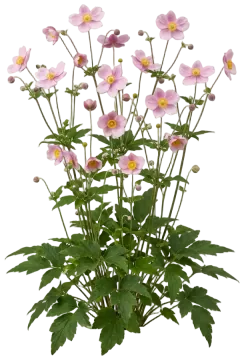 3 fttall5 ft 7 inan adult1.5 ftwide
See Japanese Anemone in a garden plan: the planner shows it in 3D beside everything else you add, growing toward this size over the years.
How far apart to plant Japanese Anemone
Derived from the mature spread above by a fixed rule, not checked separately: spacing is the spread, center to center.
Space Japanese Anemone about 1.5 ft apart, center to center, so each plant has room to reach its full width.
Add Japanese Anemone to a garden plan and the planner draws it at its full width, so you see the spacing before you buy.
Where these facts come from
Japanese Anemone's height, spread, hardiness zones, sun and trait tags were checked against 15 published sources on July 31, 2026. Each one is linked below with every fact it carried, which can include a fact this page still marks as not yet checked, because a source carrying a value is not the same as the value being held to the standard. Facts not in that list, and the planting, spacing and size sections, are not covered by these sources.
- Missouri Botanical GardenAnemone hupehensisheight, spread, hardiness zones, sun, years to mature size and trait tags
- pw.waltersgardens.comPerennial Resource / Walters Gardens (Anemone hupehensis var. japonica...height, spread, hardiness zones, sun, years to mature size and trait tags
- The Morton ArboretumJapanese anemone, Anemone hupehensisheight, spread, hardiness zones, sun, years to mature size and trait tags
- Fine GardeningAnemone hupehensis var. japonicaheight, spread, hardiness zones, sun and years to mature size
- luriegarden.orgLurie Garden (Anemone hupehensis var. japonica 'Splendens')height, spread, hardiness zones, sun and trait tags
- NC State ExtensionEriocapitella hupehensis, syn. Anemone hupehensisheight, spread, hardiness zones, sun and years to mature size
- RHSAnemone hupehensisheight, spread, sun, years to mature size and trait tags
- Sooner Plant FarmAnemone hupehensis 'September Charm'height, spread, hardiness zones, sun and trait tags
- University of Wisconsin HorticultureWisconsin Horticulture, Division of Extension (Anemone x hybrida)height, hardiness zones, sun, years to mature size and trait tags
- usperennials.comUS Perennials (Anemone hupehensis var. japonica 'Pamina')height, spread, hardiness zones, sun and trait tags
- NC State ExtensionEriocapitella x hybrida, syn. Anemone x hybridahardiness zones, sun, years to mature size and trait tags
- Plant Delights NurseryAnemone hupehensis 'September Charm'height, hardiness zones and sun
- University of Illinois ExtensionAnemone x hybridaheight, hardiness zones and sun
- BBC Gardeners' WorldJapanese anemonessun and trait tags
- Chicago Botanic GardenAnemones, Fall-bloomingheight and sun
How the checking works, and what each standard covers, is on the verified plants page.
Good to know about Japanese Anemone
Curated from university extensions, botanic gardens and other primary sources, with the source named on every note. A note reports what its source says; where that differs from a fact above, the fact above is this entry's stored value, and its mark says whether it has been checked.
Safety
All parts are a buttercup-family irritant. Fresh sap can blister skin, and eating any part irritates the mouth and gut, causing drooling, vomiting, and diarrhea in animals. per NC State and Missouri Botanical
Worth knowing
Despite the name, 'Japanese anemone' is mostly hybrids from China, not Japan, and botanists have recently moved these plants into a new genus, Eriocapitella. per NC State
Warm-end zones need shade
In zone 8 or the hot South it needs afternoon shade and steady moisture to avoid scorch; it performs best in cooler zones 4 to 7. per Clemson and Wisconsin
Clump width vs colony
Reported width varies wildly: one clump runs about 0.3 to 0.45 m, but by underground runners it builds a colony to 1.2 to 1.8 m. Plan for the colony. per NC State and Missouri Botanical
Deer and rabbit resistant
Deer and rabbits leave it alone: the acrid, irritant buttercup-family foliage is the same chemistry that can blister skin, and browsers avoid it. per NC State
Slow to establish
New plants settle in slowly and flower sparsely at first, becoming free-flowering only from about the second year. Be patient and do not move it early. per Illinois and Clemson
Late-season pollinator forage
The open, stamen-rich flowers may be visited by bees and butterflies, offering some forage late in the season when many other perennials have finished. per Wisconsin
What pairs well with Japanese Anemone
Good companions share its growing conditions and add something it lacks: an earlier or later bloom, a lower carpet in front, or structure through winter.
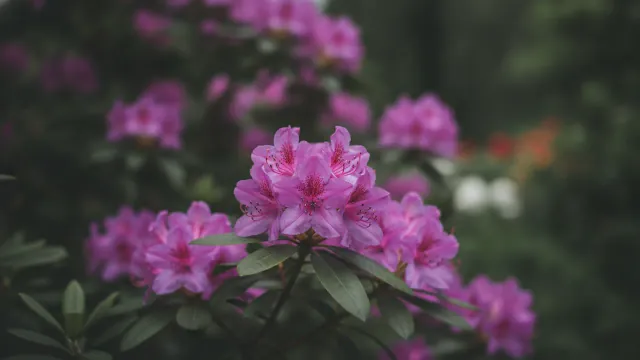
Rhododendron
Shares part shade and moderate water; blooms in late spring, before this one opens; both are strong pollinator plants, and they feed in different months; evergreen, so the bed keeps its shape through winter.
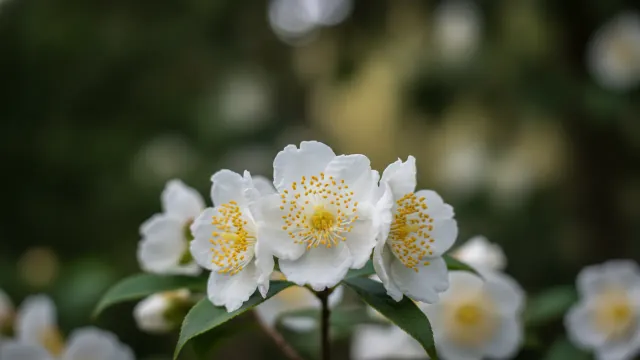
Japanese Stewartia
Takes part sun to part shade and moderate water; blooms in early summer, before this one opens; both are strong pollinator plants, and they feed in different months; taller at 16 ft, for the layer behind it.
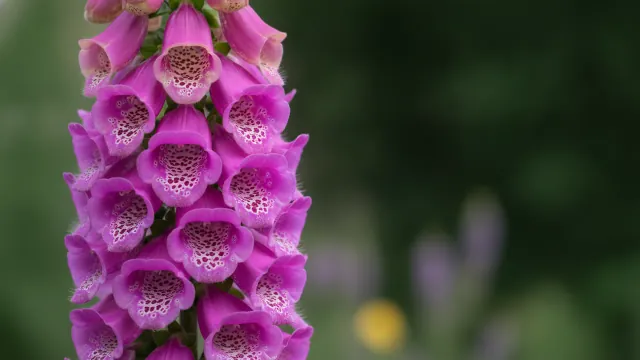
Foxglove
Shares part shade and moderate water; blooms in late spring, before this one opens; both are strong pollinator plants, and they feed in different months; taller at 4 ft, for the layer behind it.
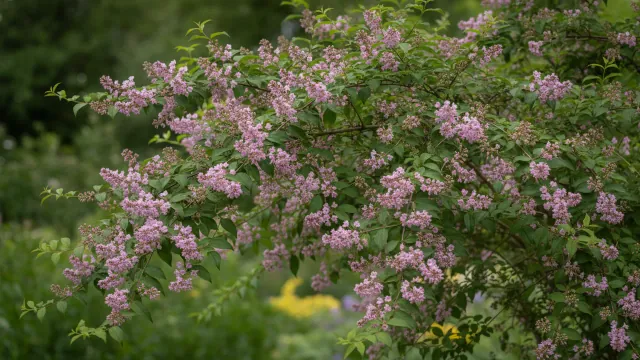
Beautyberry
Takes part sun to part shade and moderate water; blooms in early summer, before this one opens; both are strong pollinator plants, and they feed in different months; taller at 5 ft, for the layer behind it.
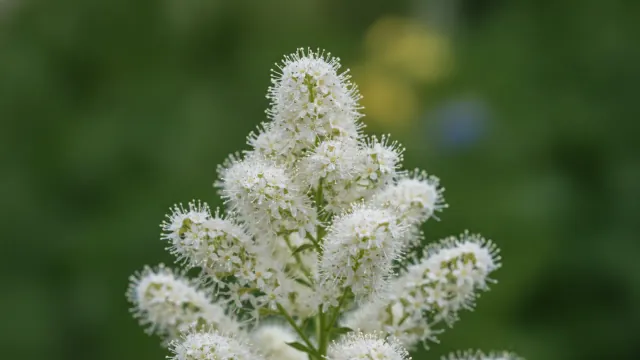
Goatsbeard
Shares part shade and moderate water; blooms in early summer, before this one opens; both offer pollinator forage, in different months; taller at 4 ft, for the layer behind it.
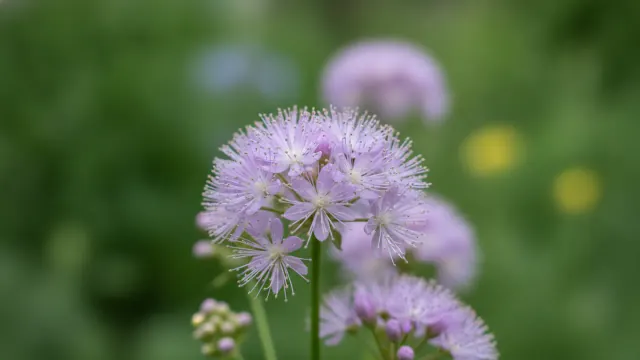
Meadow Rue
Shares part shade and moderate water; blooms in early summer, before this one opens; both are strong pollinator plants, and they feed in different months; taller at 4 ft, for the layer behind it.
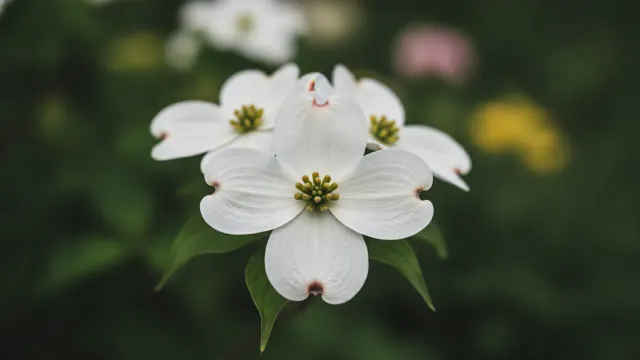
Flowering Dogwood
Shares part shade and moderate water; blooms in mid spring, before this one opens; both are strong pollinator plants, and they feed in different months; stands well above at 23 ft, a canopy to plant beneath.
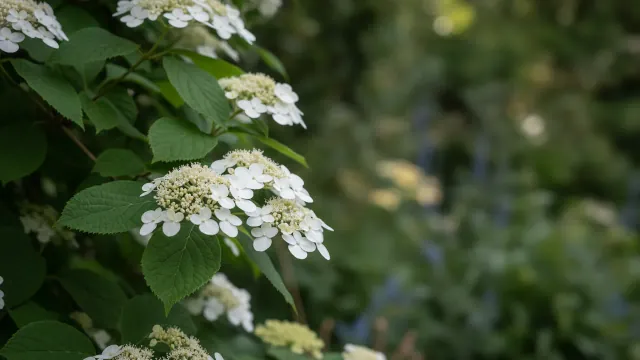
Climbing Hydrangea
Shares part shade and moderate water; blooms in early summer, before this one opens; both offer pollinator forage, in different months; its white flowers settle the pink.
Featured in these guides
Explore similar plants
You might also like
Design a garden with this
Drop this plant onto a 3D plan, see how it fills in, and watch your whole garden bloom across the year.