
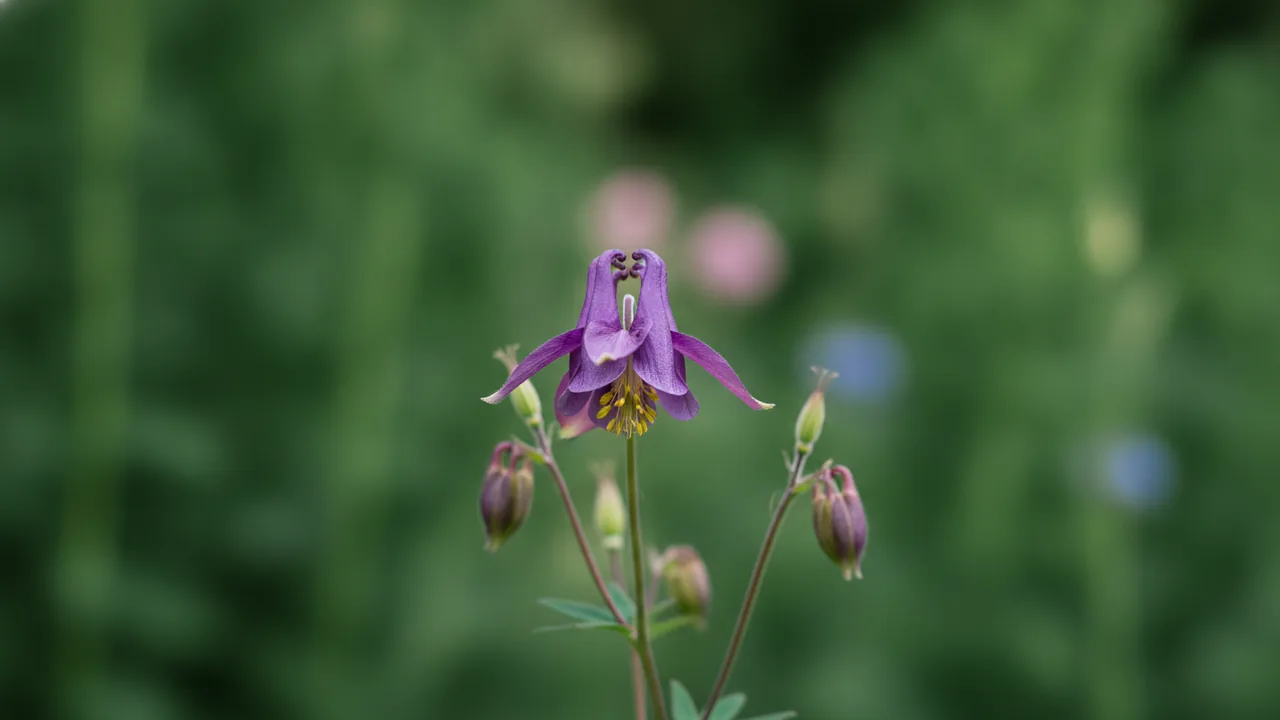
 Illustration

Columbine
Aquilegia
Columbine blooms from April through June.
Months here are Northern Hemisphere months; in the Southern Hemisphere, shift them by six months.
Growing Columbine
Plant it in part shade. It prefers moderate water. It is hardy in USDA zones 3–8. Expect it to reach about 24 in tall and 16 in wide at maturity, in roughly 2 years (not yet checked).
What was checked
Mature height and spread, hardiness zones, sun and the trait tags were checked against named botanical sources for this plant. The bloom months and water need on this page were not, and each fact above says which. The planting, spacing and size sections are derived from these checked facts by a fixed rule, not checked separately, and the plant type is the library's own classification.
When to plant Columbine
Plant Columbine in early spring as soon as the soil is workable, or in early fall at least six weeks before your first frost, so roots establish in cool weather. In zone 5, the middle of its hardy zones 3 to 8, spring means April to June and fall means August or September. Once settled, it blooms from April to June.
Month-by-month timing for your zone is on the planting calendar; if you garden near zone 5, the middle of this plant's hardy range, start with zone 5 in April. Derived from the plant's category, zones and bloom months plus typical zone frost dates, not checked separately.
How big does Columbine get?
 24 intall5 ft 7 inan adult16 inwide
See Columbine in a garden plan: the planner shows it in 3D beside everything else you add, growing toward this size over the years.
How far apart to plant Columbine
Derived from the mature spread above by a fixed rule, not checked separately: spacing is the spread, center to center.
Space Columbine about 16 in apart, center to center, so each plant has room to reach its full width.
Add Columbine to a garden plan and the planner draws it at its full width, so you see the spacing before you buy.
Where these facts come from
Columbine's height, spread, hardiness zones, sun and trait tags were checked against 6 published sources on July 30, 2026. Each one is linked below with every fact it carried, which can include a fact this page still marks as not yet checked, because a source carrying a value is not the same as the value being held to the standard. Facts not in that list, and the planting, spacing and size sections, are not covered by these sources.
- NC State ExtensionAquilegia, the genus entryheight, spread, hardiness zones, sun and trait tags
- University of Illinois ExtensionColumbine, the genus entryheight, hardiness zones, sun and trait tags
- RHSAquilegia, the genus pageheight, sun and trait tags
- Iowa State University ExtensionAll About Columbine, the genussun and trait tags
- planttalk.colostate.eduPlantTalk Colorado, Colorado State University Extension (Columbine, th...sun and trait tags
- Portland NurseryAquilegia: Columbine, the genus entrysun and trait tags
How the checking works, and what each standard covers, is on the verified plants page.
Comes in 6 colors
Same genus, similar care - pick the color you are growing.
Compare every color in the Columbine group
Every figure is the color's own page fact. Tap a name to open it.
| Name | Color | Blooms | Hardiness | Sun | Size (H × W) |
|---|---|---|---|---|---|
| Black Barlow | Purple | May–Jun | Zones 3–8 | Part shade | 2.5 ft × 1.5 ft |
| Columbinethis page | Purple | Apr–Jun | Zones 3–8 | Part shade | 24 in × 16 in |
| Eastern Red | Red | Apr–Jun | Zones 3–8 | Part shade | 24 in × 16 in |
| Golden | Yellow | Apr–Jun | Zones 3–8 | Part shade | 2.5 ft × 1.5 ft |
| Nora Barlow | Pink | May–Jun | Zones 3–8 | Part shade | 2.5 ft × 1.5 ft |
| Rocky Mountain Blue | Blue | Apr–Jun | Zones 3–8 | Part shade | 24 in × 16 in |
| White | White | Apr–Jun | Zones 3–8 | Part shade | 24 in × 16 in |
Good to know about Columbine
Curated from university extensions, botanic gardens and other primary sources, with the source named on every note. A note reports what its source says; where that differs from a fact above, the fact above is this entry's stored value, and its mark says whether it has been checked.
Safety
Best treated as mildly toxic and not a food: the seeds and roots are the most concentrated. Keep children and pets from eating them. per PLOS ONE and Cornell
Worth knowing
Nectar sits at the tip of each flower's spurs, so spur shape picks the pollinator: short curved spurs suit bees, straight red ones hummingbirds, very long spurs hawk moths. per BMC Plant Biology
Not as poisonous as folklore
Online sources call columbine fatal, but no reachable tier-1 authority (ASPCA, NC State, Cornell) gives it any poison rating. Treat it as mildly toxic, not deadly. per USDA and Cornell
Signature pest: leaf miner
The columbine leaf miner tunnels pale, snaky trails through the leaves. It looks bad but is only cosmetic (Illinois rates it 1 of 5), so no spray is needed. per Wisconsin and University of Illinois
Native red columbine resists it
The native red columbine (Aquilegia canadensis) shrugs off the leaf miner far better than the showy hybrids do. Choosing it is itself a pest-control decision. per NC State and Wisconsin
Short-lived but self-sowing
Each plant lives only about 2 to 5 years, but it self-seeds freely, so a stand renews itself. Let some flowers set seed to keep it going. per NC State and Clemson
Cut it back after bloom
Columbine welcomes a hard cutback after bloom or once leaf miners tunnel the leaves. It reflushes clean new growth, and you can time it to limit self-seeding. per NC State and Wisconsin
What pairs well with Columbine
Good companions share its growing conditions and add something it lacks: an earlier or later bloom, a lower carpet in front, or structure through winter.
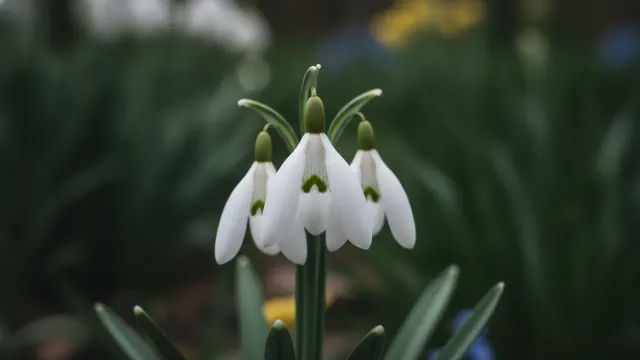
Snowdrop
Shares part shade and moderate water; blooms in late winter, before this one opens; both are strong pollinator plants, and they feed in different months; lower at 5 in, for the front of the border.
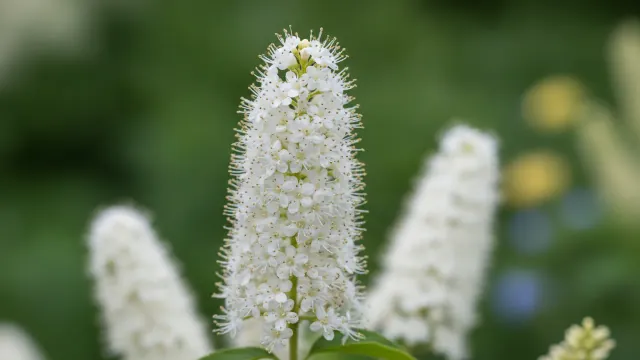
Summersweet
Shares part shade and moderate to high water; blooms in midsummer as this one finishes; both are strong pollinator plants, and they feed in different months; taller at 6 ft, for the layer behind it.
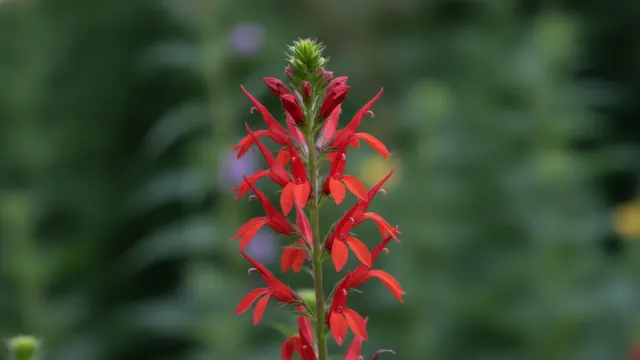
Cardinal Flower
Takes part sun to part shade and moderate to high water; blooms in midsummer as this one finishes; both are strong pollinator plants, and they feed in different months; taller at 3.5 ft, for the layer behind it.

Camellia
Shares part shade and moderate water; blooms in midwinter, before this one opens; both are strong pollinator plants, and they feed in different months; evergreen, so the bed keeps its shape through winter; they only overlap in zones 7 to 8.
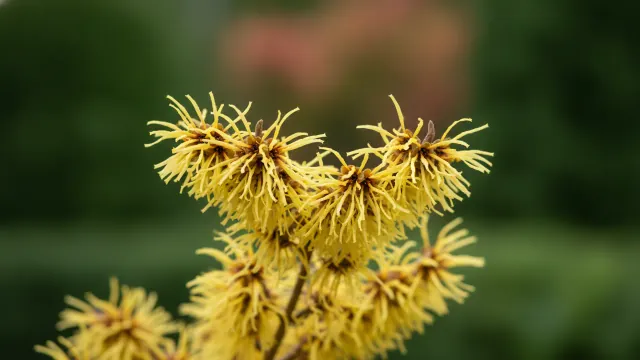
Witch Hazel
Takes part sun to part shade and moderate water; blooms in late winter, before this one opens; both offer pollinator forage, in different months; taller at 10 ft, for the layer behind it.

Ligularia
Shares part shade and moderate to high water; blooms in midsummer as this one finishes; both are strong pollinator plants, and they feed in different months; taller at 4 ft, for the layer behind it.
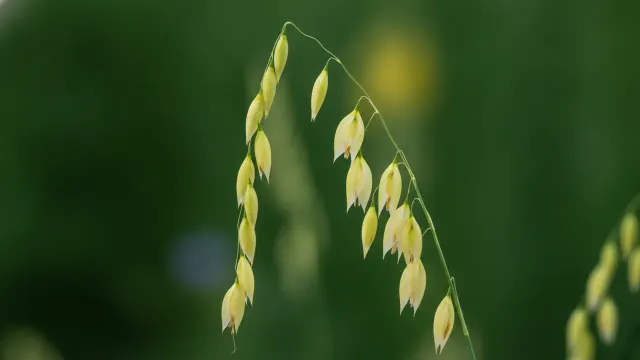
Northern Sea Oats
Shares part shade and moderate water; blooms in midsummer as this one finishes; its seed heads stand through winter, for structure and the birds; taller at 3.5 ft, for the layer behind it.
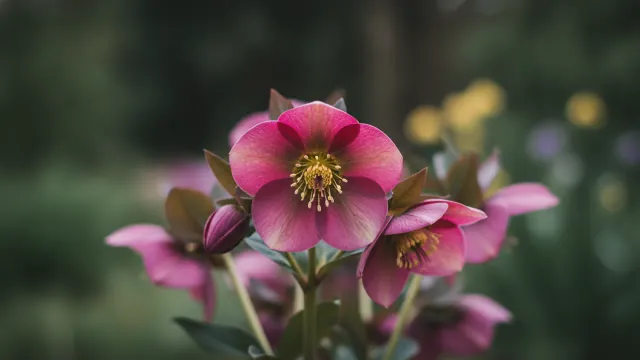
Hellebore
Shares part shade and moderate water; opens in late winter and overlaps into this one's season; evergreen, so the bed keeps its shape through winter; both offer pollinator forage.
Featured in these guides
Explore similar plants
You might also like


Design a garden with this
Drop this plant onto a 3D plan, see how it fills in, and watch your whole garden bloom across the year.