
 Illustration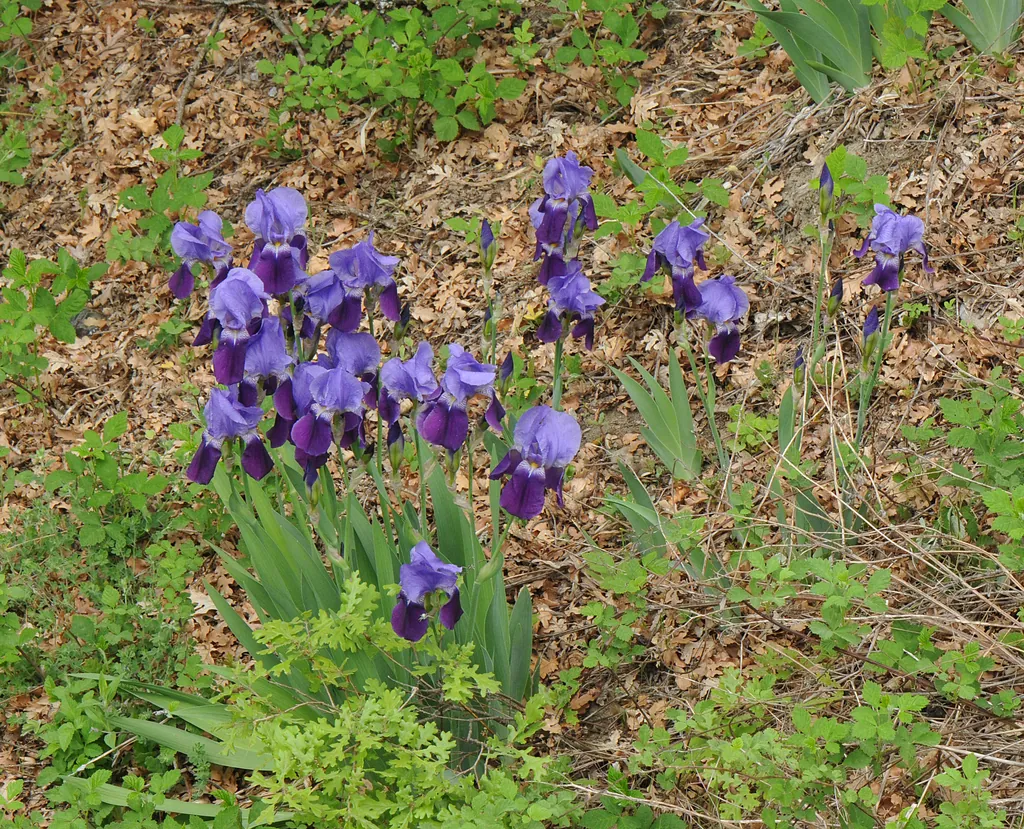
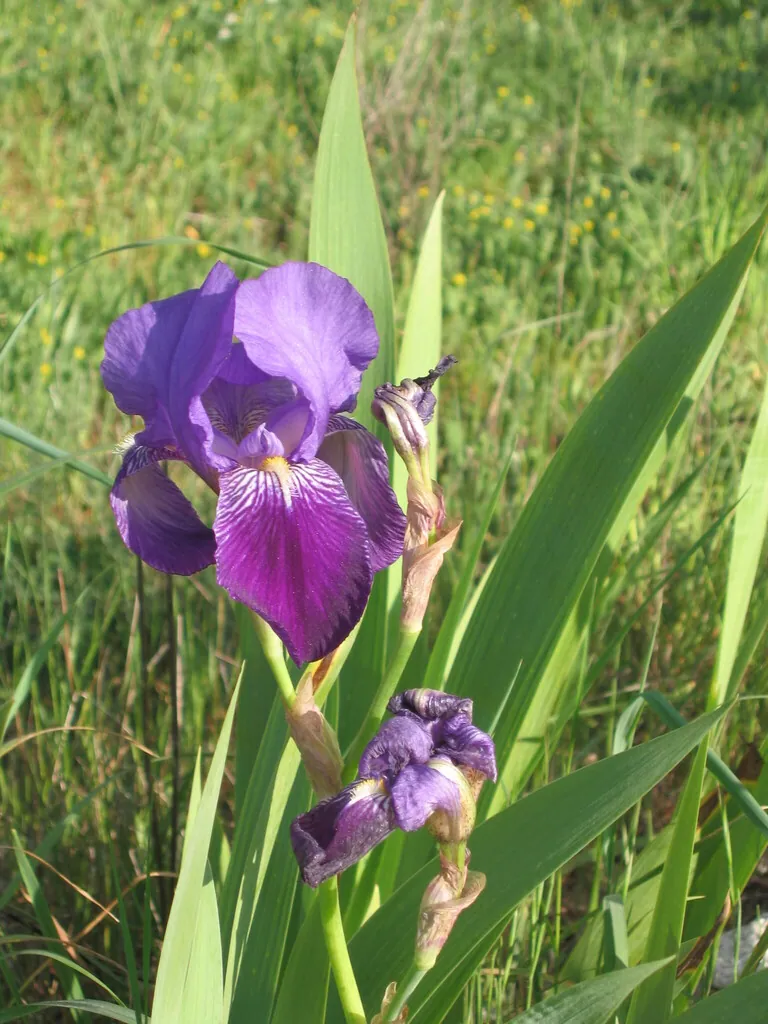
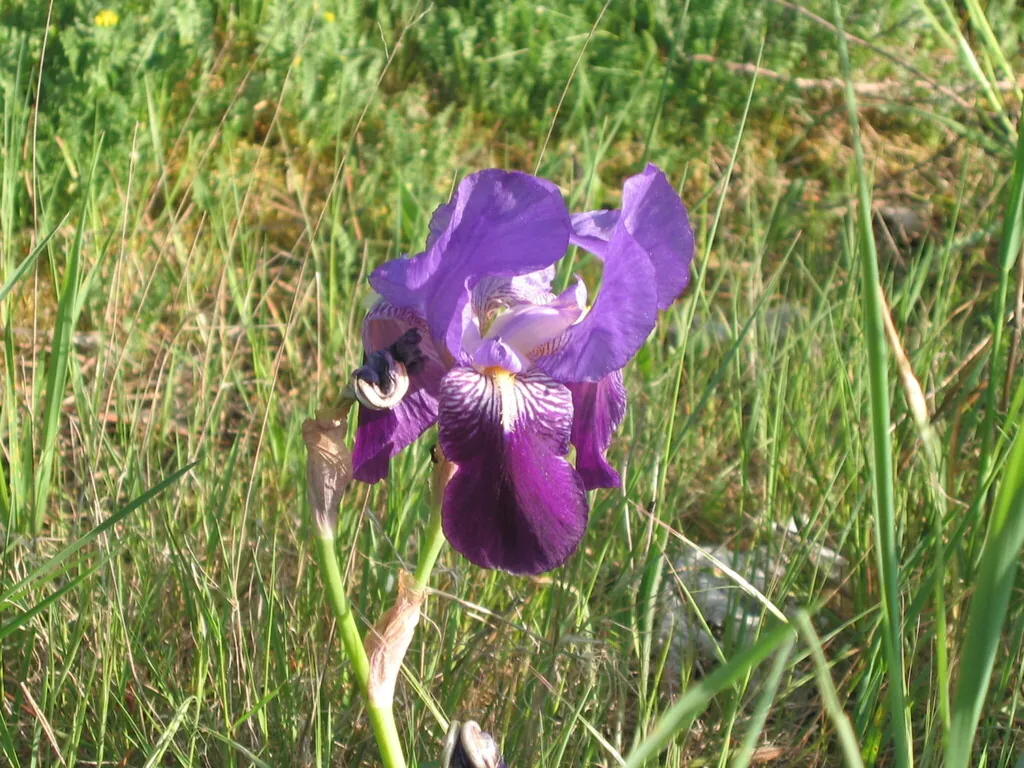

Photo credits and licenses
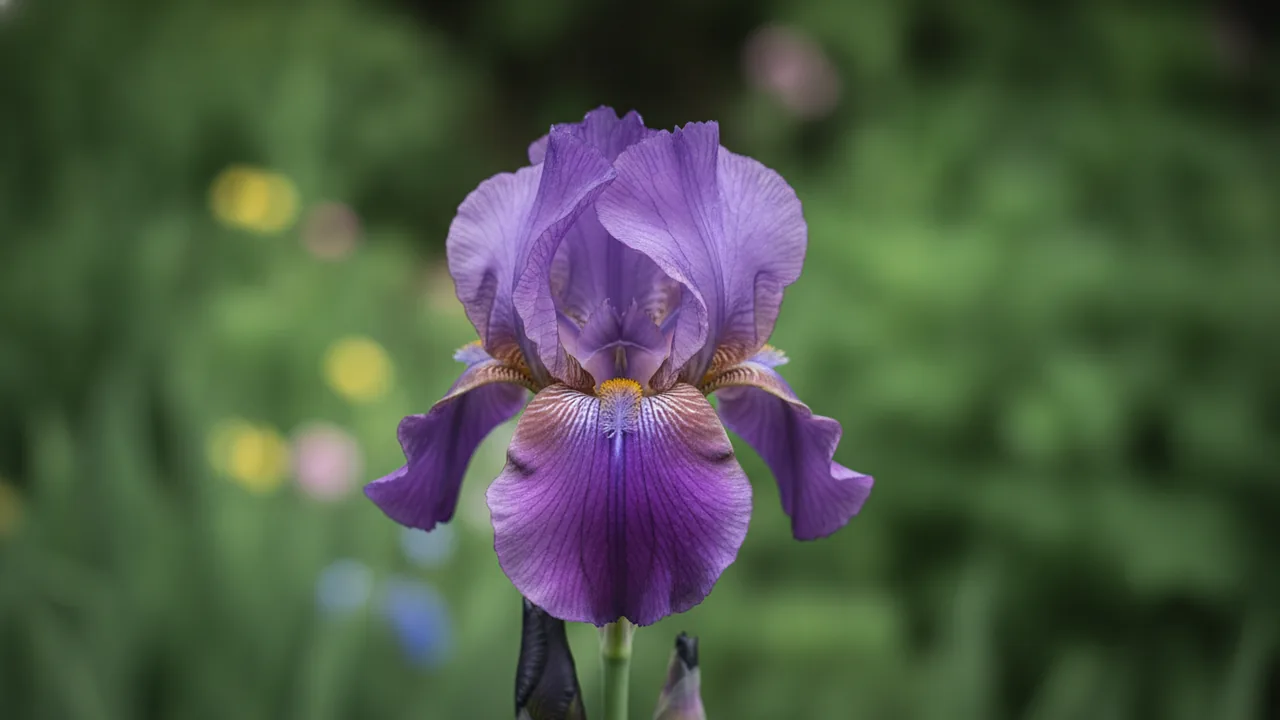
Real photographs from naturalists and photographers worldwide, each used under its own license. Credit: Photo by Todd Boland / iNaturalist (CC BY), Photo by zebedeugalinha / iNaturalist (CC BY) and Photo by zebedeugalinha / iNaturalist (CC BY). How photos are sourced →

Bearded Iris
Iris germanica
Bearded Iris blooms from May through June.
Months here are Northern Hemisphere months; in the Southern Hemisphere, shift them by six months.
Growing Bearded Iris
Plant it in full sun. It prefers moderate water. It is hardy in USDA zones 3–9. Expect it to reach about 2.5 ft tall and 1.5 ft wide at maturity, in roughly 2 years (checked).
What was checked
Mature height and spread, hardiness zones, sun, water, bloom months and color and the trait tags were checked against named botanical sources for this plant, with what the sources could not settle written down; years to mature size rests on a recorded house rule where no publisher states one, and is marked so; its common name and alternate names have not been checked yet. Each fact above carries its own mark. The planting, spacing and size sections are derived from these checked facts by a fixed rule, not checked separately, and the plant type is the library's own classification.
When to plant Bearded Iris
Plant or divide Bearded Iris in late summer, July to September, once its bloom is finished. That window holds across its whole hardy zones 3 to 9 range. It flowers from May to June.
Month-by-month timing for your zone is on the planting calendar; if you garden near zone 6, the middle of this plant's hardy range, start with zone 6 in July. Derived from the plant's category, zones and bloom months plus typical zone frost dates, not checked separately.
How big does Bearded Iris get?
 2.5 fttall5 ft 7 inan adult1.5 ftwide
See Bearded Iris in a garden plan: the planner shows it in 3D beside everything else you add, growing toward this size over the years.
How far apart to plant Bearded Iris
Derived from the mature spread above by a fixed rule, not checked separately: spacing is the spread, center to center.
Space Bearded Iris about 1.5 ft apart, center to center, so each plant has room to reach its full width.
Add Bearded Iris to a garden plan and the planner draws it at its full width, so you see the spacing before you buy.
Where these facts come from
Bearded Iris' height, spread, hardiness zones, sun, water, bloom months and color, years to mature size, trait tags, soil, diseases, pests and toxicity were checked against 13 published sources on August 3, 2026. Each one is linked below with every fact it carried, which can include a fact this page still marks as not yet checked, because a source carrying a value is not the same as the value being held to the standard. Facts not in that list, and the planting, spacing and size sections, are not covered by these sources.
- Missouri Botanical GardenPlant Finderheight, spread, hardiness zones, sun, water, bloom months and color, years to mature size, trait tags, soil, diseases and pests
- Utah State University ExtensionGrowing Iris, bearded irisheight, sun, water, bloom months and color, trait tags, soil, diseases and pests
- Iowa State University Extensionand Outreachhardiness zones, sun, bloom months and color, years to mature size, soil, diseases and pests
- NC State ExtensionIris x germanicaheight, spread, sun, trait tags, soil, diseases, pests and toxicity
- Missouri Botanical GardenIris germanicaheight, spread, hardiness zones, sun and trait tags
- Penn State ExtensionGerman bearded iris, Iris x germanicahardiness zones, sun, water, trait tags and diseases
- RHSRoyal Horticultural Society (Iris germanica)height, spread, sun and trait tags
- Clemson Home and Garden Information CenterBearded Iris, Iris germanicasun and trait tags
- Clemson Home and Garden Information CenterClemson Cooperative Extension Home and Garden Information Centersoil and diseases
- University of Illinois ExtensionIllinois Extension (Growing irises, bearded iris)height and sun
- ASPCAAnimal Poison Controltoxicity
- Chicago Botanic Gardensoil
- University of Wisconsin HorticultureUniversity of Wisconsin-Madison Division of Extensionyears to mature size
How the checking works, and what each standard covers, is on the verified plants page.
2 more varieties in the Irises group
Same genus, similar care - pick the one you are growing.
Compare every variety in the Irises group
Every figure is the variety's own page fact. Tap a name to open it.
| Variety | Color | Blooms | Hardiness | Sun | Size (H × W) |
|---|---|---|---|---|---|
| Beardedthis page | Purple | May–Jun | Zones 3–9 | Full sun | 2.5 ft × 1.5 ft |
| Dutch | Blue | May–Jun | Zones 5–9 | Full sun | 24 in × 6 in |
| Siberian | Purple | May–Jun | Zones 3–9 | Full sun | 2.5 ft × 1.5 ft |
Good to know about Bearded Iris
Curated from university extensions, botanic gardens and other primary sources, with the source named on every note. A note reports what its source says; where that differs from a fact above, the fact above is this entry's stored value, and its mark says whether it has been checked.
Safety
Toxic to dogs, cats and horses; the rhizome is the most toxic part. Eating it causes drooling, vomiting, diarrhea and lethargy. Sap can irritate skin. per ASPCA and NC State
Worth knowing
Set the rhizome on the soil surface with its top exposed, never buried or mulched over. Plant it too deep and it will not bloom, then rots. per Wisconsin and NC State
How deep to plant
Cover over the rhizome depends on your soil: sandy or hot sites take a thin cover, up to 1/2 in; clay wants it set just above grade. per Penn State and Clemson
Iris borer and soft rot
The iris borer caterpillar tunnels into the rhizome, and soft-rot bacteria follow the wounds in and rot it to slime. Cut and destroy old foliage each fall. per Minnesota and Wisconsin
Divide every few years
Every 3 to 4 years, split crowded clumps in mid to late summer after bloom. Keep firm, pale rhizome pieces with roots and leaves; toss soft or smelly ones. per Clemson and Wisconsin
Deer resistant, drought tolerant
Deer usually pass it by, and it shrugs off drought once established. The bitter, toxic compounds in the rhizome and leaves make it unappetizing to browsers. per NC State
Fragrant and reblooming kinds
Many bearded irises are fragrant, and a growing number of modern cultivars rebloom, flowering again in late summer or fall on top of the main spring show. per NC State and Penn State
What pairs well with Bearded Iris
Good companions share its growing conditions and add something it lacks: an earlier or later bloom, a lower carpet in front, or structure through winter.
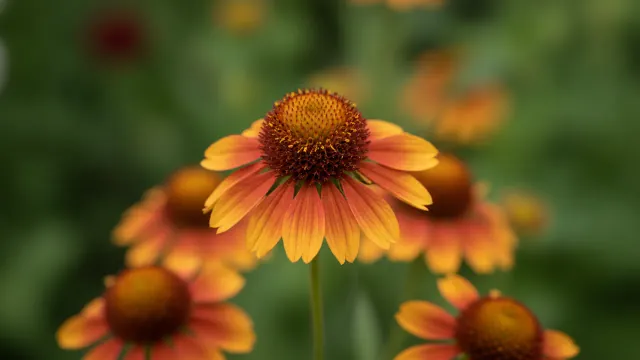
Sneezeweed
Shares full sun and moderate water; blooms in midsummer as this one finishes; its seed heads stand through winter, for structure and the birds; taller at 3.5 ft, for the layer behind it.
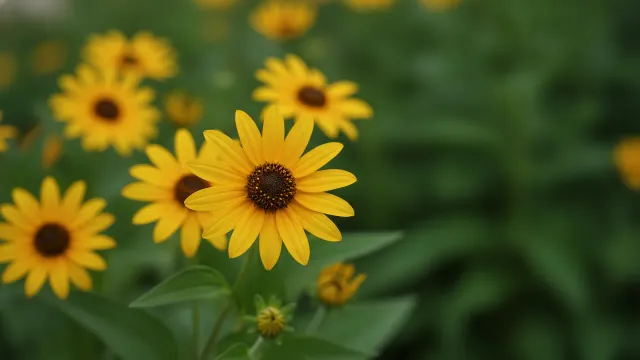
False Sunflower
Shares full sun and moderate water; blooms in midsummer as this one finishes; its seed heads stand through winter, for structure and the birds; taller at 4 ft, for the layer behind it.
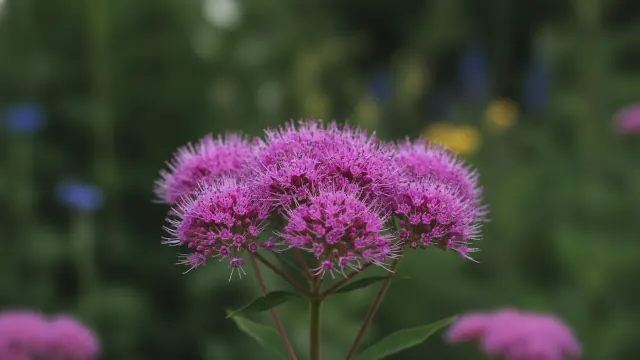
Joe Pye Weed
Shares full sun and moderate to high water; blooms in midsummer as this one finishes; its seed heads stand through winter, for structure and the birds; taller at 6 ft, for the layer behind it.
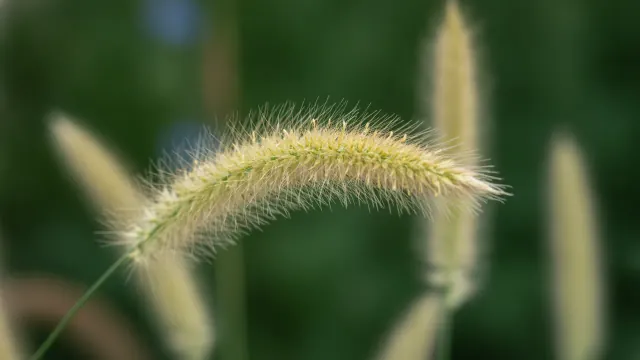
Feather Reed Grass
Shares full sun and moderate water; overlaps, then carries the display into late summer; its seed heads stand through winter, for structure and the birds; taller at 5 ft, for the layer behind it.

Sunflower
Shares full sun and moderate water; blooms in midsummer as this one finishes; its seed heads stand through winter, for structure and the birds; taller at 6.5 ft, for the layer behind it.
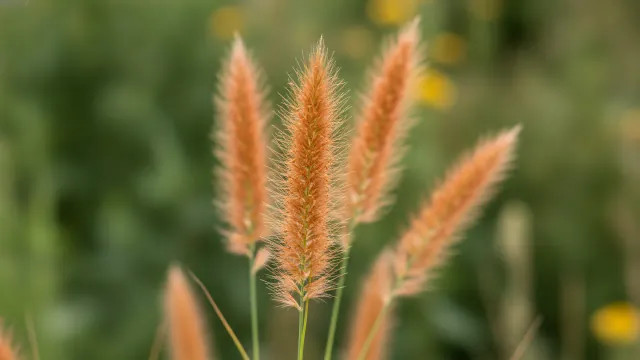
Little Bluestem
Shares full sun and low to moderate water; blooms in late summer, extending the bed's season; its seed heads stand through winter, for structure and the birds; taller at 3.5 ft, for the layer behind it.
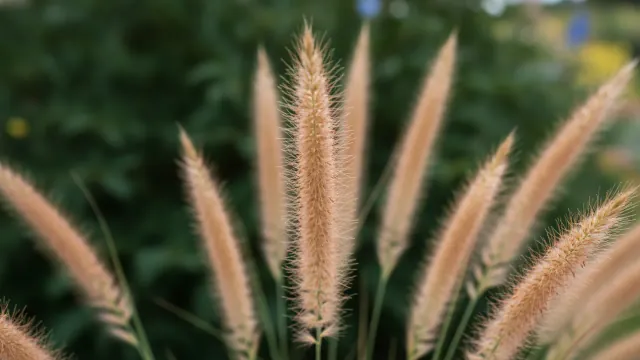
Fountain Grass
Shares full sun and low to moderate water; blooms in late summer, extending the bed's season; its seed heads stand through winter, for structure and the birds; taller at 3.5 ft, for the layer behind it.
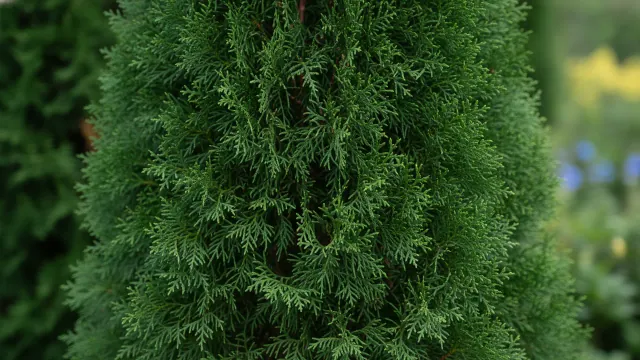
Arborvitae
Shares full sun and moderate water; evergreen, so the bed keeps its shape through winter; stands well above at 20 ft, a canopy to plant beneath.
Featured in these guides
Explore similar plants
You might also like

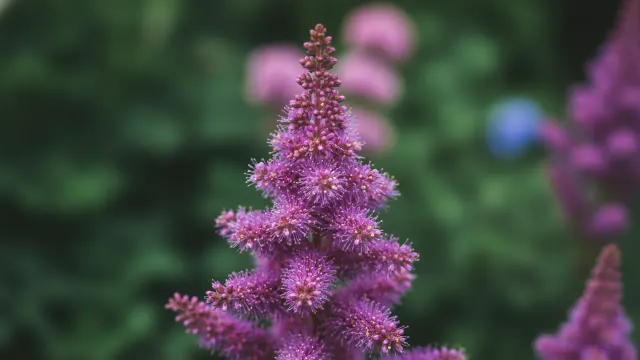
Design a garden with this
Drop this plant onto a 3D plan, see how it fills in, and watch your whole garden bloom across the year.