
Deer-resistant
Deer-Resistant Plants That Actually Flower
No plant is truly deer-proof, but plenty are reliably deer-resistant. Here is how to keep the color and lose the heartbreak.
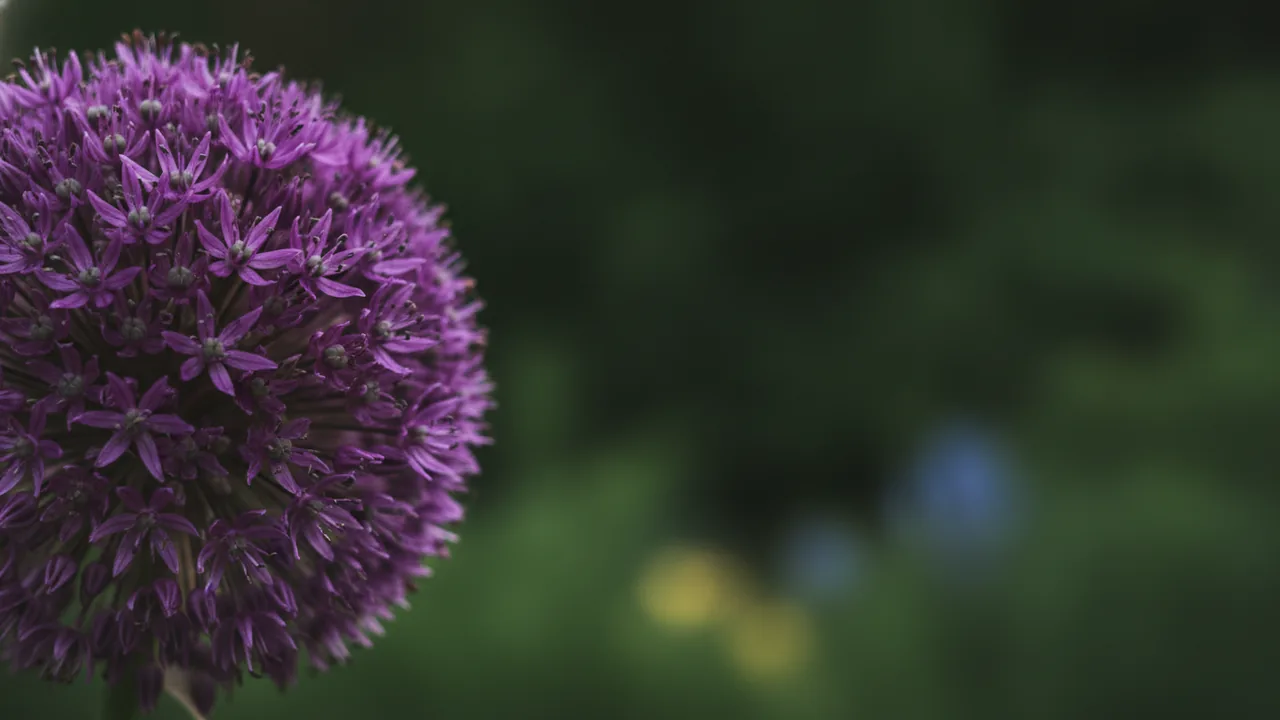
If deer pass through your garden, you already know the heartbreak of a border eaten to the ground overnight. The good news is that deer are picky, and you can stack the odds heavily in your favor by leaning on plants they dislike, without giving up color.
What flowers can I plant that deer will not eat?
Lead with strongly aromatic perennials: lavender, russian sage, catmint, salvia, and yarrow all flower for weeks, and deer avoid their scent and taste. Daffodils, which are mildly toxic to deer, are the safest spring bulb, and deer pass over ornamental alliums too. No plant is truly deer-proof, but a border built mostly from these plants sees very little damage.
Why deer skip certain plants
Deer avoid plants by smell, taste, and texture. Strongly aromatic foliage, the kind found on many herbs and aromatic perennials, tends to get passed over, along with bitter or milky sap, fuzzy or coarse leaves, and tough, leathery foliage. Heavily fragrant flowers can deter them too.
Resistant, not proof
A hungry deer in a hard winter will test almost anything. But planting mostly from the resistant list, especially around the edges where deer browse first, dramatically cuts the damage.
Aromatic plants deer tend to avoid
These are the anchors of a deer-resistant border. They are aromatic, mostly drought-tolerant, and they flower for a long stretch, which means color and protection from the same plants.
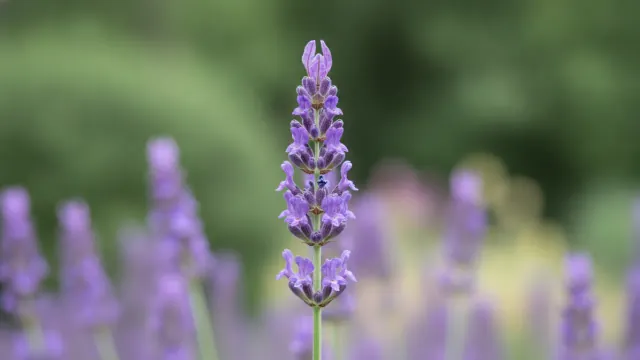
Lavandula
Deer avoid the scent, the oils, and the silvery foliage entirely. For you, weeks of fragrant purple flowers on a tough, sun-loving plant. Ideal along the edges.
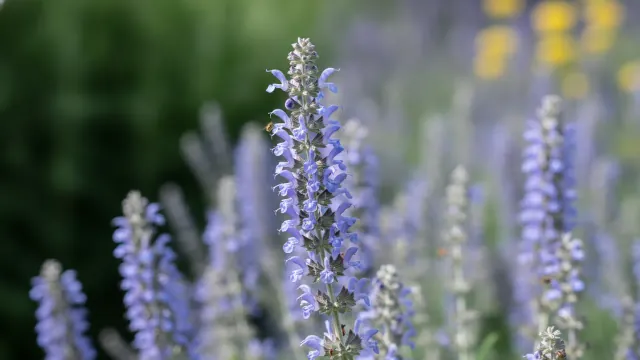
Salvia yangii
Aromatic silver stems and a violet-blue haze all summer, ignored by deer and rabbits.
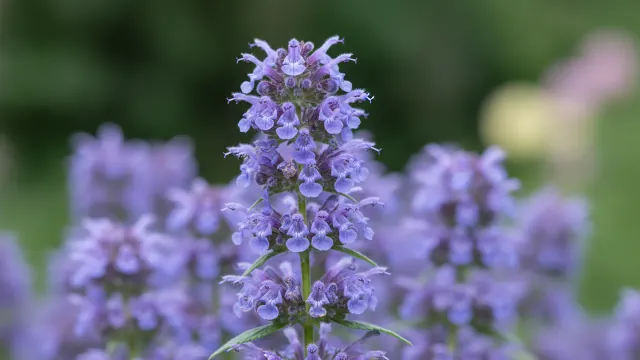
Nepeta
Fragrant foliage and a long haze of lavender-blue flowers that deer reliably skip.
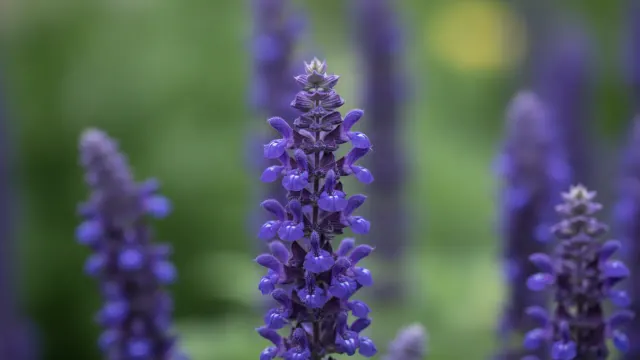
Salvia nemorosa 'Mainacht'
Aromatic leaves and deep violet spikes that rebloom and that deer leave alone.
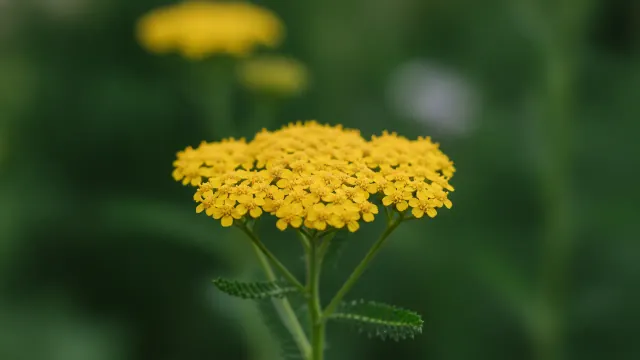
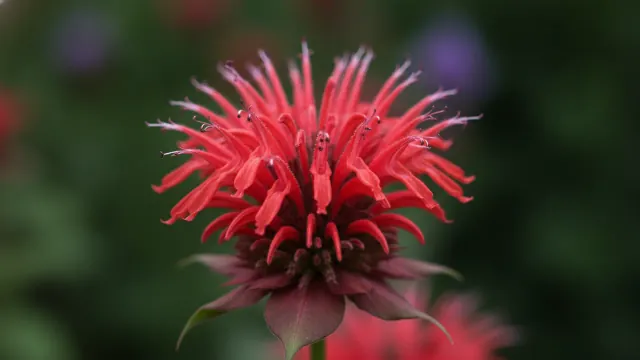
Monarda
Minty, aromatic leaves deer dislike, topped with shaggy flowers bees and hummingbirds love.
Flowers and bulbs they tend to leave
Beyond the aromatic anchors, several favorites are usually safe. Daffodils in particular are mildly toxic to deer, which is why they come back year after year while tulips nearby get eaten.
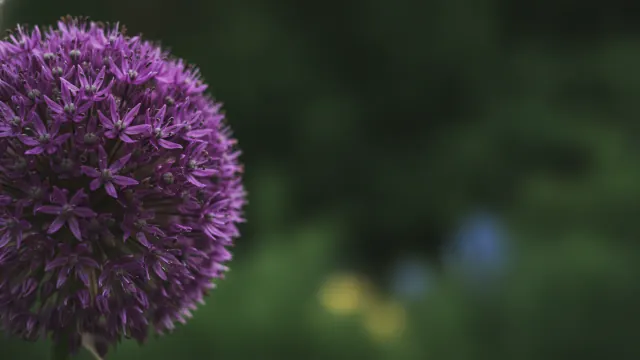
Allium 'Globemaster'
Onion-family bulbs deer avoid, with bold purple spheres in late spring and great seed heads.
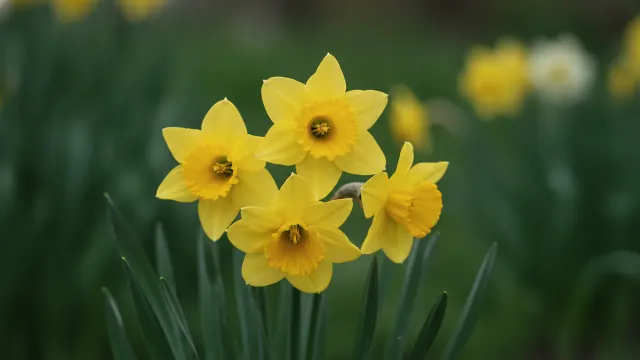
Narcissus
Reliably deer-proof spring bulbs that naturalize into bigger drifts each year.
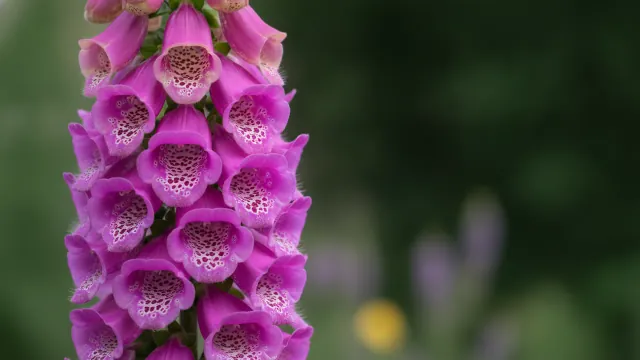
Digitalis
Tall, dramatic spires of bells that deer pass over, perfect at the back of a border.
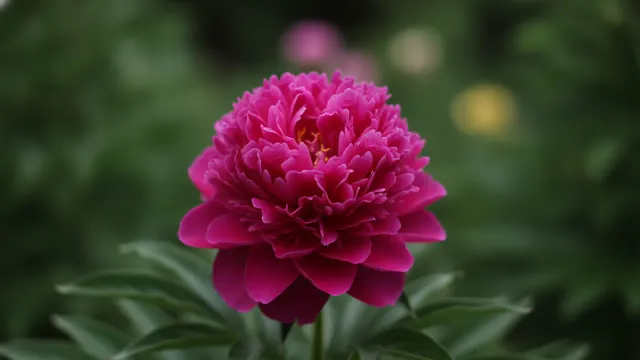
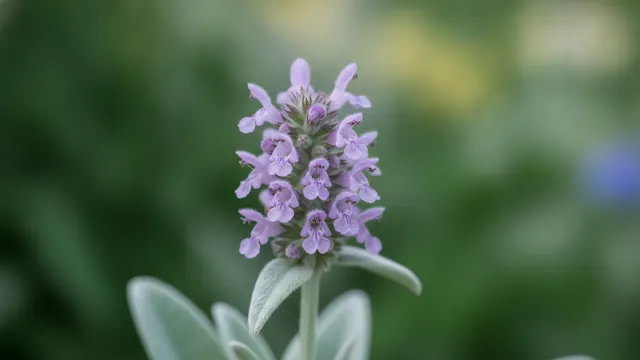
Stachys byzantina
Soft, woolly silver leaves with a texture deer dislike, useful as a front-of-border edge.
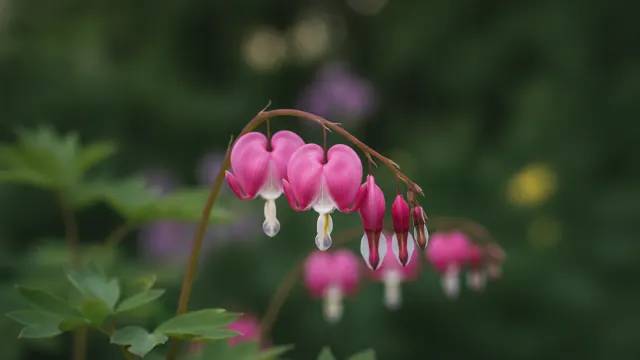
Lamprocapnos spectabilis
Arching stems of locket flowers for shade, generally left alone by browsing deer.
Build a border they tend to ignore
Anchor the planting with aromatic, tough-leaved perennials, then weave in resistant bloomers for color through the season. Put the most resistant plants on the outside, where deer browse first, and tuck anything more tempting toward the protected interior. Use the bloom calendar to keep color coming the whole season from resistant plants, so you are never tempted to slot in something the deer will treat as a salad bar.
What is the most deer-resistant flowering plant?
Strongly aromatic perennials like lavender, russian sage, catmint, and salvia are among the most reliable, because the scent and oils put deer off. Daffodils are the most deer-proof spring bulb.
Are any plants completely deer-proof?
No. Resistant is the honest word. A hungry deer in a hard winter will sample almost anything, but a border built mostly from resistant plants will see very little damage.
How do I protect a border deer keep eating?
Plant the most resistant, aromatic species around the outer edge where deer browse first, and keep more tempting plants toward the interior. Repeating fragrant plants throughout helps mask the rest.
Design a garden with these plants
Open BloomsEye Studio with this guide's plants ready to drop onto a plan, then watch the whole bed bloom across the year. New to it? See what the free garden planner does.