
Pollinators
Plants for Pollinators: Flowers Bees, Butterflies, and Hummingbirds Love
A garden buzzing with bees, butterflies, and hummingbirds starts with the right flowers. Here are the plants that feed them from spring to frost.
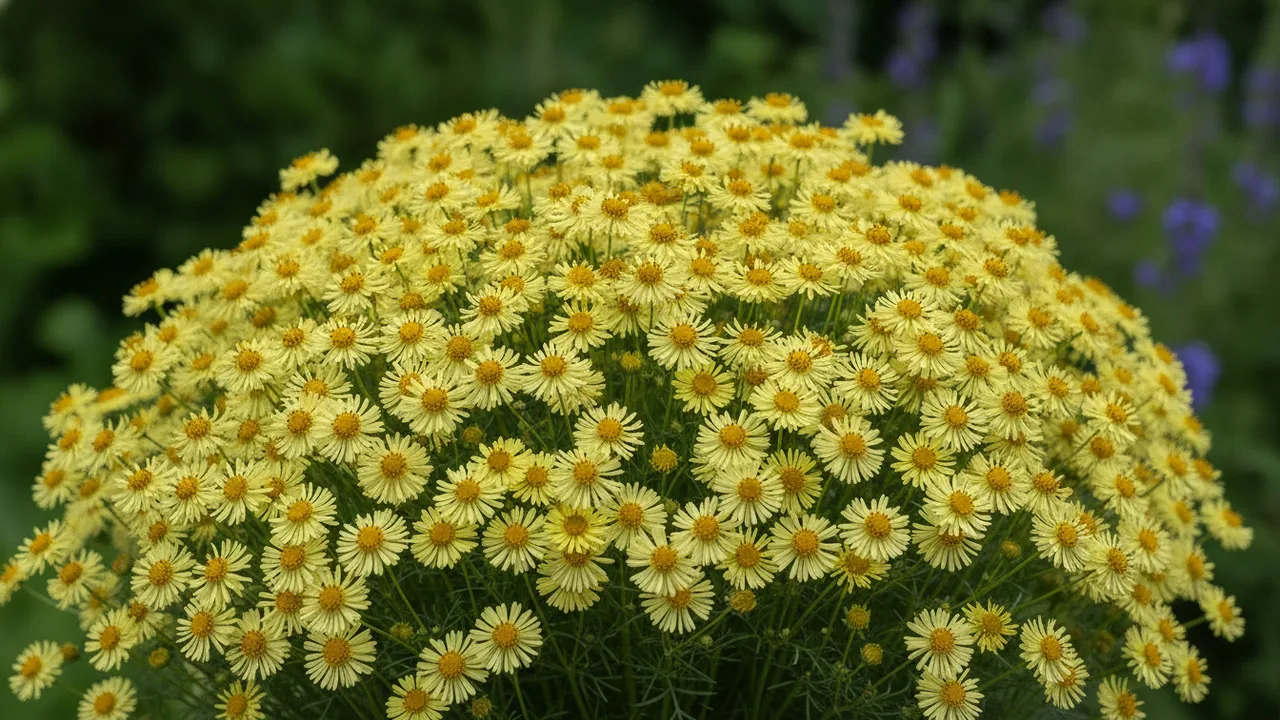
A pollinator garden is one of the most rewarding things you can plant. Give bees, butterflies, and hummingbirds a steady supply of nectar and pollen and they will arrive in numbers, and the garden comes alive with movement. The key is variety and timing: many shapes of flower, and something in bloom from early spring right through to frost.
Why native flowers matter most
Native pollinators and native plants evolved together, so native flowers tend to offer the most useful nectar and pollen, and several support insects that can use nothing else. You do not have to plant only natives, but making them the backbone of the garden does the most good. Browse native plants and pollinator-friendly plants to start.
One thing to avoid
Skip plants treated with systemic insecticides, and avoid spraying open flowers. The point of the garden is to feed pollinators, not expose them. Leaving seed heads and stems standing over winter also gives insects somewhere to shelter.
The best all-round nectar plants
These are the heavy lifters: long-blooming, easy to grow, and covered in bees and butterflies whenever they are open. A few of each will keep the garden busy through the summer.
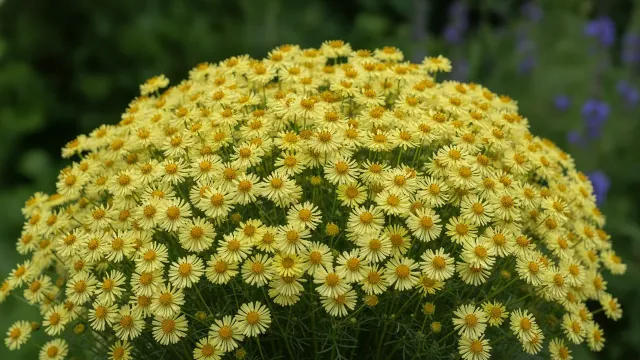
Coreopsis verticillata 'Moonbeam'
Few plants flower as long. Its airy cloud of small daisies feeds bees and butterflies from early summer into fall, and it shrugs off heat and drought.
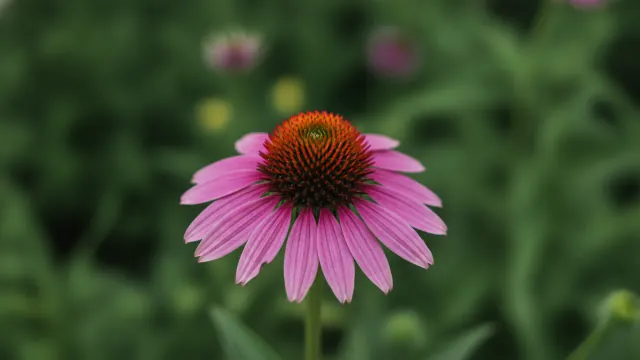
Echinacea purpurea
Big nectar-rich daisies for bees and butterflies, then seed heads that feed finches in fall.
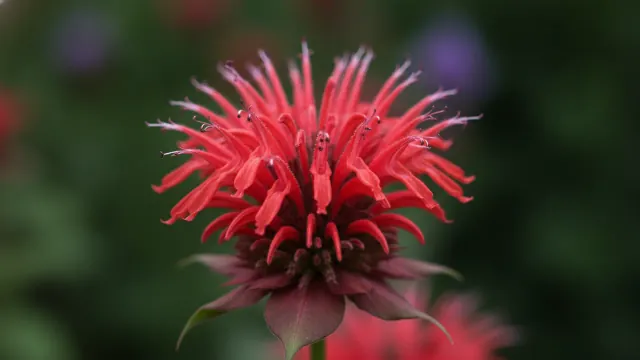
Monarda
Shaggy tubular flowers that are a magnet for bees, butterflies, and hummingbirds alike.
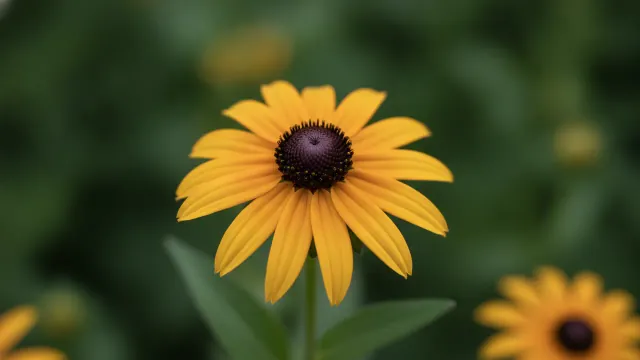
Rudbeckia
Golden daisies that bloom for months and draw a steady stream of bees and butterflies.
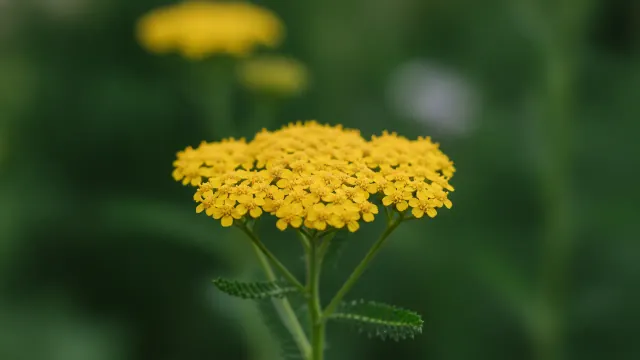
Achillea
Broad flower plates that give small native bees and beneficial insects an easy landing pad.
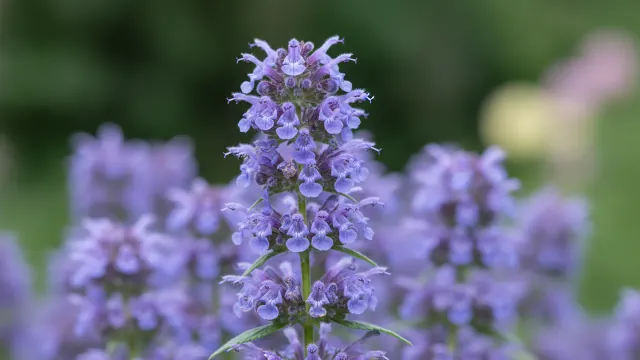
Nepeta
A long haze of lavender-blue flowers that bees work over from early summer onward.
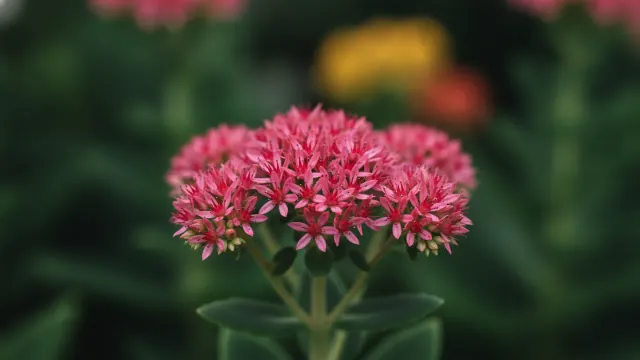
Hylotelephium 'Autumn Fire'
Late, flat flower heads that hum with bees when little else is still feeding them.
For butterflies and Monarchs
Butterflies want broad, easy-to-land-on flowers and a steady nectar supply. Monarchs need something more specific: milkweeds, the only plants their caterpillars can eat. Butterfly weed is a well-behaved, garden-friendly milkweed and one of the most valuable plants you can grow for them.
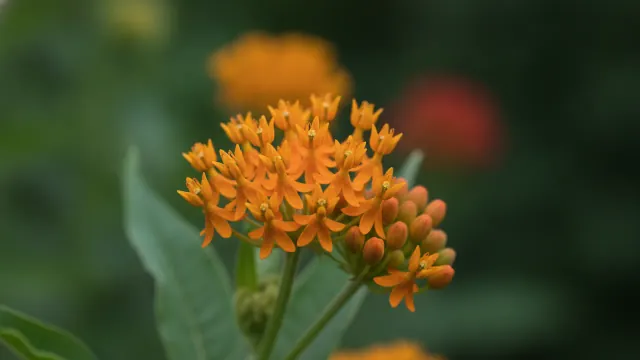
Asclepias tuberosa
A milkweed, so it is essential: Monarch caterpillars eat nothing else. Brilliant orange clusters that adult butterflies crowd onto, on a tough native.
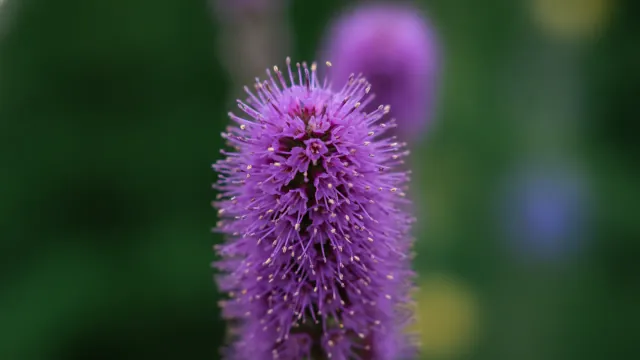
Liatris
Purple bottlebrush spikes that butterflies, especially Monarchs, work from top to bottom.
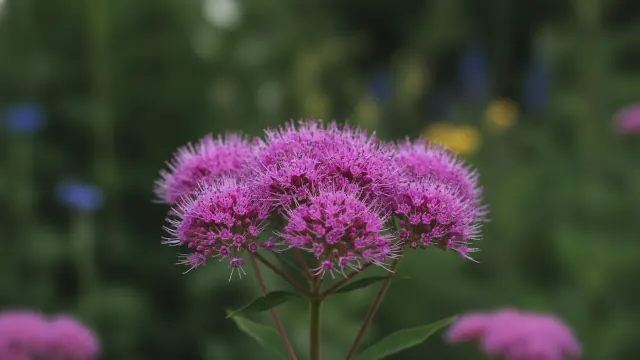
Eutrochium
Tall mauve flower heads that are a late-summer landing strip for clouds of butterflies.
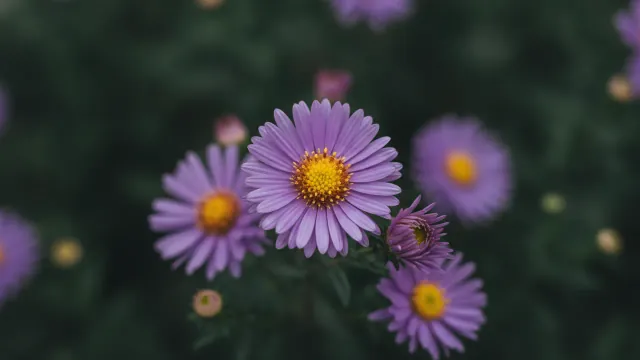
Symphyotrichum novae-angliae 'Purple Dome'
One of the most important fall nectar sources, fueling butterflies before winter.
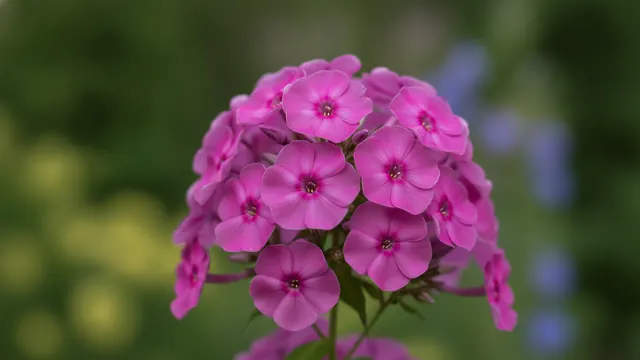
Phlox paniculata
Fragrant flower heads on long stems, a reliable summer nectar stop for butterflies.
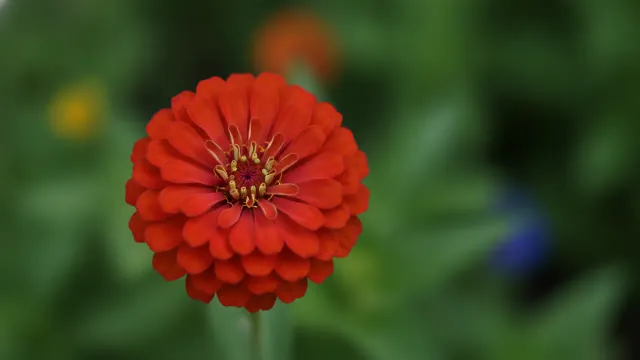
Zinnia elegans
Easy annuals that flower nonstop and act as a butterfly buffet all summer long.
For hummingbirds
Hummingbirds are drawn to tubular flowers, and they have a real weakness for red and orange. Plant a few of these where you can see them from a window and you will have a show all summer.
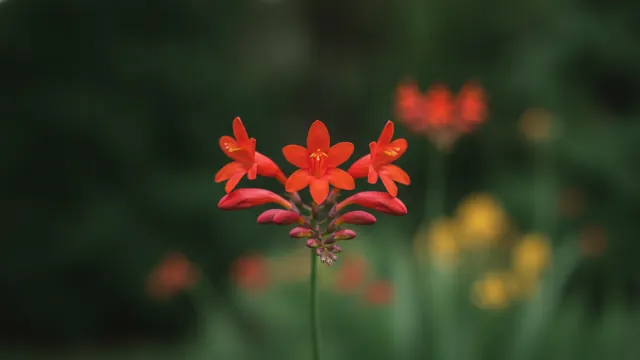
Crocosmia 'Lucifer'
Arching sprays of fiery red tubular flowers that hummingbirds return to again and again.
Monarda
Tubular red and pink flowers that are practically designed for a hummingbird's bill.
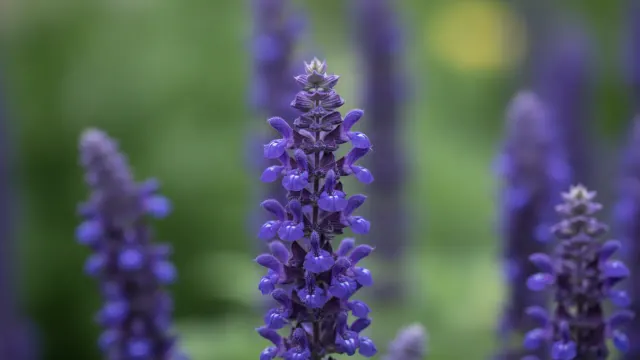
Salvia nemorosa 'Mainacht'
Spikes of tubular flowers that both hummingbirds and bees visit all summer.
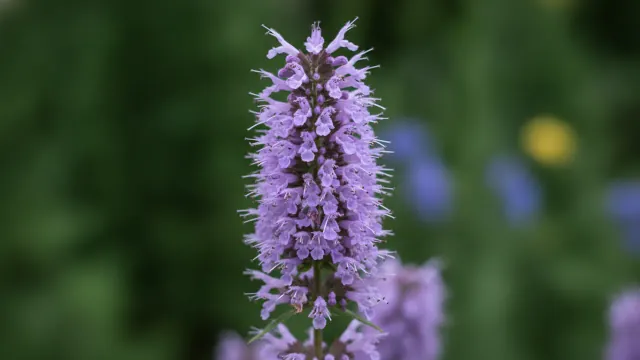
Agastache
Aromatic spikes of long, nectar-rich flowers that hummingbirds and bees adore.
Keep the food coming all season
Pollinators need fuel from the first warm days to the last. The most useful pollinator gardens have something open in every season: early flowers for the first bees, a deep bench through summer, and crucially the late bloomers like asters, goldenrod, and sedum that feed insects heading into winter. Use the bloom calendar on each plant page to make sure you have no hungry gaps.
What are the best plants for Monarch butterflies?
Milkweeds, because Monarch caterpillars eat nothing else. Butterfly weed is a tidy, garden-friendly milkweed. Add late nectar plants like asters and goldenrod to fuel the adults on their fall migration.
Do pollinator plants have to be native?
No, but natives do the most good, since local bees and butterflies evolved alongside them. Make natives the backbone and add long-blooming favorites like catmint, coneflower, and zinnia for extra nectar.
How do I attract hummingbirds?
Plant tubular flowers, especially in red and orange. Bee balm, crocosmia, salvia, and agastache are all reliable. A succession of them through summer keeps hummingbirds coming back.
Design a garden with these plants
Open BloomsEye Studio with this guide's plants ready to drop onto a plan, then watch the whole bed bloom across the year. New to it? See what the free garden planner does.