
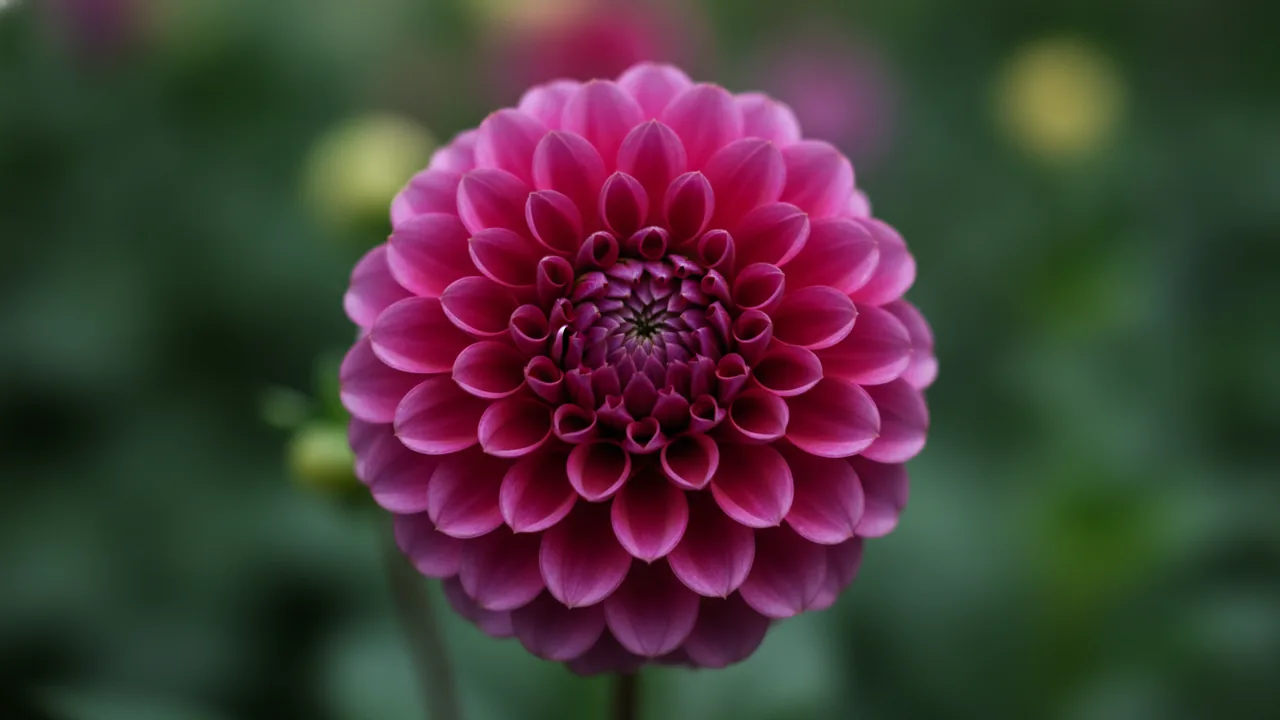
 Illustration

Dahlia
Dahlia
Dahlia blooms from July through October.
Months here are Northern Hemisphere months; in the Southern Hemisphere, shift them by six months.
Growing Dahlia
Plant it in full sun. It prefers high water. It is hardy in USDA zones 8–10. Expect it to reach about 3.5 ft tall and 1.5 ft wide at maturity, in roughly 1 year (not yet checked).
What was checked
Mature height and spread, hardiness zones, sun and the trait tags were checked against named botanical sources for this plant. The bloom months and water need on this page were not, and each fact above says which. The planting, spacing and size sections are derived from these checked facts by a fixed rule, not checked separately, and the plant type is the library's own classification.
When to plant Dahlia
Dahlia is tender: plant it out after the last frost, once the soil has warmed. In zone 9, the middle of its hardy zones 8 to 10, that means February or March; where spring comes later, it goes out later. Expect flowers from July to October.
Month-by-month timing for your zone is on the planting calendar; if you garden near zone 9, the middle of this plant's hardy range, start with zone 9 in February. Derived from the plant's category, zones and bloom months plus typical zone frost dates, not checked separately.
How big does Dahlia get?
 3.5 fttall5 ft 7 inan adult1.5 ftwide
See Dahlia in a garden plan: the planner shows it in 3D beside everything else you add, growing toward this size over the years.
Where these facts come from
Dahlia's height, spread, hardiness zones, sun and trait tags were checked against 11 published sources on July 29, 2026. Each one is linked below with every fact it carried, which can include a fact this page still marks as not yet checked, because a source carrying a value is not the same as the value being held to the standard. Facts not in that list, and the planting, spacing and size sections, are not covered by these sources.
- Missouri Botanical GardenPlant Finderheight, spread, hardiness zones, sun and trait tags
- NC State ExtensionPlant Toolboxheight, spread, hardiness zones, sun and trait tags
- catalog.extension.oregonstate.eduOregon State University Extension, Dahlias in Oregon (FS 95)hardiness zones, sun and trait tags
- Proven WinnersDahlia growing guideheight, sun and trait tags
- RHSRoyal Horticultural Society, Dahlias growing guideheight, sun and trait tags
- University of Illinois ExtensionPlant of the Week: Dahliashardiness zones, sun and trait tags
- Clemson Home and Garden Information CenterSummer- and Fall-Flowering Bulbssun and trait tags
- dahlias.comSwan Island Dahlias, How to Grow Dahliassun and trait tags
- ucanr.eduUniversity of California ANR Master Gardeners, Growing Dahliassun and trait tags
- University of Georgia ExtensionCircular 576sun and trait tags
- Iowa State University ExtensionIowa State University Yard and Garden, Planting and Caring for Tender...sun
How the checking works, and what each standard covers, is on the verified plants page.
Comes in 15 varieties across 6 colors
Same genus, similar care - pick the color you are growing.
- Arabian Night
- Bishop of Llandaff
- Bishop's Children
- Café au Lait
- Cornel
- David Howard
- Fleurel
- Gallery Art Deco
- Jowey Winnie
- Karma Choc
- Kelvin Floodlight
- Labyrinth
- Otto's Thrill
- Sylvia
- Thomas Edison
Compare every variety in the Dahlias group
Every figure is the variety's own page fact. Tap a name to open it.
| Variety | Color | Blooms | Hardiness | Sun | Size (H × W) |
|---|---|---|---|---|---|
| Arabian Night | Red | Jul–Oct | Zones 8–10 | Full sun | 3.5 ft × 1.5 ft |
| Bishop of Llandaff | Red | Jul–Oct | Zones 8–10 | Full sun | 3.5 ft × 1.5 ft |
| Bishop's Children | Red | Jul–Oct | Zones 8–10 | Full sun | 2.5 ft × 1.5 ft |
| Café au Lait | Pink | Jul–Oct | Zones 8–10 | Full sun | 3.5 ft × 2 ft |
| Cornel | Red | Jul–Oct | Zones 8–10 | Full sun | 3.5 ft × 1.5 ft |
| Dahliathis page | Pink | Jul–Oct | Zones 8–10 | Full sun | 3.5 ft × 1.5 ft |
| David Howard | Orange | Jul–Oct | Zones 8–10 | Full sun | 3 ft × 1.5 ft |
| Fleurel | White | Jul–Oct | Zones 8–10 | Full sun | 3.5 ft × 2 ft |
| Gallery Art Deco | Orange | Jul–Oct | Zones 8–10 | Full sun | 20 in × 16 in |
| Jowey Winnie | Pink | Jul–Oct | Zones 8–10 | Full sun | 3.5 ft × 1.5 ft |
| Karma Choc | Red | Jul–Oct | Zones 8–10 | Full sun | 3 ft × 1.5 ft |
| Kelvin Floodlight | Yellow | Jul–Oct | Zones 8–10 | Full sun | 3.5 ft × 2 ft |
| Labyrinth | Pink | Jul–Oct | Zones 8–10 | Full sun | 3.5 ft × 2 ft |
| Otto's Thrill | Pink | Jul–Oct | Zones 8–10 | Full sun | 3.5 ft × 2 ft |
| Sylvia | Orange | Jul–Oct | Zones 8–10 | Full sun | 3 ft × 1.5 ft |
| Thomas Edison | Purple | Jul–Oct | Zones 8–10 | Full sun | 3.5 ft × 2 ft |
Good to know about Dahlia
Curated from university extensions, botanic gardens and other primary sources, with the source named on every note. A note reports what its source says; where that differs from a fact above, the fact above is this entry's stored value, and its mark says whether it has been checked.
Safety
Toxic to dogs, cats and horses, causing mild stomach upset and mild dermatitis. The leaves and tubers can also irritate skin, worse with sun exposure. per ASPCA and NC State
Worth knowing
It is a heavy drinker, yet standing water rots the tubers. That is why every source pairs deep watering with sharp, well-drained soil. per NC State and UC IPM
Leave in ground, or dig?
In zones 7 to 10, NC State says tubers can stay under heavy mulch; UGA calls that unwise and digs them. Wet winters rot them, so lifting is safer. per NC State and UGA
Dahlia mosaic virus
There is no cure and no resistant variety. Start with certified virus-free tubers, pull and destroy mottled plants, and sanitize tools; aphid sprays do not stop it. per Utah State and University of Maine
Lift and store tubers
In cold zones, dig the clumps after frost, cure them a few days, then store at 2 to 10 C (35 to 50 F) in dry peat or sand. per Wisconsin and UGA
Tall types need staking
Tall dahlias flop under big, wind-catching heads. Drive a stake about 1.8 m (6 ft) long at planting so you do not spear the tubers later. per NC State and UGA
Attracts bees and butterflies
Dahlias attract butterflies, bees, and hummingbirds, and their long summer-to-frost bloom keeps feeding them late in the season. per NC State
What pairs well with Dahlia
Good companions share its growing conditions and add something it lacks: an earlier or later bloom, a lower carpet in front, or structure through winter.
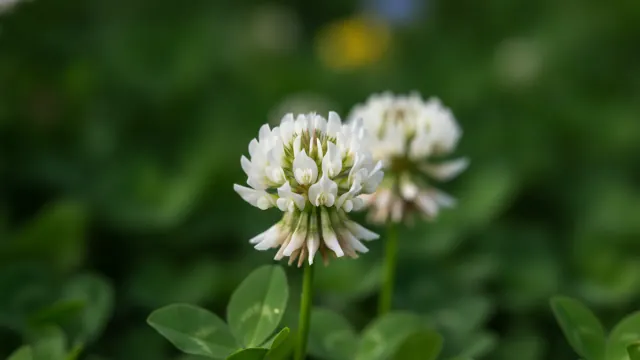
White Clover
Shares full sun and moderate to high water; opens in late spring and overlaps into this one's season; low at 4 in, to carpet the ground beneath; both are strong pollinator plants.
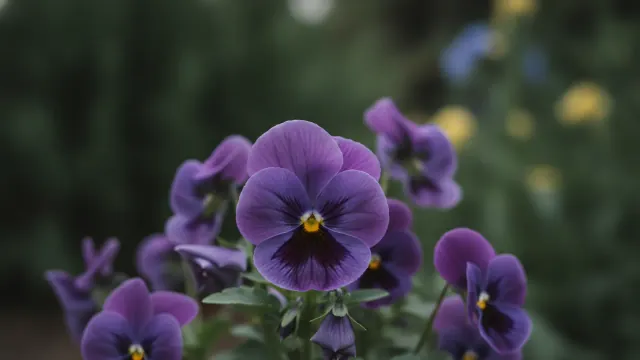
Pansy
Takes full sun to part sun and moderate to high water; blooms in early spring, before this one opens; lower at 8 in, for the front of the border; both offer pollinator forage, in different months.
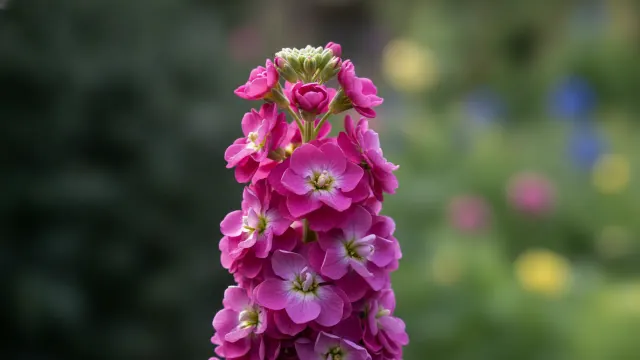
Stock
Shares full sun and moderate to high water; blooms in mid spring, before this one opens; both offer pollinator forage, in different months; lower at 1.5 ft, for the front of the border.
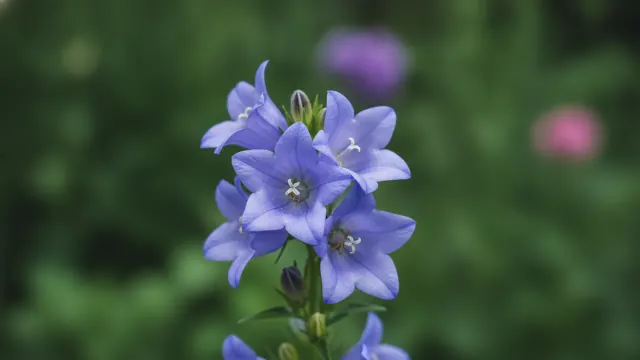
Canterbury Bells
Shares full sun and moderate to high water; blooms in late spring, before this one opens; both offer pollinator forage, in different months; lower at 2.5 ft, for the front of the border.
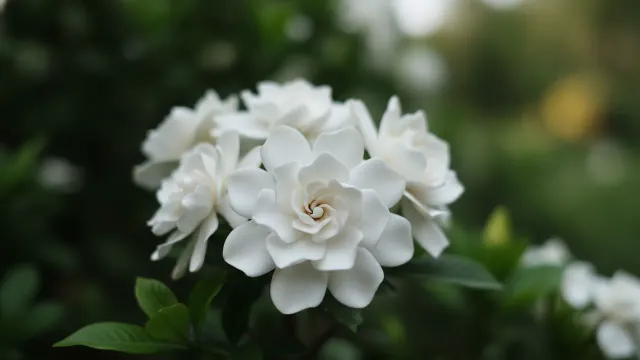
Gardenia
Takes full sun to part sun and high water; opens in late spring and overlaps into this one's season; evergreen, so the bed keeps its shape through winter; its white flowers settle the pink.
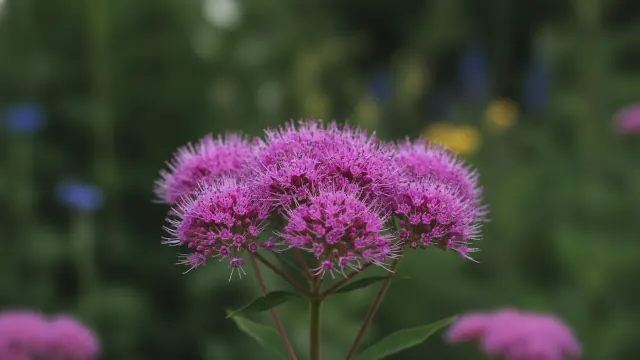
Joe Pye Weed
Shares full sun and high water; both are strong pollinator plants; its seed heads stand through winter, for structure and the birds; echoes the pink; they only overlap in zones 8 to 9.

Winterberry
Shares full sun and high water; overlaps, then carries the display into early winter; both are strong pollinator plants; red sits close to pink on the wheel; they only overlap in zones 8 to 9.
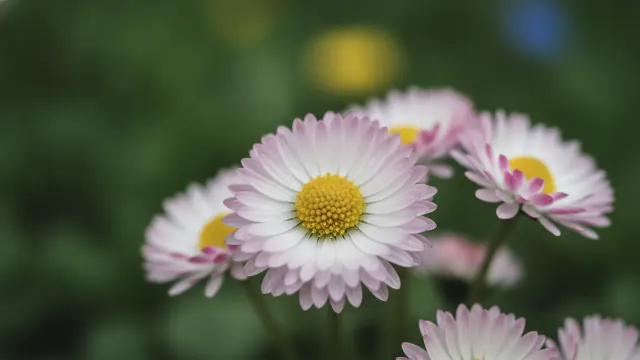
English Daisy
Shares full sun and moderate to high water; blooms in mid spring, before this one opens; low at 6 in, to carpet the ground beneath; both offer pollinator forage, in different months; they only overlap in zone 8.
Featured in these guides
Explore similar plants
You might also like
Design a garden with this
Drop this plant onto a 3D plan, see how it fills in, and watch your whole garden bloom across the year.