
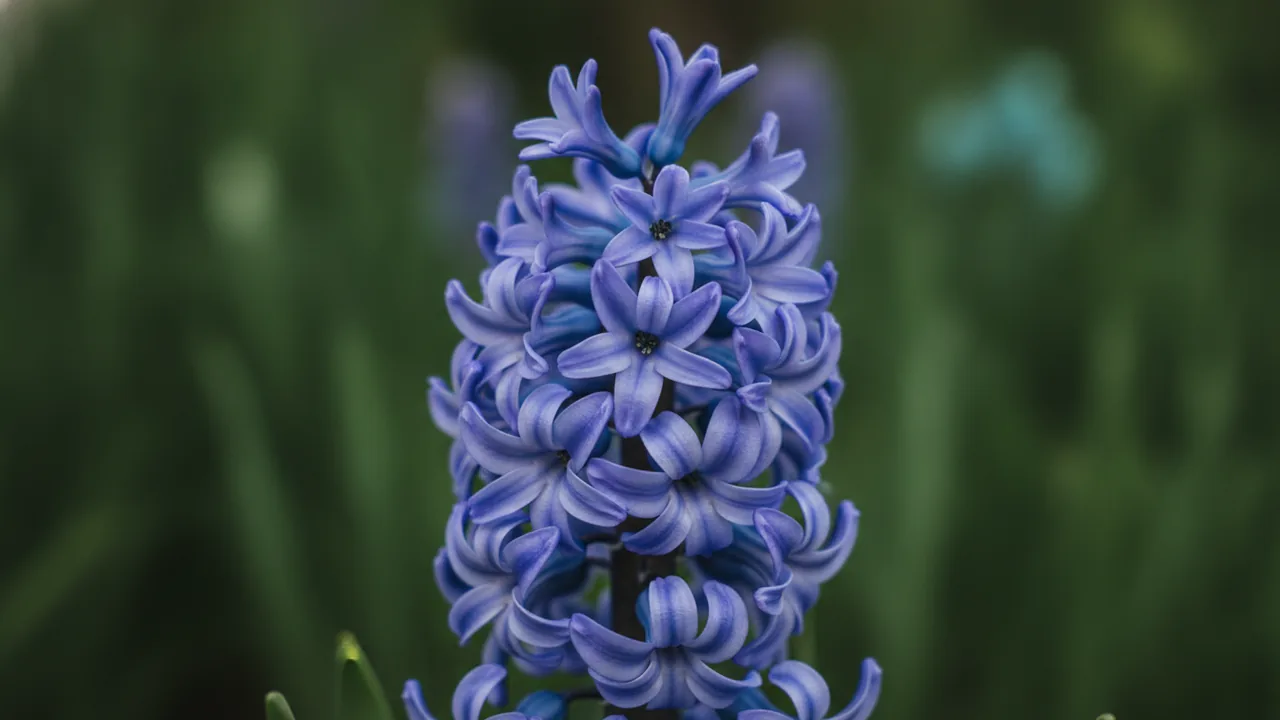
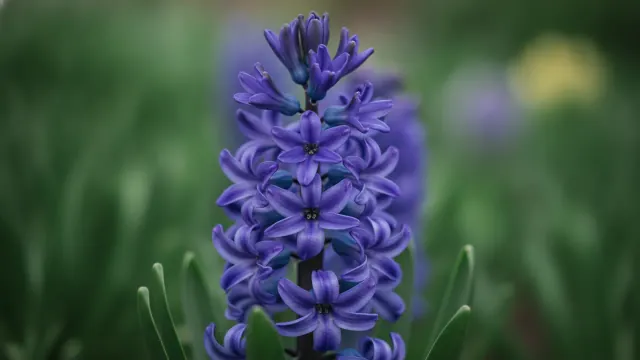
 Illustration

Hyacinth
Hyacinthus orientalis
Hyacinth blooms from March through April.
Months here are Northern Hemisphere months; in the Southern Hemisphere, shift them by six months.
Growing Hyacinth
Plant it in full sun. It prefers moderate water. It is hardy in USDA zones 4–8. Expect it to reach about 10 in tall and 5 in wide at maturity, in roughly 1 year (not yet checked).
What was checked
Mature height and spread, hardiness zones, sun and the trait tags were checked against named botanical sources for this plant. The bloom months and water need on this page were not, and each fact above says which. The planting, spacing and size sections are derived from these checked facts by a fixed rule, not checked separately, and the plant type is the library's own classification.
When to plant Hyacinth
Hyacinth is a fall-planted bulb: get it in the ground 6 to 8 weeks before the ground freezes, typically September or October in zone 6, the middle of its hardy zones 4 to 8. It pays you back the following March to April.
Month-by-month timing for your zone is on the planting calendar; if you garden near zone 6, the middle of this plant's hardy range, start with zone 6 in September. Derived from the plant's category, zones and bloom months plus typical zone frost dates, not checked separately.
How big does Hyacinth get?
 10 intall5 ft 7 inan adult5 inwide
See Hyacinth in a garden plan: the planner shows it in 3D beside everything else you add, growing toward this size over the years.
Where these facts come from
Hyacinth's height, spread, hardiness zones, sun and trait tags were checked against 8 published sources on July 30, 2026. Each one is linked below with every fact it carried, which can include a fact this page still marks as not yet checked, because a source carrying a value is not the same as the value being held to the standard. Facts not in that list, and the planting, spacing and size sections, are not covered by these sources.
- Missouri Botanical GardenHyacinthus orientalis, the speciesheight, spread, hardiness zones, sun and trait tags
- Missouri Botanical GardenHyacinthus orientalis 'Blue Jacket'height, spread, hardiness zones, sun and trait tags
- Missouri Botanical GardenHyacinthus orientalis 'Woodstock'height, spread, hardiness zones, sun and trait tags
- NC State ExtensionHyacinthus orientalisheight, spread, hardiness zones, sun and trait tags
- Missouri Botanical GardenHyacinthus orientalis 'Jan Bos'height, spread, hardiness zones and trait tags
- RHSHyacinthus orientalis, common hyacinthheight, spread, sun and trait tags
- Clemson Home and Garden Information Centerits Hyacinths sectionsun and trait tags
- University of Georgia ExtensionUGA Cooperative Extension, Flowering Bulbs for Georgia Gardens B918 (H...height and trait tags
How the checking works, and what each standard covers, is on the verified plants page.
Comes in 11 varieties across 7 colors
Same genus, similar care - pick the color you are growing.
- Anna Marie
- Blue Jacket
- Carnegie
- City of Haarlem
- Delft Blue
- Gipsy Queen
- Jan Bos
- Miss Saigon
- Pink Pearl
- Splendid Cornelia
- Woodstock
Compare every variety in the Hyacinth group
Every figure is the variety's own page fact. Tap a name to open it.
| Variety | Color | Blooms | Hardiness | Sun | Size (H × W) |
|---|---|---|---|---|---|
| Anna Marie | Pink | Mar–Apr | Zones 4–8 | Full sun | 10 in × 5 in |
| Blue Jacket | Blue | Mar–Apr | Zones 4–8 | Full sun | 10 in × 5 in |
| Carnegie | White | Mar–Apr | Zones 4–8 | Full sun | 10 in × 5 in |
| City of Haarlem | Yellow | Mar–Apr | Zones 4–8 | Full sun | 10 in × 5 in |
| Delft Blue | Blue | Mar–Apr | Zones 4–8 | Full sun | 10 in × 5 in |
| Gipsy Queen | Orange | Mar–Apr | Zones 4–8 | Full sun | 10 in × 5 in |
| Hyacinththis page | Blue | Mar–Apr | Zones 4–8 | Full sun | 10 in × 5 in |
| Jan Bos | Red | Mar–Apr | Zones 4–8 | Full sun | 10 in × 5 in |
| Miss Saigon | Purple | Mar–Apr | Zones 4–8 | Full sun | 10 in × 5 in |
| Pink Pearl | Pink | Mar–Apr | Zones 4–8 | Full sun | 10 in × 5 in |
| Splendid Cornelia | Purple | Mar–Apr | Zones 4–8 | Full sun | 10 in × 5 in |
| Woodstock | Purple | Mar–Apr | Zones 4–8 | Full sun | 10 in × 5 in |
Good to know about Hyacinth
Curated from university extensions, botanic gardens and other primary sources, with the source named on every note. A note reports what its source says; where that differs from a fact above, the fact above is this entry's stored value, and its mark says whether it has been checked.
Safety
Toxic to dogs, cats and horses; all parts, and the bulb most of all. Eating it causes drooling, intense vomiting and diarrhea. per ASPCA
Worth knowing
One chemistry does three jobs: the calcium oxalate that makes the bulbs deer and rodent proof is the same stuff that poisons pets and gives bare hands 'hyacinth itch'. per NC State and Clemson
How deep to plant
Two rules of thumb differ, but for a standard bulb both land at 4 to 6 in deep. Plant deeper in light or sandy soil, shallower in heavy soil. per Clemson and University of Maryland
Force it for winter scent
A classic bulb to force indoors: give it 12 to 15 weeks of cold near 40 to 45 F, then a cool bright spot for flowers in weeks. per Iowa State and Wisconsin
Deer and squirrel proof
A reliable pick where deer and squirrels are a problem: they rarely touch the toxic, bitter bulbs, unlike tulips and crocus, which rodents love to dig up. per NC State and Clemson
Wear gloves when planting
Handling dry bulbs can cause 'hyacinth itch', an irritant rash from sharp calcium oxalate crystals in the bulb. Wear gloves and the problem goes away. per NC State and Clemson
Bloom fades over years
Left in the ground it needs no lifting, but the show fades: spikes loosen and flowers shrink year over year. Roman (multiflora) types are smaller but more persistent. per NC State and Clemson
What pairs well with Hyacinth
Good companions share its growing conditions and add something it lacks: an earlier or later bloom, a lower carpet in front, or structure through winter.
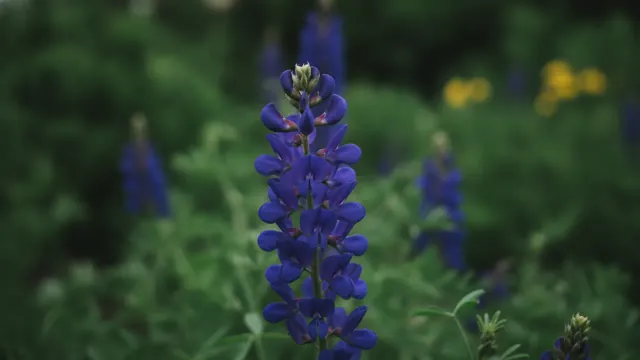
False Indigo
Shares full sun and low to moderate water; blooms in late spring as this one finishes; leafs out to hide the ripening bulb foliage as it dies back; taller at 3.5 ft, for the layer behind it.
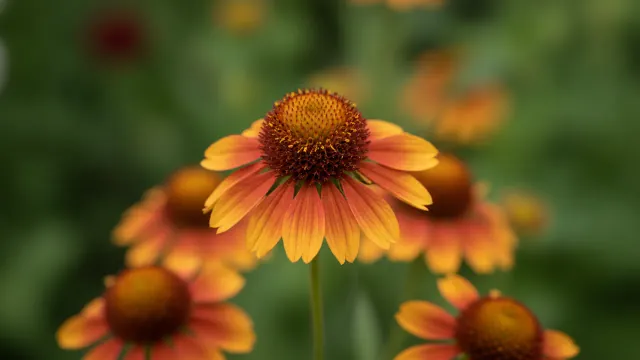
Sneezeweed
Shares full sun and moderate water; blooms in midsummer, extending the bed's season; taller at 3.5 ft, for the layer behind it; both offer pollinator forage, in different months.

Perennial Sunflower
Shares full sun and moderate water; blooms in late summer, extending the bed's season; taller at 5 ft, for the layer behind it; both offer pollinator forage, in different months.
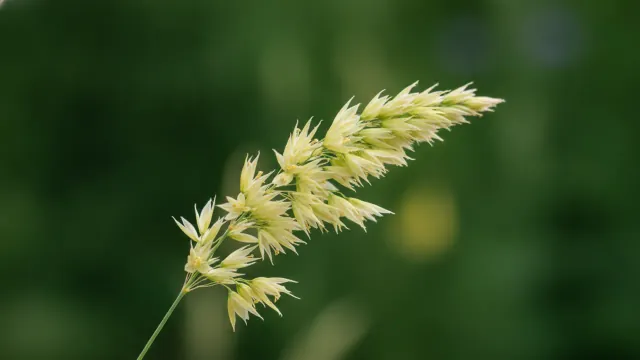
Blue Oat Grass
Shares full sun and low to moderate water; leafs out to hide the ripening bulb foliage as it dies back; blooms in early summer, extending the bed's season; evergreen, so the bed keeps its shape through winter.
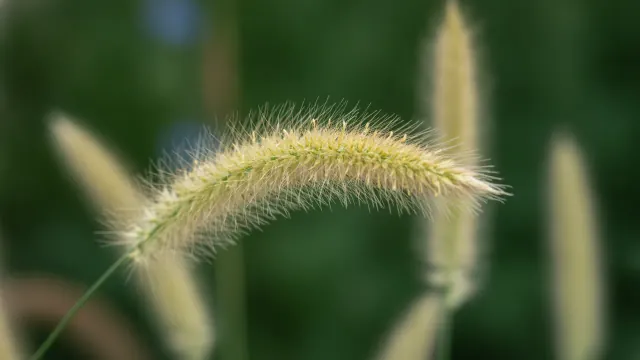
Feather Reed Grass
Shares full sun and moderate water; blooms in early summer, extending the bed's season; taller at 5 ft, for the layer behind it; its seed heads stand through winter, for structure and the birds.
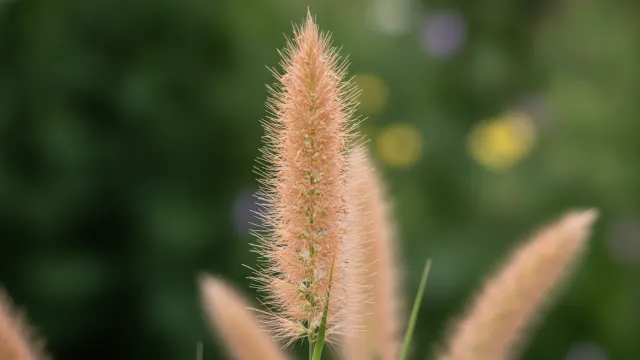
Switchgrass
Shares full sun and low to moderate water; blooms in late summer, extending the bed's season; taller at 5 ft, for the layer behind it; both offer pollinator forage, in different months.
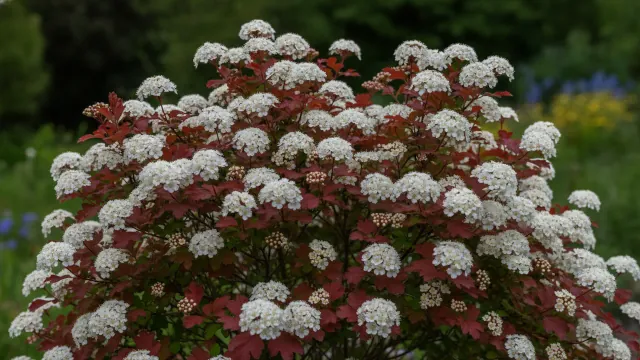
Ninebark
Shares full sun and moderate water; blooms in late spring as this one finishes; stands well above at 6.5 ft, a canopy to plant beneath; both offer pollinator forage, in different months.
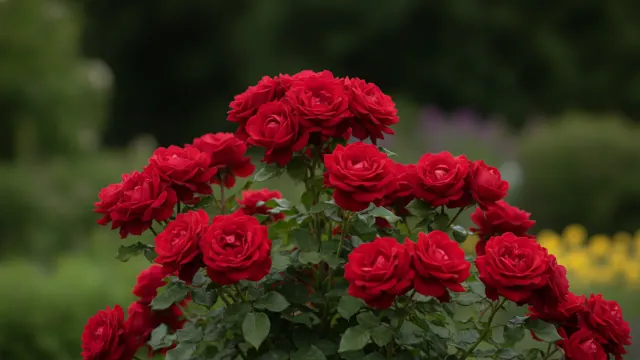
Hybrid Tea Rose
Shares full sun and moderate water; blooms in late spring as this one finishes; taller at 4 ft, for the layer behind it; both offer pollinator forage, in different months.
Featured in these guides
Explore similar plants
You might also like

Design a garden with this
Drop this plant onto a 3D plan, see how it fills in, and watch your whole garden bloom across the year.