
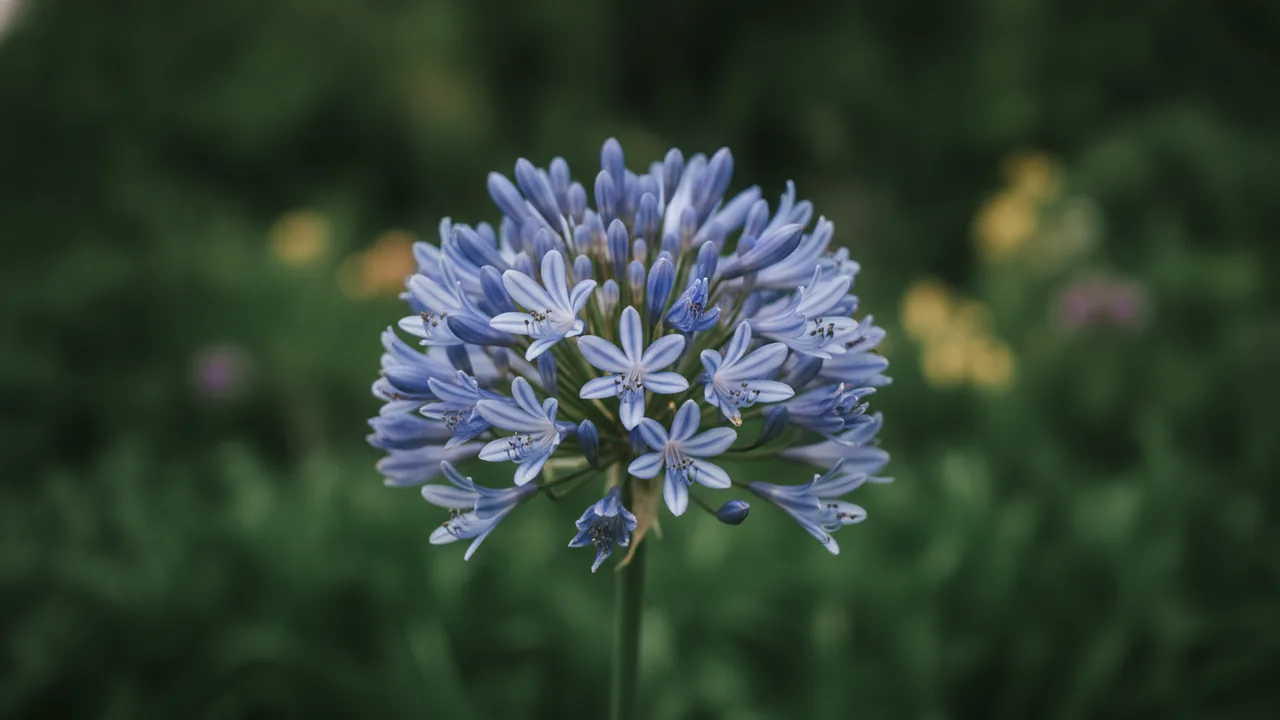
 Illustration

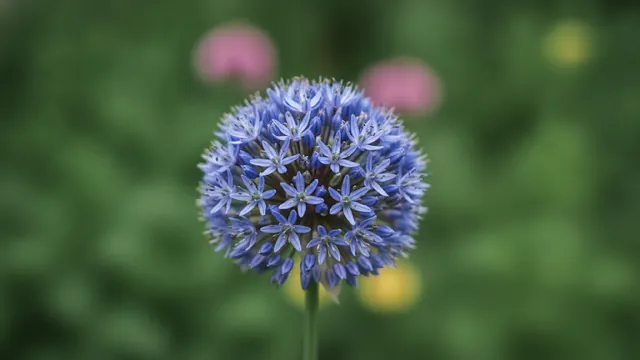
Agapanthus
Agapanthus
Agapanthus blooms from June through August.
Months here are Northern Hemisphere months; in the Southern Hemisphere, shift them by six months.
Growing Agapanthus
Plant it in full sun. It prefers moderate water. It is hardy in USDA zones 7–11. Expect it to reach about 2.5 ft tall and 1.5 ft wide at maturity, in roughly 2 years (a house reading).
What was checked
Fifteen fields were checked against named botanical sources, each recorded beside the sources that carried it, with every unsettled point written down and decided: mature height and spread, hardiness zones, sun, water, bloom months and color, the trait tags, soil, diseases, pests, toxicity, the plant's own names, and years to mature size, which rests on a recorded house rule where no publisher states one and is marked so. Each fact above carries its own mark. The planting, spacing and size sections are derived from these checked facts by a fixed rule, not checked separately, and the plant type is the library's own classification.
When to plant Agapanthus
Agapanthus is a summer bulb planted in spring: get it in after the last frost, once the soil has warmed, March or April in zone 8, the middle of its hardy zones 7 to 11. It is hardy in zones 7 to 11, where it can stay in the ground over winter; colder than zone 7, lift and store it before the ground freezes. Expect flowers from June to August.
Month-by-month timing for your zone is on the planting calendar; if you garden near zone 8, the middle of this plant's hardy range, start with zone 8 in March. Derived from the plant's category, zones and bloom months plus typical zone frost dates, not checked separately.
How big does Agapanthus get?
 2.5 fttall5 ft 7 inan adult1.5 ftwide
See Agapanthus in a garden plan: the planner shows it in 3D beside everything else you add, growing toward this size over the years.
Where these facts come from
Agapanthus' height, spread, hardiness zones, sun, water, bloom months and color, trait tags, soil, diseases, pests and toxicity were checked against 12 published sources on August 20, 2026. Each one is linked below with every fact it carried, which can include a fact this page still marks as not yet checked, because a source carrying a value is not the same as the value being held to the standard. Facts not in that list, and the planting, spacing and size sections, are not covered by these sources.
- SANBI PlantZAfricaAgapanthus praecoxheight, sun, water, bloom months and color, trait tags, soil, diseases, pests and toxicity
- University of Florida IFASUF/IFAS Gardening Solutionsheight, spread, hardiness zones, sun, bloom months and color, trait tags, soil, diseases and pests
- Missouri Botanical Gardengroupheight, spread, hardiness zones, sun, water, bloom months and color, trait tags and diseases
- NC State Extensiongenus pagehardiness zones, sun, bloom months and color, trait tags, soil, diseases, pests and toxicity
- NC State ExtensionPlant Toolbox - Agapanthus praecoxheight, spread, hardiness zones, sun, bloom months and color, trait tags, diseases and toxicity
- University of Florida IFASUF/IFAS Extension Charlotte Countyheight, spread, sun, water, trait tags, soil and toxicity
- University of Wisconsin HorticultureUniversity of Wisconsin-Madison Division of Extension - Wisconsin Hort...hardiness zones, sun, water, bloom months and color, trait tags and toxicity
- Missouri Botanical GardenAgapanthus africanusheight, spread, hardiness zones, sun and trait tags
- SANBI PlantZAfricaAgapanthus campanulatusheight, hardiness zones, sun and trait tags
- SANBI PlantZAfricaAgapanthus africanusheight, sun and trait tags
- Clemson Home and Garden Information CenterClemson Cooperative Extension Home & Garden Information Centerspread and trait tags
- RHSRoyal Horticultural Societyheight and sun
How the checking works, and what each standard covers, is on the verified plants page.
Comes in 6 varieties across 2 colors
Same genus, similar care - pick the color you are growing.
Compare every variety in the Agapanthus group
Every figure is the variety's own page fact. Tap a name to open it.
| Variety | Color | Blooms | Hardiness | Sun | Size (H × W) |
|---|---|---|---|---|---|
| Agapanthusthis page | Blue | Jun–Aug | Zones 7–11 | Full sun | 2.5 ft × 1.5 ft |
| Midnight Blue | Blue | Jun–Aug | Zones 7–11 | Full sun | 24 in × 20 in |
| Peter Pan | Blue | Jun–Aug | Zones 7–11 | Full sun | 16 in × 16 in |
| Snowball | White | Jun–Aug | Zones 8–11 | Full sun | 20 in × 20 in |
| Storm Cloud | Blue | Jun–Aug | Zones 7–11 | Full sun | 3.5 ft × 2 ft |
| Twister | Blue | Jun–Aug | Zones 7–10 | Full sun | 3.5 ft × 2.5 ft |
| White | White | Jun–Aug | Zones 8–11 | Full sun | 2.5 ft × 1.5 ft |
Good to know about Agapanthus
Curated from university extensions, botanic gardens and other primary sources, with the source named on every note. A note reports what its source says; where that differs from a fact above, the fact above is this entry's stored value, and its mark says whether it has been checked.
Safety
The sap irritates skin, eyes and mouth (bitter steroidal saponins), and chewing causes vomiting and drooling in pets. It is not a true lily and causes no kidney failure. per Pet Poison Helpline and North Carolina
Worth knowing
Agapanthus flowers best when its roots are crowded or pot-bound, so resist the urge to divide or space it out; disturbed clumps may skip bloom for a year. per North Carolina
Hardiness depends on the type
It splits by type: evergreen kinds are tender (roughly zone 8 to 11, best in pots up north), deciduous kinds are hardier, some to zone 6. Identify yours before siting. per North Carolina and Wisconsin
Deer and rabbit resistant
Deer seldom touch it and rabbits avoid it too: the bitter, pungent onion-family (Amaryllidaceae) chemistry deters browsers. A reliable choice in deer country. per North Carolina and Clemson
Sharp drainage matters most
Excess water is the main enemy: it rots the rhizomes, invites gray mold, and kills crowns in winter. Well-drained soil plus a dry winter rest fixes all at once. per Wisconsin and Missouri Botanical Garden
Draws bees and hummingbirds
The tubular summer flowers pull in bees (including honeybees), butterflies and hummingbirds over a long bloom, giving real nectar value. per University of Florida
Plant the rhizomes shallow
Set rhizomes only about 1 in deep, just covering the roots, never deep. Space dwarf types about 8 in apart, large ones 18 to 24 in. per North Carolina and University of Florida
What pairs well with Agapanthus
Good companions share its growing conditions and add something it lacks: an earlier or later bloom, a lower carpet in front, or structure through winter.
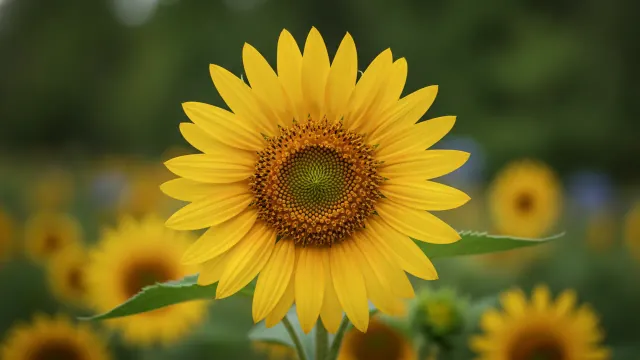
Perennial Sunflower
Shares full sun and moderate water; overlaps, then carries the display into mid fall; its seed heads stand through winter, for structure and the birds; both offer pollinator forage.
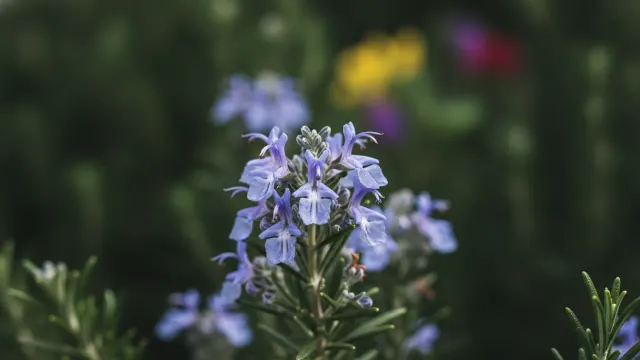
Rosemary
Shares full sun and low to moderate water; blooms in early spring, before this one opens; both offer pollinator forage, in different months; evergreen, so the bed keeps its shape through winter.
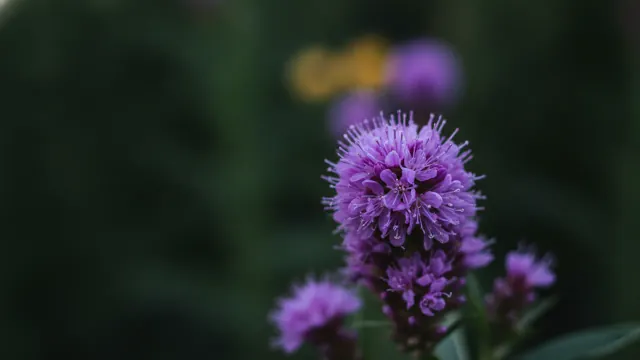
Ironweed
Shares full sun and moderate water; overlaps, then carries the display into early fall; its seed heads stand through winter, for structure and the birds; both offer pollinator forage.
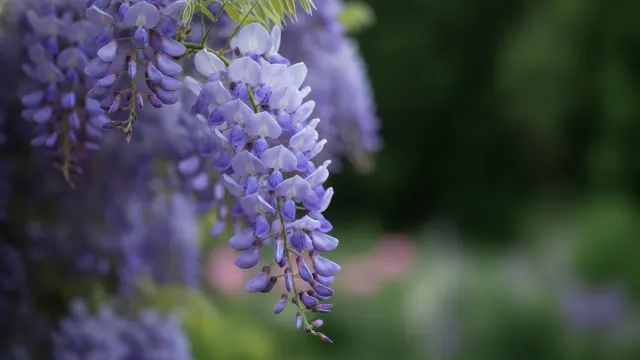
Wisteria
Shares full sun and moderate water; blooms in mid spring, before this one opens; both offer pollinator forage, in different months; purple sits close to blue on the wheel.
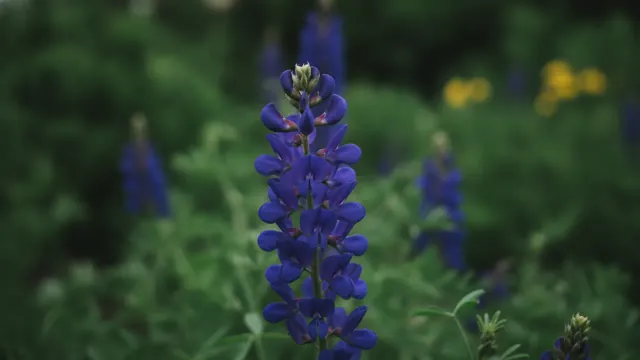
False Indigo
Shares full sun and low to moderate water; opens in late spring and overlaps into this one's season; its seed heads stand through winter, for structure and the birds; both offer pollinator forage.
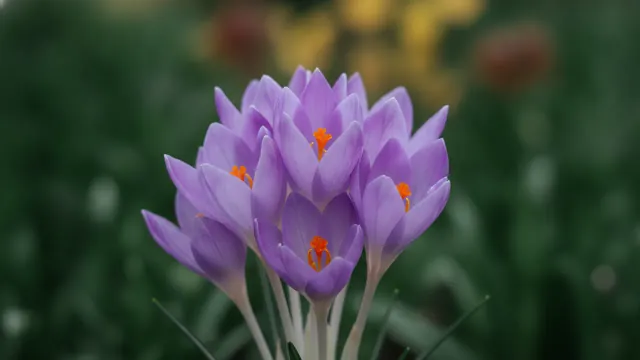
Autumn Crocus
Shares full sun and moderate water; blooms in early fall as this one finishes; lower at 6 in, for the front of the border; both offer pollinator forage, in different months.
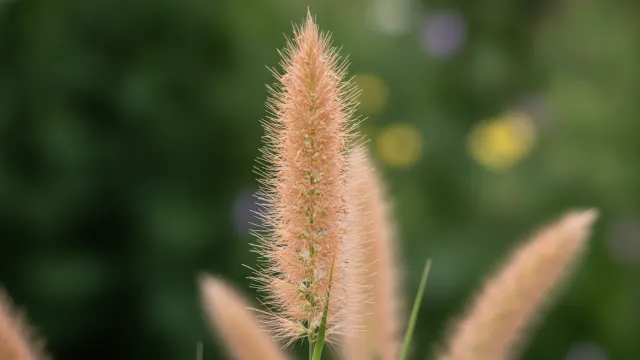
Switchgrass
Shares full sun and low to moderate water; overlaps, then carries the display into mid fall; its seed heads stand through winter, for structure and the birds; both offer pollinator forage.
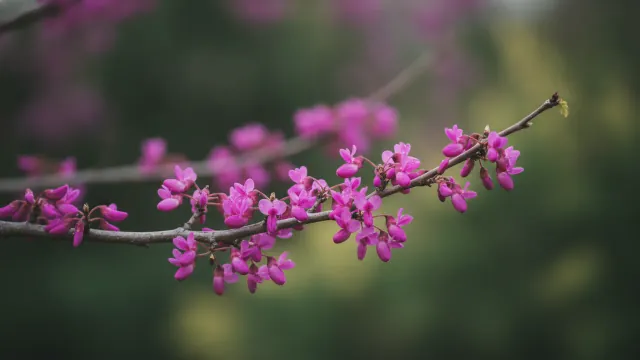
Eastern Redbud
Takes full sun to part sun and moderate water; blooms in mid spring, before this one opens; both offer pollinator forage, in different months.
Explore similar plants
You might also like
Design a garden with this
Drop this plant onto a 3D plan, see how it fills in, and watch your whole garden bloom across the year.