
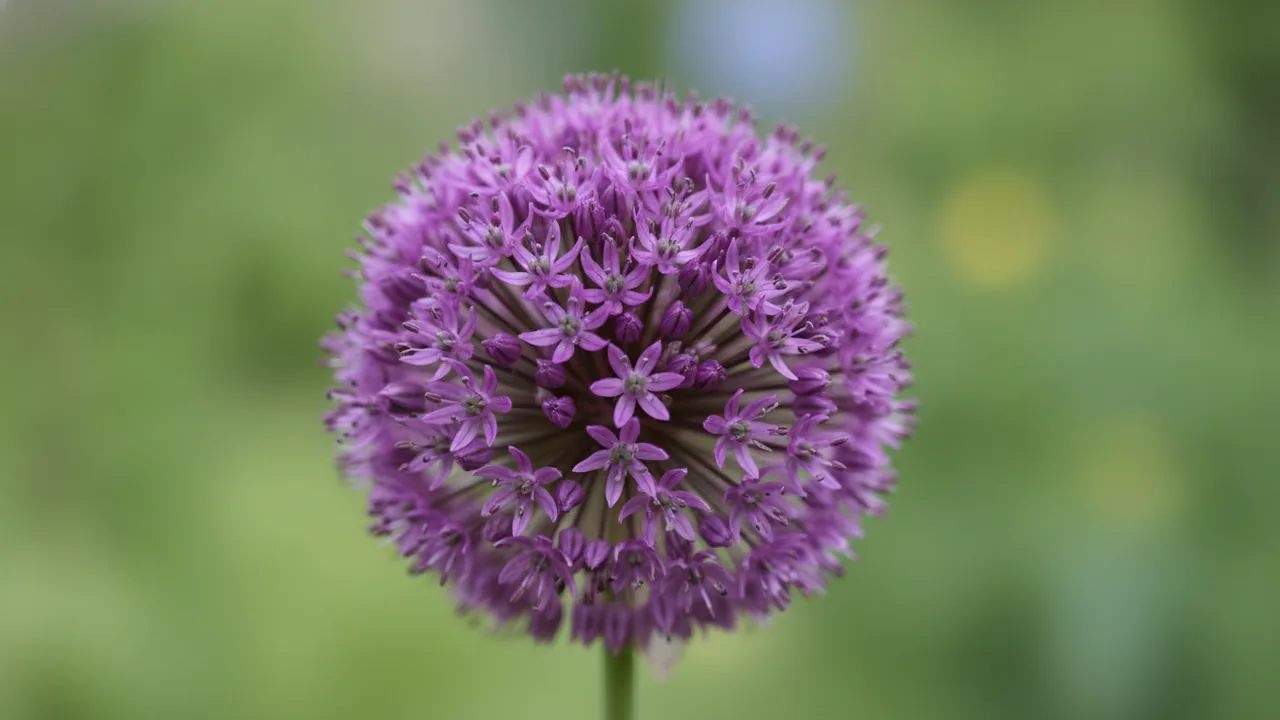
 Illustration

Giant Allium
Allium giganteum
Also called ornamental onion, flowering onion and giant onion
Giant Allium blooms from May through June.
Months here are Northern Hemisphere months; in the Southern Hemisphere, shift them by six months.
Growing Giant Allium
Plant it in full sun. It prefers low water. It is hardy in USDA zones 4–8. Expect it to reach about 3 ft tall and 1.5 ft wide at maturity, in roughly 1 year (checked).
What was checked
Mature height and spread, hardiness zones, sun, water, bloom months and color and the trait tags were checked against named botanical sources for this plant, with what the sources could not settle written down; years to mature size rests on a recorded house rule where no publisher states one, and is marked so; its common name and alternate names have not been checked yet. Each fact above carries its own mark. The planting, spacing and size sections are derived from these checked facts by a fixed rule, not checked separately, and the plant type is the library's own classification.
When to plant Giant Allium
Giant Allium is a fall-planted bulb: get it in the ground 6 to 8 weeks before the ground freezes, typically September or October in zone 6, the middle of its hardy zones 4 to 8. It pays you back the following May to June.
Month-by-month timing for your zone is on the planting calendar; if you garden near zone 6, the middle of this plant's hardy range, start with zone 6 in September. Derived from the plant's category, zones and bloom months plus typical zone frost dates, not checked separately.
How big does Giant Allium get?
 3 fttall5 ft 7 inan adult1.5 ftwide
See Giant Allium in a garden plan: the planner shows it in 3D beside everything else you add, growing toward this size over the years.
Where these facts come from
Giant Allium's height, spread, hardiness zones, sun, water, bloom months and color, years to mature size, trait tags, soil, diseases, pests and toxicity were checked against 10 published sources on August 23, 2026. Each one is linked below with every fact it carried, which can include a fact this page still marks as not yet checked, because a source carrying a value is not the same as the value being held to the standard. Facts not in that list, and the planting, spacing and size sections, are not covered by these sources.
- Missouri Botanical Gardenheight, spread, hardiness zones, sun, water, bloom months and color, years to mature size, trait tags, soil, diseases, pests and toxicity
- NC State ExtensionPlant Toolboxheight, spread, hardiness zones, sun, water, bloom months and color, trait tags, soil, diseases, pests and toxicity
- plants.shopsteins.comStein's Garden & Home plant finderheight, spread, hardiness zones, sun, water, bloom months and color, trait tags, soil and diseases
- American Meadowsheight, spread, hardiness zones, sun, water, bloom months and color, trait tags and toxicity
- Breck'sheight, spread, hardiness zones, sun, water, bloom months and color, years to mature size and trait tags
- RHSRoyal Horticultural Societyheight, spread, sun, water, years to mature size, trait tags, soil, diseases and pests
- Chicago Botanic GardenPlant Finderheight, hardiness zones, sun, water, bloom months and color, trait tags and pests
- Holland Bulb Farmsheight, spread, hardiness zones, sun, bloom months and color, years to mature size and trait tags
- Iowa State University ExtensionYard and Gardenheight, sun, water, bloom months and color, years to mature size, soil and pests
- planttalk.colostate.eduColorado State University Extension PlantTalkheight and bloom months and color
How the checking works, and what each standard covers, is on the verified plants page.
8 more colors in the Allium group
Same genus, similar care - pick the one you are growing.
Compare every variety in the Allium group
Every figure is the variety's own page fact. Tap a name to open it.
| Variety | Color | Blooms | Hardiness | Sun | Size (H × W) |
|---|---|---|---|---|---|
| Drumstick | Purple | Jun–Jul | Zones 4–8 | Full sun | 2.5 ft × 1 ft |
| Giantthis page | Purple | May–Jun | Zones 4–8 | Full sun | 3 ft × 1.5 ft |
| Gladiator | Purple | May–Jun | Zones 4–8 | Full sun | 3.5 ft × 0.5 ft |
| Globemaster | Purple | May–Jun | Zones 5–8 | Full sun | 2.5 ft × 1 ft |
| Golden Garlic | Yellow | May–Jun | Zones 3–9 | Full sun | 10 in × 4 in |
| Millenium | Purple | Jul–Aug | Zones 4–9 | Full sun | 18 in × 12 in |
| Mount Everest | White | May–Jun | Zones 4–8 | Full sun | 3.5 ft × 0.5 ft |
| Purple Sensation | Purple | May–Jun | Zones 4–8 | Full sun | 2.5 ft × 0.5 ft |
| Star of Persia | Purple | May–Jun | Zones 4–8 | Full sun | 20 in × 10 in |
Good to know about Giant Allium
Curated from university extensions, botanic gardens and other primary sources, with the source named on every note. A note reports what its source says; where that differs from a fact above, the fact above is this entry's stored value, and its mark says whether it has been checked.
Safety
Toxic to dogs, cats and horses: onion-family compounds damage red blood cells, causing Heinz-body hemolytic anemia. Cats are the most sensitive, and signs can lag days. per ASPCA and Merck
Worth knowing
The oniony smell does double duty: the same sulfur compounds that repel browsing deer are the toxins that poison dogs, cats and horses. per Clemson and Merck
Coldest zone varies by source
NC State lists it hardy to zone 4; Missouri Botanical stops at zone 5. Treat zone 4 as marginal: wet soil, not cold, is what kills the bulb. per NC State and Missouri Botanical
Draws bees and butterflies
The nectar-rich globe of many small florets draws bees and butterflies, a useful forage plant in late spring to early summer. per NC State and Wisconsin
Hardy bulb, no lifting
Plant dormant bulbs in fall, pointed end up, then leave them in the ground: they are hardy and, unlike dahlias or gladiolus, never need digging up for winter. per Iowa State and NC State
Comes back and multiplies
Ornamental alliums perennialize and many naturalize: they return year after year and spread slowly by offsets, and reseeding types self-sow. per Iowa State and Wisconsin
Allium leafminer pest
In the mid-Atlantic and Northeast, an invasive fly tunnels the leaves and bulb. Float row cover over its two flights, early spring and late summer, to exclude it. per University of Maryland and UMass
What pairs well with Giant Allium
Good companions share its growing conditions and add something it lacks: an earlier or later bloom, a lower carpet in front, or structure through winter.
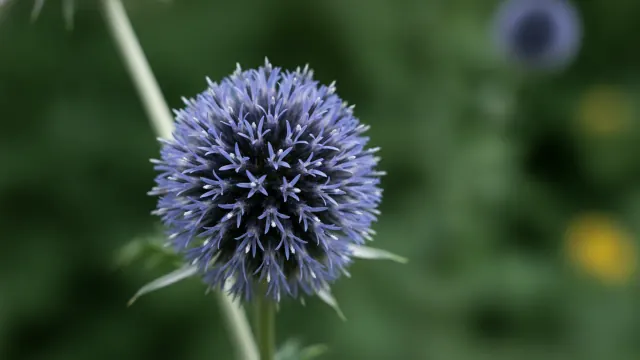
Globe Thistle
Shares full sun and low water; blooms in midsummer as this one finishes; both are strong pollinator plants, and they feed in different months; its seed heads stand through winter, for structure and the birds.
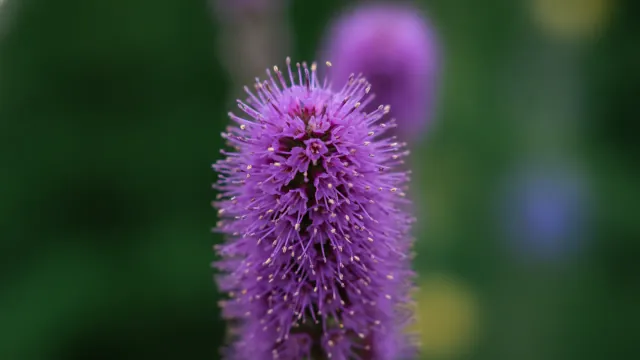
Blazing Star
Shares full sun and low water; blooms in midsummer as this one finishes; both are strong pollinator plants, and they feed in different months; its seed heads stand through winter, for structure and the birds.
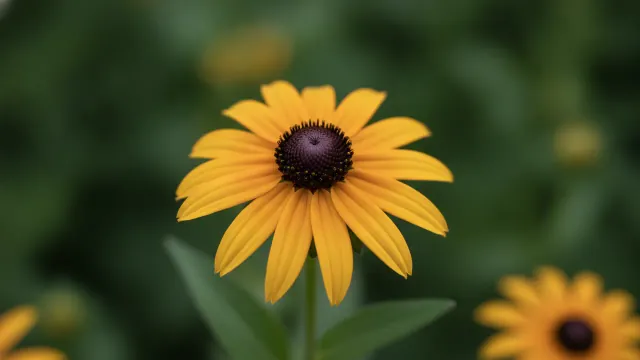
Black-Eyed Susan
Shares full sun and low water; blooms in midsummer as this one finishes; both are strong pollinator plants, and they feed in different months; its seed heads stand through winter, for structure and the birds.
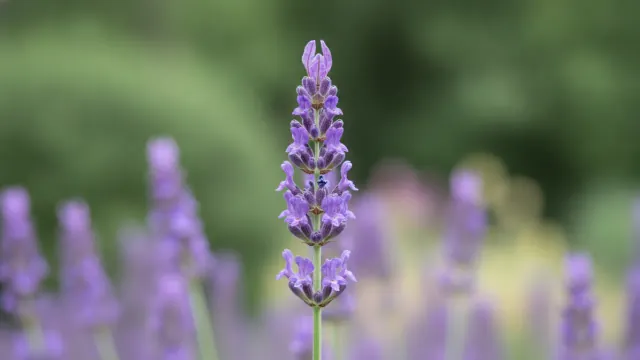
Lavender
Shares full sun and low water; overlaps, then carries the display into late summer; both are strong pollinator plants; evergreen, so the bed keeps its shape through winter.
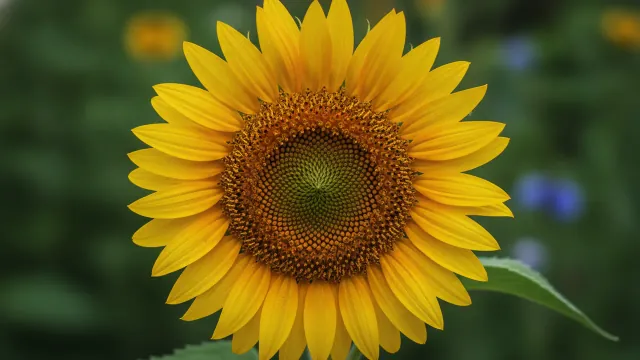
Sunflower
Shares full sun and low to moderate water; blooms in midsummer as this one finishes; both are strong pollinator plants, and they feed in different months; its seed heads stand through winter, for structure and the birds.
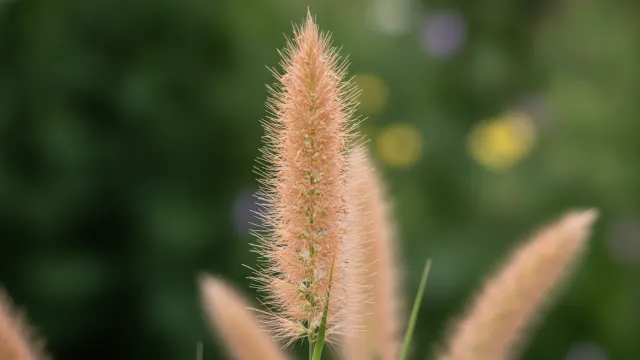
Switchgrass
Shares full sun and low water; blooms in late summer, extending the bed's season; both are strong pollinator plants, and they feed in different months; its seed heads stand through winter, for structure and the birds.
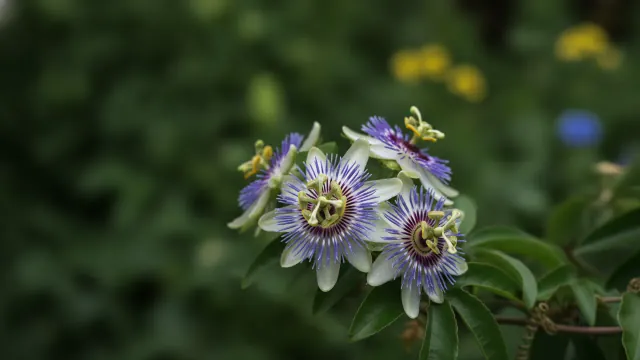
Passionflower
Shares full sun and low to moderate water; blooms in midsummer as this one finishes; both are strong pollinator plants, and they feed in different months; climbs to 13 ft behind it, height without the footprint.
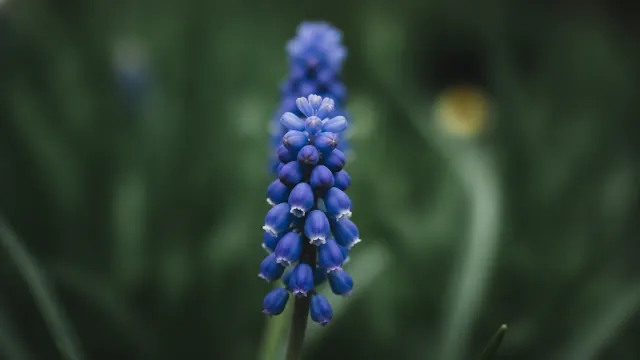
Grape Hyacinth
Shares full sun and low water; blooms in early spring, before this one opens; both offer pollinator forage, in different months; lower at 8 in, for the front of the border.
Featured in these guides
Explore similar plants
You might also like
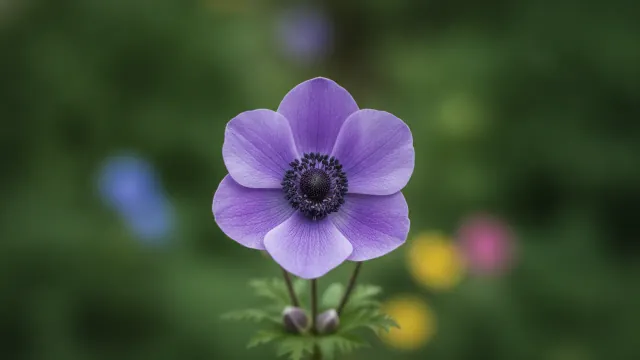
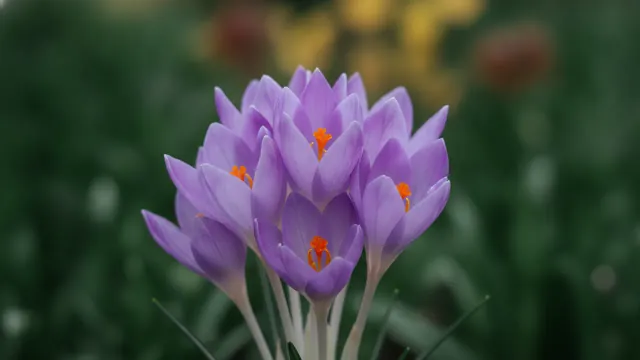
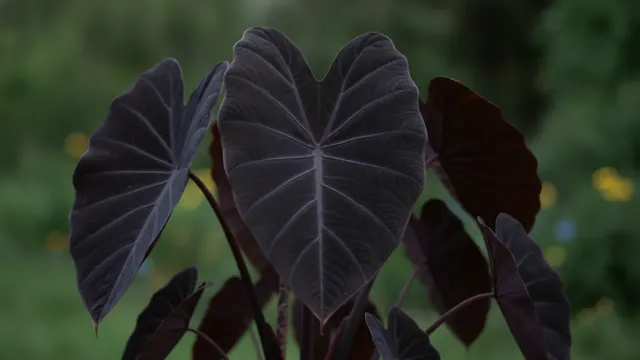 Foliage
Design a garden with this
Drop this plant onto a 3D plan, see how it fills in, and watch your whole garden bloom across the year.