
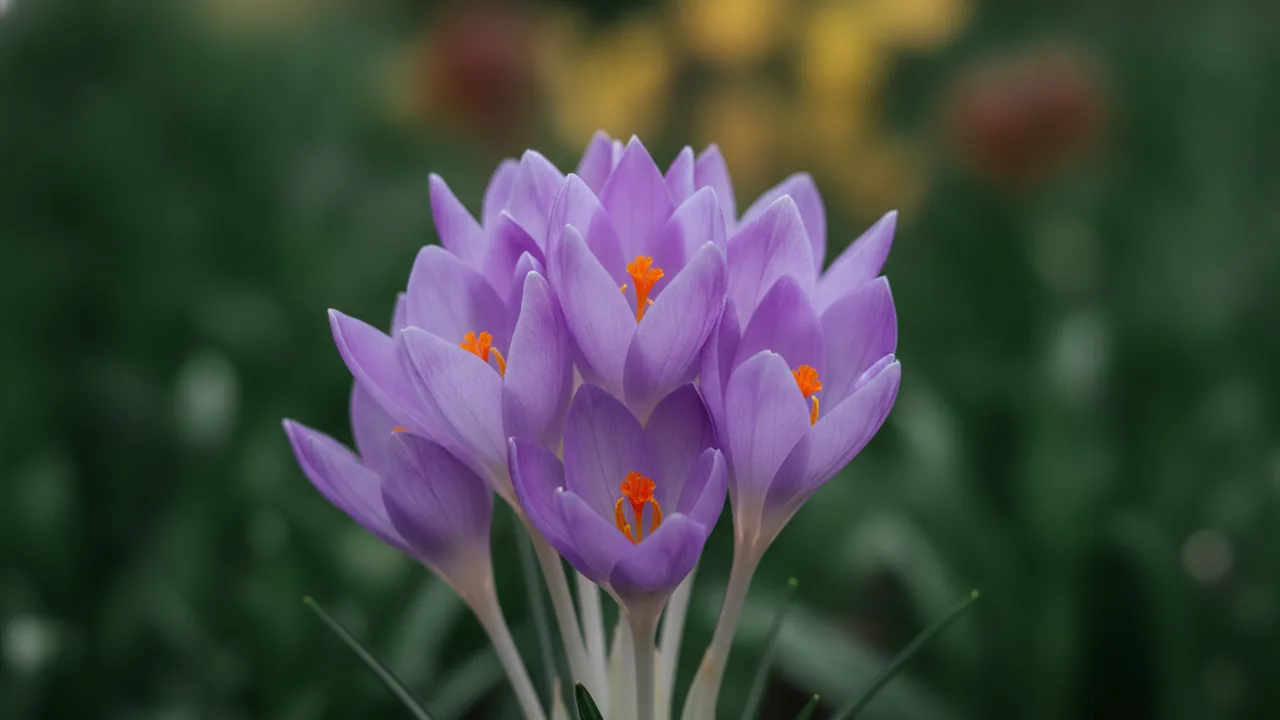
 Illustration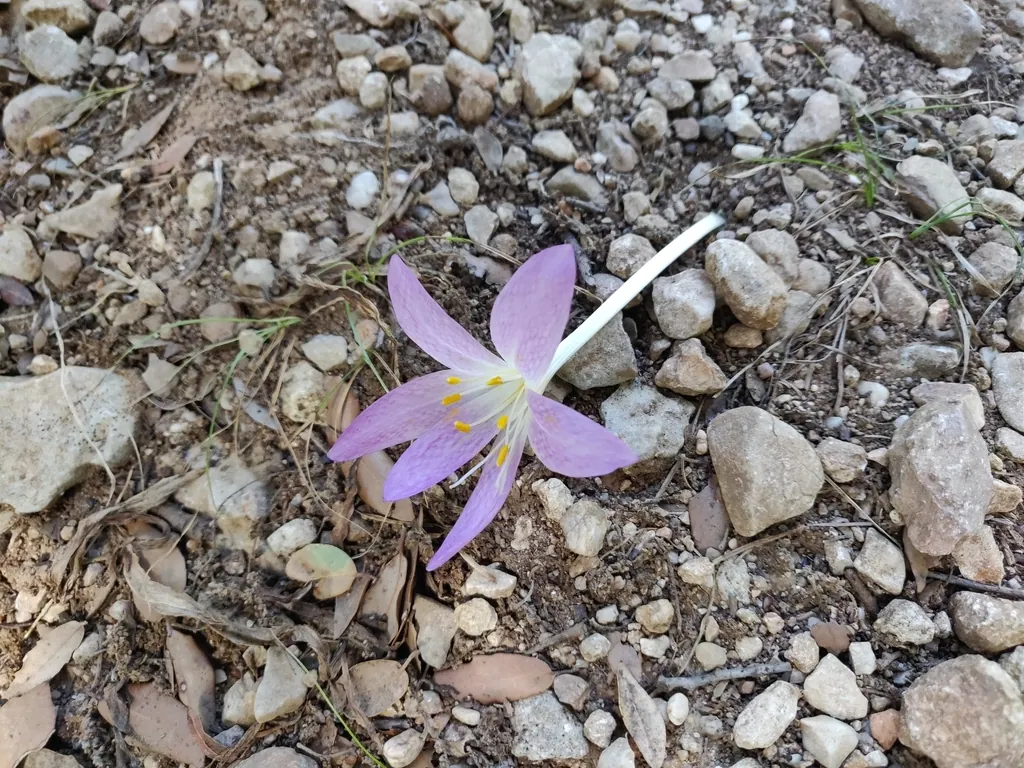
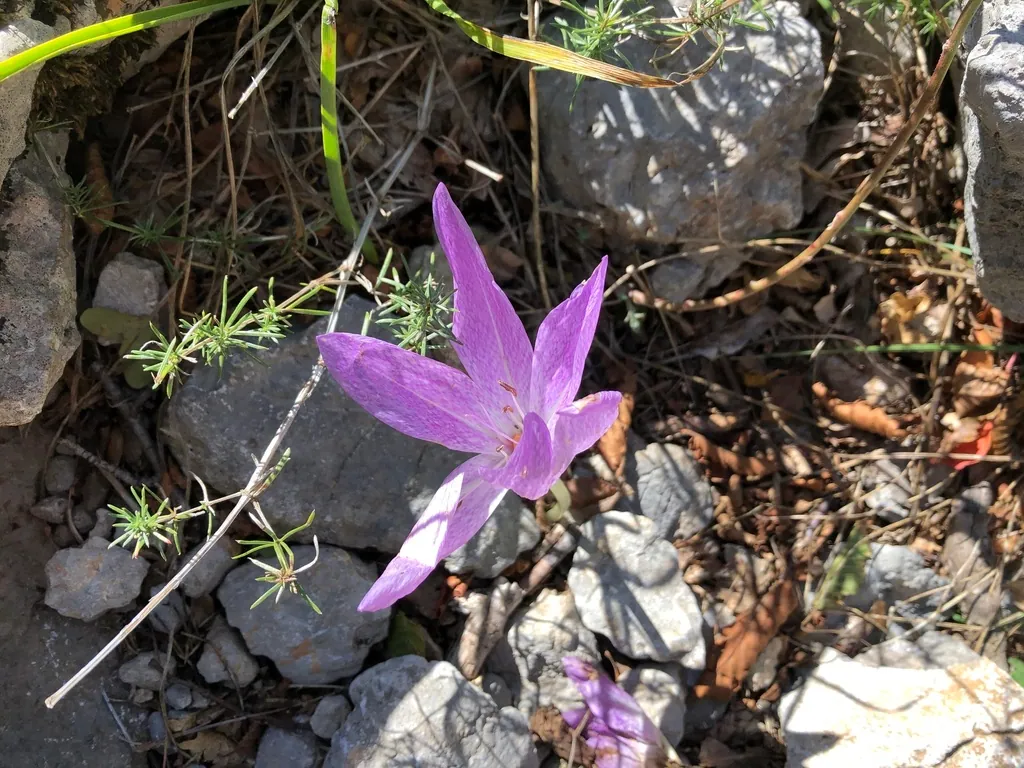
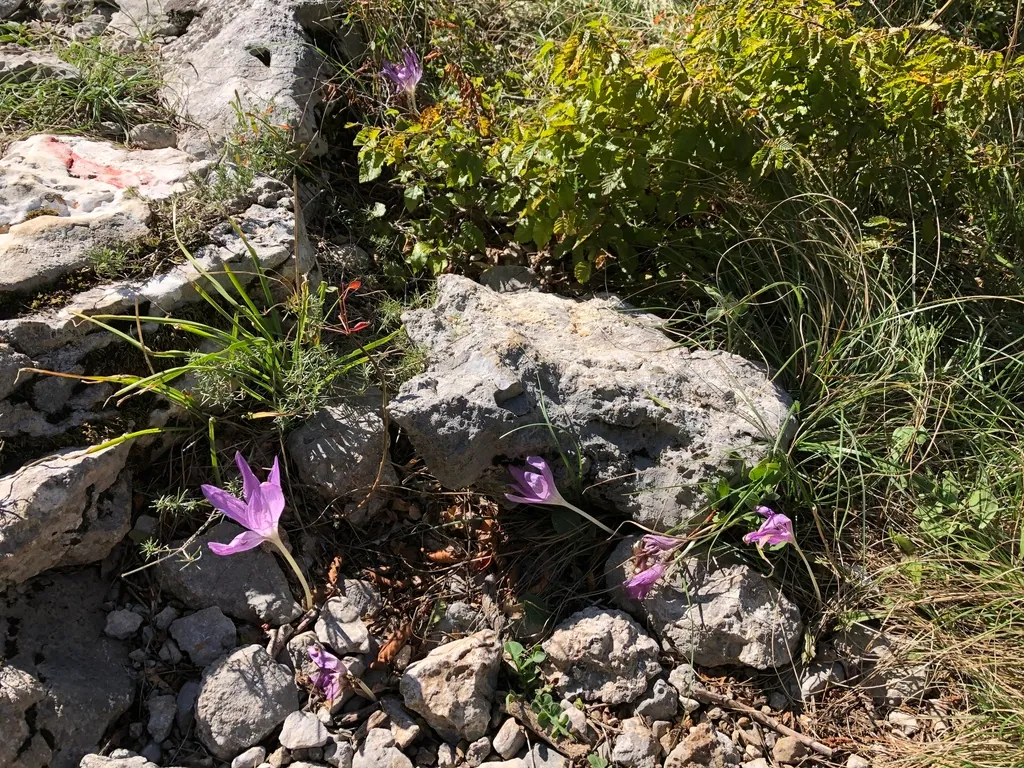

Photo credits and licenses
Real photographs from naturalists and photographers worldwide, each used under its own license. Credit: Photo by Davide Puddu / iNaturalist (CC BY), Photo by Pavel Kacl / iNaturalist (CC BY) and Photo by Pavel Kacl / iNaturalist (CC BY). How photos are sourced →

Autumn Crocus
Colchicum
Autumn Crocus blooms from September through October.
Months here are Northern Hemisphere months; in the Southern Hemisphere, shift them by six months.
Growing Autumn Crocus
Plant it in full sun. It prefers moderate water. It is hardy in USDA zones 4–9. Expect it to reach about 6 in tall and 8 in wide at maturity, in roughly 1 year (not yet checked).
What was checked
Mature height and spread, hardiness zones, sun and the trait tags were checked against named botanical sources for this plant. The bloom months and water need on this page were not, and each fact above says which. The planting, spacing and size sections are derived from these checked facts by a fixed rule, not checked separately, and the plant type is the library's own classification.
When to plant Autumn Crocus
Autumn Crocus is a fall-planted bulb: get it in the ground 6 to 8 weeks before the ground freezes, typically September or October in zone 6, the middle of its hardy zones 4 to 9. It flowers that same fall, September to October.
Month-by-month timing for your zone is on the planting calendar; if you garden near zone 6, the middle of this plant's hardy range, start with zone 6 in September. Derived from the plant's category, zones and bloom months plus typical zone frost dates, not checked separately.
How big does Autumn Crocus get?
 6 intall5 ft 7 inan adult8 inwide
See Autumn Crocus in a garden plan: the planner shows it in 3D beside everything else you add, growing toward this size over the years.
Where these facts come from
Autumn Crocus' height, spread, hardiness zones, sun and trait tags were checked against 13 published sources on July 29, 2026. Each one is linked below with every fact it carried, which can include a fact this page still marks as not yet checked, because a source carrying a value is not the same as the value being held to the standard. Facts not in that list, and the planting, spacing and size sections, are not covered by these sources.
- NC State ExtensionPlant Toolboxheight, spread, hardiness zones, sun and trait tags
- NC State ExtensionPlant Toolboxheight, spread, hardiness zones, sun and trait tags
- Brent and Becky's Bulbsheight, hardiness zones, sun and trait tags
- Missouri Botanical GardenPlant Finderheight, spread, hardiness zones and sun
- Missouri Botanical GardenPlant Finderheight, spread, hardiness zones and sun
- Chicago Botanic GardenPlant Finderhardiness zones, sun and trait tags
- Brent and Becky's Bulbshardiness zones and sun
- RHSRoyal Horticultural Society plant guideheight and sun
- RHSRoyal Horticultural Societyheight and sun
- University of Illinois ExtensionGood Growinghardiness zones and sun
- Iowa State University Extensionand Outreach, Yard and Gardensun
- Penn State Extensionsun
- piedmontmastergardeners.orgPiedmont Master Gardeners (Virginia Cooperative Extension volunteers)height
How the checking works, and what each standard covers, is on the verified plants page.
Comes in 5 varieties across 2 colors
Same genus, similar care - pick the color you are growing.
Compare every variety in the Autumn Crocus group
Every figure is the variety's own page fact. Tap a name to open it.
| Variety | Color | Blooms | Hardiness | Sun | Size (H × W) |
|---|---|---|---|---|---|
| Album | White | Sep–Oct | Zones 4–9 | Full sun | 6 in × 4 in |
| Autumnthis page | Purple | Sep–Oct | Zones 4–9 | Full sun | 6 in × 8 in |
| Lilac Wonder | Purple | Sep–Oct | Zones 4–9 | Full sun | 8 in × 4 in |
| Showy | Purple | Sep–Oct | Zones 4–9 | Full sun | 8 in × 5 in |
| The Giant | Purple | Sep–Oct | Zones 4–9 | Full sun | 11 in × 5 in |
| Waterlily | Pink | Sep–Oct | Zones 4–9 | Full sun | 8 in × 4 in |
Good to know about Autumn Crocus
Curated from university extensions, botanic gardens and other primary sources, with the source named on every note. A note reports what its source says; where that differs from a fact above, the fact above is this entry's stored value, and its mark says whether it has been checked.
Safety
Deadly. Every part, especially the corm, holds colchicine, a potent toxin with no antidote. Eating any of it can kill people, dogs, cats and horses; a medical emergency. per ASPCA and PMC
Worth knowing
The same colchicine that makes every part deadly is exactly why deer, rabbits and rodents refuse it. Its worst danger and its best garden virtue are one property. per NC State and Michigan State
Coldest zone it survives
Its cold limit is disputed: NC State lists zone 4, but Wisconsin and Illinois call zone 5 reliable. In zone 4, mulch it or pick a hardier species. per Wisconsin and Illinois
Not a crocus, not saffron
Despite the name, it is not a true crocus and not the source of culinary saffron, which comes from the true fall-blooming Crocus sativus. per Ohio State
Leafless fall flowers
Strap leaves emerge in spring and die back by summer; then the flowers rise from bare ground in fall with no foliage, hence 'naked ladies'. per NC State
Late-season bee forage
The autumn flowers draw bees and butterflies, offering late-season nectar when little else is blooming. Value is listed by extensions, not from a visitation study. per NC State
Foragers mistake it fatally
The worst human poisonings come from spring foragers mistaking its leaves for wild garlic; in one series 95 percent of accidental cases had eaten this plant instead. per PubMed
What pairs well with Autumn Crocus
Good companions share its growing conditions and add something it lacks: an earlier or later bloom, a lower carpet in front, or structure through winter.

Globe Thistle
Shares full sun and low to moderate water; blooms in midsummer, before this one opens; stands well above at 3.5 ft, a canopy to plant beneath; both offer pollinator forage, in different months.

Sneezeweed
Shares full sun and moderate water; opens in midsummer and overlaps into this one's season; stands well above at 3.5 ft, a canopy to plant beneath; its seed heads stand through winter, for structure and the birds.

Joe Pye Weed
Shares full sun and moderate to high water; opens in midsummer and overlaps into this one's season; stands well above at 6 ft, a canopy to plant beneath; its seed heads stand through winter, for structure and the birds.
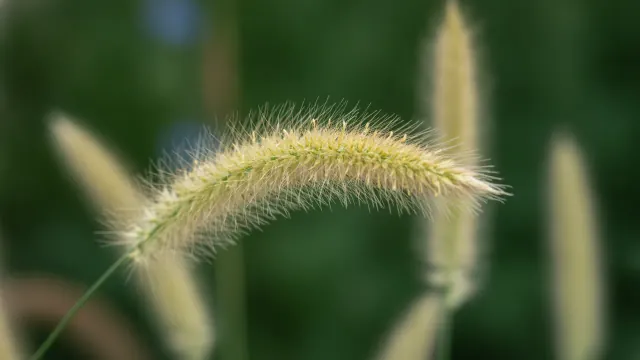
Feather Reed Grass
Shares full sun and moderate water; blooms in early summer, before this one opens; stands well above at 5 ft, a canopy to plant beneath; its seed heads stand through winter, for structure and the birds.
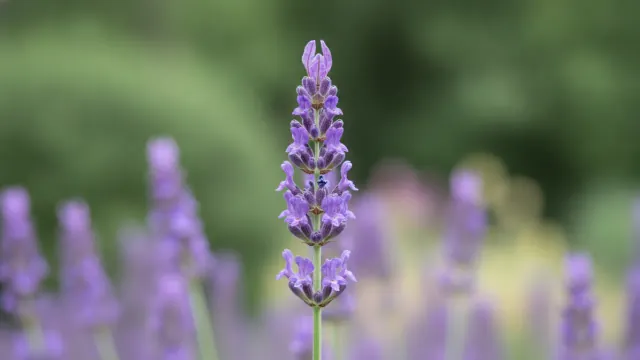
Lavender
Shares full sun and low to moderate water; blooms in early summer, before this one opens; both offer pollinator forage, in different months; evergreen, so the bed keeps its shape through winter.

Sunflower
Shares full sun and moderate water; opens in midsummer and overlaps into this one's season; stands well above at 6.5 ft, a canopy to plant beneath; its seed heads stand through winter, for structure and the birds.

Ninebark
Shares full sun and moderate water; blooms in late spring, before this one opens; stands well above at 6.5 ft, a canopy to plant beneath; both offer pollinator forage, in different months.
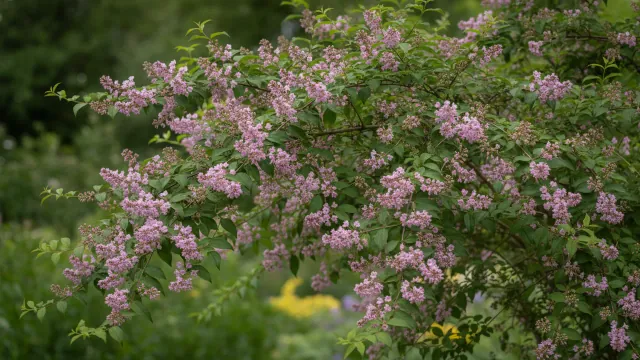
Beautyberry
Takes full sun to part sun and moderate water; blooms in early summer, before this one opens; stands well above at 5 ft, a canopy to plant beneath; both offer pollinator forage, in different months.
Featured in these guides
Explore similar plants
You might also like
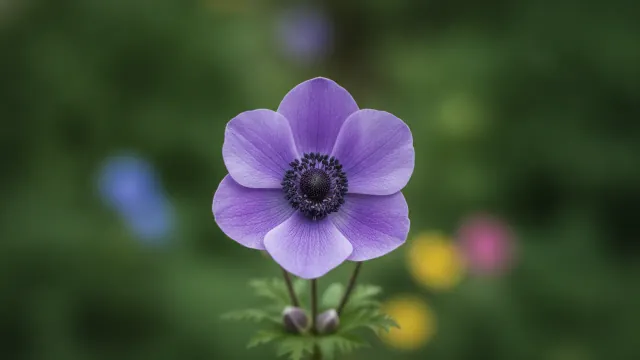
 Foliage
Design a garden with this
Drop this plant onto a 3D plan, see how it fills in, and watch your whole garden bloom across the year.