
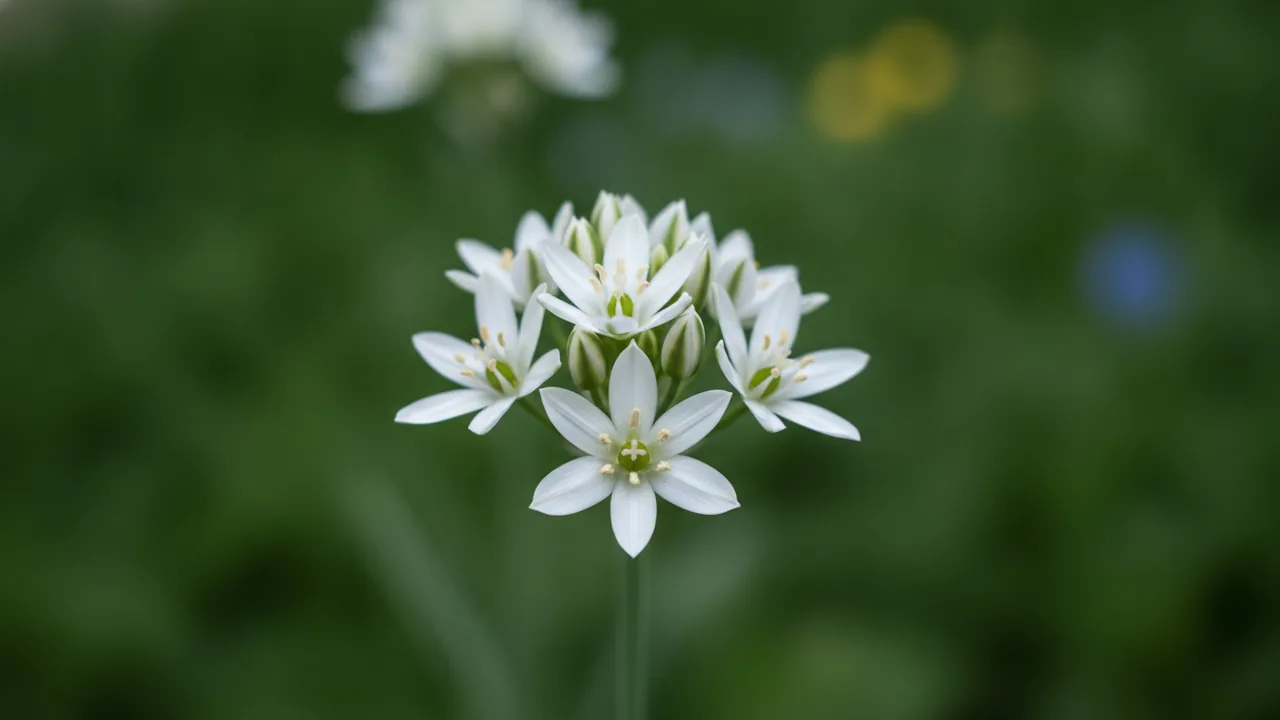
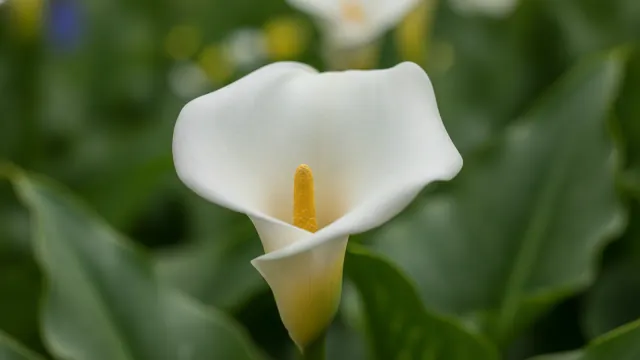
 Illustration

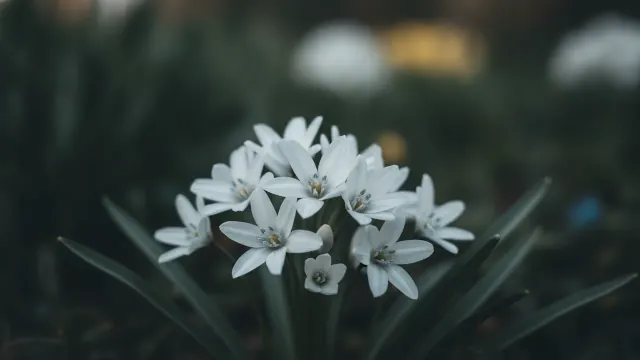
Star of Bethlehem
Ornithogalum
Star of Bethlehem blooms from May through June.
Months here are Northern Hemisphere months; in the Southern Hemisphere, shift them by six months.
Growing Star of Bethlehem
Plant it in full sun. It prefers moderate water. It is hardy in USDA zones 4–9. Expect it to reach about 12 in tall and 4 in wide at maturity, in roughly 1 year (not yet checked).
What was checked
Mature height and spread, hardiness zones, sun and the trait tags were checked against named botanical sources for this plant. The bloom months and water need on this page were not, and each fact above says which. The planting, spacing and size sections are derived from these checked facts by a fixed rule, not checked separately, and the plant type is the library's own classification.
When to plant Star of Bethlehem
Star of Bethlehem is a fall-planted bulb: get it in the ground 6 to 8 weeks before the ground freezes, typically September or October in zone 6, the middle of its hardy zones 4 to 9. It pays you back the following May to June.
Month-by-month timing for your zone is on the planting calendar; if you garden near zone 6, the middle of this plant's hardy range, start with zone 6 in September. Derived from the plant's category, zones and bloom months plus typical zone frost dates, not checked separately.
How big does Star of Bethlehem get?
 12 intall5 ft 7 inan adult4 inwide
See Star of Bethlehem in a garden plan: the planner shows it in 3D beside everything else you add, growing toward this size over the years.
Where these facts come from
Star of Bethlehem's height, spread, hardiness zones, sun and trait tags were checked against 11 published sources on July 30, 2026. Each one is linked below with every fact it carried, which can include a fact this page still marks as not yet checked, because a source carrying a value is not the same as the value being held to the standard. Facts not in that list, and the planting, spacing and size sections, are not covered by these sources.
- NC State ExtensionOrnithogalumheight, spread, hardiness zones, sun, years to mature size and trait tags
- NC State ExtensionOrnithogalum umbellatumheight, spread, hardiness zones, sun, years to mature size and trait tags
- Missouri Botanical GardenOrnithogalum umbellatumheight, spread, hardiness zones, sun and trait tags
- Missouri Botanical GardenOrnithogalum arabicumheight, spread, hardiness zones, sun and trait tags
- Missouri Botanical GardenOrnithogalum magnumheight, spread, hardiness zones, sun and trait tags
- Missouri Botanical GardenOrnithogalum candicansheight, spread, hardiness zones, sun and trait tags
- Missouri Botanical GardenOrnithogalum regaleheight, spread, hardiness zones and sun
- adrbulbs.comA.D.R. Bulbs (Ornithogalum 'Arabicum')hardiness zones, sun and trait tags
- NC State ExtensionOrnithogalum thyrsoidessun, years to mature size and trait tags
- University of Arkansas Extensionstar of Bethlehemheight and spread
- Utah State University ExtensionStar of Bethlehemheight
How the checking works, and what each standard covers, is on the verified plants page.
Comes in 4 varieties across 2 colors
Same genus, similar care - pick the color you are growing.
Compare every variety in the Star of Bethlehem group
Every figure is the variety's own page fact. Tap a name to open it.
| Variety | Color | Blooms | Hardiness | Sun | Size (H × W) |
|---|---|---|---|---|---|
| Arabicum | White | May–Jun | Zones 7–10 | Full sun | 24 in × 6 in |
| Chincherinchee | White | Jun–Jul | Zones 7–10 | Full sun | 20 in × 5 in |
| Orange Star | Orange | May–Jun | Zones 7–10 | Full sun | 12 in × 4 in |
| Silver Bells | White | Apr–May | Zones 6–10 | Part sun | 16 in × 5 in |
| Star ofthis page | White | May–Jun | Zones 4–9 | Full sun | 12 in × 4 in |
Good to know about Star of Bethlehem
Curated from university extensions, botanic gardens and other primary sources, with the source named on every note. A note reports what its source says; where that differs from a fact above, the fact above is this entry's stored value, and its mark says whether it has been checked.
Safety
All parts are poisonous to dogs, cats, horses, livestock and people; cardiac glycosides, most concentrated in the bulb, cause vomiting and, in larger amounts, heart-rhythm changes. per Pet Poison Helpline
Worth knowing
It spreads by countless small bulblets around each bulb, not mainly by seed. That same trait makes it nearly impossible to dig out, and tilling only scatters it wider. per University of Illinois and Utah State
What makes it toxic
Sources disagree: NC State tags the toxin as saponin (medium severity), but poison control identifies dangerous cardiac glycosides. Treat the cardiac-glycoside risk as the real one. per NC State and Pet Poison Helpline
Invasive; check state lists
It escapes gardens and forms dense colonies that crowd out other plants. NC State flags it a Class C noxious weed in Alabama; Illinois reports it established statewide. per NC State and University of Illinois
Hardy bulb, no lifting
A hardy spring bulb: leave it in the ground year-round with no lifting or winter storage, and it returns reliably each year, dying back to the bulb by midsummer. per NC State and Utah State
Deer and rodent resistant
The same bitter, toxic chemistry that poisons pets also deters deer and rodents, so expect little browsing damage and no need for repellents or cages. per Michigan State
Flowers open only midday
Each white, star-shaped flower opens near midday and closes by evening or in cloudy weather, so the blooms and their pollinator window are brief. per NC State
What pairs well with Star of Bethlehem
Good companions share its growing conditions and add something it lacks: an earlier or later bloom, a lower carpet in front, or structure through winter.
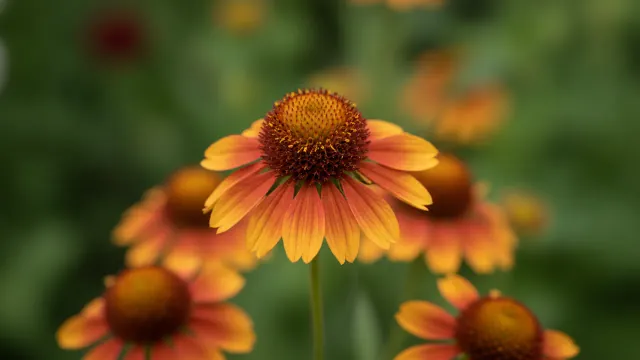
Sneezeweed
Shares full sun and moderate water; blooms in midsummer as this one finishes; its seed heads stand through winter, for structure and the birds; taller at 3.5 ft, for the layer behind it.
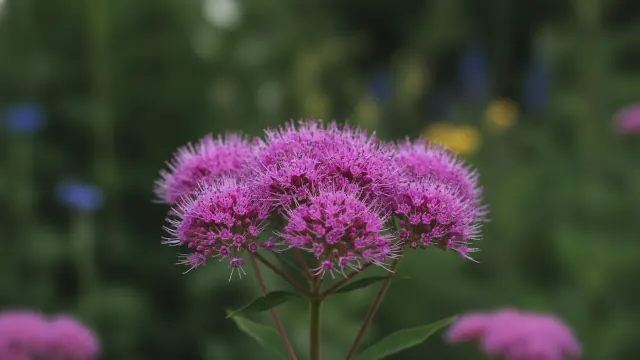
Joe Pye Weed
Shares full sun and moderate to high water; blooms in midsummer as this one finishes; its seed heads stand through winter, for structure and the birds; taller at 6 ft, for the layer behind it.

False Sunflower
Shares full sun and moderate water; blooms in midsummer as this one finishes; its seed heads stand through winter, for structure and the birds; taller at 4 ft, for the layer behind it.
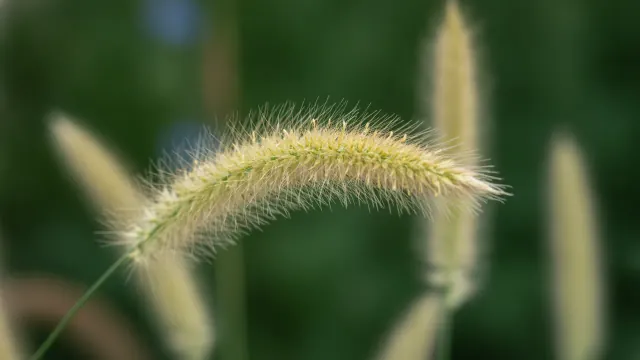
Feather Reed Grass
Shares full sun and moderate water; overlaps, then carries the display into late summer; its seed heads stand through winter, for structure and the birds; taller at 5 ft, for the layer behind it.

Sunflower
Shares full sun and moderate water; blooms in midsummer as this one finishes; its seed heads stand through winter, for structure and the birds; stands well above at 6.5 ft, a canopy to plant beneath.
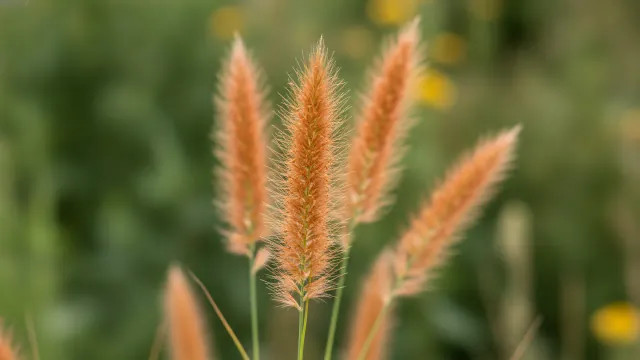
Little Bluestem
Shares full sun and low to moderate water; blooms in late summer, extending the bed's season; its seed heads stand through winter, for structure and the birds; taller at 3.5 ft, for the layer behind it.
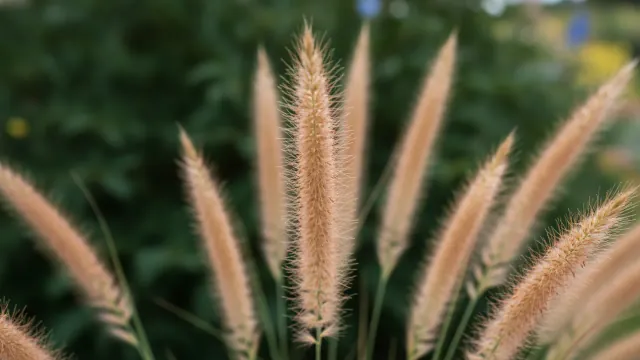
Fountain Grass
Shares full sun and low to moderate water; blooms in late summer, extending the bed's season; its seed heads stand through winter, for structure and the birds; taller at 3.5 ft, for the layer behind it.
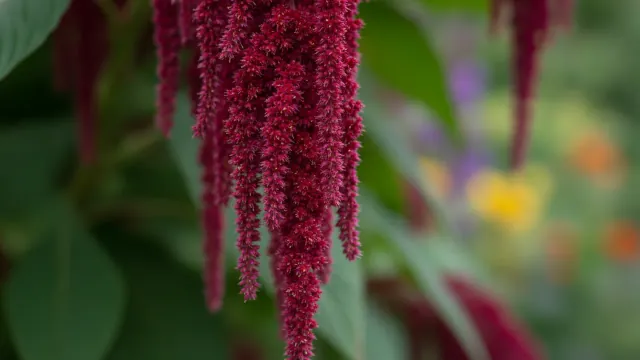
Love-Lies-Bleeding
Shares full sun and moderate water; blooms in midsummer as this one finishes; taller at 3.5 ft, for the layer behind it; a soft color beside the white.
Explore similar plants
You might also like
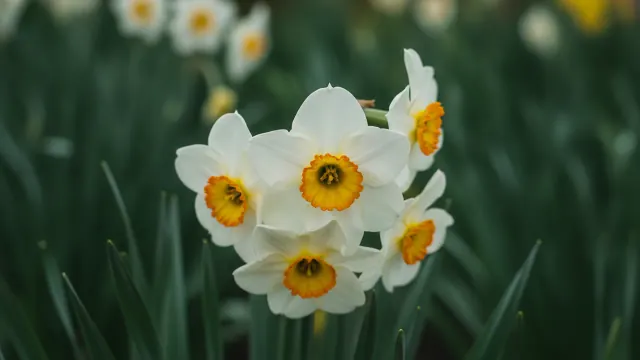
Design a garden with this
Drop this plant onto a 3D plan, see how it fills in, and watch your whole garden bloom across the year.