
Pets
Garden Plants Listed as Non-Toxic to Dogs and Cats: The Short List
A short list on purpose: only plants a publisher lists as non-toxic, that nothing else we read lists as toxic. Sorted by type, each with the listing behind it.
This list is short on purpose. A plant reads listed as non-toxic here only when a publisher that keeps a field for it says non-toxic, nothing else we read lists it as toxic, and two readers each looked for a warning and found none. That bar keeps most plants off the list, which is exactly why the ones on it are worth knowing if a dog or a cat shares your garden.
Which garden plants are listed as non-toxic to dogs and cats?
In our library, 22 kinds of plant, 78 plants counting every variety, out of 2,032. Every one is below, sorted by type, with its own listing and the institution behind it named and linked.
Listed as non-toxic to dogs and cats by the authority named on each plant's page.
Every plant on the list
Sorted by type. Where only some varieties of a plant carry the listing, the row names them: the listing is read plant by plant, so one camellia can carry it while the one beside it does not.
Perennials
Coreopsis 'Crème Brûlée'Coreopsis verticillata 'Crème Brûlée'
Listed as non-toxic to dogs and cats by NC State Extension.
4 of the 12 plants in this group: Crème Brûlée, Early Sunrise, Moonbeam, Zagreb
A long run of yellow daisies for sunny, lean ground.
Creeping PhloxPhlox subulata
Listed as non-toxic to dogs and cats by NC State Extension.
10 of the 11 plants in this group: Creeping Phlox, Amazing Grace, Candy Stripe, Drummond's Pink, Emerald Blue, Emerald Pink, Purple Beauty, Red Wings, Scarlet Flame, White Delight
A low carpet of spring flowers for slopes, rock gardens and the tops of walls.
EcheveriaEcheveria
Listed as non-toxic to dogs and cats by NC State Extension.
A rosette succulent for pots and dry, frost-free spots; bring it in where winters freeze.
Annuals
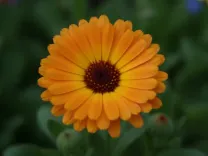
Apricot CalendulaCalendula officinalis
Listed as non-toxic to dogs and cats by NC State Extension.
4 of the 5 plants in this group: Apricot Calendula, Indian Prince, Ivory Princess, Yellow Calendula
The pot marigold, a cool-season annual with orange and yellow daisies. It is not a true marigold, which is a different plant with its own listing.
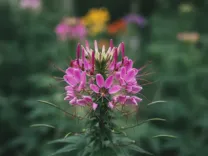
CleomeCleome hassleriana
Listed as non-toxic to dogs and cats by NC State Extension.
All 5 plants in this group
The spider flower adds airy height to the back of a summer border and often self-sows.
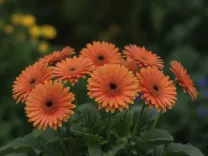
Gerbera DaisyGerbera jamesonii
Listed as non-toxic to dogs and cats by NC State Extension.
All 7 plants in this group
The bright, single-stemmed daisies of florists' buckets, grown in pots and sunny borders.
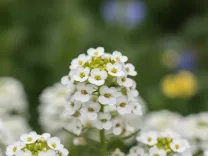
Sweet AlyssumLobularia maritima
Listed as non-toxic to dogs and cats by NC State Extension.
3 of the 6 plants in this group: Sweet Alyssum, Rosie O'Day, Royal Carpet
The honey-scented edging plant that spills over path edges and the rims of pots.
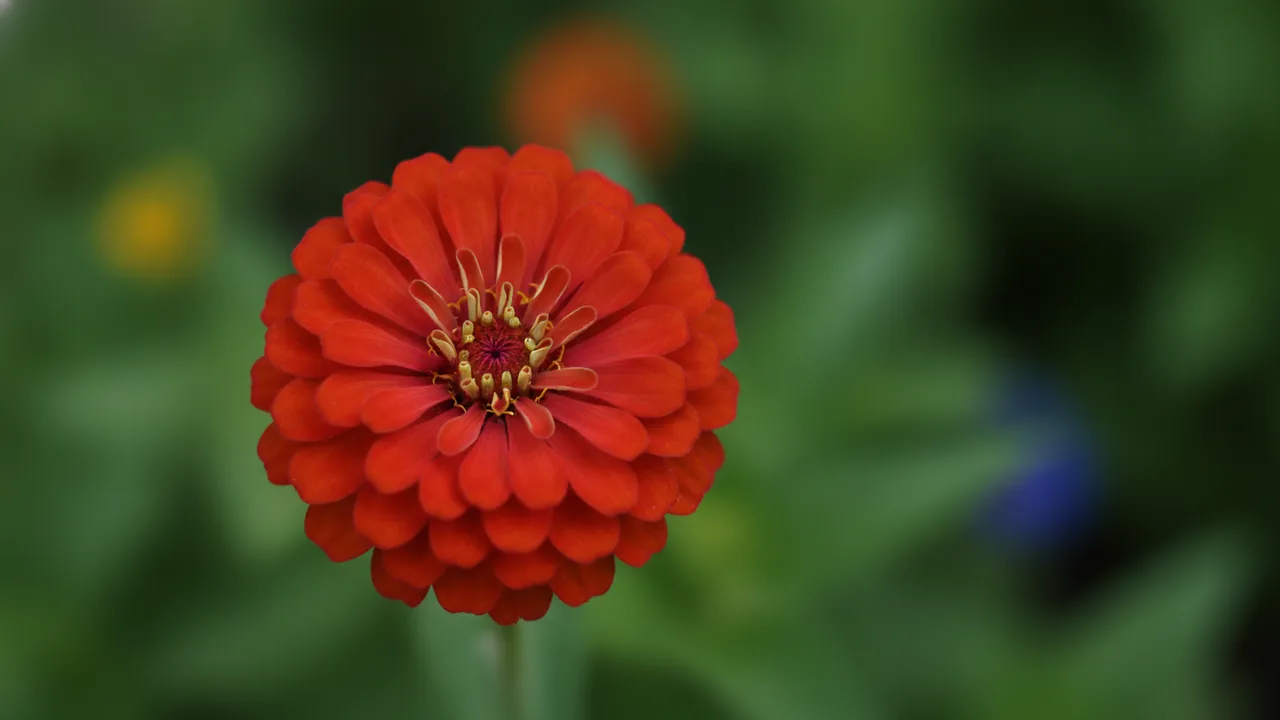
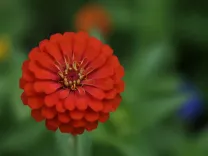
ZinniaZinnia elegans
Listed as non-toxic to dogs and cats by NC State Extension.
All 14 plants in this group
The easy summer annual: sown straight into warm soil, flowering until frost, and a favorite cut flower.
Shrubs
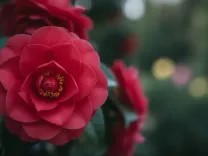
CamelliaCamellia japonica
Listed as non-toxic to dogs and cats by NC State Extension.
8 of the 13 plants in this group: Camellia, Alba Plena, April Rose, Debutante, Kramer's Supreme, Nuccio's Pearl, Pink Perfection, Professor Sargent
Flowers in the cool months, when little else does, on glossy evergreen shrubs for part shade.
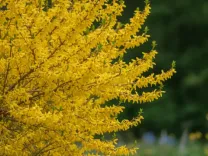
ForsythiaForsythia
Listed as non-toxic to dogs and cats by NC State Extension.
All 7 plants in this group
The yellow shrub that announces spring, flowering on bare branches before the leaves.
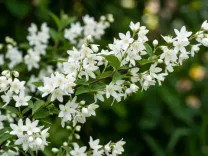
Slender DeutziaDeutzia gracilis
Listed as non-toxic to dogs and cats by NC State Extension.
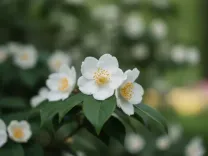
3 of the 4 plants in this group: Slender Deutzia, Chardonnay Pearls Deutzia, Nikko Deutzia
A compact shrub covered in small white flowers in spring.
Trees
Mountain StewartiaStewartia ovata
Listed as non-toxic to dogs and cats by NC State Extension.
1 of the 4 plants in this group: Mountain Stewartia
A small tree with white, camellia-like flowers in summer.
Royal Star MagnoliaMagnolia stellata 'Royal Star'
Listed as non-toxic to dogs and cats by NC State Extension.
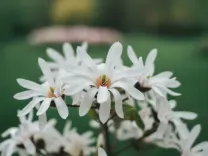
2 of the 13 plants in this group: Royal Star Magnolia, Star Magnolia
White, strap-petaled flowers on bare branches at the very start of spring.
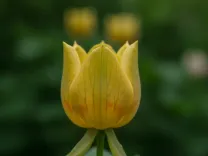
Tulip TreeLiriodendron tulipifera
Listed as non-toxic to dogs and cats by NC State Extension.
A big shade tree named for its tulip-shaped flowers. It is not a tulip, which is a different plant with its own listing.
Climbers
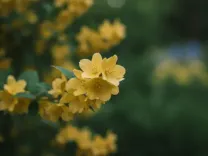
Winter JasmineJasminum nudiflorum
Listed as non-toxic to dogs and cats by NC State Extension.
1 of the 5 plants in this group: Winter Jasmine
The jasmines climb or sprawl; where only some of them carry the listing, the row names which.
Herbs
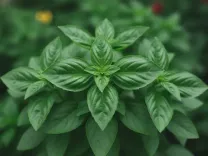
BasilOcimum basilicum
Listed as non-toxic to dogs and cats by NC State Extension.
The warm-weather herb, sown or planted out once nights stay warm.
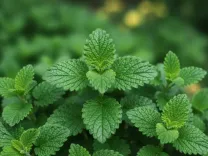
Lemon BalmMelissa officinalis
Listed as non-toxic to dogs and cats by NC State Extension.
A lemon-scented herb that self-sows freely; cut it back after flowering to keep it in its place.
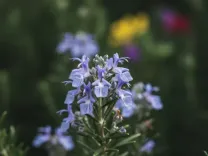
RosemarySalvia rosmarinus
Listed as non-toxic to dogs and cats by NC State Extension.
Evergreen and woody: a shrub where winters are mild, a pot plant brought in where they are not.
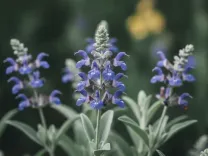
SageSalvia officinalis
Listed as non-toxic to dogs and cats by NC State Extension.
Garden sage, the culinary one, with soft gray leaves.
Ferns
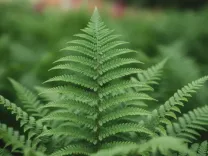
Boston FernNephrolepis exaltata
Listed as non-toxic to dogs and cats by NC State Extension.
The classic hanging-basket fern for porches and shade.
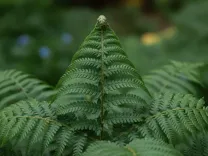
Christmas FernPolystichum acrostichoides
Listed as non-toxic to dogs and cats by NC State Extension.
An evergreen fern for shady woodland corners.
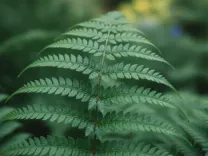
Holly FernCyrtomium falcatum
Listed as non-toxic to dogs and cats by NC State Extension.
Glossy, holly-like fronds for shade and mild winters.
The next tier: no toxic listing found
Past the short list is a much longer one: plants with no toxic listing found in the sources we check, 450 of them in our library for both animals. That is not a clearance, and we never call it one, because every list is incomplete. Our plant library's pet filter lists every one of them, together with the plants above, for dogs, for cats, or for both.
Does listed as non-toxic mean my pet can eat it?
No. It means the institution behind the listing does not list the plant as toxic to that animal. Any plant can upset a stomach, a thorn or a spine can still hurt, and a pet can react to a plant that no list covers. If a pet eats a plant and seems unwell, call a veterinarian or a pet poison helpline.
Why is the list so short?
Because the bar is high: a publisher has to keep a field for it and say non-toxic, nothing else we read can list the plant as toxic, and two readers have to look and find no warning. Many plants meet the last two and have no publisher saying the first, so they read no toxic listing found instead.
Can a plant move off this list?
Yes. The listings are read again whenever they are published, and this page is rebuilt with them: a plant whose answer changes leaves the list on the next build, and one that gains the listing joins it.
Why are some varieties of a plant on the list and others not?
Because each plant is read on its own. Varieties sold under one name can belong to different species, and a listing often names a species, so one row can stand for some of a group and not the rest. The row names the ones it stands for.
Sources for these listings
Every plant on this page is looked up in NC State Extension, Royal Horticultural Society and Pet Poison Helpline, the sources we check. Each plant's own line names the institution that lists it and links that institution's page for the plant. On this page:
- NC State Extensionnamed for 22 plants
Lists differ and none is complete. If a pet eats a plant and seems unwell, call a veterinarian or a pet poison helpline. What each answer means, and what it does not: how the listings are read.
Design a garden with these plants
Open BloomsEye Studio with this guide's plants ready to drop onto a plan, then watch the whole bed bloom across the year. New to it? See what the free garden planner does.