
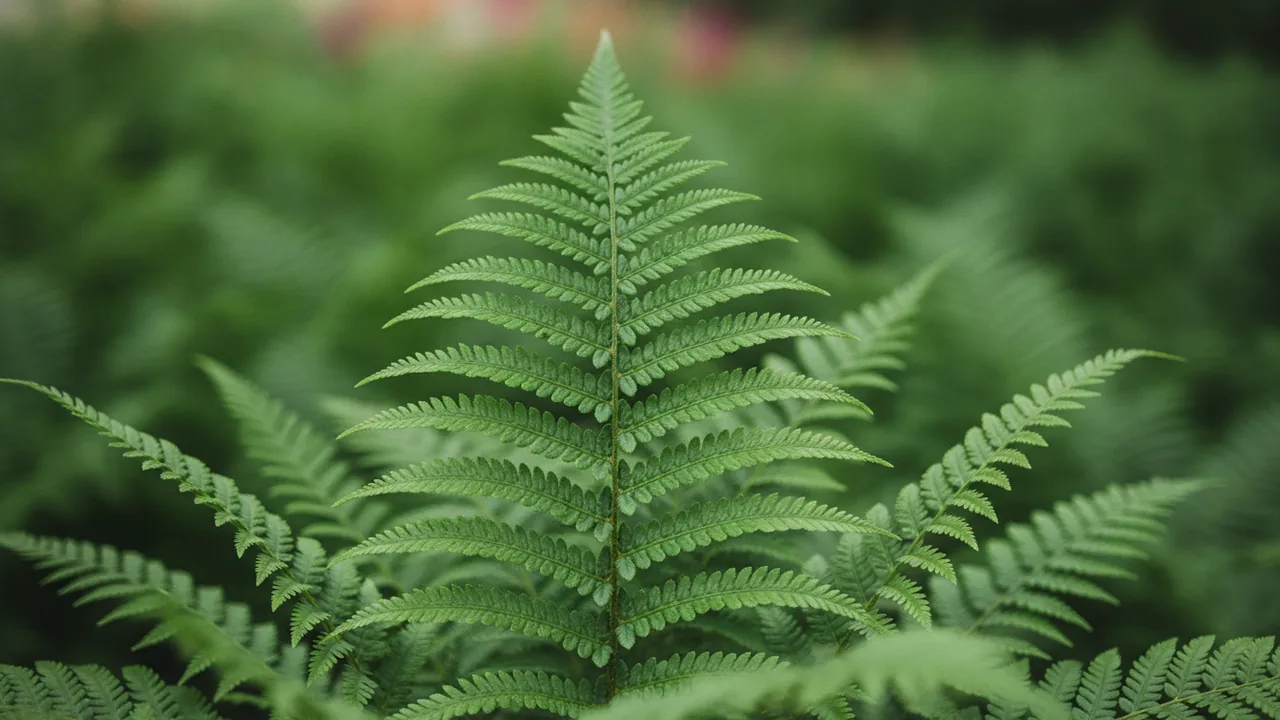
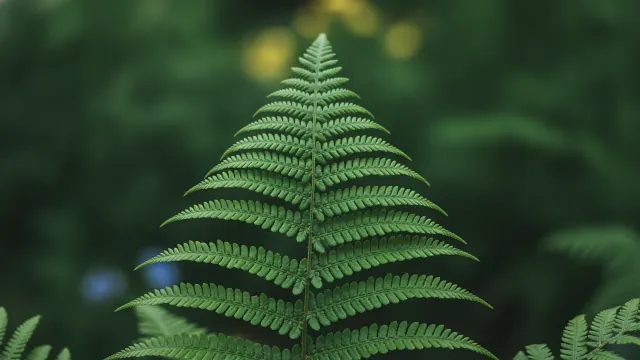
 Illustration

Boston Fern
Nephrolepis exaltata
Boston Fern is grown for its foliage rather than flowers, giving the garden structure and color all season long.
Months here are Northern Hemisphere months; in the Southern Hemisphere, shift them by six months.
Growing Boston Fern
Plant it in part shade. It prefers high water. It is hardy in USDA zones 9–11. Expect it to reach about 2 ft tall and 2.5 ft wide at maturity, in roughly 3 years (not yet checked).
What was checked
Mature height and spread, hardiness zones, sun and the trait tags were checked against named botanical sources for this plant. The bloom months and water need on this page were not, and each fact above says which. The planting, spacing and size sections are derived from these checked facts by a fixed rule, not checked separately, and the plant type is the library's own classification.
When to plant Boston Fern
Plant Boston Fern in early spring as soon as the soil is workable, or in early fall at least six weeks before your first frost, so roots establish in cool weather. In zone 9, the middle of its hardy zones 9 to 11, spring means January to March and fall means October or November.
Month-by-month timing for your zone is on the planting calendar; if you garden near zone 9, the middle of this plant's hardy range, start with zone 9 in January. Derived from the plant's category, zones and bloom months plus typical zone frost dates, not checked separately.
How big does Boston Fern get?
 2 fttall5 ft 7 inan adult2.5 ftwide
See Boston Fern in a garden plan: the planner shows it in 3D beside everything else you add, growing toward this size over the years.
How far apart to plant Boston Fern
Derived from the mature spread above by a fixed rule, not checked separately: spacing is the spread, center to center.
Space Boston Fern about 2.5 ft apart, center to center, so each plant has room to reach its full width.
Add Boston Fern to a garden plan and the planner draws it at its full width, so you see the spacing before you buy.
Where these facts come from
Boston Fern's height, spread, hardiness zones, sun and trait tags were checked against 4 published sources on July 29, 2026. Each one is linked below with every fact it carried, which can include a fact this page still marks as not yet checked, because a source carrying a value is not the same as the value being held to the standard. Facts not in that list, and the planting, spacing and size sections, are not covered by these sources.
- Missouri Botanical Gardenheight, spread, hardiness zones, sun and trait tags
- NC State ExtensionPlant Toolboxheight, spread, hardiness zones, sun and trait tags
- University of Florida IFASEDIS FP427height, hardiness zones and sun
- University of Wisconsin HorticultureWisconsin Horticulturehardiness zones, sun and trait tags
How the checking works, and what each standard covers, is on the verified plants page.
Good to know about Boston Fern
Curated from university extensions, botanic gardens and other primary sources, with the source named on every note. A note reports what its source says; where that differs from a fact above, the fact above is this entry's stored value, and its mark says whether it has been checked.
Worth knowing
Dry indoor air causes both big complaints at once: it browns and sheds the leaflets and it invites spider mites and scale. Raising humidity fixes and prevents both. per NC State and Clemson
Zone range varies by source
Sources split on the cold limit: some list zone 9, others 10 or 10a. Treat zone 9 as marginal outdoors and overwinter it indoors where winters bring frost. per NC State
Pet-safe and non-toxic
ASPCA lists it non-toxic to dogs and cats, and NC State adds horses. Its pet-safety is a big reason it is such a favored houseplant. per ASPCA and NC State
Never flowers
As a fern it never blooms; it reproduces by spores held in dark brown to black dots on the undersides of the fronds. Do not wait for flowers. per NC State
Air-cleaning reputation
Famous as an air cleaner, but the evidence is from sealed lab chambers, not proof that a few pots will noticeably clean a real, ventilated room. per NC State and PubMed Central
Invasive lookalike in Florida
Planting it outdoors in a warm region? Its relative the tuberous sword fern is a Florida invasive; only that species grows underground tubers, so check for them. per University of Florida
What pairs well with Boston Fern
Good companions share its growing conditions and add something it lacks: an earlier or later bloom, a lower carpet in front, or structure through winter.
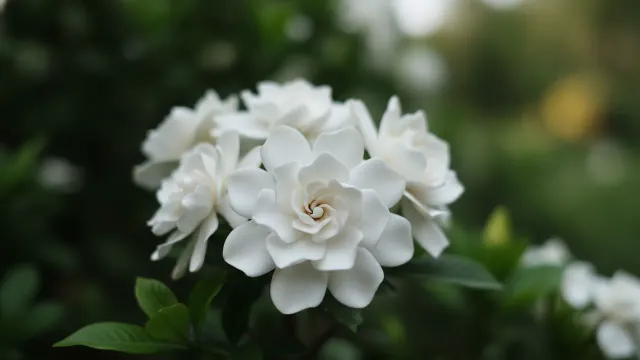
Gardenia
Takes part sun to part shade and high water; evergreen, so the bed keeps its shape through winter; taller at 4 ft, for the layer behind it.
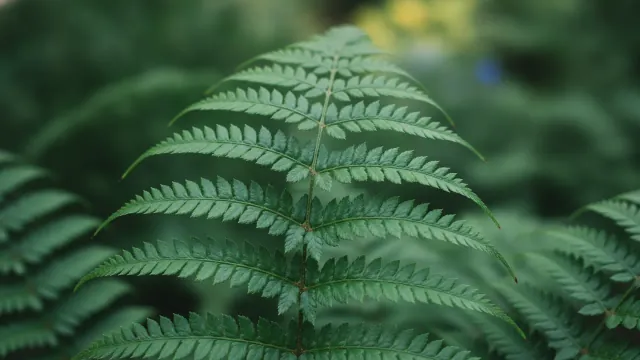
Holly Fern
Takes part shade to full shade and moderate to high water; evergreen, so the bed keeps its shape through winter; they only overlap in zones 9 to 10.
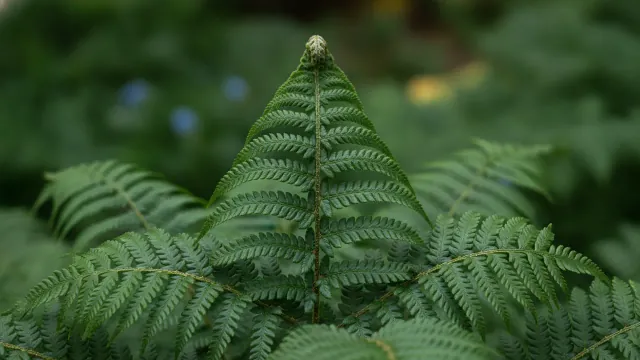
Christmas Fern
Takes part shade to full shade and moderate to high water; evergreen, so the bed keeps its shape through winter; both are North American natives; they only overlap in zone 9.
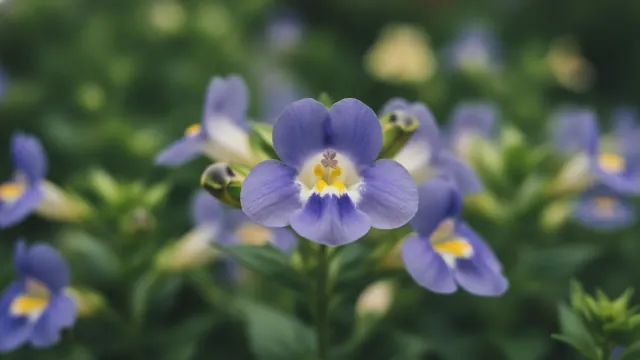
Wishbone Flower
Shares part shade and moderate to high water; lower at 10 in, for the front of the border.
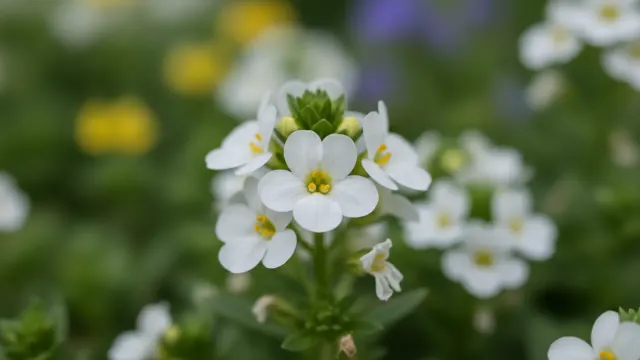
Bacopa
Takes part sun to part shade and moderate to high water; lower at 6 in, for the front of the border.
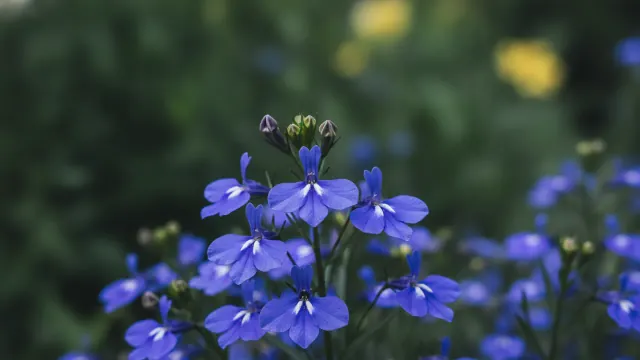
Lobelia
Takes part sun to part shade and moderate to high water; lower at 8 in, for the front of the border.
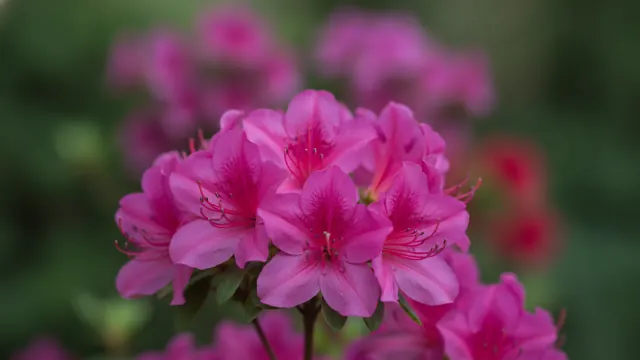
Azalea
Shares part shade and moderate to high water; evergreen, so the bed keeps its shape through winter; taller at 4 ft, for the layer behind it; they only overlap in zone 9.
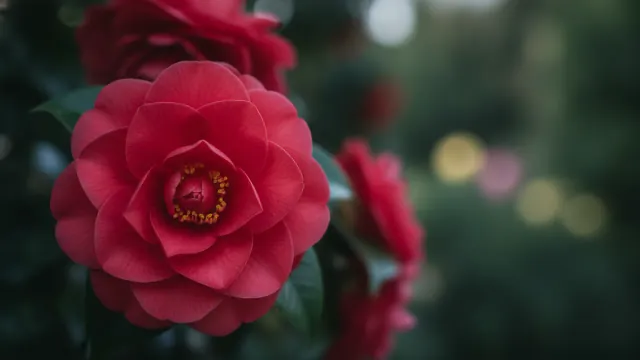
Camellia
Shares part shade and moderate to high water; evergreen, so the bed keeps its shape through winter; taller at 6.5 ft, for the layer behind it; they only overlap in zone 9.
Featured in these guides
Explore similar plants
You might also like
 FoliageFoliage
 FoliageFoliage
 Foliage
 Foliage
Design a garden with this
Drop this plant onto a 3D plan, see how it fills in, and watch your whole garden bloom across the year.