
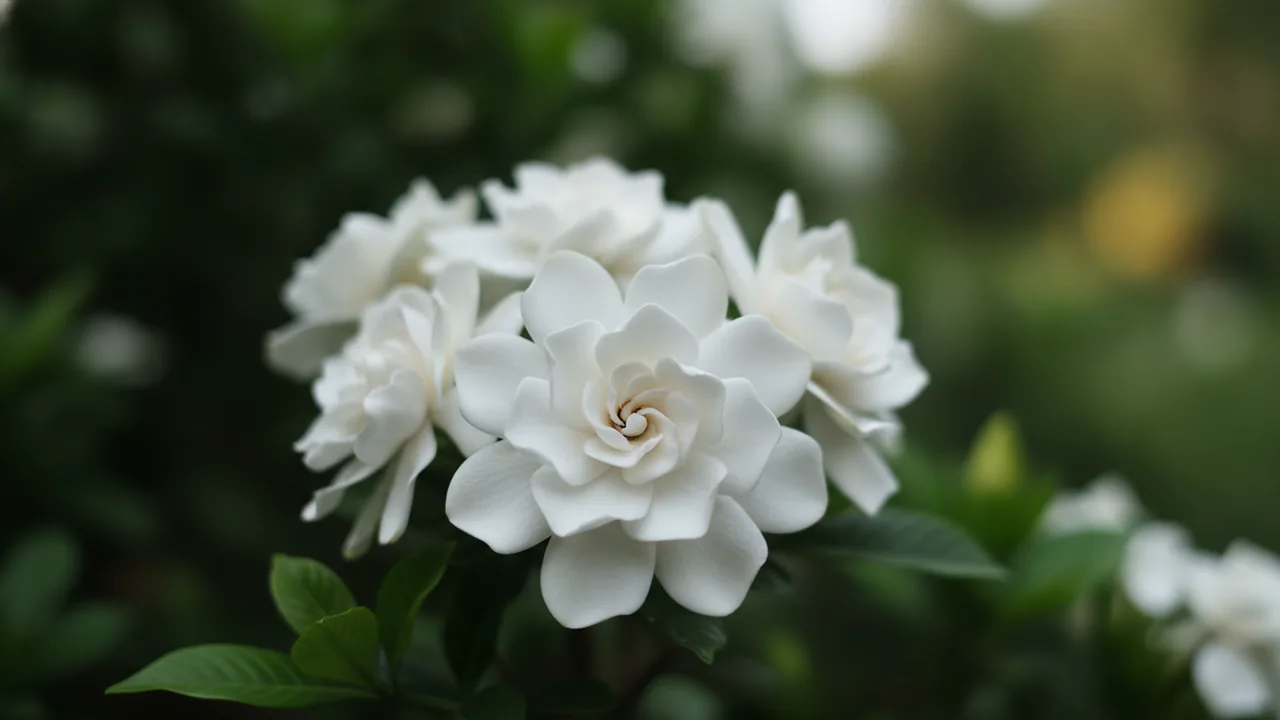
 Illustration

Gardenia
Gardenia jasminoides
Also called cape jasmine
Gardenia blooms from May through July.
Months here are Northern Hemisphere months; in the Southern Hemisphere, shift them by six months.
Growing Gardenia
Plant it in part sun. It prefers high water. It is hardy in USDA zones 8–11. Expect it to reach about 4 ft tall and 4 ft wide at maturity, in roughly 4 years (not yet checked).
What was checked
Mature height and spread, hardiness zones, sun and the trait tags were checked against named botanical sources for this plant. The bloom months and water need on this page were not, and each fact above says which. The planting, spacing and size sections are derived from these checked facts by a fixed rule, not checked separately, and the plant type is the library's own classification.
When to plant Gardenia
Plant Gardenia in early spring as soon as the soil is workable, or in early fall at least six weeks before your first frost, so roots establish in cool weather. In zone 9, the middle of its hardy zones 8 to 11, spring means January to March and fall means October or November. Once settled, it blooms from May to July.
Month-by-month timing for your zone is on the planting calendar; if you garden near zone 9, the middle of this plant's hardy range, start with zone 9 in January. Derived from the plant's category, zones and bloom months plus typical zone frost dates, not checked separately.
How big does Gardenia get?
 4 fttall5 ft 7 inan adult4 ftwide
See Gardenia in a garden plan: the planner shows it in 3D beside everything else you add, growing toward this size over the years.
How far apart to plant Gardenia
Derived from the mature spread above by a fixed rule, not checked separately: spacing is the spread, center to center.
Space Gardenia about 4 ft apart, center to center, so each plant has room to reach its full width.
Add Gardenia to a garden plan and the planner draws it at its full width, so you see the spacing before you buy.
Where these facts come from
Gardenia's height, spread, hardiness zones, sun and trait tags were checked against 11 published sources on July 29, 2026. Each one is linked below with every fact it carried, which can include a fact this page still marks as not yet checked, because a source carrying a value is not the same as the value being held to the standard. Facts not in that list, and the planting, spacing and size sections, are not covered by these sources.
- Clemson Home and Garden Information CenterClemson Cooperative Extension Home and Garden Information Centerheight, spread, hardiness zones, sun and trait tags
- edis.ifas.ufl.eduUniversity of Florida IFAS Extension EDIS, Gardenia jasminoides 'Prost...height, spread, hardiness zones, sun and trait tags
- fast-growing-trees.comFast Growing Trees, Frost Proof Gardeniaheight, spread, hardiness zones, sun and trait tags
- Missouri Botanical GardenPlant Finderheight, spread, hardiness zones, sun and trait tags
- NC State ExtensionPlant Toolboxheight, spread, hardiness zones, sun and trait tags
- southernlivingplants.comSouthern Living Plant Collection, Jubilation Gardeniaheight, spread, hardiness zones, sun and trait tags
- University of Georgia ExtensionB 625height, hardiness zones, sun and trait tags
- NC State ExtensionPlant Toolbox, Gardenia genus entryhardiness zones, sun and trait tags
- purdue.eduPurdue University Horticulture and Landscape Architecture, Purdue Exte...height, sun and trait tags
- University of Florida IFASExtension, Gardening Solutionsheight, sun and trait tags
- edis.ifas.ufl.eduUniversity of Florida IFAS Extension EDIS, Gardenias at a Glance (EP338)sun and trait tags
How the checking works, and what each standard covers, is on the verified plants page.
Comes in 6 varieties
Same plant, same care - pick the variety you are growing.
Compare every variety in the Gardenia group
Every figure is the variety's own page fact. Tap a name to open it.
| Variety | Color | Blooms | Hardiness | Sun | Size (H × W) |
|---|---|---|---|---|---|
| August Beauty | White | May–Sep | Zones 8–11 | Part sun | 5 ft × 4 ft |
| Crown Jewel | White | May–Jul | Zones 6–10 | Part sun | 2.5 ft × 4 ft |
| Frostproof | White | May–Jul | Zones 7–11 | Part sun | 4.5 ft × 4 ft |
| Gardeniathis page | White | May–Jul | Zones 8–11 | Part sun | 4 ft × 4 ft |
| Kleim's Hardy | White | May–Jul | Zones 7–10 | Part sun | 2.5 ft × 2.5 ft |
| Radicans | White | May–Jul | Zones 8–11 | Part sun | 1.5 ft × 3.5 ft |
| Veitchii | White | May–Sep | Zones 8–11 | Part sun | 4.5 ft × 3.5 ft |
Good to know about Gardenia
Curated from university extensions, botanic gardens and other primary sources, with the source named on every note. A note reports what its source says; where that differs from a fact above, the fact above is this entry's stored value, and its mark says whether it has been checked.
Safety
Toxic to dogs, cats and horses, but only mildly: eating it typically causes mild vomiting or diarrhea, sometimes hives. The toxins are geniposide and gardenoside. per ASPCA and NC State
Worth knowing
Its make-or-break need is acidic soil (about pH 5.0 to 6.5). Above roughly pH 7.0 iron gets locked up and the young leaves yellow between green veins. per Clemson and University of Florida
When to prune
Clemson and the University of Florida say prune right after the summer flush, never after October 1. NC State says prune in spring, which fits reblooming cultivars. per Clemson and NC State
Buds drop under stress
Unopened buds falling is a classic complaint, triggered by temperature swings, low humidity, over- or under-watering, poor drainage, too little light, or moving the plant. Keep the environment steady. per Clemson
Sap-sucking pests and sooty mold
Whitefly, aphids, scale, mealybugs and thrips suck sap and yellow the leaves. Their sticky honeydew grows black sooty mold, so controlling the insects is what clears the mold. per Clemson
Grafting: nematode fix vs cold
In warm sandy soil, root-knot nematodes gall the roots. Grafting onto Gardenia thunbergia rootstock resists them, but those grafted plants are less cold-hardy than own-root ones. per University of Florida
Intensely fragrant white flowers
Waxy, creamy-white flowers 5 to 10 cm (2 to 4 in) across carry the famous heady scent, single or double, and age to cream or pale yellow. per NC State
What pairs well with Gardenia
Good companions share its growing conditions and add something it lacks: an earlier or later bloom, a lower carpet in front, or structure through winter.
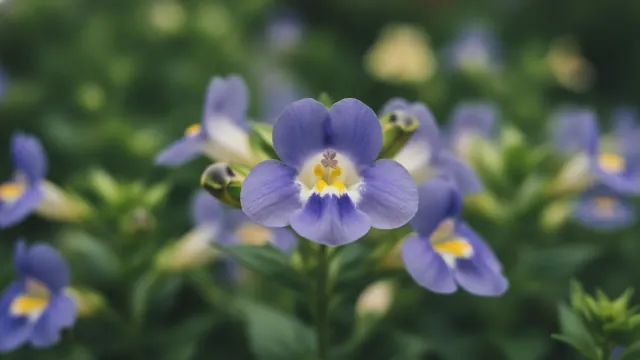
Wishbone Flower
Takes part sun to part shade and moderate to high water; lower at 10 in, for the front of the border; overlaps, then carries the display into early fall; a soft color beside the white.
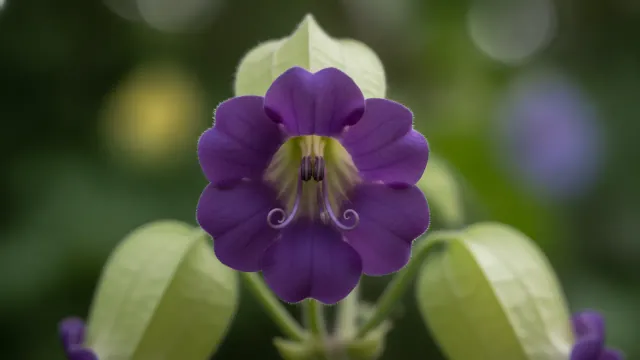
Cup and Saucer Vine
Takes full sun to part sun and moderate to high water; blooms in late summer as this one finishes; climbs to 15 ft behind it, height without the footprint; a soft color beside the white.
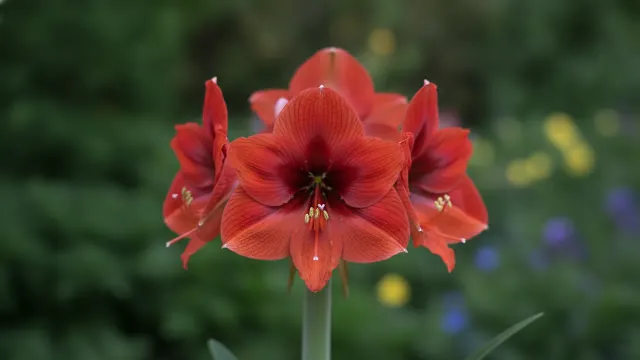
Amaryllis
Shares part sun and moderate to high water; blooms in early spring, before this one opens; lower at 1.5 ft, for the front of the border; a soft color beside the white.
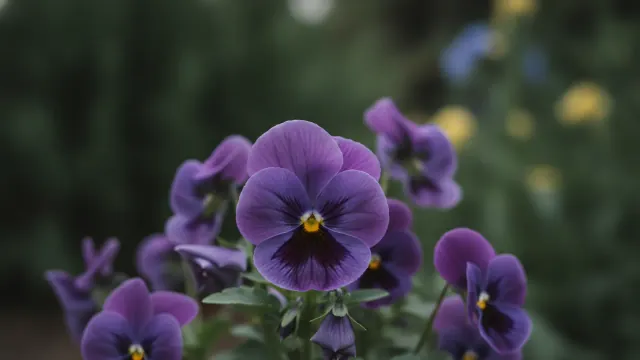
Pansy
Shares part sun and moderate to high water; lower at 8 in, for the front of the border; opens in early spring and overlaps into this one's season; a soft color beside the white.
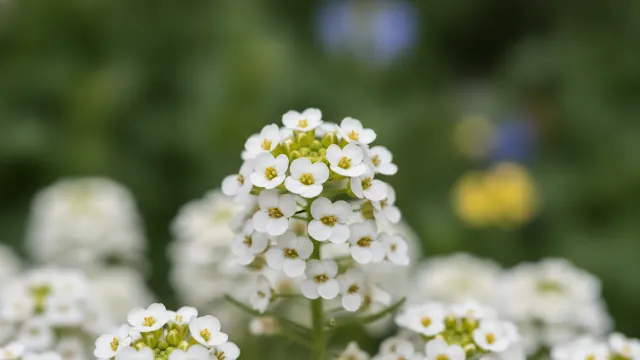
Sweet Alyssum
Takes full sun to part sun and moderate to high water; low at 5 in, to carpet the ground beneath; overlaps, then carries the display into mid fall; its white flowers settle the white.
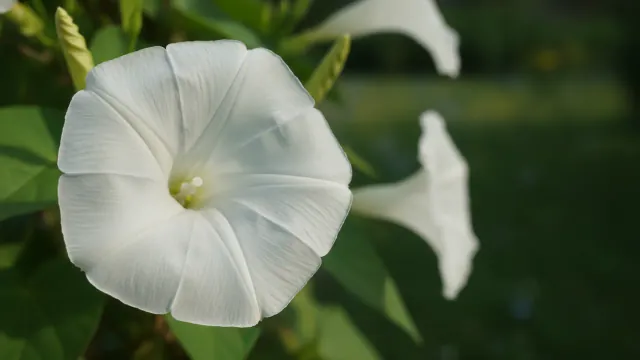
Moonflower
Takes full sun to part sun and moderate to high water; overlaps, then carries the display into early fall; climbs to 13 ft behind it, height without the footprint; its white flowers settle the white.
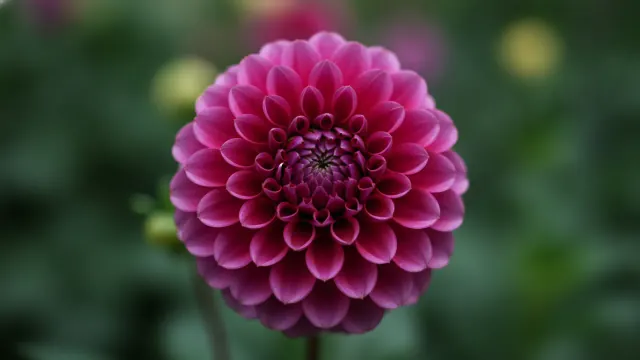
Dahlia
Takes full sun to part sun and high water; overlaps, then carries the display into mid fall; a soft color beside the white.
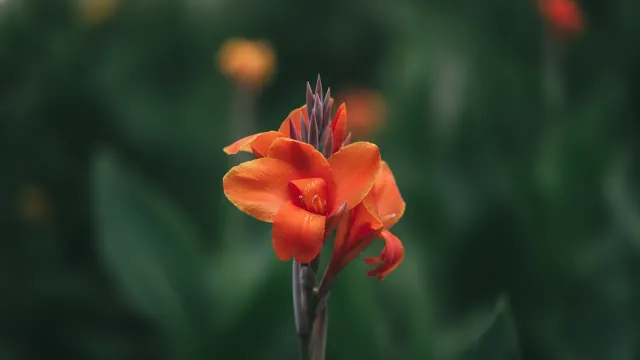
Canna Lily
Takes full sun to part sun and high water; overlaps, then carries the display into early fall; a soft color beside the white.
Explore similar plants
You might also like
Design a garden with this
Drop this plant onto a 3D plan, see how it fills in, and watch your whole garden bloom across the year.