
 Illustration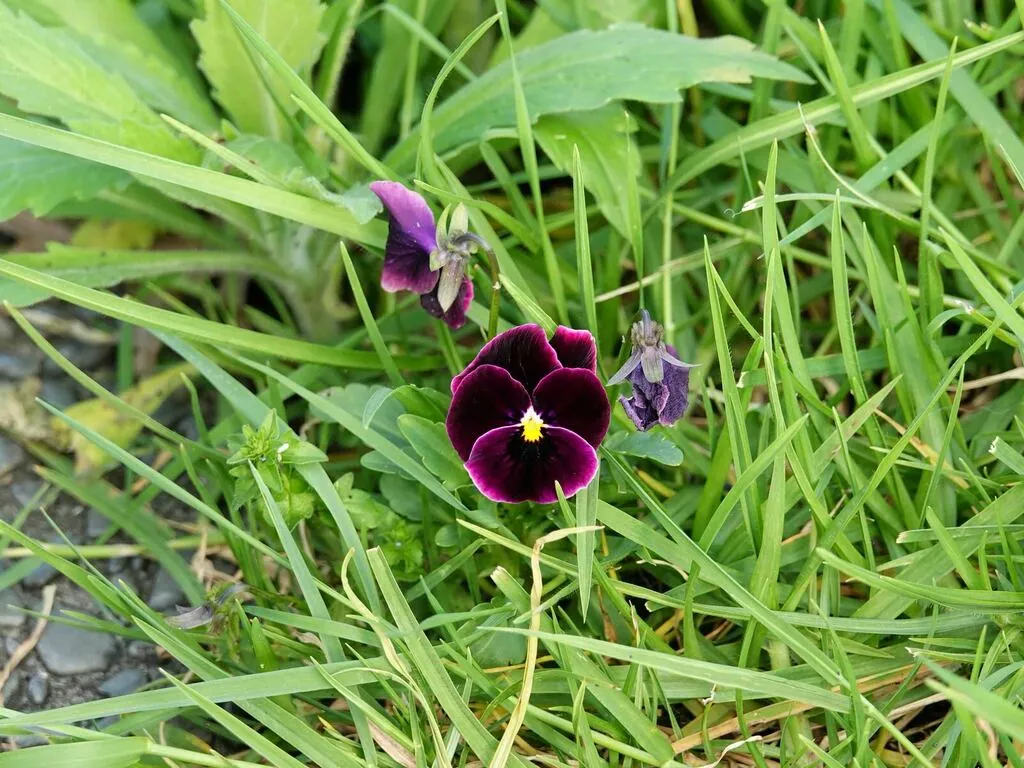
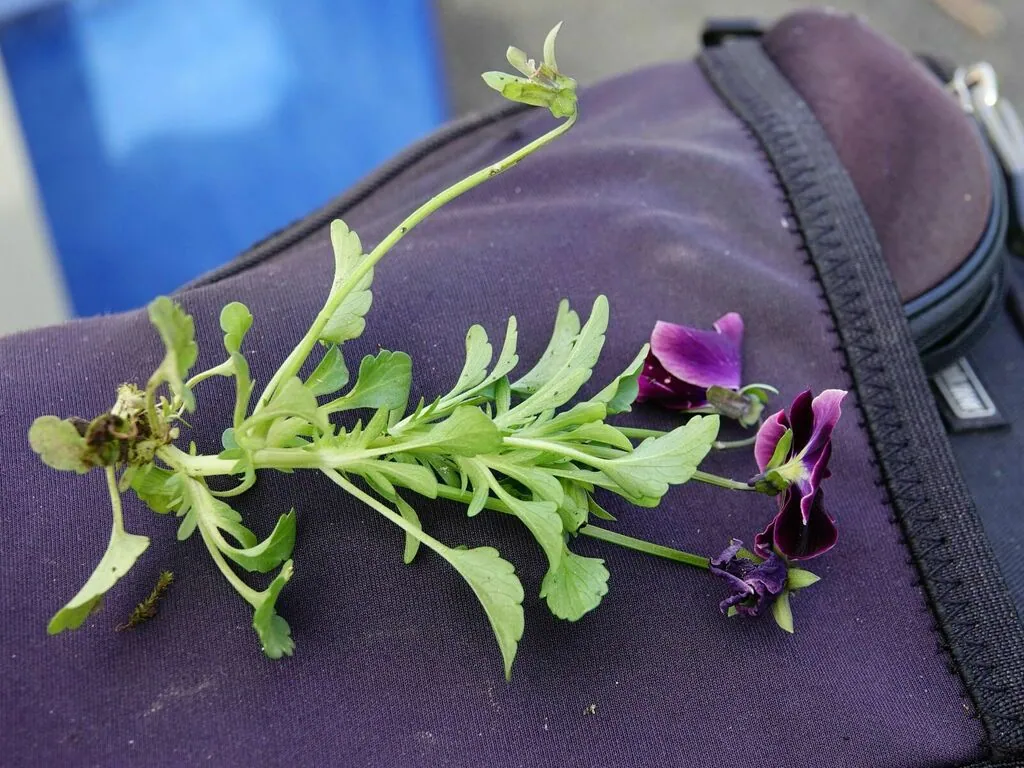
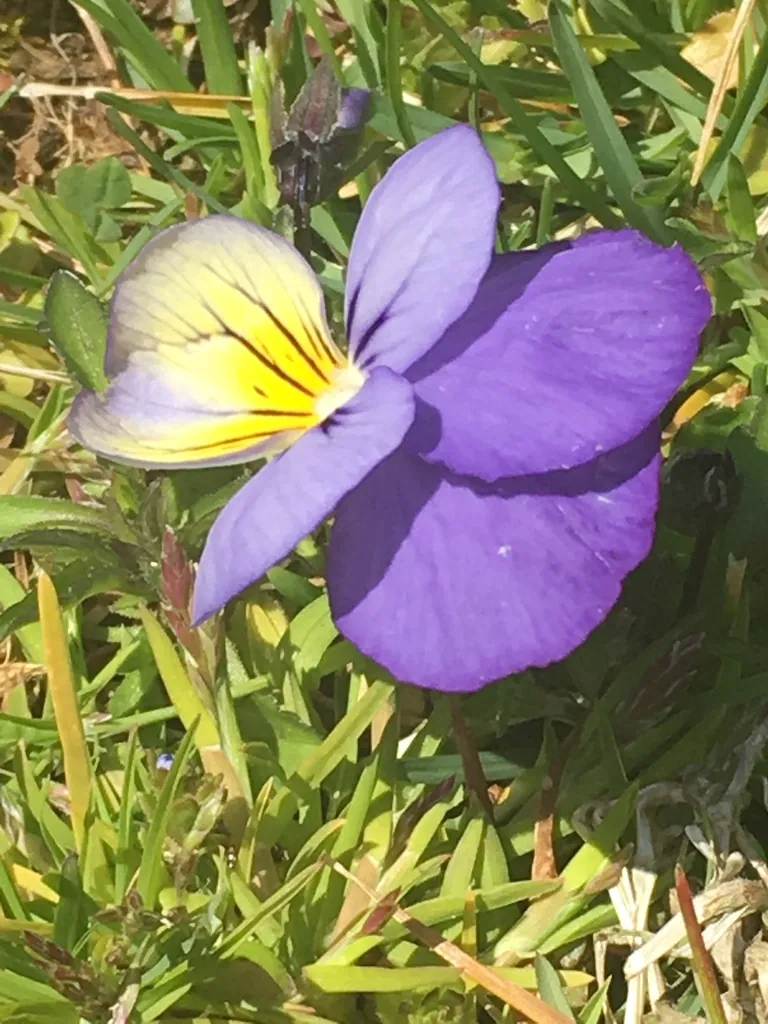
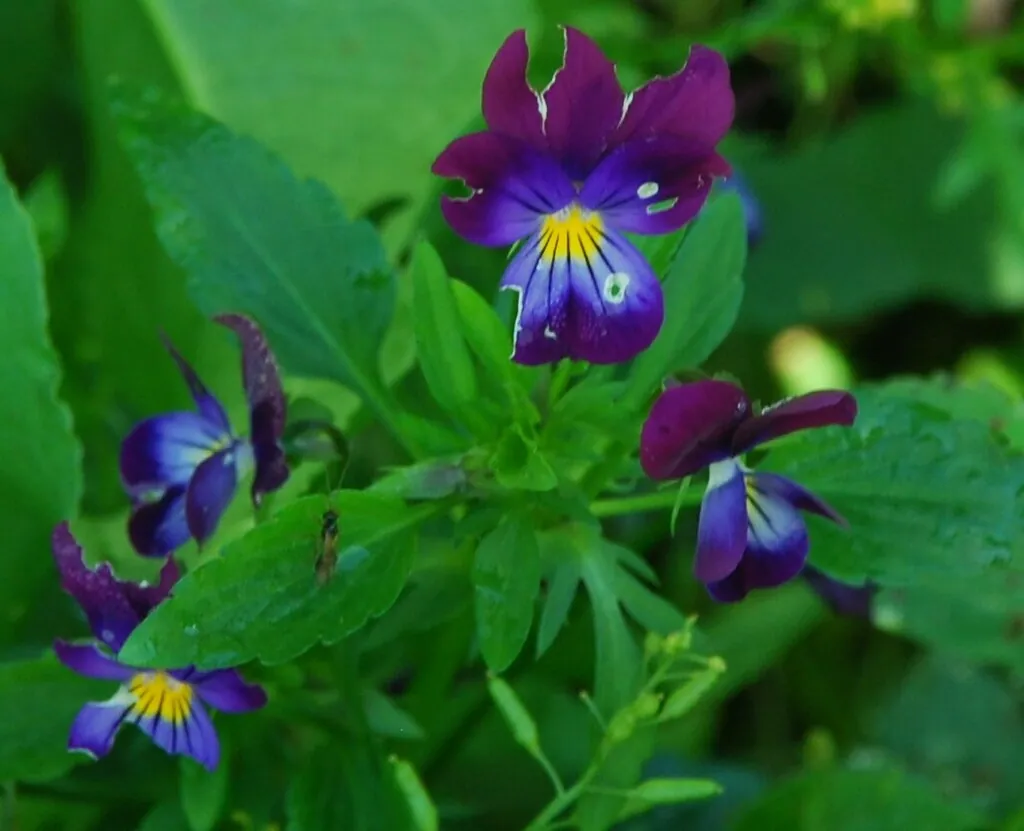

Photo credits and licenses
Real photographs from naturalists and photographers worldwide, each used under its own license. Credit: Photo by Jacqui Geux / iNaturalist (CC BY), Photo by Jacqui Geux / iNaturalist (CC BY), Photo by Bobby McCabe / iNaturalist (CC BY) and Photo by Татьяна Максимова / iNaturalist (CC BY). How photos are sourced →

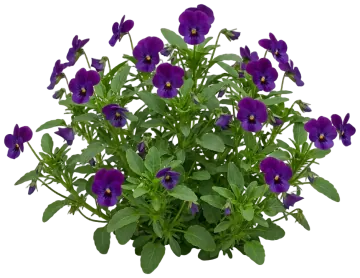
Pansy
Viola × wittrockiana
Pansy blooms from March through June.
Months here are Northern Hemisphere months; in the Southern Hemisphere, shift them by six months.
Growing Pansy
Plant it in part sun. It prefers moderate water. Expect it to reach about 8 in tall and 8 in wide at maturity, in roughly 1 year (not yet checked).
What was checked
Mature height and spread, hardiness zones, sun and the trait tags were checked against named botanical sources for this plant. The bloom months and water need on this page were not, and each fact above says which. The planting, spacing and size sections are derived from these checked facts by a fixed rule, not checked separately, and the plant type is the library's own classification.
When to plant Pansy
Pansy is a cool-season annual: plant it out in early spring as soon as the soil can be worked, a few weeks before the last frost, since it takes light frost and fades in summer heat; in mild-winter zones it also goes in during fall. In a zone 5 garden that means April or May. It flowers from March to June.
Month-by-month timing for your zone is on the planting calendar. Derived from the plant's category, zones and bloom months plus typical zone frost dates, not checked separately.
How big does Pansy get?
 8 intall5 ft 7 inan adult8 inwide
See Pansy in a garden plan: the planner shows it in 3D beside everything else you add, growing toward this size over the years.
How far apart to plant Pansy
Derived from the mature spread above by a fixed rule, not checked separately: spacing is the spread, center to center.
Space Pansy about 8 in apart, center to center, so each plant has room to reach its full width.
Add Pansy to a garden plan and the planner draws it at its full width, so you see the spacing before you buy.
Where these facts come from
Pansy's height, spread, hardiness zones, sun and trait tags were checked against 7 published sources on July 30, 2026. Each one is linked below with every fact it carried, which can include a fact this page still marks as not yet checked, because a source carrying a value is not the same as the value being held to the standard. Facts not in that list, and the planting, spacing and size sections, are not covered by these sources.
- Missouri Botanical GardenViola x wittrockiana, pansyheight, spread, hardiness zones, sun and trait tags
- NC State ExtensionViola x wittrockiana, pansyheight, spread, hardiness zones, sun and trait tags
- Clemson Home and Garden Information CenterPansies & Johnny-Jump-Ups, Viola x wittrockianaheight, spread, sun and trait tags
- NC State ExtensionViola, the genus entryhardiness zones, sun and trait tags
- University of Florida IFASUF/IFAS Gardening Solutions (Pansies, Viola x wittrockiana)height, spread and sun
- Mississippi State University ExtensionAnnual and Perennial Flowers for Mississippi Gardens, Table 1 pansy rowheight and sun
- Swallowtail Garden SeedsPansy Seeds, Viola x wittrockianasun and trait tags
How the checking works, and what each standard covers, is on the verified plants page.
11 more colors in the Pansies & Violas group
Same genus, similar care - pick the one you are growing.
Compare every variety in the Pansies & Violas group
Every figure is the variety's own page fact. Tap a name to open it.
| Variety | Color | Blooms | Hardiness | Sun | Size (H × W) |
|---|---|---|---|---|---|
| Black | Purple | Mar–Jun | Annual (replant yearly) | Part sun | 8 in × 8 in |
| Blue | Blue | Mar–Jun | Annual (replant yearly) | Part sun | 8 in × 8 in |
| Orange | Orange | Mar–Jun | Annual (replant yearly) | Part sun | 8 in × 8 in |
| Pansythis page | Purple | Mar–Jun | Annual (replant yearly) | Part sun | 8 in × 8 in |
| Purple Face | Purple | Mar–Jun | Annual (replant yearly) | Part sun | 8 in × 8 in |
| Red | Red | Mar–Jun | Annual (replant yearly) | Part sun | 8 in × 8 in |
| Rose | Pink | Mar–Jun | Annual (replant yearly) | Part sun | 8 in × 8 in |
| Sorbet Viola | Purple | Mar–Jun | Annual (replant yearly) | Part sun | 6 in × 8 in |
| White | White | Mar–Jun | Annual (replant yearly) | Part sun | 8 in × 8 in |
| Yellow Blotch | Yellow | Mar–Jun | Annual (replant yearly) | Part sun | 8 in × 8 in |
| Yellow | Yellow | Mar–Jun | Annual (replant yearly) | Part sun | 8 in × 8 in |
| Yellow Viola | Yellow | Mar–Jun | Annual (replant yearly) | Part sun | 6 in × 8 in |
Good to know about Pansy
Curated from university extensions, botanic gardens and other primary sources, with the source named on every note. A note reports what its source says; where that differs from a fact above, the fact above is this entry's stored value, and its mark says whether it has been checked.
Worth knowing
The flowers are edible with a mild grassy flavor, but nursery pansies are often grown with pesticides that are not food-safe, so eat only home-grown or organic blooms. per University of Minnesota and NC State
When to plant
Planting time is regional: in mild-winter areas set out pansies in fall for winter and spring bloom; in cold regions plant in early spring instead. per Clemson and Iowa State
Melts out in summer heat
Pansies love cool weather and light frost but decline in heat: they stretch leggy, stop flowering, and melt away as summer arrives, then get pulled and replaced. per Iowa State
Deadhead and pinch often
Remove spent flowers and pinch back leggy stems to keep plants compact and blooming: deadheading redirects energy from seed-making back into new flowers. per NC State
Safe for cats and dogs
The ASPCA lists pansies as non-toxic to dogs and cats, so a nibbled leaf or flower is not a poisoning worry. per ASPCA
One watering rule prevents disease
Water at the base in the morning, never overhead or late in the day, and give sharp drainage: the same move stops root rot and leaf diseases. per Clemson and University of Florida
What pairs well with Pansy
Good companions share its growing conditions and add something it lacks: an earlier or later bloom, a lower carpet in front, or structure through winter.
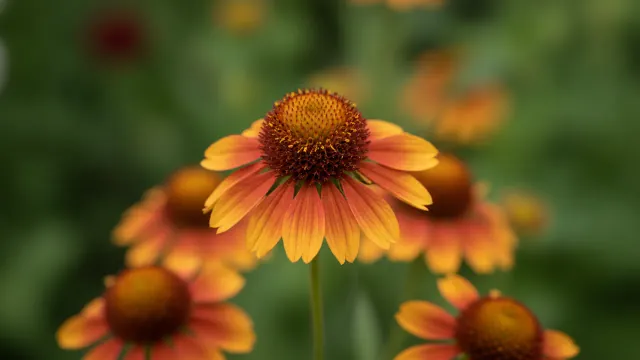
Sneezeweed
Takes full sun to part sun and moderate water; blooms in midsummer as this one finishes; taller at 3.5 ft, for the layer behind it; both offer pollinator forage, in different months.
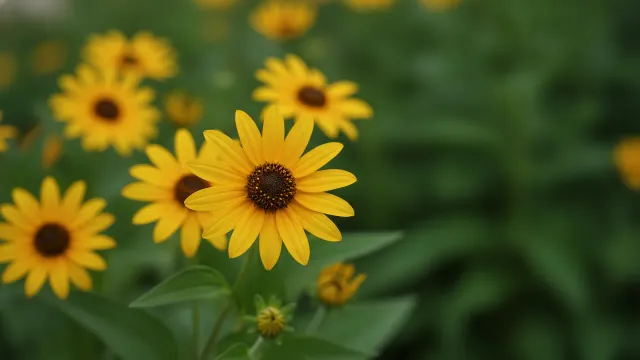
False Sunflower
Takes full sun to part sun and moderate water; blooms in midsummer as this one finishes; taller at 4 ft, for the layer behind it; both offer pollinator forage, in different months.
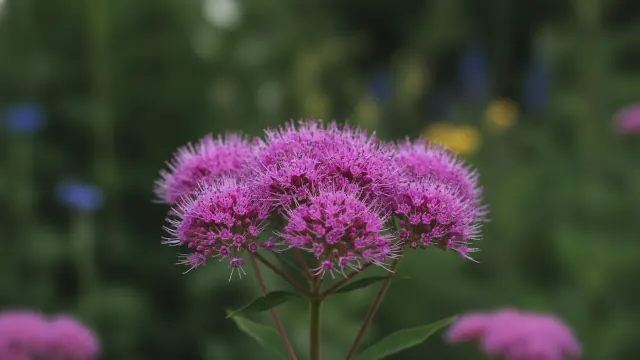
Joe Pye Weed
Takes full sun to part sun and moderate to high water; blooms in midsummer as this one finishes; stands well above at 6 ft, a canopy to plant beneath; both offer pollinator forage, in different months.
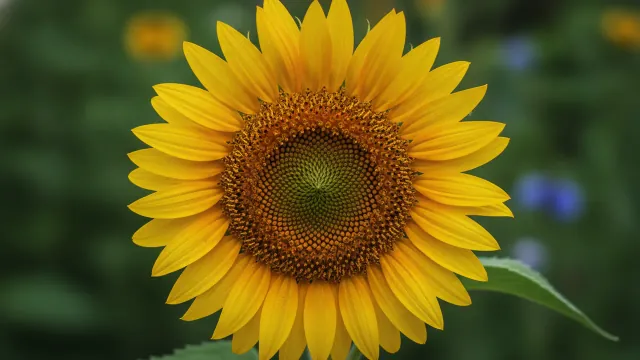
Sunflower
Takes full sun to part sun and moderate water; blooms in midsummer as this one finishes; stands well above at 6.5 ft, a canopy to plant beneath; both offer pollinator forage, in different months.
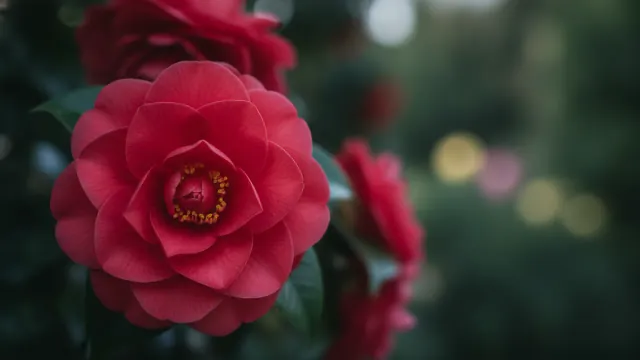
Camellia
Takes part sun to part shade and moderate water; opens in midwinter and overlaps into this one's season; stands well above at 6.5 ft, a canopy to plant beneath; evergreen, so the bed keeps its shape through winter.
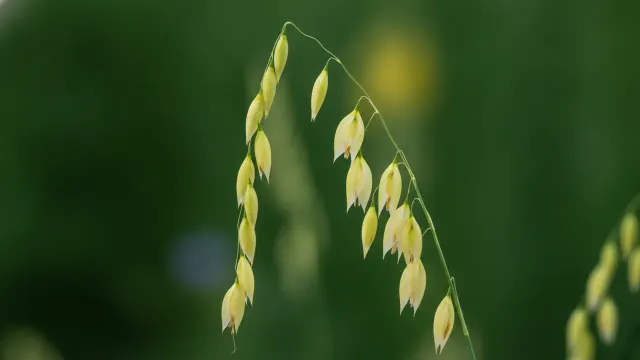
Northern Sea Oats
Takes part sun to part shade and moderate water; blooms in midsummer as this one finishes; taller at 3.5 ft, for the layer behind it; its seed heads stand through winter, for structure and the birds.
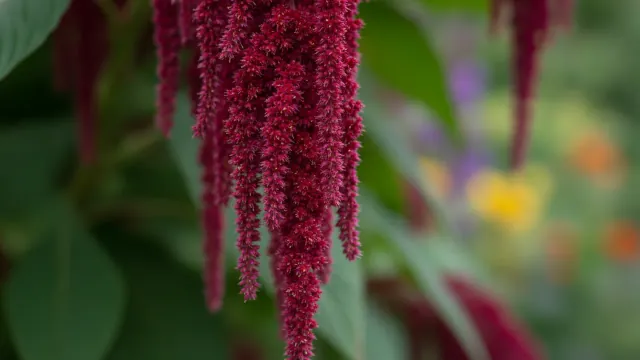
Love-Lies-Bleeding
Takes full sun to part sun and moderate water; blooms in midsummer as this one finishes; taller at 3.5 ft, for the layer behind it; both offer pollinator forage, in different months.
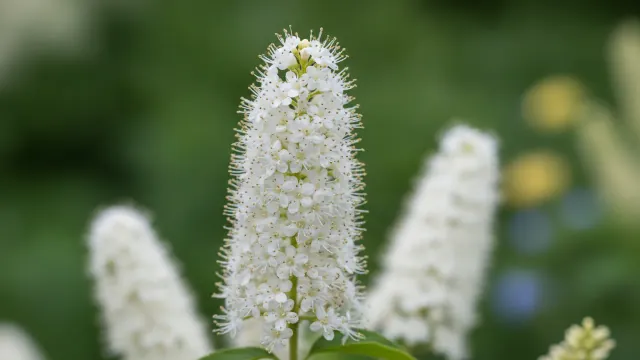
Summersweet
Takes part sun to part shade and moderate to high water; blooms in midsummer as this one finishes; stands well above at 6 ft, a canopy to plant beneath; both offer pollinator forage, in different months.
Explore similar plants
You might also like
 Foliage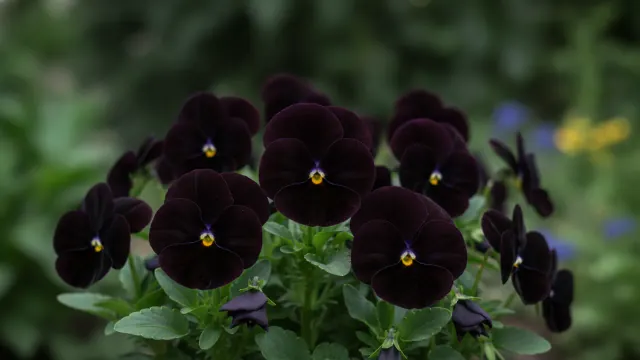
 Foliage
Design a garden with this
Drop this plant onto a 3D plan, see how it fills in, and watch your whole garden bloom across the year.