
 Illustration

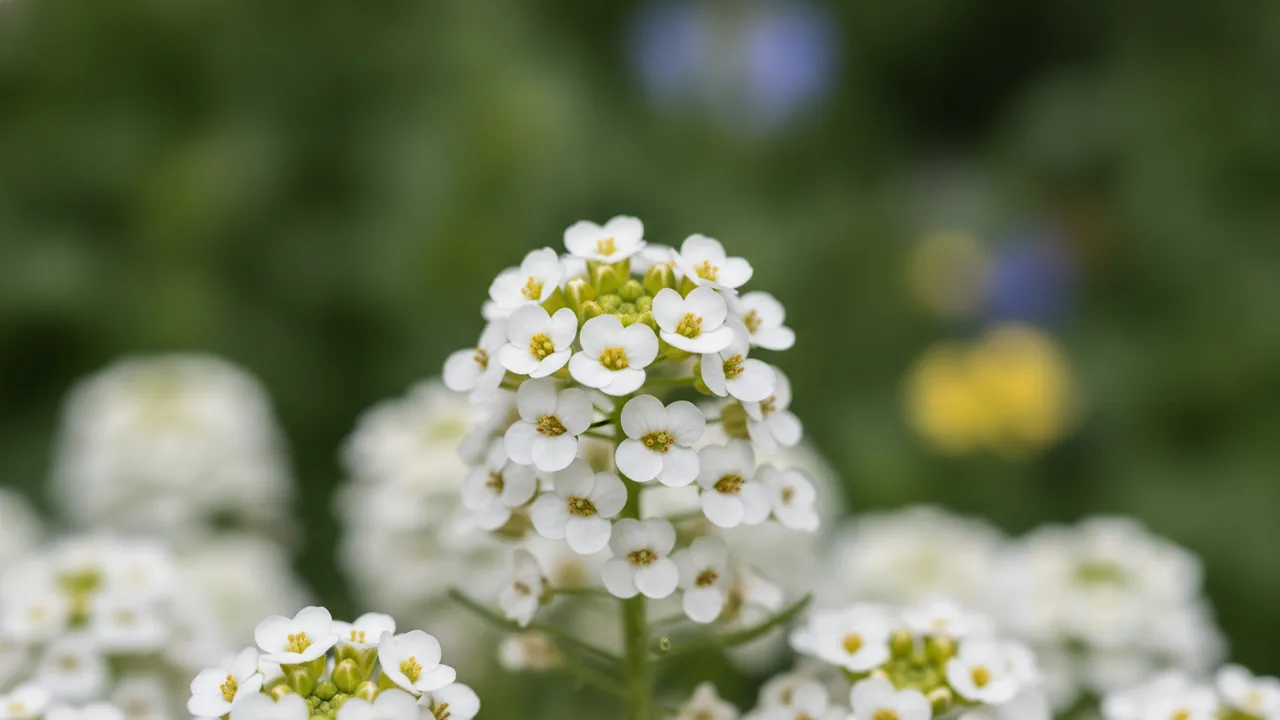
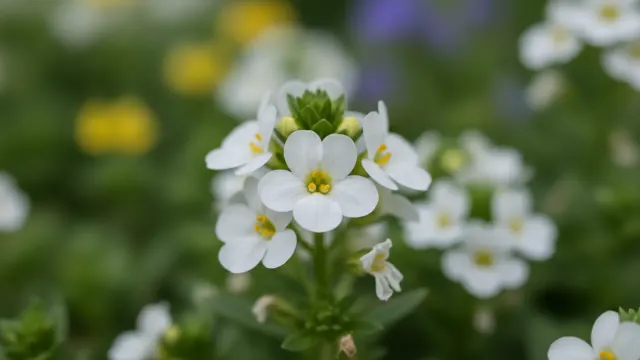
Sweet Alyssum
Lobularia maritima
Sweet Alyssum blooms from May through October.
Months here are Northern Hemisphere months; in the Southern Hemisphere, shift them by six months.
Growing Sweet Alyssum
Plant it in full sun. It prefers moderate water. Expect it to reach about 5 in tall and 12 in wide at maturity, in roughly 1 year (not yet checked).
No toxicity note is on file for Sweet Alyssum. That is not a clearance: check its safety for people and pets before planting.
What was checked
Mature height and spread, hardiness zones, sun and the trait tags were checked against named botanical sources for this plant. The bloom months and water need on this page were not, and each fact above says which. The planting, spacing and size sections are derived from these checked facts by a fixed rule, not checked separately, and the plant type is the library's own classification.
When to plant Sweet Alyssum
Wait until all danger of frost has passed, then plant out Sweet Alyssum into warm soil; in most zones that means late spring. Planted then, it flowers from May to October.
Month-by-month timing for your zone is on the planting calendar. Derived from the plant's category, zones and bloom months plus typical zone frost dates, not checked separately.
How big does Sweet Alyssum get?
 5 intall5 ft 7 inan adult12 inwide
See Sweet Alyssum in a garden plan: the planner shows it in 3D beside everything else you add, growing toward this size over the years.
How far apart to plant Sweet Alyssum
Derived from the mature spread above by a fixed rule, not checked separately: spacing is the spread, center to center.
Space Sweet Alyssum about 12 in apart, center to center, so each plant has room to reach its full width.
Add Sweet Alyssum to a garden plan and the planner draws it at its full width, so you see the spacing before you buy.
Where these facts come from
Sweet Alyssum's height, spread, hardiness zones, sun and trait tags were checked against 9 published sources on July 30, 2026. Each one is linked below with every fact it carried, which can include a fact this page still marks as not yet checked, because a source carrying a value is not the same as the value being held to the standard. Facts not in that list, and the planting, spacing and size sections, are not covered by these sources.
- NC State ExtensionLobularia maritimaheight, spread, hardiness zones, sun, years to mature size and trait tags
- Missouri Botanical GardenLobularia maritimaheight, spread, hardiness zones, sun and trait tags
- Clemson Home and Garden Information CenterSweet Alyssumheight, spread, sun and trait tags
- Cornell Cooperative ExtensionSweet Alyssumheight, spread, sun and trait tags
- University of Florida IFASUF/IFAS Gardening Solutions (Sweet Alyssum)height, spread, sun and trait tags
- asu.eduArizona State University virtual plant library (Lobularia maritima)height, spread and sun
- University of Florida IFASUF/IFAS Extension Nassau County (Q: What can you tell me about Sweet a...height, spread and sun
- University of Wisconsin HorticultureWisconsin Horticulture, UW-Madison Division of Extension (Sweet Alyssu...height, sun and trait tags
- Swallowtail Garden SeedsAlyssum Seeds, Lobularia maritimasun and trait tags
How the checking works, and what each standard covers, is on the verified plants page.
Comes in 5 varieties across 4 colors
Same genus, similar care - pick the color you are growing.
Compare every variety in the Sweet Alyssum group
Every figure is the variety's own page fact. Tap a name to open it.
| Variety | Color | Blooms | Hardiness | Sun | Size (H × W) |
|---|---|---|---|---|---|
| Apricot | Orange | May–Oct | Annual (replant yearly) | Full sun | 5 in × 16 in |
| Lavender Stream | Purple | May–Oct | Annual (replant yearly) | Full sun | 5 in × 16 in |
| Rosie O'Day | Pink | May–Oct | Annual (replant yearly) | Full sun | 4 in × 12 in |
| Royal Carpet | Purple | May–Oct | Annual (replant yearly) | Full sun | 4 in × 12 in |
| Snow Princess | White | May–Oct | Annual (replant yearly) | Full sun | 6 in × 20 in |
| Sweetthis page | White | May–Oct | Annual (replant yearly) | Full sun | 5 in × 12 in |
Good to know about Sweet Alyssum
Curated from university extensions, botanic gardens and other primary sources, with the source named on every note. A note reports what its source says; where that differs from a fact above, the fact above is this entry's stored value, and its mark says whether it has been checked.
Worth knowing
Its tiny flowers make it an aphid-control powerhouse: adult hover flies sip the nectar, and each of their larvae then eats up to about 400 aphids. per Wisconsin
Summer heat depends on cultivar
Older seed-grown types slow and look ragged in midsummer heat, then revive in fall after a light shear. Modern sterile hybrids like 'Snow Princess' bloom straight through. per Clemson
Self-seeding varies by region
In most gardens it reseeds only modestly, not aggressively. Along the California coast, though, it escapes into dunes and bluffs and is rated a Limited invasive. per Wisconsin and Cal-IPC
Honey-scented flowers
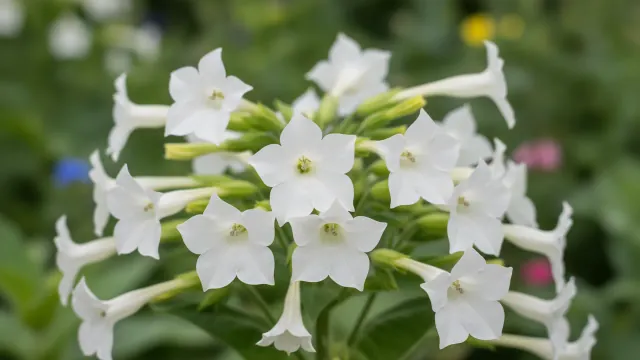
The tiny four-petaled flowers carry a sweet, honey-like scent, also likened to new-mown hay. The species is white; cultivars add lavender, purple, pink, rose and apricot. per NC State
Where to plant it
Works as a fragrant carpeting groundcover, a low edger along paths and beds, a filler between pavers, and a spiller trailing over containers and baskets. per Clemson
Lean soil, more flowers
Skip heavy feeding: overly rich soil pushes leafy growth at the expense of flowers. Lean, well-drained soil gives the best bloom; waterlogged soil invites root rot. per Wisconsin
Not 'basket-of-gold'
Often sold just as 'Alyssum', but it is Lobularia maritima, distinct from the yellow-flowered perennial 'basket-of-gold' (Aurinia saxatilis) that shares the nickname. per UF/IFAS
What pairs well with Sweet Alyssum
Good companions share its growing conditions and add something it lacks: an earlier or later bloom, a lower carpet in front, or structure through winter.
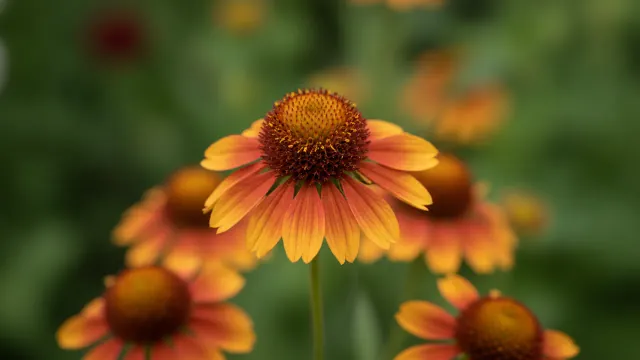
Sneezeweed
Shares full sun and moderate water; stands well above at 3.5 ft, a canopy to plant beneath; both are strong pollinator plants; its seed heads stand through winter, for structure and the birds.

Perennial Sunflower
Shares full sun and moderate water; stands well above at 5 ft, a canopy to plant beneath; both are strong pollinator plants; its seed heads stand through winter, for structure and the birds.
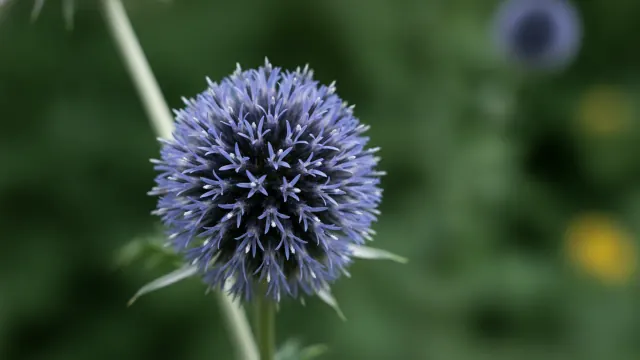
Globe Thistle
Shares full sun and low to moderate water; stands well above at 3.5 ft, a canopy to plant beneath; both are strong pollinator plants; its seed heads stand through winter, for structure and the birds.
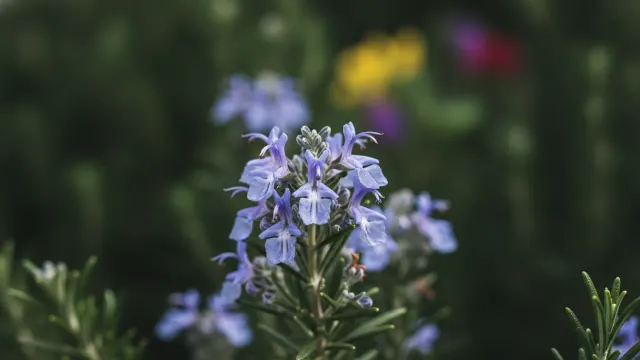
Rosemary
Shares full sun and low to moderate water; opens in early spring and overlaps into this one's season; stands well above at 3.5 ft, a canopy to plant beneath; both are strong pollinator plants.
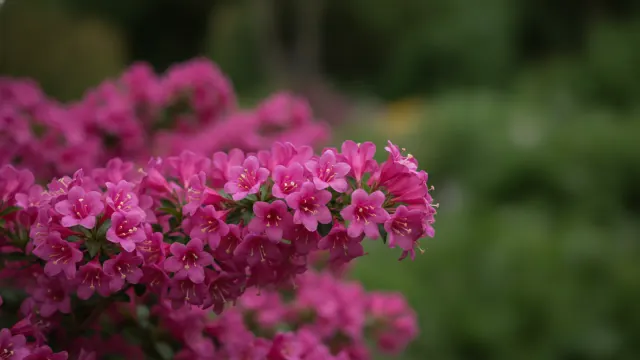
Weigela
Shares full sun and moderate water; stands well above at 5 ft, a canopy to plant beneath; both are strong pollinator plants; a soft color beside the white.
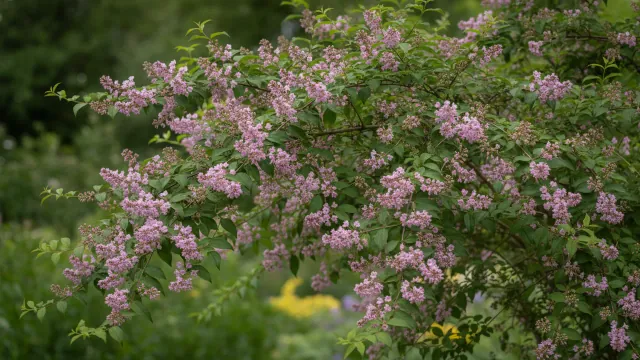
Beautyberry
Takes full sun to part sun and moderate water; stands well above at 5 ft, a canopy to plant beneath; both are strong pollinator plants; a soft color beside the white.
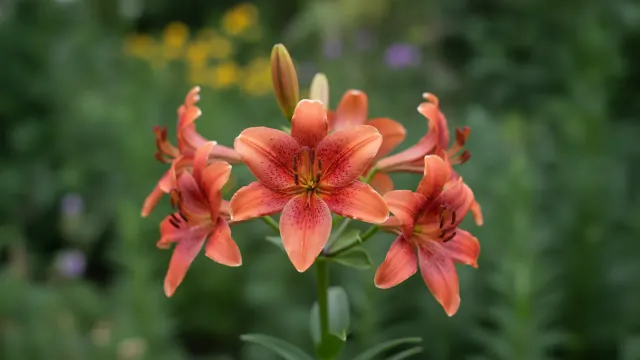
Asiatic Lily
Shares full sun and moderate water; stands well above at 3.5 ft, a canopy to plant beneath; both offer pollinator forage; a soft color beside the white.
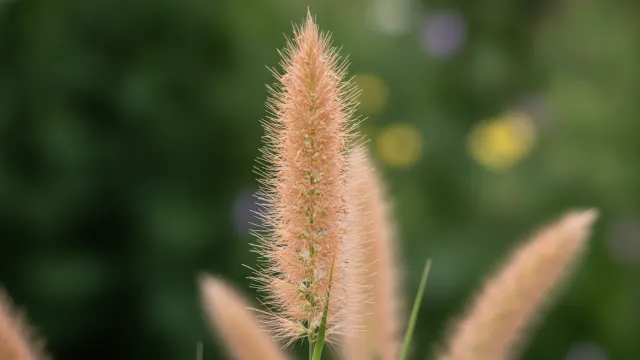
Switchgrass
Shares full sun and low to moderate water; stands well above at 5 ft, a canopy to plant beneath; both are strong pollinator plants; its seed heads stand through winter, for structure and the birds.
Featured in these guides
Explore similar plants
You might also like

Design a garden with this
Drop this plant onto a 3D plan, see how it fills in, and watch your whole garden bloom across the year.