
 Illustration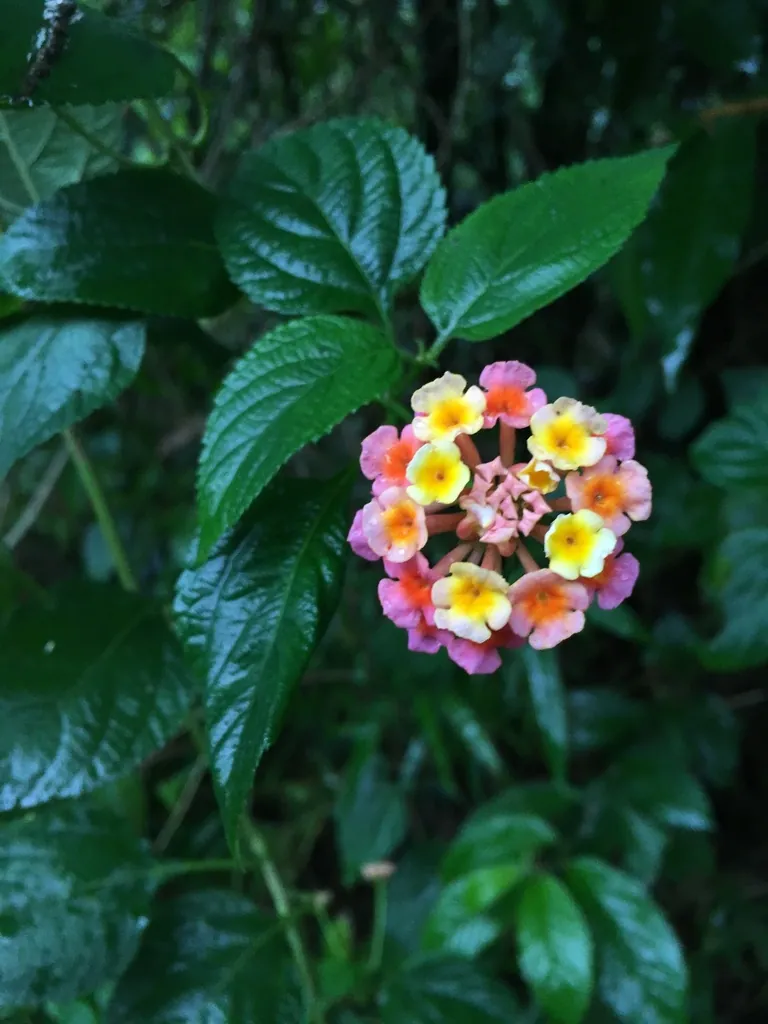
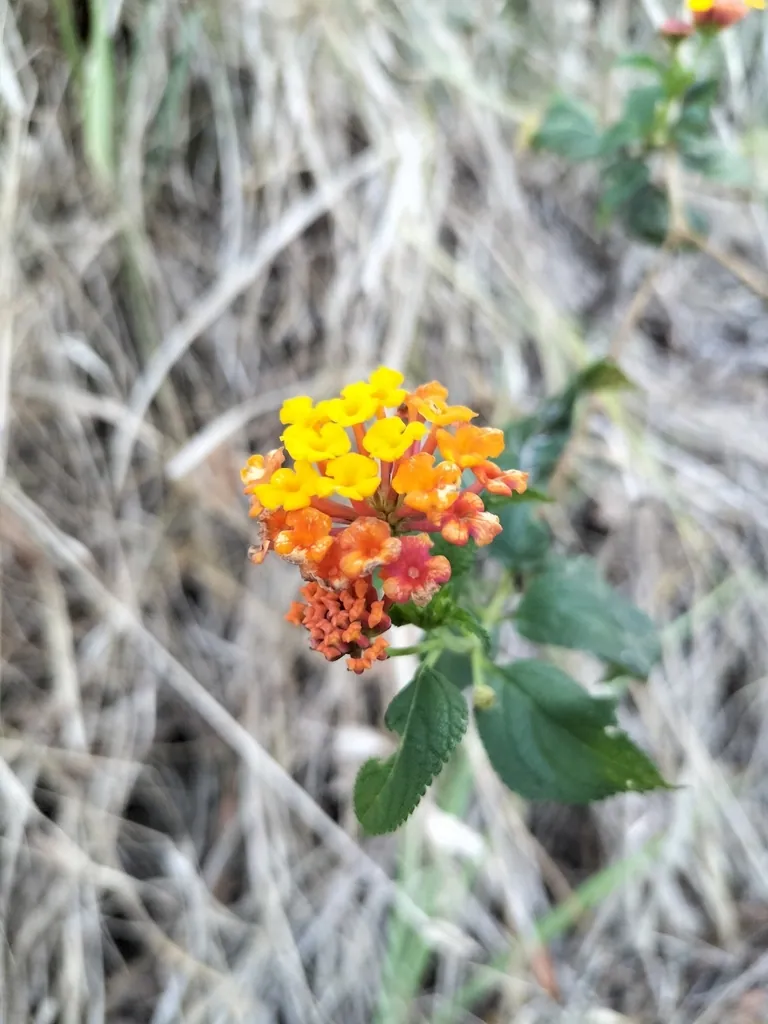
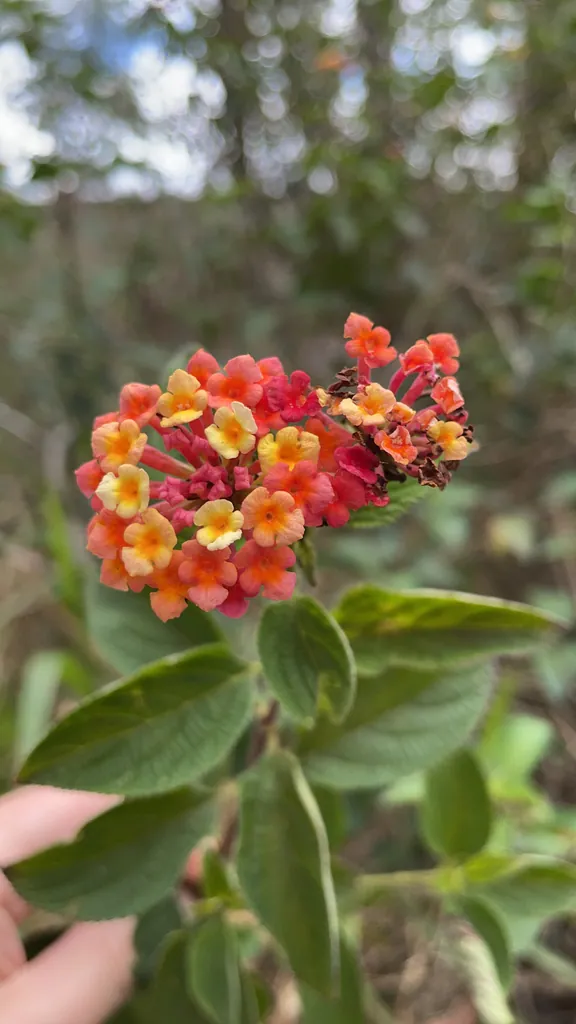
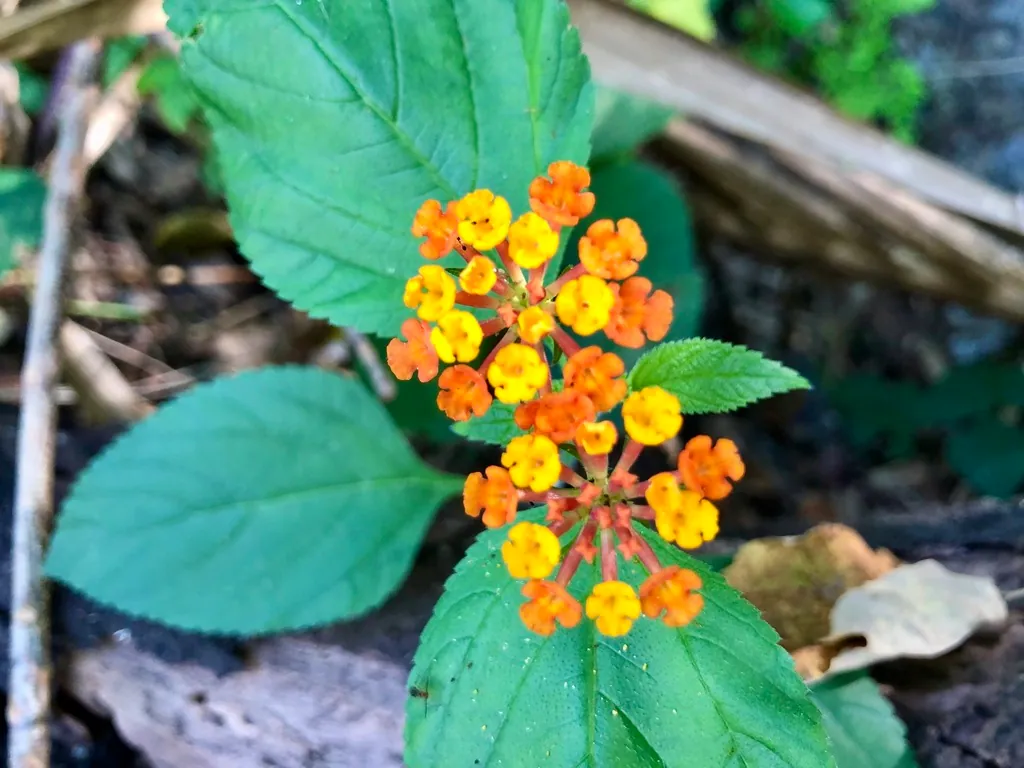

Photo credits and licenses
Real photographs from naturalists and photographers worldwide, each used under its own license. Credit: Photo by Matt Berger / iNaturalist (CC BY), Photo by Matt B / iNaturalist (CC BY), Photo by Mike Youdale / iNaturalist (CC0) and Photo by Drew Baxter / iNaturalist (CC0). How photos are sourced →

Lantana
Lantana camara
Lantana blooms from June through October.
Months here are Northern Hemisphere months; in the Southern Hemisphere, shift them by six months.
Growing Lantana
Plant it in full sun. It prefers low water. It is hardy in USDA zones 9–11. Expect it to reach about 20 in tall and 24 in wide at maturity, in roughly 1 year (not yet checked).
What was checked
Mature height and spread, hardiness zones, sun and the trait tags were checked against named botanical sources for this plant. The bloom months and water need on this page were not, and each fact above says which. The planting, spacing and size sections are derived from these checked facts by a fixed rule, not checked separately, and the plant type is the library's own classification.
When to plant Lantana
Wait until all danger of frost has passed, then plant out Lantana into warm soil; in most zones that means late spring. Planted then, it flowers from June to October.
Month-by-month timing for your zone is on the planting calendar; if you garden near zone 9, the middle of this plant's hardy range, start with zone 9 in February. Derived from the plant's category, zones and bloom months plus typical zone frost dates, not checked separately.
How big does Lantana get?
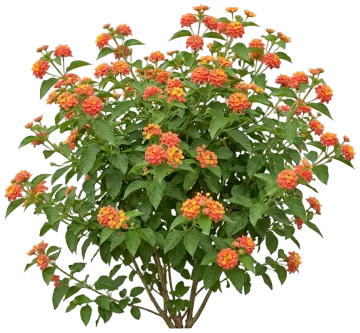 20 intall5 ft 7 inan adult24 inwide
See Lantana in a garden plan: the planner shows it in 3D beside everything else you add, growing toward this size over the years.
How far apart to plant Lantana
Derived from the mature spread above by a fixed rule, not checked separately: spacing is the spread, center to center.
Space Lantana about 24 in apart, center to center, so each plant has room to reach its full width.
Add Lantana to a garden plan and the planner draws it at its full width, so you see the spacing before you buy.
Where these facts come from
Lantana's height, spread, hardiness zones, sun and trait tags were checked against 8 published sources on July 30, 2026. Each one is linked below with every fact it carried, which can include a fact this page still marks as not yet checked, because a source carrying a value is not the same as the value being held to the standard. Facts not in that list, and the planting, spacing and size sections, are not covered by these sources.
- Missouri Botanical GardenLantana camaraheight, spread, hardiness zones, sun and trait tags
- NC State ExtensionLantana camaraheight, spread, hardiness zones, sun and trait tags
- Clemson Home and Garden Information CenterLantana, centred on Lantana camaraheight, spread, sun and trait tags
- RHSRoyal Horticultural Society (Lantana camara)height, spread and sun
- University of Illinois ExtensionLantana, in the annuals sectionheight, sun and trait tags
- University of Wisconsin HorticultureLantana, genus article covering Lantana camarahardiness zones, sun and trait tags
- University of Florida IFASUF/IFAS Gardening Solutions (Lantana)sun and trait tags
- University of Minnesota ExtensionLantana, grown as an annual in Minnesotasun and trait tags
How the checking works, and what each standard covers, is on the verified plants page.
Comes in 11 varieties across 6 colors
Same genus, similar care - pick the color you are growing.
- Bandana Cherry
- Bandana Pink
- Bandana Rose
- Confetti
- Dallas Red
- Lucky White
- Luscious Citrus
- Miss Huff
- New Gold
- Purple Trailing
- Radiation
Compare every variety in the Lantana group
Every figure is the variety's own page fact. Tap a name to open it.
| Variety | Color | Blooms | Hardiness | Sun | Size (H × W) |
|---|---|---|---|---|---|
| Bandana Cherry | Red | Jun–Oct | Zones 9–11 | Full sun | 20 in × 24 in |
| Bandana Pink | Pink | Jun–Oct | Zones 9–11 | Full sun | 20 in × 24 in |
| Bandana Rose | Pink | Jun–Oct | Zones 9–11 | Full sun | 20 in × 24 in |
| Confetti | Pink | Jun–Oct | Zones 9–11 | Full sun | 2 ft × 2.5 ft |
| Dallas Red | Red | Jun–Oct | Zones 9–11 | Full sun | 2 ft × 2.5 ft |
| Lantanathis page | Orange | Jun–Oct | Zones 9–11 | Full sun | 20 in × 24 in |
| Lucky White | White | Jun–Oct | Zones 9–11 | Full sun | 16 in × 20 in |
| Luscious Citrus | Orange | Jun–Oct | Zones 9–11 | Full sun | 2 ft × 2.5 ft |
| Miss Huff | Orange | Jun–Oct | Zones 7–11 | Full sun | 2 ft × 2.5 ft |
| New Gold | Yellow | Jun–Oct | Zones 9–11 | Full sun | 1.5 ft × 2.5 ft |
| Purple Trailing | Purple | Jun–Oct | Zones 9–11 | Full sun | 1 ft × 2.5 ft |
| Radiation | Orange | Jun–Oct | Zones 9–11 | Full sun | 2.5 ft × 2.5 ft |
Good to know about Lantana
Curated from university extensions, botanic gardens and other primary sources, with the source named on every note. A note reports what its source says; where that differs from a fact above, the fact above is this entry's stored value, and its mark says whether it has been checked.
Safety
Toxic to dogs, cats and horses, and seriously toxic to grazing livestock: eating the leaves or berries can cause vomiting and, in livestock, liver failure. per ASPCA and NC State
Worth knowing
Its signature trait: each floret opens one color and shifts to another as it ages, so one cluster shows several colors at once, often yellow aging to orange. per NC State
Berry risk is disputed
Sources disagree on how risky the berries are to people: a study of 641 California children found no significant toxicity, yet rare fatal cases from green berries exist. per Clinical Toxicology and Hong Kong
Invasive where it is hardy
One of the world's 100 worst invasive plants: where winters are mild it forms dense thickets and resprouts after cutting. Check your local weed list before planting. per Wisconsin and Cal-IPC
Choose a seedless cultivar
Sterile or low-fruiting cultivars set little or no fruit, which cuts both the toxic-berry hazard to children and pets and the seed-driven invasive spread at once. per Clemson
Butterfly and hummingbird magnet
A strong nectar plant: the flat flower heads are landing pads that pull in butterflies and hummingbirds all season, and birds eat the ripe berries. per NC State
Lean, dry soil means flowers
Keep it lean and dry: overwatering or rich, high-nitrogen soil pushes leafy growth and cuts bloom (and risks root rot). Poor, dry soil is the flowering strategy. per Wisconsin
What pairs well with Lantana
Good companions share its growing conditions and add something it lacks: an earlier or later bloom, a lower carpet in front, or structure through winter.
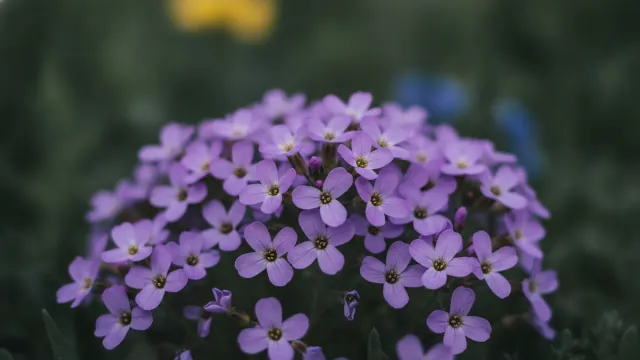
Rock Cress
Shares full sun and low water; blooms in mid spring, before this one opens; both offer pollinator forage, in different months; evergreen, so the bed keeps its shape through winter.
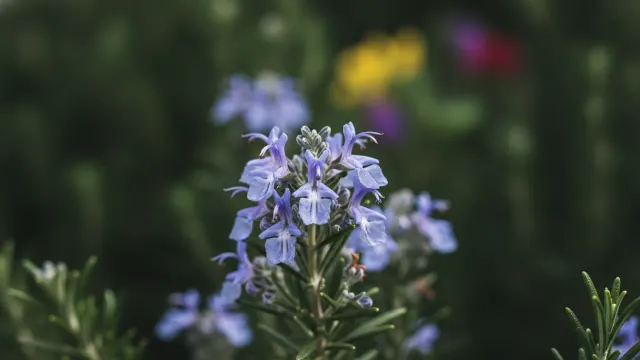
Rosemary
Shares full sun and low water; blooms in early spring, before this one opens; both are strong pollinator plants, and they feed in different months; evergreen, so the bed keeps its shape through winter.
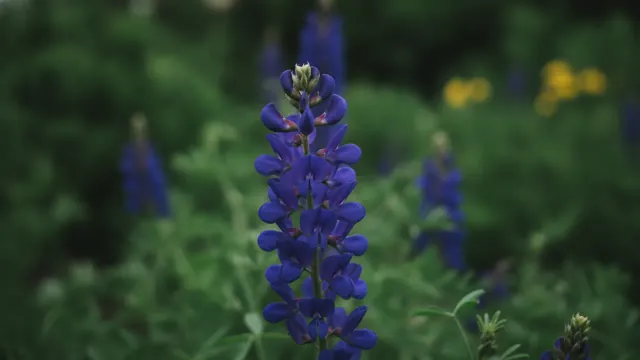
False Indigo
Shares full sun and low water; opens in late spring and overlaps into this one's season; both are strong pollinator plants; its seed heads stand through winter, for structure and the birds.
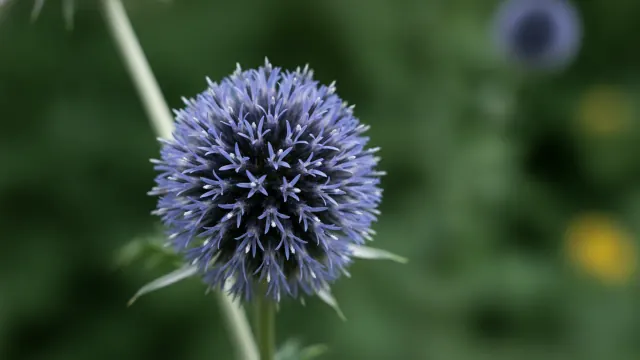
Globe Thistle
Shares full sun and low water; both are strong pollinator plants; its seed heads stand through winter, for structure and the birds; taller at 3.5 ft, for the layer behind it.
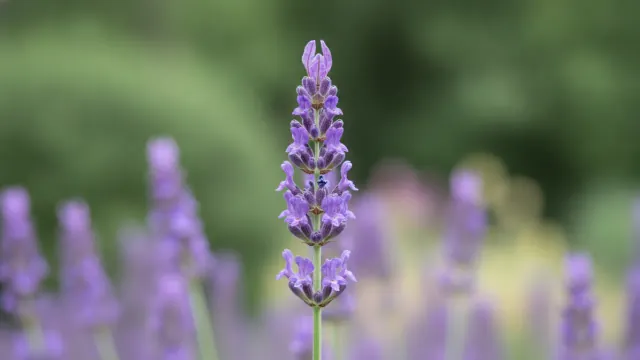
Lavender
Shares full sun and low water; both are strong pollinator plants; evergreen, so the bed keeps its shape through winter; purple against orange, for contrast.
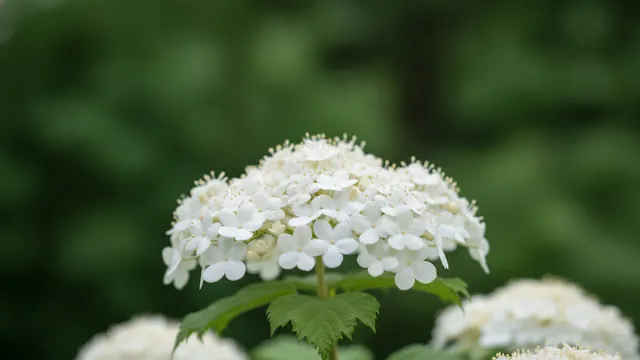
Viburnum
Shares full sun and low to moderate water; blooms in mid spring, before this one opens; both offer pollinator forage, in different months; taller at 6.5 ft, for the layer behind it.
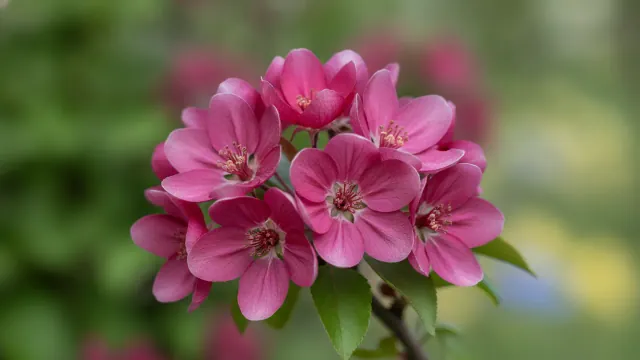
Flowering Crabapple
Shares full sun and low to moderate water; blooms in mid spring, before this one opens; both are strong pollinator plants, and they feed in different months.
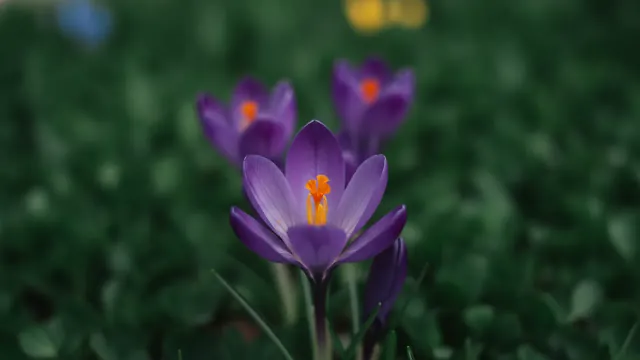
Crocus
Shares full sun and low water; blooms in late winter, before this one opens; both offer pollinator forage, in different months; lower at 4 in, for the front of the border.
Featured in these guides
Explore similar plants
You might also like
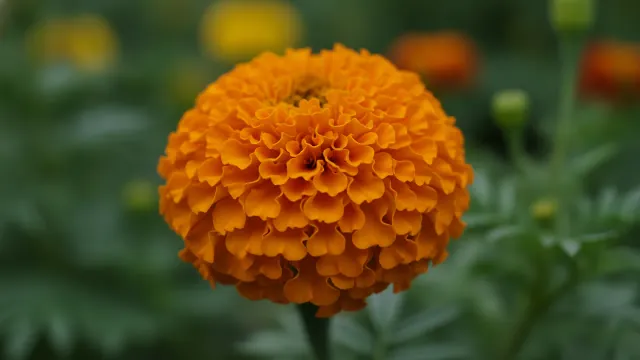
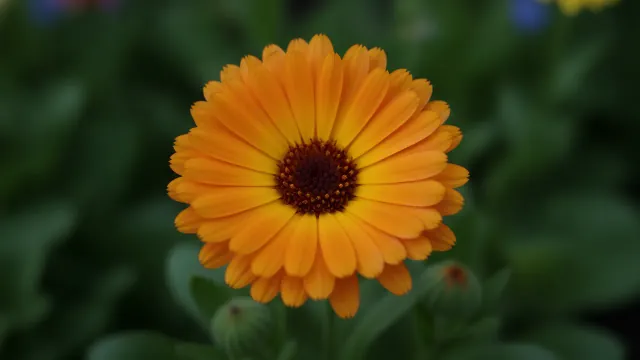
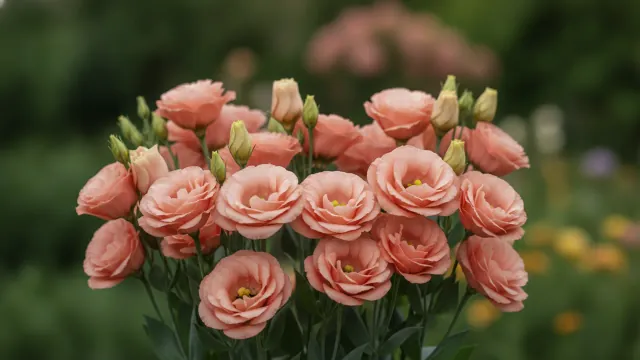
Design a garden with this
Drop this plant onto a 3D plan, see how it fills in, and watch your whole garden bloom across the year.